5 Best Gardening Gloves for Women in 2026
Gardening can be one of the most rewarding hobbies you’ll ever pick up. But let’s be real – your hands take a beating when you’re digging in soil, pulling weeds, or trimming rose bushes. Scratches, blisters, dirt under your nails, and sore fingers can make even the most passionate gardener think twice before heading out to the yard.
In this article
That’s where good gardening gloves come in. They protect your hands from thorns, splinters, and rough surfaces while keeping your grip steady on tools and plants. But here’s the thing: not all gardening gloves are created equal, especially when it comes to finding pairs that actually fit women’s hands properly.
Many gardening gloves on the market are either too bulky, too stiff, or just poorly sized for smaller hands. You end up with gloves that slip off, bunch up at the fingertips, or make it impossible to feel what you’re doing. It’s frustrating and frankly defeats the purpose of wearing them in the first place.
After researching and analyzing numerous options, I’ve put together this comprehensive guide to help you find the perfect pair. We’ll look at five top-rated gardening gloves designed specifically for women, breaking down what makes each one special, where they excel, and where they fall short.
This guide will walk you through everything you need to know. You’ll learn about different materials, protective features, and how to match gloves to your specific gardening tasks. By the end, you’ll know exactly which pair (or pairs) will work best for your needs.
Let’s dig in and find you the perfect gardening gloves.
Why the Right Gardening Gloves Matter
Before we jump into the reviews, let’s talk about why investing in quality gloves is so important.
Your hands are your most valuable gardening tools. They deserve protection. Good gloves shield you from thorns, prevent blisters from repetitive digging, and keep your skin safe from irritating plants or chemicals. They also improve your grip on tools, which means better control and less fatigue.
Women’s hands are typically smaller and shaped differently than men’s hands. Generic “one size fits all” gloves rarely work well. They’re often too large, which creates safety issues and makes delicate work nearly impossible. Gloves designed for women offer better proportions, proper finger length, and comfortable wrist closures.
The right pair can actually make gardening more enjoyable. When your gloves fit well and match your tasks, you’ll find yourself reaching for them every time you head outside. When they don’t fit right, they’ll sit unused in your shed.
Now let’s look at five excellent options that actually deliver on their promises.
Detailed Product Reviews
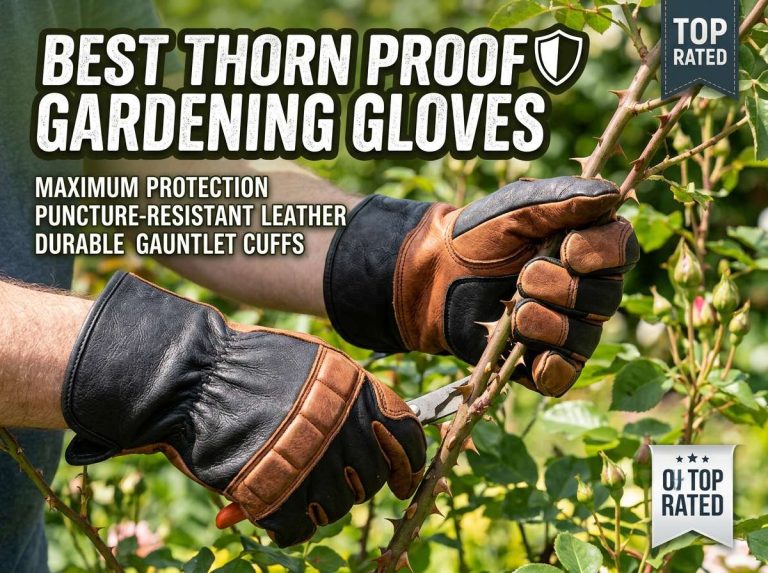
1. Thorn Proof & Puncture Resistant Gardening Gloves with Grip
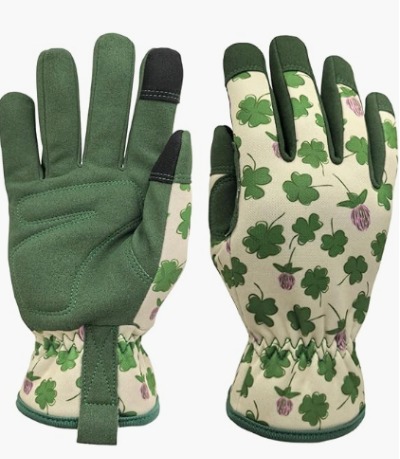
These leather gardening gloves are built like armor for your hands. They’re designed to handle the toughest gardening jobs without letting thorns or sharp objects get through.
Product Description
This pair features genuine leather construction with reinforced fingertips and palms. The material is thick enough to block rose thorns and blackberry brambles but still allows reasonable movement. The palms have textured grip dots that help you hold onto tools and wet stems. They come in a classic tan leather color that looks professional and hides dirt well.
Best Use Cases
These gloves shine when you’re dealing with prickly plants. Rose pruning becomes much less painful. Trimming raspberry bushes won’t leave your hands looking like you fought with a cat. They also work great for handling rough branches, moving rock or stone, and working with wire or metal garden stakes.
If you’re clearing overgrown areas or reclaiming a neglected garden bed, these are your go-to gloves. The puncture resistance means you can work confidently without constantly worrying about what you’re grabbing.
Key Features Explained
The leather used here is thick-grade material, not the thin stuff you see on cheaper gloves. This thickness is what gives you the thorn-proof protection. The reinforced fingertips add an extra layer right where you need it most.
The grip dots are made from a durable rubber compound. They’re strategically placed on the palm and fingers to give you control without making the gloves feel bulky or awkward.
The wrist closure uses an elastic band that keeps debris out while you work. It’s stretchy enough to get on and off easily but snug enough to stay put during vigorous activity.
Real-Life Usage Insight
When you first put these on, they’ll feel stiff. That’s normal with quality leather gloves. After a few uses, they’ll start to conform to your hand shape, becoming much more comfortable. This break-in period typically takes about a week of regular use.
During wear, you’ll notice the gloves get warm faster than fabric options. This is great in cool weather but can be uncomfortable on hot summer days. Your hands might sweat more, so plan accordingly.
The thickness that protects you also reduces sensitivity. You can still feel what you’re doing, but fine detail work becomes harder. Planting tiny seeds or handling delicate seedlings is challenging with these on.
Honest Pros and Cons
Pros:
- Excellent protection against thorns and sharp objects
- Leather is durable and long-lasting
- Grip dots work well on smooth tool handles
- They look professional and well-made
- Good wrist coverage keeps dirt and debris out
Cons:
- Stiff when new, requiring a break-in period
- Can get hot in warm weather
- Less flexibility for detailed work
- Leather needs occasional conditioning to stay supple
- Higher price point than fabric options
Performance Discussion
These gloves deliver on their main promise: protection. You can grab thorny stems with confidence. Blackberry vines that would normally shred your hands barely make an impression through the leather.
The grip performance is solid. Tools don’t slip, even when the handles are slightly damp. However, the reduced sensitivity means you need to be more deliberate with your movements. Tasks that require a light touch take more concentration.
Durability is impressive. Even after months of hard use, the leather holds up without developing holes or weak spots. The seams stay intact, and the grip dots remain firmly attached.
Ease of Use
Getting these on takes a bit more effort than slip-on fabric gloves, especially when they’re new. The leather resists stretching at first. Once broken in, they become easier to put on and take off.
During use, the stiffness can make quick hand movements slightly slower. If you’re switching between tools frequently, this might feel restrictive. For sustained work on a single task, you’ll quickly adjust.
Cleaning these requires more care than machine-washable options. You’ll need to brush off dirt and occasionally treat the leather with conditioner to prevent cracking.
Value for Money
These sit at the higher end of the price spectrum for gardening gloves. However, the durability means you’re buying one pair that lasts for years instead of replacing cheaper gloves every season.
If you regularly work with thorny plants or rough materials, the investment makes sense. The protection alone saves you from painful injuries and potential infections from scratches. For occasional gardeners who mostly handle soft plants, the cost might not be justified.
2. COOLJOB 6 Pairs Gardening Gloves for Women

This multi-pack brings variety and value to your gardening glove collection. You get six pairs in a mix of colors, all featuring a breathable design with rubber-coated palms.
Product Description
Each pair in this set has a knitted fabric back that lets air flow through to your skin. The palms and fingers are coated with a textured rubber material that provides grip and protection. The gloves come in medium size, tailored to fit women’s hands. The color combination includes red and green pairs, making it easy to have dedicated gloves for different tasks.
Best Use Cases
These gloves are perfect for general gardening work. Light weeding, planting flowers, spreading mulch, and watering plants all become easier with these on. The breathable design makes them ideal for warm weather work when heavier gloves would be too hot.
They’re also great for having multiple pairs on hand. Keep one pair by the back door, another in your potting shed, and a clean pair ready to go. Having backups means you never have to garden bare-handed because your only pair is dirty.
The lighter protection makes them suitable for vegetable gardening where you need to handle delicate plants without damaging them.
Key Features Explained
The knit fabric back is made from nylon and spandex blend. This combination gives you flexibility while still protecting the back of your hand from sun exposure and minor scratches. The fabric stretches to fit your hand shape comfortably.
The rubber coating on the palm side is applied in a way that maintains flexibility. Unlike gloves with thick rubber layers, these let you bend your fingers naturally. The coating is textured with small bumps that increase friction against smooth surfaces.
The wrist area features an elastic knit that hugs your wrist without being too tight. This design makes them easy to slide on and off quickly.
Real-Life Usage Insight
Right out of the package, these gloves feel comfortable. No break-in period needed. You can start using them immediately with full flexibility and comfort.
During extended wear, the breathable back really makes a difference. Your hands stay cooler and don’t get as sweaty as they would in non-breathable gloves. This comfort factor means you’re more likely to keep them on throughout your gardening session.
The rubber coating provides decent protection for everyday tasks but won’t stop sharp thorns or rough splinters. Think of them as everyday protection rather than heavy-duty armor.
Honest Pros and Cons
Pros:
- Six pairs provide excellent value
- Breathable design keeps hands cool
- Flexible enough for detailed work
- Easy to clean – just rinse with water
- Multiple pairs mean you always have clean gloves ready
- Good grip on tools and wet plants
Cons:
- Won’t stop rose thorns or sharp objects
- Rubber coating can wear through with heavy use
- Sizing runs slightly small for some users
- Not waterproof despite the coating
- Less durable than leather options
Performance Discussion
For everyday gardening tasks, these gloves perform admirably. The grip is reliable when handling pruners, trowels, and plant stems. You can feel what you’re doing through the thin rubber coating, which helps with precision work.
The breathability truly stands out during summer gardening sessions. While other gloves would leave your hands dripping with sweat, these allow enough air circulation to keep you comfortable.
Durability varies depending on your tasks. For light to moderate use, expect several months from each pair. Heavy digging or working with rough materials will wear through the rubber coating faster, especially at the fingertips.
Ease of Use
These are incredibly easy to slip on and off. The stretchy fabric accommodates your hand without resistance. No fumbling or struggling, even when your hands are slightly damp.
Working with them feels natural. The flexibility doesn’t restrict your movements, so you can work at your normal pace without accommodation for stiff gloves.
Cleaning is simple. Rinse them under a hose, squeeze out excess water, and let them air dry. They dry quickly thanks to the breathable material.
Value for Money
The six-pair pack represents exceptional value. Even if you go through two or three pairs per gardening season, you’re still getting multiple seasons of use from one purchase.
This makes them perfect for gardeners who want to keep spare gloves in various locations or who like having fresh gloves available without constant washing. The cost per pair is very reasonable, especially considering the functionality you get.
3. Wells Lamont Women’s HydraHyde Leather Hybrid Gloves
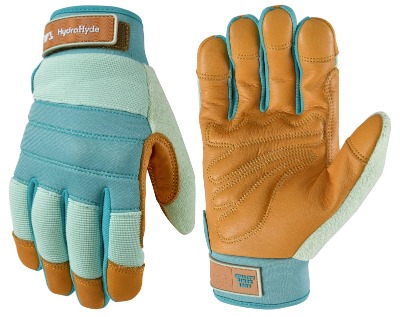
These hybrid gloves combine the best of leather durability with modern fabric flexibility. They’re designed to handle wet conditions while providing the feel and protection serious gardeners need.
Product Description
The Wells Lamont HydraHyde gloves feature cowhide leather palms and a spandex stretch back panel. The leather is treated with a water-resistant coating that helps shed moisture. The back of the hand uses a four-way stretch fabric that moves with you. They come in a distinctive blue color with an adjustable hook-and-loop wrist closure.
Best Use Cases
These excel in situations where you need both protection and dexterity. Transplanting shrubs, working with wet soil, handling damp plant material, and early morning gardening when dew is still on everything – these conditions suit these gloves perfectly.
The water resistance makes them ideal for tasks involving irrigation setup, dealing with soggy compost, or working in the garden right after rain. You can work without your hands getting soaked through.
They’re also excellent for landscaping projects that combine planting with material handling. The leather palms protect you when moving pavers or edging stones, while the flexible back lets you handle plants gently.
Key Features Explained
The HydraHyde leather treatment is the standout feature. This process modifies the leather at a molecular level to repel water while maintaining breathability. Water beads up on the surface instead of soaking in, but sweat vapor can still escape from inside.
The spandex back panel stretches in all directions. This means the gloves move naturally with your hand instead of bunching or restricting movement. The fabric is also breathable, preventing the trapped heat that solid leather gloves create.
The adjustable wrist closure uses a hook-and-loop strap. You can tighten it for a secure fit that keeps debris out or loosen it for easier on-and-off access. This adjustability helps accommodate different wrist sizes.
Real-Life Usage Insight
When you first wear these, you’ll notice how the different materials work together. The leather provides firm protection where your hand contacts tools and plants, while the fabric back keeps your hand from feeling encased.
In damp conditions, the water resistance really proves its worth. Your palms stay dry even when handling wet materials. This keeps your hands comfortable and prevents the pruning effect that happens when skin gets waterlogged.
The gloves do require some break-in time, though less than full leather gloves. The leather palms need to soften and conform to your grip. After about a week of regular use, they’ll feel significantly more comfortable.
Honest Pros and Cons
Pros:
- Water-resistant leather keeps hands dry
- Excellent balance of protection and flexibility
- Adjustable wrist fits various sizes
- Good for both delicate and rough work
- Spandex back prevents overheating
- Well-constructed with reinforced stress points
Cons:
- More expensive than basic fabric gloves
- Leather requires occasional maintenance
- Not fully waterproof for extended wet exposure
- Medium size might not fit all hand shapes perfectly
- Takes time to break in completely
Performance Discussion
These gloves deliver professional-level performance across a wide range of tasks. The hybrid design means you’re not sacrificing protection for flexibility or vice versa. You get both.
The water resistance holds up well to normal wet conditions. Light rain, dew, and damp soil don’t penetrate. However, submerging your hands in water or extended exposure to heavy rain will eventually soak through. They’re water-resistant, not waterproof.
Durability is excellent. The cowhide leather is tough enough to handle regular abuse, and the spandex holds up better than you might expect. The reinforced stitching at stress points prevents the common failure mode of fabric separating from leather.
Ease of Use
Getting these on takes slightly more effort than simple slip-on gloves due to the fitted design. The adjustable wrist closure adds a step to the process. However, once you’re used to it, the routine becomes second nature.
During use, the gloves feel like an extension of your hands. The flexibility is that good. You can pick up small items, operate tool mechanisms, and handle delicate plants without feeling handicapped.
Care requires more attention than disposable gloves. You’ll need to clean off dirt, let them dry properly, and occasionally condition the leather. This maintenance pays off in extended lifespan.
Value for Money
These sit in the mid-to-upper price range. The cost reflects the quality materials and construction. You’re paying for genuine leather, not synthetic alternatives, and for a thoughtful hybrid design.
For gardeners who work regularly in varying conditions, the investment makes sense. The versatility means you can use them for many different tasks instead of needing multiple specialized pairs. The durability ensures they’ll last multiple seasons with proper care.
4. Womens Gardening Weeding Working Gloves
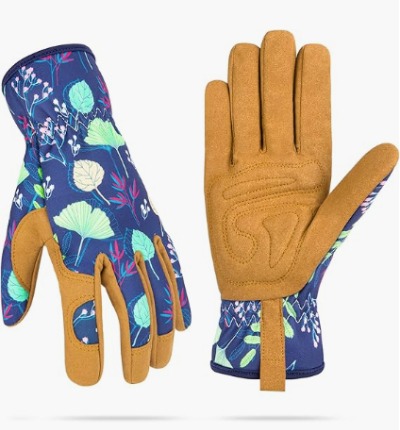
These specialized gloves focus on protecting you from the specific challenges of weeding and pruning work. They’re built to handle thorns and prevent punctures while maintaining enough flexibility for detail work.
Product Description
These gloves use a combination of leather and synthetic materials to create thorn-proof protection without excessive bulk. The palms and fingers feature leather reinforcement, while the back uses a lighter but still protective synthetic fabric. They’re specifically marketed as “no stab” gloves, meaning they resist penetration from sharp objects.
Best Use Cases
Weeding is where these gloves truly shine. Pulling dandelions, removing thistles, and clearing areas with stinging nettles become much less painful. The protection lets you work confidently without constantly checking for thorns.
Pruning tasks benefit from the no-stab design. Trimming roses, cutting back brambles, and shaping thorny shrubs can be done with less fear of injury. The flexibility is good enough that you can still operate pruning shears precisely.
General yard cleanup is another strong use case. When you’re clearing debris and aren’t sure what you might grab, the puncture resistance provides peace of mind.
Key Features Explained
The thorn-proof construction comes from multiple layers of material at vulnerable points. The leather isn’t as thick as dedicated rose gloves, but the layering technique provides similar protection with less bulk.
The “no stab” feature refers to resistance against puncture from above. When you’re reaching into plants or grabbing stems, sharp points won’t easily penetrate the material. This protection extends across the entire hand, not just the palm.
The leather used on the palm is a medium-weight grade. It’s thick enough for protection but not so thick that you lose all feeling. This balance makes the gloves more versatile than ultra-heavy options.
Real-Life Usage Insight
When you first try these for weeding work, you’ll appreciate being able to grab plant material directly without worrying about hidden thorns. You can work faster and more confidently than you would bare-handed or in thin gloves.
The gloves do reduce tactile feedback somewhat. You’ll feel the general shape of what you’re grabbing but not fine details. This is a trade-off for the protection they provide. For most weeding and pruning work, the reduced sensitivity isn’t a problem.
After extended use, the areas where leather meets synthetic material can show wear. The stitching here takes stress, and over time you might see loose threads. Regular inspection helps catch problems before they become failures.
Honest Pros and Cons
Pros:
- Good protection against thorns and punctures
- More flexible than thick leather gloves
- Suitable for detail work like pruning
- Palm leather provides durability
- Lighter weight than full leather options
- Reasonable price point
Cons:
- Not as tough as dedicated rose gloves
- Stitching can weaken with heavy use
- Synthetic back less durable than leather
- Fit might feel snug for wider hands
- May need replacement sooner than premium options
Performance Discussion
For their intended purpose – weeding and light pruning – these gloves perform well. The thorn protection is reliable for common garden thorns. Rose thorns, blackberry thorns, and thistle spines don’t penetrate under normal handling.
The flexibility advantage shows up in fine motor tasks. Operating small tools, tying plant supports, and handling delicate stems are all easier in these than in stiffer alternatives.
Durability is moderate. With regular use in typical garden conditions, expect six months to a year of good service. Heavy-duty use will shorten this timeline, while occasional use can extend it significantly.
Ease of Use
These gloves are straightforward to put on and remove. The design doesn’t fight you, and there’s no complicated closure system to manage. Quick on, quick off.
Working in them feels natural after a brief adjustment period. The reduced bulk compared to heavy-duty gloves means less accommodation needed in your movements.
Cleaning is easy enough. Brush off dry dirt, or rinse with water for muddy situations. They air dry relatively quickly, though not as fast as pure synthetic options.
Value for Money
The price point is attractive for the protection level you receive. These cost more than basic fabric gloves but less than premium leather options. This puts them in a sweet spot for gardeners who need thorn protection but don’t want to invest in expensive specialized gloves.
For someone who regularly deals with thorny plants but also needs flexibility for other tasks, these represent solid value. You’re getting a versatile tool that handles multiple situations adequately rather than one that excels at a single task.
5. Trifabricy Gardening Gloves for Women
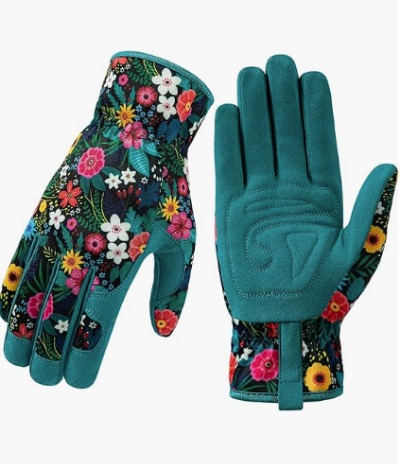
These gloves aim to deliver premium features at a mid-range price point. They combine breathable leather with grip technology and thorn-proof construction.
Product Description
The Trifabricy gloves feature genuine leather construction with perforations for breathability. The palm area has an enhanced grip pattern, and the entire glove is designed to resist thorn punctures. They come in a natural leather color with reinforced stitching at stress points.
Best Use Cases
These work well for all-around gardening tasks. The combination of breathability and protection makes them suitable for extended work sessions in moderate weather. You can move from planting to pruning to general maintenance without needing to change gloves.
The grip enhancement makes them particularly good for tool-intensive work. If your day involves lots of digging, cutting, or raking, the improved grip reduces hand fatigue by helping you maintain tool control with less effort.
They also suit gardeners who work in climates where temperature varies throughout the day. The breathable leather helps regulate temperature better than solid alternatives.
Key Features Explained
The breathable leather feature comes from strategic perforation. Small holes throughout the leather allow air to flow through while maintaining structural integrity. This reduces the greenhouse effect that solid leather creates around your hands.
The grip pattern is achieved through embossed leather rather than added materials. This means the grip won’t wear off or separate from the glove. The pattern itself provides increased surface area and texture for better friction.
The thorn-proof design uses quality leather thickness combined with reinforcement at the most vulnerable areas. The fingertips and palm get extra layers where thorns are most likely to make contact.
Real-Life Usage Insight
During use, the breathable design makes a noticeable difference in comfort. Your hands still get warm, but the heat buildup is less intense than with non-breathable leather. This matters during longer work sessions.
The embossed grip provides reliable traction. Tools don’t twist in your hands as easily, and you can maintain a lighter grip without sacrificing control. This reduces the tension in your hands and forearms over time.
The gloves do need the typical leather break-in period. Initially stiff, they gradually soften and conform to your hand shape. This process is unavoidable with quality leather but results in a better fit long-term.
Honest Pros and Cons
Pros:
- Breathable leather improves comfort
- Embossed grip won’t wear off
- Good thorn resistance for common garden plants
- Reinforced areas extend durability
- Versatile enough for various tasks
- Quality construction with attention to detail
Cons:
- Break-in period required
- Still get warmer than fabric gloves
- Leather needs maintenance to stay supple
- May not fit all hand shapes ideally
- Premium features command higher price
Performance Discussion
These gloves deliver solid performance across the board without being exceptional in any single area. The thorn protection works well for typical garden thorns. The breathability helps but doesn’t eliminate heat buildup. The grip aids control but isn’t revolutionary.
This balanced approach means the gloves are reliable daily drivers. You can trust them for most tasks without worrying about specific limitations. The versatility is their strength.
Durability aligns with quality leather gloves generally. Proper care yields years of service. Neglect or extremely heavy use will shorten their lifespan, but they’re built to last with reasonable treatment.
Ease of Use
Initial use requires patience with the break-in process. Once past that phase, they’re comfortable and easy to work in. The design doesn’t create any particular challenges or require special techniques.
Maintenance needs are standard for leather gloves. Clean off dirt, condition occasionally, store in a dry place. Following these simple steps keeps them in good working order.
Value for Money
These gloves occupy the middle ground in pricing. They cost more than budget options but less than premium specialized gloves. This positioning makes sense given their balanced feature set.
For gardeners who want quality without paying top dollar, these deliver good value. You get genuine leather, thoughtful design features, and reliable performance. The trade-off is that they don’t excel dramatically in any specific area the way specialized gloves might.
Comparison Insights
Now that we’ve looked at each glove individually, let’s compare them directly to help you decide which one matches your needs best.
Protection Level
The first Thorn Proof glove and the Trifabricy gloves offer the highest protection against thorns and punctures. Their thicker leather and reinforced construction make them the clear choices for working with roses, brambles, and other aggressive plants.
The COOLJOB fabric gloves provide the least protection. They’ll stop minor scratches but won’t stand up to serious thorns. Think of them as protection for everyday gardening rather than heavy-duty work.
The Wells Lamont hybrid and the specialized weeding gloves fall in the middle. They offer good protection for most situations without the bulk of dedicated rose gloves.
Comfort and Breathability
The COOLJOB gloves win here hands down. The breathable fabric back keeps your hands cooler than any leather option can. If you garden in hot weather or have hands that sweat easily, these are your best bet.
The Trifabricy gloves come second with their perforated leather design. You get the durability of leather with improved air circulation. The Wells Lamont hybrid gloves also score well thanks to the spandex back panel.
Full leather options like the first Thorn Proof gloves are the warmest. This is great in cool weather but can be uncomfortable when temperatures rise.
Flexibility and Dexterity
The COOLJOB gloves offer the most flexibility. The thin rubber coating and fabric construction let you move naturally and feel what you’re doing. Detail work is easiest in these.
The weeding gloves and Wells Lamont hybrids provide good flexibility for gloves with leather components. You can still do precision tasks, though not quite as easily as with pure fabric gloves.
The heavy leather options sacrifice some dexterity for protection. You’ll adjust your technique slightly to accommodate the thicker material, but most tasks remain manageable.
Durability and Longevity
Leather gloves outlast fabric gloves significantly. The first Thorn Proof and Trifabricy gloves should last for years with proper care. The Wells Lamont hybrid gloves combine good durability with modern materials for excellent longevity.
The COOLJOB fabric gloves have the shortest lifespan. However, you’re getting six pairs, which changes the value calculation. Replacing them more frequently is less of an issue when you have backups ready.
The specialized weeding gloves fall in the middle. They’ll last longer than pure fabric but may not match the lifespan of premium leather options.
Value Proposition
The COOLJOB six-pack offers unbeatable value for light to moderate gardening. You get multiple pairs at a very reasonable total cost. This is hard to beat if you don’t need heavy-duty protection.
The specialized weeding gloves provide good value for their specific use case. If you need thorn protection for weeding and pruning, they deliver at a fair price.
The premium leather options require a larger upfront investment but last longer. Their value emerges over time as you avoid repeated purchases of cheaper alternatives.
Best for Specific Situations
For rose gardening or working with very thorny plants, choose the first Thorn Proof gloves or Trifabricy gloves. The protection level is worth the trade-offs.
For hot weather gardening or extended work sessions, the COOLJOB gloves keep you comfortable. The breathability prevents the clammy, uncomfortable feeling that makes you want to remove your gloves.
For wet conditions or early morning gardening, the Wells Lamont HydraHyde gloves excel. The water resistance keeps you comfortable when other gloves would leave your hands soggy.
For general gardening with a mix of tasks, either the weeding gloves or the Trifabricy gloves offer the versatility you need. They handle most situations competently without major weaknesses.
For budget-conscious gardeners or those wanting spare gloves in multiple locations, the COOLJOB six-pack makes perfect sense. The quantity and reasonable quality provide excellent overall value.
Comprehensive Buying Guide
Let’s walk through everything you need to consider when buying gardening gloves for women.
Size and Fit Considerations
Proper fit is critical for both safety and usability. Gloves that are too large will slip off or bunch up at the fingertips, making fine work impossible and creating hazards around power tools. Gloves that are too small will restrict movement, cause discomfort, and wear out faster.
Measure your hand to find the right size. Measure around your palm at its widest point, excluding your thumb. Most women’s gloves come in small, medium, and large based on this measurement. Small typically fits 6.5-7 inches, medium fits 7-8 inches, and large fits 8-9 inches.
Pay attention to finger length too. Some gloves fit well in the palm but have fingers that are too long or short. Read reviews to see if other buyers mention finger length issues.
Try before you buy when possible. If ordering online, check the return policy in case the fit isn’t right. It’s worth the hassle to get gloves that truly fit.
Material Options and Their Benefits
Leather offers excellent durability and thorn protection. It breaks in to fit your hand shape and lasts for years with proper care. However, it needs maintenance, isn’t machine washable, and can get hot.
Synthetic fabrics like nylon and polyester are breathable, flexible, and easy to clean. They dry quickly and often cost less than leather. The trade-off is less durability and protection against sharp objects.
Rubber coatings on fabric gloves provide grip and moderate protection while maintaining flexibility. They work well for general tasks but won’t stop serious thorns.
Hybrid designs combine materials to get benefits from each. Leather palms with fabric backs give you protection where you need it and breathability everywhere else.
Protection Features to Look For
Thorn resistance comes from material thickness and quality. Look for gloves specifically labeled as thorn-proof if you work with roses, blackberries, or similar plants. Check reviews to see if the protection claims hold up in real use.
Puncture resistance protects against sharp objects coming from any angle. This matters when reaching into dense plantings where you can’t see what you might encounter.
Reinforced fingertips and palms extend durability in high-wear areas. These reinforcements also provide extra protection where you’re most likely to encounter hazards.
Palm protection is especially important for tool use. Look for extra padding or thicker material on the palm if you do a lot of digging or use tools with hard handles.
Grip and Texture Needs
Good grip prevents tools from slipping and reduces the force needed to maintain control. This reduces hand fatigue during extended tool use.
Textured palms and fingers increase friction. Look for grip dots, patterns, or specialized coatings on the areas that contact tools and plants.
Consider the type of grip you need. Wet grip is important if you work in damp conditions or with wet materials. Dry grip matters more if you work with dusty soil or in arid climates.
Test the grip if possible before committing. Grab a tool handle while wearing the gloves to see how it feels. The grip should feel secure without requiring excessive squeezing.
Breathability and Comfort
Breathable materials keep your hands cooler and less sweaty. This matters most in warm weather or during strenuous work that elevates your body temperature.
Look for mesh panels, perforated materials, or moisture-wicking fabrics. These features help air circulate and sweat evaporate.
Consider the climate where you’ll be gardening. Hot, humid areas demand maximum breathability. Cool climates might benefit from less breathable gloves that provide more warmth.
Comfort also depends on seam placement. Seams inside the glove can create pressure points or rub against your skin. Look for flat seams or seams positioned to avoid high-contact areas.
Wrist Closure Styles
Elastic wrist closures are simple and quick. They slip on easily and stay in place for most activities. However, they don’t adjust for different wrist sizes or provide as secure a fit as other options.
Hook-and-loop (Velcro) closures let you customize the fit. You can tighten them to keep debris out or loosen them for easier removal. They’re ideal if you have particularly small or large wrists.
Extended cuffs provide more coverage up your forearm. They’re useful when reaching into deep plantings or when you want extra protection from scratches or sun exposure.
Washability and Maintenance
Machine-washable gloves are the easiest to maintain. Toss them in with your regular laundry and they come out clean. This is typically an option only with synthetic fabric gloves.
Leather gloves require hand cleaning. Brush off dry dirt or rinse with water for heavier soil. They need occasional conditioning to prevent drying and cracking. This maintenance is worth it for the durability but requires more effort.
Quick-dry materials are convenient if you need to use your gloves frequently. You can wash them one day and have them ready the next instead of waiting several days for them to dry completely.
Budget and Long-Term Value
Set a realistic budget based on how often you garden. Daily gardeners should invest in quality gloves that will last. Occasional gardeners can get by with less expensive options.
Consider cost per use rather than just purchase price. Expensive gloves that last five years cost less per use than cheap gloves you replace every season.
Think about whether you need multiple pairs. Having different gloves for different tasks often makes more sense than trying to find one perfect pair for everything.
Special Features Worth Considering
Touch-screen compatible fingertips let you use your phone without removing gloves. This is handy if you take photos of your garden or need to check reference information while working.
Reflective elements improve visibility in low light. If you garden early morning or evening, this safety feature is worth considering.
Built-in tool loops let you attach gloves to your belt when not in use. This prevents losing them and keeps them handy for quick tasks.
Extended cuffs protect more of your forearm. This matters when working with plants that have thorns or irritating sap along their stems.
Who Should Buy These Products
Let’s match each glove type to the gardener who would benefit most from it.
The Thorn Proof Heavy Leather Gloves Are Perfect For:
Rose enthusiasts who prune and train climbing roses regularly will appreciate the serious protection these offer. If you maintain rose gardens or work with other seriously thorny plants like bougainvillea or blackberries, the investment makes sense.
Gardeners reclaiming overgrown areas need this level of protection. When you’re clearing brush and don’t know what you’re grabbing, the puncture resistance provides essential safety.
Cold-weather gardeners benefit from the warmth these gloves provide. If you garden through fall and early spring in cooler climates, the leather keeps your hands comfortable.
Tool-heavy gardeners who spend hours digging, chopping, or pruning will value the durability. The leather holds up to repetitive friction that would destroy lighter gloves.
The COOLJOB Six-Pack Is Ideal For:
Budget-conscious gardeners get tremendous value from these. If you’re just starting out or don’t want to spend much on gloves, this pack gives you quality at a low cost per pair.
Hot-climate gardeners need the breathability these provide. If you garden in areas where summer temperatures are regularly in the 80s or 90s, these keep you cooler than leather alternatives.
Gardeners who like having multiple pairs available appreciate the convenience. Keep pairs in different locations or have backups ready when others are dirty.
Light-duty gardeners who mainly plant flowers, water, and do general maintenance don’t need heavy protection. These handle everyday tasks perfectly.
The Wells Lamont Hybrid Gloves Suit:
All-weather gardeners who work regardless of conditions benefit from the water resistance. If you garden in areas with frequent light rain or high dew, these keep you comfortable.
Serious hobbyists who want professional-quality equipment appreciate the thoughtful design. The hybrid construction shows attention to real-world use cases.
Gardeners who do varied tasks throughout the day need the versatility these offer. You can move between delicate planting and rough material handling without changing gloves.
Those with medium-sized hands looking for a perfect fit should try these. The design accommodates typical women’s hand proportions well.
The Specialized Weeding Gloves Work Best For:
Organic gardeners who hand-weed regularly need the thorn protection and flexibility these balance well. You can pull weeds efficiently without getting stabbed by thistles or other spiny intruders.
Perennial garden maintainers who prune and shape plants throughout the season appreciate the detail-work capability. These let you work precisely without sacrificing protection.
Gardeners on a moderate budget who need better protection than fabric gloves find good value here. They offer a step up without premium pricing.
Those who split time between weeding and other tasks benefit from the versatility. These handle multiple situations adequately.
The Trifabricy Breathable Leather Gloves Are Right For:
Quality-focused gardeners who want premium features at reasonable prices get good value here. The breathable leather and embossed grip show attention to comfort and functionality.
All-around gardeners who need one pair to do everything appreciate the balanced design. These don’t excel dramatically anywhere but perform well everywhere.
Moderate-climate gardeners find the breathability helpful without needing the extreme ventilation of mesh gloves. The leather provides some temperature regulation.
Gardeners who value durability but also want comfort should consider these. The quality construction promises years of service while the breathability improves the wearing experience.
Common Mistakes to Avoid
Learning from others’ mistakes can save you time and money. Here are common errors people make when buying and using gardening gloves.
Buying the Wrong Size
Many people guess at size or assume “medium” will fit. Hands vary significantly, and a poor fit undermines all other features. Always measure your hand or try gloves on before buying when possible.
Don’t buy gloves that are too large thinking you’ll “grow into them” or that loose is more comfortable. Excess material at the fingertips makes detailed work nearly impossible and creates safety hazards.
Avoid assuming your glove size matches your shoe size or clothing size. Hand size doesn’t correlate reliably with overall body size.
Prioritizing Price Over Fit and Function
Choosing the cheapest option often leads to buying again soon. Gloves that don’t fit right or don’t protect adequately sit unused while you go back to working bare-handed.
Balance cost against how often you’ll use the gloves. If you garden weekly, investing in quality pays off quickly. If you garden once a month, less expensive options make more sense.
Remember that buying multiples of cheap gloves that don’t work costs more than one good pair that does.
Ignoring the Type of Work You Do
General-purpose gloves seem like the safe choice, but they’re often mediocre at everything. Think about your actual tasks and prioritize features that match.
If you rarely encounter thorns, don’t pay extra for thorn-proof gloves. If you work in wet conditions regularly, water resistance becomes essential rather than optional.
Match your glove selection to your most common or most challenging tasks first. You can always buy different gloves later for special situations.
Not Breaking In Leather Gloves Properly
Expecting leather gloves to feel perfect immediately leads to disappointment. They need time to soften and conform to your hand shape.
Wear new leather gloves for short periods at first. Gradually increase wearing time as they break in. This prevents blisters and allows the leather to adapt more evenly.
Don’t force stiff leather gloves through strenuous tasks immediately. Start with lighter work and build up to heavy-duty use as the gloves become more flexible.
Neglecting Maintenance
Leather gloves left dirty and wet develop problems quickly. Dirt grinds against the material and weakens it. Moisture promotes mildew and causes the leather to dry out and crack when it finally dries.
Clean gloves after use, even if just brushing off dry dirt. This small effort significantly extends their lifespan.
Condition leather gloves periodically with appropriate leather treatment products. This keeps the material supple and prevents cracking.
Using the Wrong Gloves for the Task
Wearing delicate fabric gloves for heavy pruning sets you up for injury. The gloves won’t provide adequate protection, and thorns will penetrate.
Using heavy leather gloves for detailed planting work frustrates you unnecessarily. The reduced sensitivity makes the task harder than it needs to be.
Keep different gloves for different tasks if your budget allows. At minimum, have one pair for heavy work and another for detail work.
Not Replacing Worn Gloves
Continuing to use gloves with holes or weakened material negates their protective purpose. A hole right where thorns are likely to penetrate means you might as well work bare-handed.
Inspect gloves regularly for wear. Check seams, look for thin spots, and test the integrity of grip surfaces.
Replace gloves when they show significant wear, even if they’re not completely destroyed. The protection they provide diminishes well before they fall apart.
Storing Gloves Improperly
Leaving gloves in direct sunlight fades and weakens materials. UV exposure degrades both leather and synthetic materials over time.
Storing gloves while still damp promotes mold and mildew growth. Always let them dry completely before putting them away.
Keep gloves in a dry, cool location away from chemicals and solvents. Garden sheds can get extremely hot, so find a spot with some temperature moderation.
Expecting One Pair to Do Everything
No single glove excels at all tasks. Trying to make one pair work for everything means compromising on each specific task.
Consider having at least two pairs: one for heavy protection and one for detailed work. This dramatically improves your experience across different gardening activities.
Think of gloves like shoes. You wouldn’t wear hiking boots to a formal event, and you wouldn’t wear dress shoes on a trail. Different situations call for different equipment.
Final Verdict and Recommendations
After examining all five glove options in detail, here’s the bottom line on each and final recommendations to help you make your decision.
Overall Winner: Wells Lamont Women’s HydraHyde Leather Hybrid Gloves
These gloves strike the best balance for most gardeners. The combination of leather durability, fabric flexibility, and water resistance makes them incredibly versatile. You can handle a wide range of tasks without feeling compromised.
The quality construction means they’ll last multiple seasons with basic care. The adjustable wrist closure accommodates different hand sizes, and the hybrid design prevents the overheating that plagues solid leather gloves.
While they’re not the cheapest option, the cost-per-use calculation works out favorably when you consider how long they last and how many different tasks they handle well.
Best Value: COOLJOB 6 Pairs Gardening Gloves
You simply cannot beat the value proposition here. Six pairs of functional, comfortable gloves at this price point gives you tremendous flexibility. Keep pairs in multiple locations, have backups ready, or dedicate pairs to specific tasks.
The breathability makes them perfect for warm weather, and the grip coating handles everyday gardening tasks reliably. They won’t protect you from serious thorns, but for general gardening they’re excellent.
The fact that you’re getting six pairs changes the replacement equation entirely. Going through two pairs per season still leaves you with multiple seasons of gloves from one purchase.
Best for Serious Thorn Protection: Thorn Proof & Puncture Resistant Gardening Gloves
When you absolutely need maximum protection, these deliver. Rose gardeners, bramble clearers, and anyone dealing with aggressive thorny plants should strongly consider these.
The thick leather construction provides confidence when reaching into thorny tangles. The durability means they’ll protect you season after season. Yes, they’re warm and require break-in time, but the trade-off is worth it when thorns are your main concern.
For gardeners who regularly encounter challenging thorny plants, these are worth every penny of the premium price.
Best Hybrid Option: Trifabricy Gardening Gloves
If you want features from premium gloves without the top-tier price, these deliver. The breathable leather provides better comfort than solid leather while maintaining good protection.
The embossed grip pattern won’t wear off like coatings can, and the reinforced construction suggests these will last. They’re a solid choice for all-around gardening when you want to step up from basic fabric gloves but aren’t ready to invest in the most expensive options.
Best for Specific Weeding Tasks: Womens Gardening Weeding Working Gloves
These excel in their niche. If weeding and light pruning are your primary concerns, the specialized design addresses those tasks directly. The balance of protection and flexibility works well for detailed work around thorny plants.
They’re not as durable as heavy leather gloves, but they’re more comfortable for extended weeding sessions. The moderate price point makes sense for the protection level and expected lifespan.
My Personal Recommendations by Situation:
If you’re just starting out gardening and need one affordable pair, go with the COOLJOB six-pack. You’ll get immediate value and can explore which features matter most to you through actual use.
If you’re an experienced gardener ready to invest in quality, choose the Wells Lamont hybrid gloves. They’ll serve you well across virtually all tasks and last for years.
If you maintain a rose garden or work regularly with thorny plants, invest in the dedicated thorn-proof gloves. The protection is worth the cost and the minor inconveniences of heavier gloves.
If budget is tight but you need better protection than basic fabric gloves, the specialized weeding gloves offer good value. They handle common challenging situations without premium pricing.
If you garden in hot weather and prioritize comfort, stick with the COOLJOB gloves. The breathability will keep you more willing to actually wear protection instead of working bare-handed because other gloves are too hot.
Building Your Glove Collection
Ideally, you’d have multiple pairs for different situations. Here’s how to build a complete collection over time:
Start with the COOLJOB six-pack for general use. This covers your everyday needs affordably and gives you backups.
Add the thorn-proof gloves when you encounter a specific need for heavy protection. Don’t buy these first unless you know you’ll need them regularly.
Consider the Wells Lamont hybrid gloves as a premium upgrade when your budget allows. These become your go-to for serious gardening work.
Keep the specialized gloves in mind for specific pain points. If weeding is your nemesis, these solve that problem directly.
The Most Important Factors
After all this analysis, remember that the most important factor is finding gloves you’ll actually wear. The best gloves in the world don’t help if they sit in your shed because they’re uncomfortable or inconvenient.
Fit matters more than features. Gloves that don’t fit well won’t get used. Take the time to get sizing right, and don’t compromise here.
Match gloves to your actual needs, not theoretical ones. Be honest about the gardening work you really do, not what you imagine you might do someday.
Quality pays off over time, but only if the quality features address real needs you have. Premium gloves that solve problems you don’t have aren’t good value no matter how well made they are.
Final Thoughts
Gardening gloves might seem like a simple purchase, but as we’ve seen, there’s quite a bit to consider. The right pair protects your hands, improves your grip on tools, and makes gardening more enjoyable. The wrong pair frustrates you and ends up unused.
Take your time with this decision. Think about your typical gardening tasks, your climate, and your budget. Use this guide to narrow down options that match your specific situation.
Remember that you can always start with one pair and add others as needs become clear. There’s no rule saying you must have the perfect glove collection immediately. Garden, learn what works for you, and adjust accordingly.
Your hands do the real work in your garden. They deserve good protection and proper tools. Invest in gloves that fit well, protect adequately, and make your gardening time more pleasant. The small investment in quality gloves pays dividends in comfort, safety, and gardening enjoyment.
Now get out there and find the perfect pair for your needs. Your garden is waiting, and your hands will thank you for the protection.
Hi, I’m Mary, the founder of GardenCure.com. I’m passionate about creating healthy, beautiful gardens and well-kept lawns. I share practical experience and trusted advice on garden and lawn gear that truly works. With the support of my dedicated research team, our writers produce honest, in-depth reviews using reliable, authentic sources—helping you choose the right tools with confidence for your outdoor space.