How to Control Fleas in the Yard?
So your dog came inside scratching like crazy. Or maybe you found small jumping bugs in your grass. Either way, you’ve got a flea problem in your yard. Don’t panic. This is one of the most common issues pet owners face, and the good news is that you can fix it.
In this article
Fleas are tiny parasites that love warm, moist places like your lawn and garden. They don’t just annoy your pets. They also bite people, spread diseases, and multiply faster than you’d think. One flea can become thousands in just a few days.
This guide walks you through everything you need to know about getting rid of fleas outside your home. We’ll cover what works, what doesn’t, and how to prevent them from coming back.
Why Fleas Love Your Yard
Before you fight your enemy, you need to understand how they think. Fleas thrive in certain conditions, and your yard might be giving them exactly what they want.
Fleas need shade and moisture to survive. A flea can’t handle direct sunlight or dry air for very long. This is why you find most of them under bushes, in tall grass, near trees, and under leaf piles. These spots stay cool and damp even on hot days.
Your pets play a huge role in spreading fleas around your yard. When your dog or cat goes outside, fleas jump on them. When they come back inside, they bring fleas with them. Then those fleas lay eggs everywhere. Within days, your whole yard can become infested with flea pupae and adult fleas at every life stage.
Wildlife also brings fleas to your yard. Raccoons, possums, squirrels, and stray cats all carry fleas. If these animals visit your property, they’re dropping flea eggs all over the place. You might never even see them doing it.
Flea infestations grow fast because of their life cycle. A female flea lays hundreds of eggs. These eggs hatch into larvae, then turn into pupae, and finally become adult fleas. The whole cycle can take less than two weeks. So if you don’t act fast, a small problem becomes a big one.
Step 1: Treat Your Pets First
You can’t control fleas in your yard if your pets are still bringing them in. This is your first and most important step.
Talk to your veterinarian about flea treatments for your pets. Your vet has the best options available. They know your pet’s health history and can recommend the safest product.
Common flea treatments for pets include:
Oral medications – Your vet can prescribe pills that work from the inside out. These are popular because they’re easy to give and very effective. Many kill adult fleas within hours.
Topical treatments – These are liquids or creams you put on your pet’s skin, usually on the back of their neck. They spread across the skin and kill fleas on contact.
Flea collars – Modern flea collars are much better than the old ones your grandparents used. Some use gas technology to create a protective zone around your pet’s head and neck.
Flea shampoos – These work right away but only kill fleas that are on your pet at that moment. They don’t protect your pet from new fleas.
Once you treat your pets, keep them on a flea prevention plan. This means giving them medication every month or every few months, depending on the product. Prevention is way easier than dealing with a new infestation later.
Also bathe your pets regularly and use a flea comb. A flea comb has very tight teeth that catch fleas and flea eggs. This helps remove fleas before they can cause problems.
Step 2: Clean Up Your Yard
Fleas hide in debris and overgrown areas. By cleaning up, you remove their favorite hiding spots.
Remove leaf litter and dead grass – Rake up all fallen leaves, dead grass, and plant debris. Fleas love nesting in these materials. Bag everything up and throw it away. Don’t add it to a compost pile because the fleas can survive composting.
Trim bushes and shrubs – Cut back any bushes touching the ground. Fleas hide under low-hanging branches. By removing them, you let sunlight hit the ground, which kills fleas and their eggs. Fleas hate direct sun.
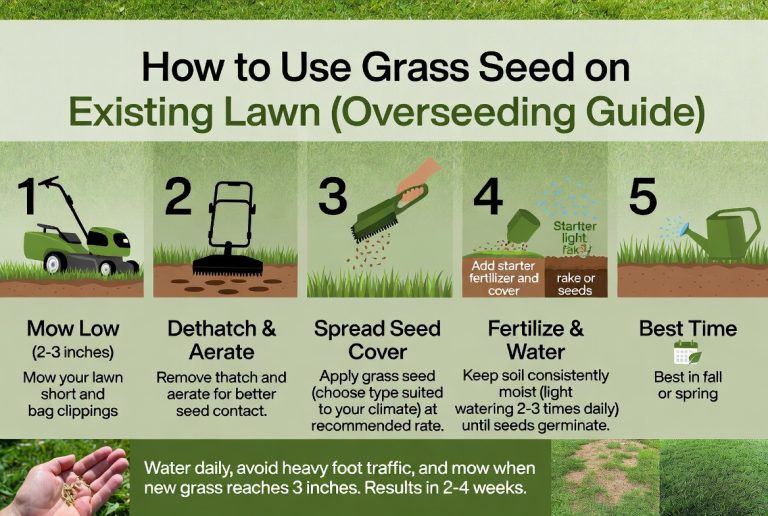
Mow your lawn short – Keep your grass cut to about two inches. Tall grass provides shade for fleas. Short grass lets sunlight reach the soil and kills flea pupae. Plus, it’s much harder for fleas to find places to hide.
Pick up fallen branches and sticks – These create moist spots under them where fleas thrive. Remove them from your yard.
Clean out gutters and downspouts – Standing water attracts fleas. Clogged gutters create wet spots where fleas breed. Clean them regularly to keep water flowing away from your yard.
Remove clutter – Piles of wood, stone, or garbage give fleas shelter. Get rid of anything just sitting on the ground.
After cleanup, your yard will look better and be much less welcoming to fleas.
Step 3: Use Yard Treatments
Now it’s time to kill the fleas already living in your yard. You have several options, and most work best when combined with other methods.
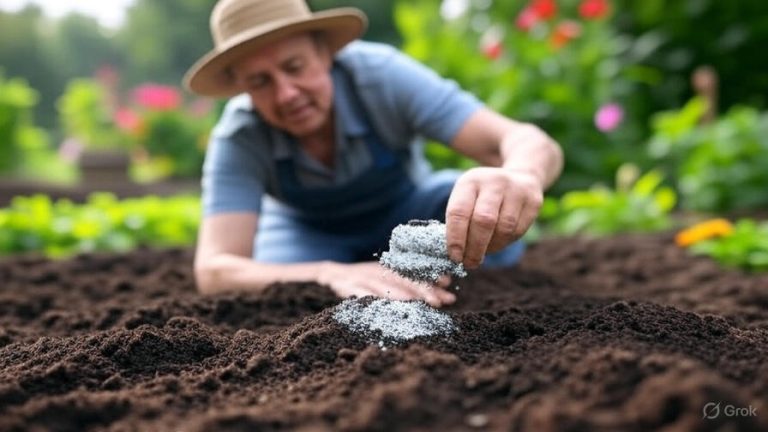
Diatomaceous earth for outdoor pest control
Food-grade diatomaceous earth is a powder that kills fleas naturally. It works by damaging the flea’s outer shell, causing it to dry out. You can safely use it around pets and children.
Spread diatomaceous earth in areas where your pets spend time. Focus on shady spots under bushes, around the porch, and in garden beds. Apply it after rain or water your yard lightly first. The powder needs to stick to the fleas, and moisture helps it stay in place.
Reapply every week or after rain. It takes time to work, but it’s safe and effective.
Nematodes for natural flea control
Beneficial nematodes are microscopic worms that eat flea larvae and pupae. They’re safe for plants, pets, and people. You can order them online or buy them at garden centers.
Mix the nematodes with water and spray them across your yard with a hose sprayer. They work best on damp soil, so water your yard first. Keep the soil moist for a few days so the nematodes can find their prey.
You’ll need to apply nematodes every few weeks because they don’t live forever. But they’re excellent for long-term flea control and won’t hurt anything.
Sprays and insecticides
If you want faster results, yard sprays kill fleas quickly. You can buy these at hardware stores or garden centers.
There are two main types:
Insecticide sprays – These kill fleas on contact. They work fast, sometimes within hours. Look for products containing permethrin or bifenthrin. Follow the directions exactly. Keep pets and kids off the treated area until it’s completely dry.
Growth regulator sprays – These interrupt the flea life cycle. They prevent eggs and larvae from becoming adult fleas. Growth regulators work slower than insecticides but keep working for weeks. You can often use them while your pets are playing outside.
Many people use both types together for the fastest results. The insecticide kills existing fleas while the growth regulator stops new ones from forming.
Flea dips for yards
Some products let you dip certain lawn areas to target infestations. These are stronger treatments for serious flea problems. Use them only in areas your pets don’t frequent until they dry completely.
Step 4: Treat Problem Areas with Extra Care
Some spots in your yard are flea magnets. These areas need special attention.
Under porches and decks – Fleas love hiding under these structures. If your porch has access underneath, treat that area. Spray or powder under the deck where pets like to rest. This is a favorite flea breeding ground.
Garden beds and flower areas – Fleas hide in soil and mulch. If you see fleas here, treat these beds carefully. You might need to replace the mulch with fresh material after spraying.
Areas where your pets rest – If your dog has a favorite spot to nap outside, that spot is probably full of fleas. Treat these areas first and most aggressively.
Near trees and bushes – After you trim back the vegetation, treat the ground underneath with spray or powder. Fleas had been protected there, and you need to make sure you get them all.
Step 5: Create a Flea Prevention Schedule
Once you’ve beaten the fleas, don’t let them come back. Prevention is the easiest approach.
Keep treating your pets
Never skip your pet’s flea prevention medication. This is your best defense against new infestations. If your pet gets fleas, everything starts over.
Groom your pets regularly
Bathe and brush your pets weekly. Use a flea comb to catch any fleas before they cause problems. This catches infestations early when they’re easiest to handle.
Keep your yard clean
Rake leaves regularly. Mow your grass. Remove debris. A clean yard is much less attractive to fleas and wildlife that carry them.
Watch for signs of fleas
Check your pets and yard for fleas regularly. Look for small jumping insects in your grass. Watch for excessive scratching on your pets. Early detection means easier treatment.
Treat your yard seasonally
Depending on where you live, fleas are worst during warm months. Apply preventive treatments before flea season starts. This stops infestations before they happen.
Control wildlife
Don’t leave food out that attracts wildlife. Use garbage cans with tight lids. Fix gaps under your porch. Keep stray cats and possums away from your yard if possible. Less wildlife means fewer fleas being brought to your property.
Common Mistakes People Make
Learning what not to do saves you time and money.
Only treating pets and skipping the yard – If you treat your pet but not your yard, fleas jump right back on. You must do both.
Giving up too soon – Flea control takes weeks, not days. Keep treating your yard for at least four weeks. The flea life cycle is long, and you need to catch fleas at every stage.
Not using consistent pet prevention – Skipping even one dose of flea medicine gives fleas a chance to come back. Stay consistent.
Ignoring wildlife – If raccoons and stray cats keep visiting your yard, they’ll keep bringing fleas. You have to reduce their visits.
Only treating one area – Fleas spread everywhere. If you only treat under your porch, they’ll come back from other parts of your yard. Treat your whole property.
Not following product directions – Each treatment has specific instructions. Follow them exactly. Using too little doesn’t work. Using too much wastes money and can be dangerous.
Safe Use of Flea Treatments
Safety matters when you’re using any type of pest control.
Read all labels – Know what you’re using before you open the bottle. Labels tell you how to use the product safely.
Keep pets and kids away – Most yard treatments need drying time before it’s safe for anyone to be there. Follow the waiting period on the label.
Wear protection – Use gloves, long pants, and a shirt when applying sprays. If you’re breathing in powder, wear a mask.
Don’t mix products – Never combine different flea treatments. Mixing can create dangerous combinations.
Store safely – Keep all treatments locked up, away from kids and pets. Store in cool, dry places.
Dispose properly – Don’t pour leftover treatments down the drain. Take empty bottles to hazardous waste collection sites in your area.
Consider natural options – If you have very young kids or pets with health issues, natural treatments like diatomaceous earth and nematodes might be better choices.
Natural and Organic Flea Control Methods
If you want to avoid chemicals, natural methods can work. They just take longer.
Cedar chips and cedar oil – Fleas dislike the smell of cedar. Spread cedar chips around your yard, especially under bushes. You can also spray cedar oil on problem areas. Reapply regularly.
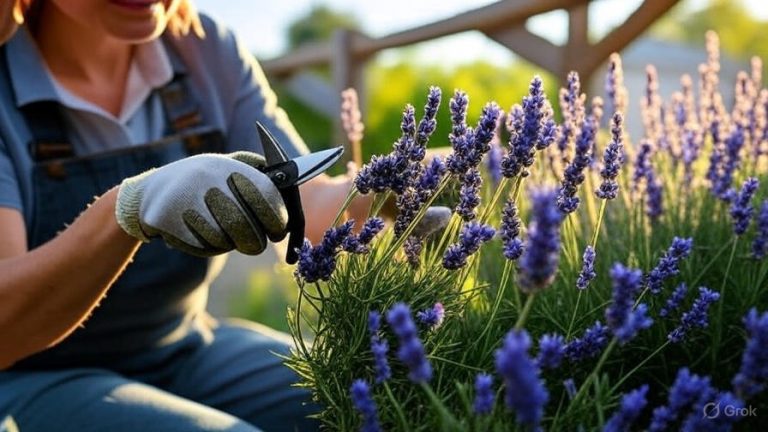
Lavender and other herbs – Some people plant lavender around their yard because fleas dislike it. While not proven to eliminate fleas completely, it might help along with other methods.
Diatomaceous earth – We mentioned this before, but it deserves repeating. It’s one of the best natural options and really works when used consistently.
Beneficial nematodes – These microscopic helpers eat flea larvae. They’re natural, safe, and effective.
Beneficial insects – Some wasps eat flea pupae. You can buy these online, but results vary.
Essential oils – Oils like peppermint and eucalyptus might repel fleas. However, some oils can hurt pets, so be very careful if you use them.
Natural methods work best when combined with pet treatment and yard maintenance. You can’t rely on just one approach.
When to Call a Professional
Sometimes you need professional help.
If the infestation is severe – A professional pest control company has stronger tools and more experience. They can treat your yard much more thoroughly.
If you have very young children or health concerns – A professional knows how to use chemicals safely around vulnerable people.
If your yard is very large – Professionals have equipment to treat big areas efficiently.
If DIY methods aren’t working – After four weeks of treatment and nothing’s improving, call a professional. They might spot something you missed.
Professional pest control companies usually guarantee their work. If fleas come back within a certain period, they’ll retreat your yard free.
The Timeline: How Long Does It Take?
Be patient. Flea control takes time.
Week one – Treat your pets and clean your yard. Start applying yard treatments. You won’t see dramatic changes yet.
Week two – Keep applying treatments. You might still see some fleas, but you’re breaking their cycle.
Week three and four – Most of the visible fleas should be gone. Keep treating because pupae are still in your soil and will hatch.
Weeks five through eight – Continue prevention treatments. Watch for any signs of fleas coming back.
After eight weeks – If you’ve been consistent, you should be flea-free. Now it’s all about prevention.
Some people see results faster. Others take longer. The flea’s life cycle is in charge of the timeline, not your schedule.
Dealing with Indoor Fleas While You Treat the Yard
Fleas didn’t just stop at your yard. They probably made it inside too.
Vacuum frequently – Vacuum your carpets, rugs, and furniture at least three times a week. Get into corners and under cushions. This catches flea eggs and larvae.
Wash pet bedding – Wash all your pet’s blankets and beds in hot water weekly.
Treat indoor areas – Use indoor flea sprays or diatomaceous earth inside your home, especially where your pets sleep. Some products are safe enough to use around kids and pets.
Professional home treatment – If your home is heavily infested, hire a professional to treat it. They have better tools than you do.
Follow through – It’s tempting to skip indoor treatment and focus on the yard. Don’t do this. Fleas will thrive inside and jump back on your pets.
After You’ve Won: Keeping Fleas Away Forever
Once you’ve beaten fleas, staying flea-free is all about habits.
Monthly pet treatment – This is non-negotiable. Pick a day each month and treat your pets. Mark it on your calendar. Set a phone reminder.
Regular yard maintenance – Keep mowing, raking, and cleaning. A clean yard is less attractive to fleas and the animals that bring them.
Regular pet grooming – Bathe and brush your pets weekly. This catches new flea problems before they get big.
Wildlife management – Keep trash cans sealed. Don’t leave pet food outside. Fix holes under your porch. These simple steps reduce visits from flea-carrying animals.
Watch for warning signs – If your pet starts scratching more than usual, check them immediately. Early action stops an infestation before it starts.
Consider professional prevention – Once a year, have a pest control company treat your yard as prevention. This is much cheaper than dealing with an infestation.
Final Thoughts: You’ve Got This
Fleas are annoying, but they’re not invincible. Thousands of people deal with flea infestations every year and come out on top. You can too.
The key is being consistent and attacking the problem from multiple angles. Treat your pets. Clean your yard. Apply treatments. Keep doing these things for several weeks. Then don’t let your guard down.
Your pets will be happier without itching and scratching. Your yard will look better. Your home will be more comfortable. The effort you put in now pays off for months or even years of being flea-free.
Start today. Treat your pets tomorrow. Take action on your yard this weekend. In a few weeks, you’ll be amazed at the difference. Those jumpy little pests won’t stand a chance against your plan.
Stay patient. Stay consistent. You’ve got this.

Hi, I’m Mary, the founder of GardenCure.com. I’m passionate about creating healthy, beautiful gardens and well-kept lawns. I share practical experience and trusted advice on garden and lawn gear that truly works. With the support of my dedicated research team, our writers produce honest, in-depth reviews using reliable, authentic sources—helping you choose the right tools with confidence for your outdoor space.