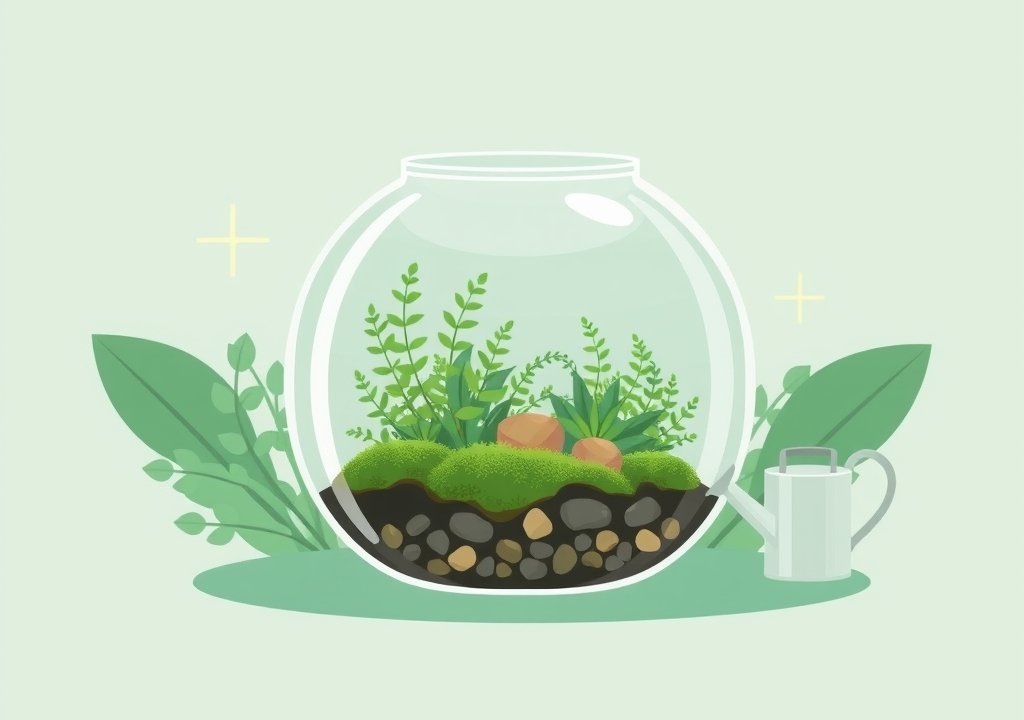
How To Make A Terrarium
This guide explains how to make a terrarium step by step, even if you have never grown a plant before. A terrarium is a glass container that holds small plants and creates its own mini ecosystem. Some are fully sealed, while others stay open at the top. You will learn what goes inside, how to layer materials, and how to care for your finished display.
In this article
You do not need special skills or expensive tools to start. Most beginners need a clear container, a few basic materials and plants that suit the conditions. By the end, you will know how to build a terrarium that stays healthy and looks good on a shelf or desk.
Key Takeaways
- A terrarium is a glass container with small plants, soil and drainage layers.
- Pick plants that match your container, light and humidity.
- Layer drainage, charcoal, soil and plants in the right order.
- Water lightly and keep the lid and light levels in balance.
- Most problems come from overwatering, so start with less moisture.
What Is a Terrarium and How Does It Work?
A terrarium is a small garden kept inside glass. The plants, soil and air form a self-contained system. Light passes through the glass, and the plants use it to grow. This gives the display a natural rhythm that needs little daily attention.
Open and Closed Terrarium Explained
A closed terrarium has a lid that traps moisture inside. An open terrarium has no lid, so air moves freely. Closed styles suit humidity-loving plants like ferns and mosses. Open styles suit succulents and cacti, which prefer drier air.
How Moisture Cycles Inside a Glass Container
Water evaporates from the soil and leaves, then condenses on the glass. The droplets run back down to the soil. This cycle is why closed terrariums can go weeks without watering. Seeing a light mist on the glass is usually a sign of healthy balance.
Gathering Materials and Picking a Container
Good preparation makes the build much easier. Gather your container and supplies before you start. Then pick plants that fit the space. Taking time at this stage prevents most later problems.
Picking the Right Glass Container
Use a clear glass container with a wide opening. Wide openings make it easier to place soil and plants without damaging leaves. Glass jars, bowls and fish tanks are common options. A lid is needed only if you want a closed terrarium.
Essential Supplies for Beginners
Most builds need a few basic items. These include gravel or small stones for drainage, activated charcoal, potting mix, and a small spoon or stick for arranging. Long tweezers help with tight spaces. Keep a spray bottle nearby for light watering.
Picking Plants for Terrarium Care
Pick plants that share the same needs. Ferns, fittonia and small mosses like humidity. Succulents and air plants prefer dry conditions and should go in open containers. Mixing these groups in one jar usually leads to rot or dryness. Check each plant label for light and moisture needs.
Step-by-Step Guide to Building a Terrarium
Build the terrarium in layers from bottom to top. Work slowly and keep the glass clean as you go. Use a funnel or folded paper to guide materials down the sides. This keeps the walls tidy.
Adding a Drainage Layer and Activated Charcoal
Start with a layer of gravel or small stones at the bottom. This layer gives excess water somewhere to sit below the roots. Add a thin layer of activated charcoal on top. Charcoal can help limit odors and slow the growth of some microbes.
Filling the Container with Potting Soil
Add a layer of potting mix on top of the charcoal. Use a light, well-draining mix, and add some perlite or sand for airflow. Avoid garden soil, since it can carry pests and compact too much. Press the soil lightly so it holds its shape without becoming dense.
A depth of a few centimeters is usually enough for small plants.
Planting and Arranging Your Plants
Make small holes in the soil for each plant. Gently loosen the roots before you place them. Set the plants at the same depth they grew in their original pots.
Leave some space between them so leaves do not crowd each other.
Adding Decorative Elements Like Moss and Stones
Moss, pebbles and small pieces of bark add visual interest. Place them after the plants are set, so they do not block the roots. Use only materials that are clean and free of pests. Decorative items work best when they sit low and do not cover the plant bases.
Watering and Caring for Your Terrarium
Care for a terrarium is mostly about balance. The goal is to keep the soil slightly damp, not soggy. Check the container often, especially in the first few weeks. Small adjustments make a big difference.
How Often to Water a Closed Terrarium
Water a closed terrarium only when the soil feels dry near the surface. Add water slowly with a small spray bottle or pipette. Closed systems often need watering only every few weeks. Too much water is a more common problem than too little.
Light Requirements for Healthy Growth
Most terrarium plants need bright, indirect light. Direct sun through glass can overheat the container quickly. A spot near a bright window or under a grow light usually works well. Rotate the container now and then so all sides of the plants receive light.
Ventilation and Lid Management
Open the lid of a closed terrarium once or twice a week. This lets fresh air in and helps prevent mold. If heavy condensation forms, leave the lid open for a few hours. Adjust the schedule based on how wet the inside looks.
Common Mistakes and How to Fix Them
Most beginners run into a few predictable problems. The good news is that most are easy to correct. Watching the plants closely is the best early warning system.
Why Plants Rot or Turn Yellow
Rot often comes from overwatering or poor drainage. Yellow leaves can signal too much moisture or too little light. Remove dead or rotting leaves promptly to stop spread. Then reduce watering and check the light level.
Dealing with Mold and Condensation
Some mold on soil is normal, but heavy growth is a sign of stale air. Open the lid for longer and remove any affected material. Wipe heavy condensation off the glass with a dry cloth. Small changes to airflow usually solve the problem.
Terrarium Ideas for Different Spaces
Terrariums suit many settings. The right size and style depend on where the display will sit. Pick a design that fits the room and the amount of light it gets.
Desktop and Shelf Displays
Desk and shelf terrariums work well in bright rooms. Use a container that fits the space without blocking light from nearby windows. Simple designs with one or two plant types are easy to maintain.
Small Gift Terrariums
Small terrariums make thoughtful gifts for plant lovers. A compact jar with easy plants like mosses or ferns suits beginners. Include simple care notes so the recipient knows how to water and place it.
Frequently Asked Questions
Can I Make a Terrarium Without Drainage Layers?
You can, but excess water will collect at the bottom and can rot roots. A drainage layer of gravel or small stones helps keep soil above the wet zone. Many beginners still skip it successfully when they water very lightly.
How Long Does a Homemade Terrarium Last?
A well-built closed terrarium can thrive for several years with minimal care. Open terrariums often need more frequent attention and may last a shorter time. Regular checks for growth and moisture help extend its life.
Do Terrarium Plants Need Sunlight?
Most terrarium plants need bright, indirect light rather than harsh direct sun. Direct sun through glass can overheat the container quickly. Placing it near a bright window or under a grow light usually works well.
What Is the Best Soil for a Terrarium?
A light, well-draining potting mix works best for most terrarium plants. Mixing in some perlite or sand improves airflow and drainage. Avoid garden soil, which can carry pests and compact too much.
How Often Should I Open the Lid?
For a closed terrarium, opening the lid once or twice a week lets fresh air in and prevents mold. Remove condensation with a cloth if moisture builds up heavily on the glass. Adjust the schedule based on how wet the inside looks.
Conclusion
A terrarium is a simple, rewarding project when you follow a clear plan. Build it in layers, pick plants that suit your conditions, and water lightly. Watch for signs of excess moisture, and your small ecosystem can thrive for a long time.
Hi, I’m Mary, the founder of GardenCure.com. I’m passionate about creating healthy, beautiful gardens and well-kept lawns. I share practical experience and trusted advice on garden and lawn gear that truly works. With the support of my dedicated research team, our writers produce honest, in-depth reviews using reliable, authentic sources—helping you choose the right tools with confidence for your outdoor space.