How To Care For Asparagus
Asparagus is a long-lived vegetable that rewards patience. Once established, a bed can produce tender spears for decades. This guide explains how to care for asparagus from the start, so beginners know what to do at each stage of the plant’s life.
In this article
You will learn what asparagus needs to grow well, how to plant it, and how to water, feed and weed it. The guide also covers harvesting, common pests, a seasonal care routine and how to grow asparagus in pots or raised beds.
Key Takeaways
- Asparagus needs full sun, loose soil with good drainage, and a bed kept free of weeds.
- It is a perennial, so the planting site should be chosen with many years of growth in mind.
- Water deeply during dry spells, feed in spring, and mulch to hold moisture.
- Harvest lightly in the first years and stop cutting to let plants build strength.
- Cut back ferns in autumn and watch for beetles, rust and yellowing fronds.
What Asparagus Needs to Grow Well
Sunlight, Soil and Drainage Basics
Asparagus grows best in full sun, which means at least six to eight hours of direct light each day. Shade slows growth and produces weaker spears. Choose a spot that gets light for most of the day.
The soil should be loose, fertile and well drained. Heavy clay that holds water can cause the roots and crowns to rot. Sandy or loamy soil that lets extra water drain away usually works well. Adding compost before planting improves both texture and fertility.
Why Asparagus Is a Perennial Plant
A perennial is a plant that lives for many years and returns each season without replanting. Asparagus is a perennial, so the roots and crown stay in the ground and send up new spears every spring. This is why the bed is a long-term investment.
Because the plant stays in one place, fixing problems early matters. Weeds, poor drainage or soil that is too thin will affect the bed for years. Good preparation at the start saves work later.
Climate and Temperature Needs
Asparagus is a cool-season crop that is hardy in many climates. The crowns can survive cold winters because they go dormant during the cold months. Spears grow best when days are mild and nights are cool.
Very hot, humid summers can encourage disease, and very cold regions may need extra mulch for protection. In practice, local advice from a garden center or extension service helps identify the best variety for a given climate.
Planting Asparagus Crowns or Seeds
Crowns Versus Seeds for Beginners
Asparagus can be started from seed or from crowns. A crown is a one-year-old root clump with buds, sold as a bare-root plant. Crowns give a faster start, so most beginners choose them.
Seeds take longer and need more care as seedlings develop. They are a good choice for patient gardeners who want to try many varieties. Crowns are generally the easier route for a first bed.
Preparing the Planting Bed
Start by clearing the bed of weeds and large stones. Dig the soil deeply so the roots have room to spread. Mix in compost to improve structure and nutrients.
Some growers dig a trench rather than a flat bed. A trench lets the crowns sit low and then fill in over time. Either method works if the soil is loose and well drained.
Planting Depth and Spacing
Set each crown in a shallow trench with the roots spread out over a small mound of soil at the bottom. Cover them lightly, leaving the crown about five to eight centimeters below the soil surface. Fill in gradually as the spears grow.
Leave ample space between plants so each has room to spread. Rows spaced about one meter apart give the plants room and make weeding and harvesting easier. Check the spacing guid of the seed packet or plant label, since recommendations vary by variety.
Keep the crowns watered during the first season so the roots settle in.
Watering and Feeding Your Asparagus Plants
How Often to Water Asparagus
Asparagus needs steady moisture, especially during spear production and the first growing season. Water deeply rather than lightly, so the moisture reaches the roots.
A deep soak once or twice a week is usually better than frequent shallow sprinkles.
Check the soil before watering. If the top few centimeters feel dry, it is time to water. Avoid soggy soil, because standing water invites rot.
Fertilizer and Compost for Healthy Spears
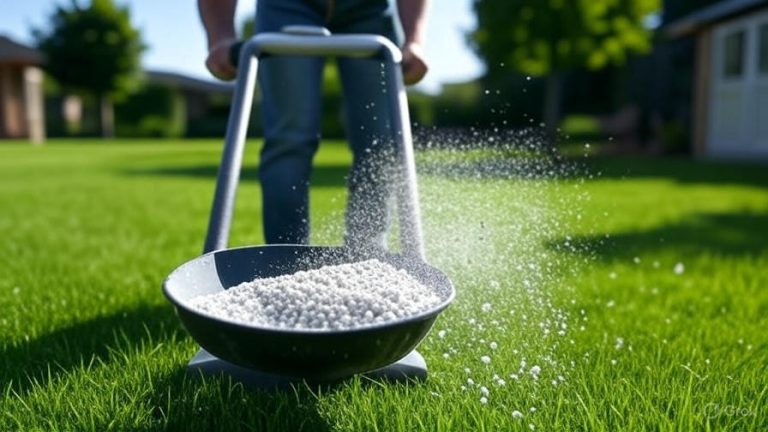
Asparagus is a heavy feeder over its long life. A balanced fertilizer or a layer of compost in early spring supports strong spear growth. Follow the label directions, since too much fertilizer can burn roots.
After the harvest ends, feeding helps the plant store energy for. Compost spread around the base each year is a simple and gentle option.
Mulching to Retain Moisture and Block Weeds
Mulch is a layer of material spread over the soil surface. A layer of straw, shredded leaves or bark helps the soil hold moisture and keeps the temperature more even. It also blocks light, which slows weed growth.
Keep mulch a short distance away from the crowns to reduce rot. Refresh the layer when it breaks down, usually once a year.
Weeding, Pruning and Routine Maintenance
Keeping Weeds Under Control
Weeds compete with asparagus for light, water and nutrients. Because young plants have small root systems, weeds can slow them down quickly. Pull weeds by hand when possible, taking care not to disturb the crowns.
Hoeing shallowly between rows also works well. Dig carefully near the plants, since the roots sit close to the surface.
Cutting Back Ferns in Autumn
Once the ferny foliage turns yellow or brown in autumn, cut it back to ground level. Removing old growth helps reduce the places where pests and disease can overwinter. Dispose of the cuttings rather than leaving them in the bed.
Removing Dead or Damaged Growth
Throughout the season, remove any broken, diseased or dead stems. Clean cuts with sharp tools help prevent infection. Good hygiene keeps the bed healthier over time.
Harvesting Asparagus Without Harming the Plant
When the Harvest Season Begins
Asparagus is usually not harvested in the first year after planting. The crowns need time to build strength. In the second year, a light harvest of a few weeks is typical, with a longer season once the bed is mature.
Spears are ready when they are about the thickness of a pencil and around 15 to 20 centimeters tall. Harvest them while the tips are still tightly closed.
How to Cut Spears Correctly
Cut or snap each spear just below the soil surface using a sharp knife. Work every two or three days during peak growth. Avoid cutting spears that are too thin, since they add little to the plant’s energy stores.
Stopping Harvest to Let Plants Recover
Stop cutting when spears become thin and the plant starts to produce many small stems. Letting the ferns grow allows the plant to refill its roots with energy. This rest period protects the bed for the following year.
Common Pests, Diseases and Problems
Asparagus Beetles and Other Pests
Asparagus beetles are the most common pest. Adults and larvae feed on spears and ferns. Check plants regularly and remove beetles and eggs by hand, or use approved controls when needed.
Rust and Fungal Diseases
Rust shows as orange or brown spots on the stems and ferns. Good drainage, air circulation and removing infected growth help limit its spread. Picking rust-tolerant varieties can also reduce problems.
Yellowing Yellowing fronds can signal a range of issues, including nutrient shortage, poor drainage or disease. Check the soil moisture and the bed’s drainage first. If the plant still looks weak, a soil test through a local extension service can show what is missing.Seasonal Care Calendar for Asparagus
A simple calendar makes care easier to follow. The tasks below change with the seasons, so beginners can plan ahead and avoid missing key steps.
Spring Care Tasks
In spring, clear old debris and weed the bed before spears emerge. Apply compost or fertilizer and refresh the mulch. Begin harvesting only when the bed is mature enough.
Summer and Autumn Care Tasks
Summer care focuses on steady watering and weed control. Keep an eye out for beetles and rust. In autumn, let the ferns grow until they yellow, then cut them back.
Winter Preparation
Winter preparation is mostly about leaving the crowns undisturbed. Add a light layer of mulch in cold regions to protect the roots. Plan’s tasks while the bed rests.
Container Growing Versus Garden Beds
Asparagus can grow in pots or raised beds, but each option has trade-offs. Garden beds offer more room and deeper soil, while containers suit small spaces. The choice depends on space, soil and long-term plans.
Growing Asparagus in Pots
Pots need to be large and deep so the roots can spread. Good drainage holes are essential to prevent rot. Containers dry out faster, so check moisture often and water as needed.
Growing Asparagus in Raised Beds
Raised beds warm up quickly in spring and drain well. They also let gardeners control the soil mix from the start. Keep the bed deep enough for the crowns and roots to develop.
Frequently Asked Questions
How long does it take for asparagus to produce a first harvest?
Most plants need about two to three years before a first light harvest. Planting crowns rather than seeds usually shortens the wait. Patience in the early years leads to a stronger bed later.
Can I grow asparagus from seed?
Yes, asparagus can be grown from seed, though it takes longer than starting with crowns. Seedlings need careful care while they establish. Many beginners find crowns easier for a first bed.
How long does an asparagus bed keep producing?
A well-maintained bed can produce for many years, often decades. Good watering, feeding and rest periods during harvest help it last. Neglect and poor drainage shorten its productive life.
Is asparagus safe for pets to eat?
Asparagus is generally considered non-toxic to dogs and cats, though some pets may have stomach upset if they eat a lot. Ferns and berries should be kept out of reach. If a pet shows symptoms, contact a veterinarian for advice.
Why are my asparagus spears thin?
Thin spears often result from young or overcrowded crowns, too little sun, or harvesting too early. Poor feeding and weeds can also weaken growth. Improving these conditions usually helps spear size over time.
Conclusion
Caring for asparagus is mostly about giving a long-lived plant the right start and steady support. Full sun, well-drained soil, regular watering and feeding, and good weed control form the foundation. Harvest lightly, rest the plants, and keep an eye out for pests and disease. With patience, a bed can reward a gardener for many years.

Hi, I’m Mary, the founder of GardenCure.com. I’m passionate about creating healthy, beautiful gardens and well-kept lawns. I share practical experience and trusted advice on garden and lawn gear that truly works. With the support of my dedicated research team, our writers produce honest, in-depth reviews using reliable, authentic sources—helping you choose the right tools with confidence for your outdoor space.