How to Get Rid of Slugs in Garden?
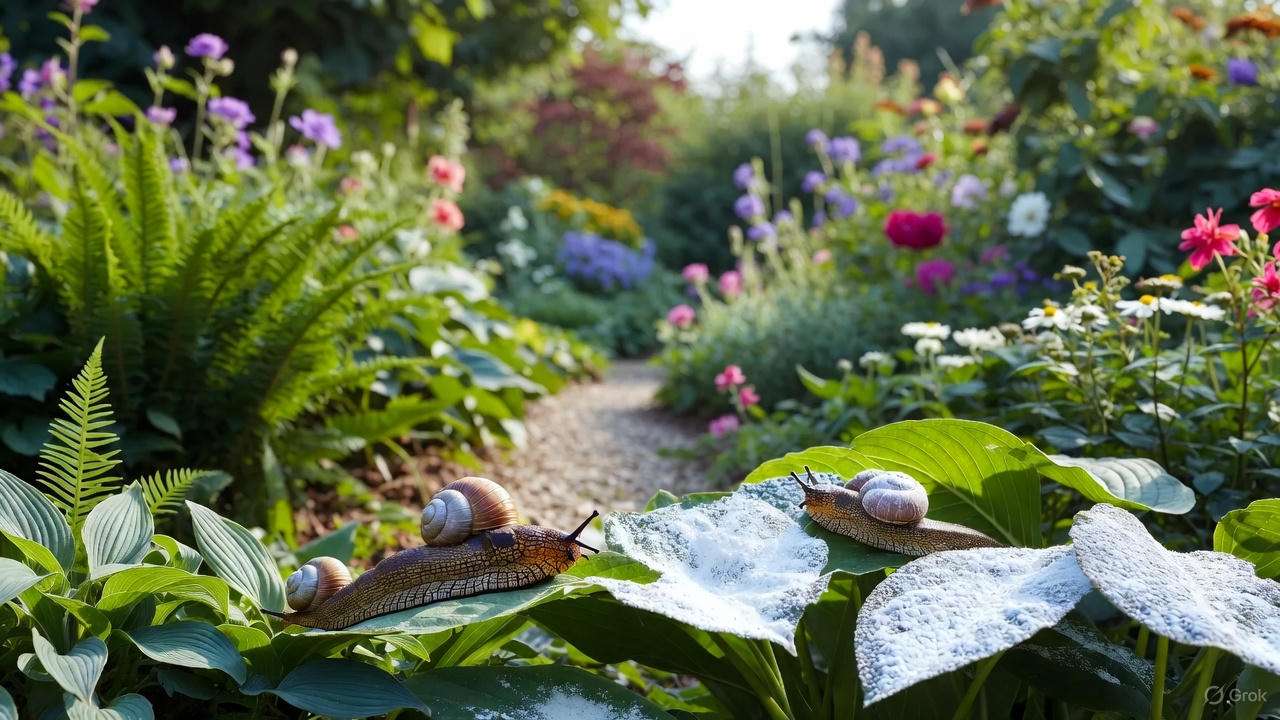
You step outside to check your vegetable garden, and your heart sinks. The lettuce leaves look like someone attacked them with a hole punch. Your hostas have ragged edges. Shiny slime trails cover everything. Slugs have invaded, and they’re eating your plants faster than you can grow them.
In this article
These slimy garden pests cause serious damage. A single slug can munch through entire seedlings overnight. They hide during the day and come out when you’re asleep, feasting on your hard work. The good news? You can win this battle. I’ll show you exactly how to remove slugs from your garden and keep them gone for good.
Why Slugs Love Your Garden
Slugs need moisture to survive. Their bodies are mostly water, and they dry out quickly in the sun. Your garden offers everything they want: damp soil, shade from plant leaves, and an all-you-can-eat buffet of tender greens.
These mollusks thrive in cool, wet conditions. Spring and fall become their peak seasons. After rain, they emerge in huge numbers. One night of slug feeding can destroy weeks of growing progress.
Female slugs lay up to 500 eggs per year. They hide these eggs in moist soil, under rocks, and in garden debris. Each tiny egg turns into another plant-eating machine. This explains why slug problems seem to explode overnight.
Signs You Have a Slug Problem
Check your plants early in the morning. Slugs leave behind telltale clues:
Irregular holes in leaves – Unlike caterpillars that eat from the edges, slugs create random holes throughout the leaf. Young seedlings often disappear completely.
Silvery slime trails – These mucus tracks shine in the light. You’ll spot them on leaves, soil, and pots. The trails prove slugs visited during the night.
Damaged fruit – Strawberries, tomatoes, and other low-growing fruits show gouged areas. Slugs love sweet, ripe produce.
Seedling destruction – New transplants vanish overnight. You planted ten lettuce seedlings, but only three remain by morning.
Ragged leaf edges – Hostas, cabbage, and other broadleaf plants develop torn, irregular margins.
Turn over pots, boards, or stones during the day. Slugs cluster underneath, hiding from the sun. This simple check confirms your pest problem.
Beer Traps That Actually Work
Beer traps catch slugs effectively. The yeast smell attracts them from several feet away. Here’s how to set up proper beer traps:
Bury shallow containers so the rim sits level with the soil. Cottage cheese containers, tuna cans, or purpose-made slug traps all work well. Fill each trap halfway with cheap beer. The brand doesn’t matter – slugs aren’t picky drinkers.
Space traps every three to four feet throughout your garden beds. Slugs can smell beer from quite a distance, so you don’t need traps everywhere.
Check traps each morning. You’ll find drowned slugs floating in the beer. Dump the contents on your compost pile (slugs make decent compost), rinse the container, and refill with fresh beer.
Beer traps work best during peak slug season. In dry weather, they catch fewer pests. Combine beer traps with other control methods for maximum results.
One warning: beer traps also attract slugs from outside your garden. Place them away from your most valuable plants. Let the traps intercept slugs before they reach your prized tomatoes.
Copper Barriers Stop Slugs Dead
Copper creates a mild electrical charge when slug slime touches it. This charge feels unpleasant to slugs – like a tiny electric fence. They refuse to cross copper barriers.
Buy copper tape at garden centers or online. The tape comes in rolls with adhesive backing. Wrap copper tape around raised bed edges, pots, and plant stems. Make sure the copper forms a complete ring with no gaps.
Clean the copper monthly. Dirt and oxidation reduce its effectiveness. A quick wipe with a damp cloth restores the barrier.
Copper mesh works well for larger areas. Lay copper mesh around individual plants or create borders around garden sections. The mesh lasts for years and doesn’t degrade like chemical controls.
Some gardeners swear by copper wire. String copper wire around garden beds at slug height – about two inches above the soil. This creates an aerial barrier that works surprisingly well.
The downside? Copper costs more than other control methods. Budget for this expense if you want permanent, chemical-free slug protection.
Diatomaceous Earth Creates a Deadly Obstacle Course
Food-grade diatomaceous earth (DE) consists of fossilized algae skeletons. Under a microscope, DE looks like broken glass. These sharp edges cut through slug slime and scratch their soft bodies. Slugs dehydrate and die when they cross DE barriers.
Sprinkle a two-inch-wide band of DE around plants you want to protect. Create circles around individual plants or borders around entire beds. Use food-grade DE only – pool-grade DE contains chemicals that harm gardens.
Reapply after rain or heavy watering. Water washes away DE and reduces its effectiveness. Store your DE in a dry place to maintain its killing power.
Wear a dust mask when applying DE. The fine powder irritates lungs if you breathe too much. Once settled on the ground, DE poses no breathing risk.
DE kills other soft-bodied pests too. You’ll notice fewer earwigs, snails, and even some beetle larvae. This makes DE a multi-purpose pest control tool.
One drawback: DE also harms beneficial insects. Apply DE only where slugs cause problems. Avoid spreading it throughout your entire garden.
Hand Picking Works Better Than You Think
Hand picking seems tedious, but it controls slugs effectively. You remove the exact pests eating your plants with zero impact on beneficial insects.
Go slug hunting at night or early morning. Bring a flashlight and a container of soapy water. Slugs can’t survive in soapy water – they die within minutes.
Check under leaves, around plant bases, and beneath any garden objects. Slugs hide in predictable spots. You’ll quickly learn where they congregate in your garden.
Pick up each slug and drop it into your soapy water bucket. Don’t worry – slugs don’t bite or sting. They just feel slimy.
Set out slug traps during the day. Lay boards, overturned pots, or grapefruit halves in your garden. Slugs gather underneath for shelter. Flip these traps over each morning and collect your catch.
Kids often enjoy slug hunting. Turn it into a game: who can collect the most slugs? Offer a small reward for the biggest haul. This makes garden maintenance fun while teaching children about pest management.
Natural Predators Provide Free Pest Control
Many animals eat slugs. Invite these predators into your garden, and they’ll control slug populations for you.
Ground beetles hunt slugs at night. These shiny black beetles eat slug eggs, baby slugs, and adult slugs. Provide hiding spots like mulch, stones, or logs. Ground beetles need cover during the day.
Toads consume dozens of slugs nightly. Create toad habitats by placing broken clay pots on their sides. Toads shelter inside during the day and emerge at night to hunt. Keep a shallow water dish available – toads need moisture.
Birds love slugs. Robins, thrushes, and blackbirds all feast on these pests. Install bird feeders and bird baths to attract more birds. The birds you feed in winter will patrol your garden for slugs in summer.
Ducks are slug-eating machines. If you have space, a few ducks will clear your garden of slugs quickly. They waddle through beds eating every slug in sight. Just keep ducks away from tender seedlings – they’ll eat those too.
Hedgehogs hunt slugs at night in European gardens. American gardeners can’t access hedgehogs easily, but the principle remains: nocturnal predators control nocturnal pests.
Garter snakes eat slugs along with other pests. Many gardeners fear snakes unnecessarily. Garter snakes are harmless to humans and excellent pest controllers.
Create a predator-friendly garden. Reduce pesticide use – chemicals kill beneficial predators along with pests. Provide diverse habitats. A garden with mulch, stones, water features, and varied plants attracts more helpful wildlife.
Plants That Slugs Hate
Slugs avoid certain plants. Fill your garden with slug-resistant varieties, and you’ll have fewer slug problems.
Herbs with strong scents repel slugs. Rosemary, sage, thyme, and lavender all work well. Plant these herbs as borders around vulnerable crops. The strong oils in herb foliage taste terrible to slugs.
Ferns have tough, leathery leaves that slugs dislike. Use ferns as groundcover or border plants. They create a barrier that slugs prefer not to cross.
Plants with fuzzy leaves frustrate slugs. Lamb’s ear, some varieties of sage, and borage all have hairy foliage. The fuzz irritates slug bodies and interferes with their movement.
Strongly scented flowers like geraniums, bee balm, and catmint deter slugs. The aromatic oils make these plants unpalatable.
Grasses and ornamental grasses rarely suffer slug damage. Their tough leaf structure doesn’t appeal to slug appetites.
Spring bulbs like daffodils, alliums, and snowdrops contain compounds that taste bad to slugs. Plant bulbs near vulnerable perennials for natural protection.
Create companion planting schemes. Surround slug favorites like hostas with rosemary, lavender, or ferns. This reduces slug access to your vulnerable plants.
Egg Shells and Coffee Grounds: Do They Work?
Many gardeners crush eggshells around plants, hoping the sharp edges will cut slugs. The theory sounds good, but reality disappoints. Slugs easily cross eggshell barriers. The shells aren’t sharp enough to penetrate slug slime. Save your eggshells for compost – they add calcium but don’t stop slugs.
Coffee grounds show more promise. Caffeine is toxic to slugs in high concentrations. Sprinkle used coffee grounds around plants as a mild deterrent. The rough texture and caffeine content make slugs less likely to cross.
Don’t expect miracles from coffee grounds. They work as a mild discouragement, not an impenetrable barrier. Heavy rain washes grounds away quickly. You’ll need to reapply often.
Some research shows a strong coffee spray (double-strength brewed coffee) kills slugs on contact. Spray this directly on slugs for immediate results. The spray doesn’t prevent future slug visits – it only kills slugs you hit directly.
Both eggshells and coffee grounds improve soil as they decompose. Use them for their soil benefits, not as primary slug controls. Combine them with more effective methods for better results.
Create Dry Zones Slugs Won’t Cross
Slugs need moisture constantly. They dehydrate in dry conditions. Create dry barriers, and slugs will avoid those areas.
Remove mulch from plant bases. Mulch holds moisture – exactly what slugs want. Pull organic mulch back six inches from plant stems. This creates a dry moat that slugs dislike crossing.
Water in the morning instead of evening. Morning watering gives soil time to dry out by nightfall. Evening watering creates the perfect moist conditions for nighttime slug activity.
Improve drainage in wet garden areas. Slugs gather wherever water accumulates. Add compost to heavy clay soil. Install drainage tiles in chronically wet spots. Raised beds drain better than in-ground gardens.
Space plants properly. Crowded plants create humid microclimates underneath their canopy. Good air circulation dries soil faster and makes your garden less slug-friendly.
Remove debris piles. Old boards, pots, and garden waste create moist hiding spots. Clean up these slug hotels. Store pots upside down so water doesn’t collect inside.
Cut back dense groundcovers. Ivy, vinca, and similar plants create perpetually moist conditions. Thin these plantings to allow more air and sun to reach the soil.
Nematodes Provide Biological Control
Beneficial nematodes are microscopic worms that parasitize slugs. You buy them as a powder or on a sponge, mix them with water, and apply the solution to your soil.
These nematodes enter slug bodies and release bacteria. The bacteria kill slugs within a few days. The nematodes reproduce inside dead slugs, creating more nematodes that hunt more slugs.
Buy nematodes from garden suppliers or online. The species Phasmarhabditis hermaphrodita specifically targets slugs. Apply nematodes in spring and fall when soil temperature stays between 40-70°F.
Follow package directions carefully. Nematodes need moist soil to survive and move. Water your garden before and after application. Apply nematodes on overcast days or in the evening – direct sunlight kills them.
Nematodes live in soil for about six weeks per application. They provide ongoing slug control during this period. Reapply every six weeks during slug season for continuous protection.
This biological control doesn’t harm plants, pets, or beneficial insects. Nematodes only attack slugs and a few other pests. They’re completely safe for organic gardens.
The downside? Nematodes cost more than most slug controls. They also require proper storage and quick use – you can’t store nematodes indefinitely. Order them when you’re ready to apply immediately.
Iron Phosphate Baits: The Safe Chemical Option
Iron phosphate slug baits (sold as Sluggo and similar brands) offer chemical control without the risks of older slug poisons. These baits break down into fertilizer after killing slugs.
Iron phosphate disrupts slug digestion. Slugs stop eating immediately after consuming the bait. They crawl away to die in hiding spots. You won’t see piles of dead slugs – they simply disappear.
Scatter bait pellets around plants following package directions. One teaspoon per square yard covers most situations. Reapply after heavy rain or every two weeks during wet weather.
Iron phosphate is safe around pets, children, and wildlife. Unlike older metaldehyde baits that poison dogs and cats, iron phosphate causes no harm to mammals. Birds and beneficial insects aren’t affected either.
The bait works in all weather conditions. Rain doesn’t reduce its effectiveness significantly. Slugs remain attracted to the pellets even when they’re wet.
Organic gardeners can use iron phosphate products. Many brands carry organic certification. Check labels to confirm your specific product meets organic standards.
Even safe baits require responsible use. Apply only the recommended amount. More bait doesn’t kill more slugs – it just wastes money and adds unnecessary iron to your soil.
Build Physical Barriers That Last
Solid barriers stop slugs mechanically. They can’t climb over or through these obstacles.
Install copper mesh fencing around raised beds. Sink the mesh four inches into the soil and extend it four inches above ground. This blocks slugs approaching from any direction.
Create gravel or crushed stone pathways. Slugs dislike crossing rough, dry surfaces. A two-inch-wide gravel band around beds provides decent protection.
Use plastic or metal garden edging. Bend the edging outward at the top to create a lip. Slugs can’t climb over this overhang. They reach the lip, find they can’t grip it, and turn back.
Elevate pots and containers. Use pot feet or place containers on bricks. This creates an air gap between the ground and your plants. Slugs have trouble climbing the exposed pot sides.
Apply petroleum jelly to pot rims. Slugs can’t cross the slippery surface. Reapply petroleum jelly every few weeks as it degrades.
Wrap burlap soaked in salt water around tree trunks. This stops slugs from climbing fruit trees. Replace the burlap monthly as rain dilutes the salt.
Adjust Your Watering Schedule
Watering practices dramatically affect slug populations. Change how and when you water to make your garden less slug-friendly.
Switch from overhead sprinklers to drip irrigation. Drip systems deliver water directly to plant roots. The soil surface stays drier, creating less favorable slug habitat.
Water deeply but infrequently. This encourages deep root growth while allowing the soil surface to dry between waterings. Slugs prefer consistently moist conditions.
Time your watering for early morning. Plants absorb water during the day, and excess moisture evaporates. By nightfall, when slugs emerge, the soil surface has dried.
Evening watering creates perfect slug conditions. The soil stays wet all night while slugs feed. If you must water in the evening, use drip irrigation to keep foliage dry.
Reduce water in areas where slugs congregate. If you notice slug activity in specific beds, cut back watering there slightly. The drier conditions will encourage slugs to move elsewhere.
Install rain barrels and use collected water strategically. This gives you more control over when and where you water, helping you avoid creating slug-friendly conditions.
Seasonal Slug Control Strategies
Your slug control tactics should change with the seasons. Different times of year require different approaches.
Spring brings peak slug activity. Slugs emerge from winter hiding as temperatures warm. Start controls early before slugs can reproduce. Apply iron phosphate baits in early spring. Set out beer traps when you first notice slug damage. Use nematodes when soil temperature reaches 40°F.
Summer heat reduces slug activity in most regions. Slugs hide during hot, dry weather. Maintain dry zones around plants. Continue hand-picking during morning garden checks. Focus on the coolest, moistest areas where slugs retreat.
Fall sees another surge in slug activity. Cooling temperatures and increased rainfall create ideal slug conditions. Ramp up all control methods. Remove garden debris where slugs overwinter. Fall cleanup significantly reduces next year’s slug population.
Winter slug control means prevention. Clean up thoroughly before winter. Remove all potential slug hiding spots. Turn over soil to expose slug eggs to freezing temperatures and predators. Apply mulch only after the ground freezes – this prevents creating cozy winter slug habitat.
Dealing With Slug Eggs
Killing adult slugs helps immediately, but destroying eggs prevents future generations. One missed cluster of eggs can hatch into hundreds of new slugs.
Slug eggs look like tiny clear or white pearls clustered together. Each egg measures about 1/8 inch across. You’ll find them in soil, under rocks, in compost piles, and beneath plant debris.
Turn your soil regularly. This exposes eggs to air, sun, and predators. Ground beetles and birds eat slug eggs readily. Disturbing the soil repeatedly prevents eggs from developing.
Check under boards, pots, and stones during spring and fall. These protected spots make prime egg-laying sites. When you find egg clusters, crush them or feed them to chickens.
Add your compost carefully. Slug eggs in compost can introduce new slugs to your garden. Turn compost piles frequently to disrupt eggs. Hot composting kills slug eggs – piles that reach 130°F or higher will eliminate them.
Let soil dry out between waterings. Slug eggs need moisture to develop. Periods of dryness kill eggs before they hatch.
Why You’re Losing the Battle
Some gardens struggle with endless slug problems despite trying everything. A few key mistakes create these ongoing issues:
Leaving hiding places – Piles of pots, boards, or debris give slugs perfect daytime shelter. Clean up thoroughly.
Overcrowding plants – Dense plantings trap moisture and create slug-friendly microclimates. Space plants properly.
Over-mulching – Thick mulch layers hold moisture against the soil. Pull mulch back from plant stems.
Killing predators – Broad pesticide use eliminates the ground beetles, toads, and birds that eat slugs naturally.
Watering at night – Evening watering gives slugs perfect conditions. Switch to morning watering.
Giving up too soon – Slug control requires persistence. You’re working against hundreds of eggs already in your soil. Keep at it.
Using one method only – No single control works perfectly. Combine multiple tactics for the best results.
Ignoring neighbors’ gardens – Slugs travel from untreated areas into your garden. If possible, coordinate slug control with neighbors.
Create a Long-Term Slug Management Plan
Successful slug control requires an integrated approach. Combine several methods for lasting results:
Start with garden cleanup. Remove hiding spots and improve drainage. This makes your entire garden less hospitable to slugs.
Install permanent barriers like copper tape on raised beds and containers. These physical controls work year after year.
Introduce biological controls early. Apply nematodes in spring and attract natural predators with habitat improvements.
Use baits strategically in problem areas. Apply iron phosphate around your most vulnerable plants.
Practice smart watering. Morning watering and drip irrigation reduce the moisture slugs need.
Scout regularly. Check your garden every few days. Hand-pick slugs before populations explode.
Keep records. Note which methods work best in your garden. Track slug activity by season. This information helps you refine your approach year after year.
Stay persistent. Slug control is ongoing, not a one-time fix. Your efforts compound over time as you reduce slug populations and prevent new generations.
The Bottom Line
You can control slugs in your garden. Success requires understanding these pests and using multiple control methods together. Start with physical barriers and garden cleanup. Add traps, baits, or natural predators based on your situation. Stay consistent with your chosen methods.
Most gardens see dramatic improvement within one season of dedicated slug control. The second year brings even better results as you’ve broken the breeding cycle and reduced egg populations. Your plants will thrive without slug damage, and you’ll spend less time worrying about these slimy pests.
Take action today. Start with one or two methods that fit your gardening style. Build from there as you learn what works in your specific garden conditions. Your plants will thank you with healthy growth and abundant harvests.

Hi, I’m Mary, the founder of GardenCure.com. I’m passionate about creating healthy, beautiful gardens and well-kept lawns. I share practical experience and trusted advice on garden and lawn gear that truly works. With the support of my dedicated research team, our writers produce honest, in-depth reviews using reliable, authentic sources—helping you choose the right tools with confidence for your outdoor space.