
5 Best Container for Blueberry Bushes In 2026
Growing blueberries in containers opens doors for gardeners who dream of harvesting their own fresh berries but face challenges with limited space or unsuitable soil. The right container makes all the difference between struggling plants and a thriving berry harvest that fills your kitchen with sweet, plump fruits each season.
In this article
This guide takes you through the top containers specifically suited for blueberry cultivation, helping you make an informed decision based on your space, budget, and growing goals.
Why Container Matters for Blueberry Success
Blueberries demand specific growing conditions that traditional garden soil often can’t provide. These acid-loving plants need a soil pH between 4.5 and 5.5, which is challenging to achieve in ground. Containers give you complete control over the growing medium, allowing you to create the perfect acidic environment these berries crave.
The container size directly impacts root development and overall plant health. Mature blueberries need a container at least 24 inches deep and about 24-30 inches wide, though you can start smaller plants in more modest containers and repot as they grow. Blueberry roots spread wide rather than deep, typically extending three to four feet across when given room to expand.
Proper drainage stands as another critical factor. Blueberries hate wet feet, and they like to be moist, but not too wet. The ideal container allows excess water to flow freely while retaining enough moisture to keep roots hydrated during hot days.
Understanding Grow Bag Benefits for Blueberries
Fabric grow bags have revolutionized container gardening, and they work exceptionally well for blueberries. These breathable containers offer advantages that traditional plastic or ceramic pots simply can’t match.
The porous fabric naturally prunes roots through air exposure, preventing the circular root patterns that plague plastic pots. When roots reach the container edge, air exposure signals them to branch out rather than circle, creating a more robust and efficient root system.
Temperature regulation becomes easier with fabric bags. The breathable material keeps soil cooler during summer heat waves and provides some insulation during cooler periods. This temperature moderation helps blueberries thrive through varying seasons.
Drainage happens automatically through the fabric weave. You’ll never deal with waterlogged soil that leads to root rot, a common killer of containerized blueberries. The fabric allows water to pass through while maintaining proper moisture levels for healthy growth.
Top Container Options for Blueberry Bushes
1. VIVOSUN 5-Pack 30 Gallons Grow Bags Heavy Duty Thickened Nonwoven Fabric Pots with Strap Handles (Tan)
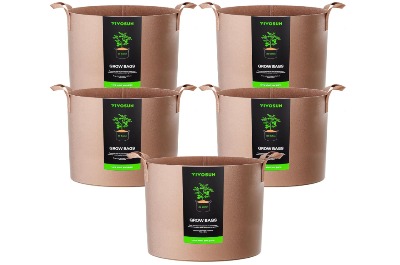
These oversized grow bags provide ample space for mature blueberry bushes to reach their full potential. The tan color reflects more sunlight than black alternatives, keeping root zones cooler during intense summer heat.
Product Specifications:
- Capacity: 30 gallons
- Dimensions: 23.8″ x 23.8″ x 15.9″
- Material: 300g thickened nonwoven polyester fabric
- Color: Tan
- Handle type: Reinforced strap handles with serger stitches
- BPA-free construction
Key Features:
The 300-gram thickened fabric stands upright when filled, making solo planting sessions manageable. You won’t need help wrestling with floppy bags while trying to add soil. The sturdy construction means these bags maintain their shape season after season.
The nonwoven fabric ensures pots do not retain excess water, allowing roots to breathe for healthier, more vigorous growth. This drainage characteristic proves essential for blueberries, which suffer quickly in soggy conditions.
The reinforced handles use serger stitches rather than simple fabric strips. This construction detail matters when you need to move a 30-gallon bag full of wet soil and a mature blueberry bush. The handles support the full weight without tearing or stretching.
The flat base design aids stability on decks, patios, or balconies. These bags won’t tip over easily, even when supporting tall, fruit-laden branches during peak harvest.
Pros:
- Generous 30-gallon capacity accommodates full-size blueberry varieties
- Tan color reduces soil temperature compared to black fabric
- Superior handle construction supports heavy loads
- Excellent drainage prevents root rot
- Reusable for multiple growing seasons
- Prevents root circling through air pruning
- Flat base provides stable positioning
- BPA-free materials ensure safe growing environment
Cons:
- Large size may overwhelm small patios or balconies
- Requires significant soil volume to fill (approximately 3.5 cubic feet)
- Tan fabric shows dirt and stains more readily than darker colors
- May dry out faster than plastic containers in extreme heat
- Initial cost higher than smaller alternatives
Best For: Gardeners growing full-size highbush or rabbiteye blueberry varieties with adequate space for larger containers. Ideal for those wanting maximum yield potential from mature plants.
2. VIVOSUN 5-Pack 15 Gallon Plant Grow Bags, Heavy Duty Thickened Nonwoven Fabric Pots with Handles
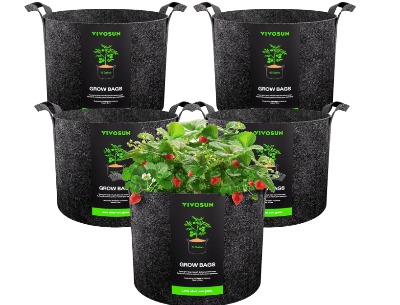
These mid-sized grow bags strike a balance between capacity and manageability, working beautifully for half-high blueberry varieties and dwarf cultivars that don’t need massive root space.
Product Specifications:
- Capacity: 15 gallons
- Dimensions: 19.9″ x 19.9″ x 11.9″
- Material: 300g thickened polyester nonwoven fabric
- Color: Black
- Handle type: Double-stitched reinforced handles
- BPA-free construction
Key Features:
The 15-gallon size provides sufficient room for most blueberry varieties while remaining easy to move around your growing space. These bags work perfectly for container gardeners who like repositioning plants to follow sunlight patterns throughout the season.
Black fabric absorbs heat, which can benefit blueberries in cooler climates by warming the root zone. However, in hot regions, you might need to provide afternoon shade or use reflective materials around the bags.
The moderate size makes these bags versatile. Start young plants here and let them mature, or use them as permanent homes for compact varieties that naturally stay smaller.
Pros:
- Versatile 15-gallon size suits most blueberry varieties
- Easier to move than larger 30-gallon options
- Excellent drainage through nonwoven fabric
- Double-stitched handles provide reliable support
- More affordable than larger capacity bags
- Black color available in most retailers
- Suitable for balconies and smaller patios
- Good option for multiple plants in limited space
Cons:
- May require repotting for full-size varieties after several seasons
- Black fabric can overheat roots in extremely hot climates
- Less soil volume means more frequent watering needed
- Smaller capacity limits yield potential for large varieties
- Height may restrict root development for some cultivars
Best For: Gardeners growing half-high or dwarf blueberry varieties, or those with limited space who want multiple plants. Perfect for testing container blueberry growing before committing to larger bags.
3. 12-Pack 30 Gallon Thickened Non-Woven Grow Bags, Aeration Fabric Pots with Handles (Black)
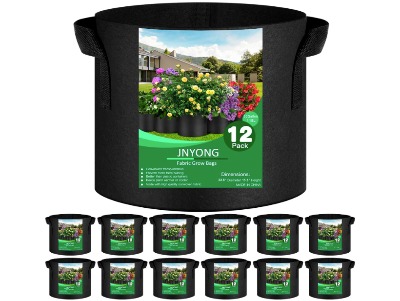
This bulk pack offers exceptional value for gardeners planning a substantial blueberry patch or those wanting to grow multiple varieties for extended harvest seasons and better cross-pollination.
Product Specifications:
- Capacity: 30 gallons per bag
- Pack quantity: 12 bags
- Approximate dimensions: 24.6″ diameter x 16.9″ height
- Material: Thickened nonwoven fabric
- Color: Black
- Handle type: Integrated handles
Key Features:
Getting twelve bags at once significantly reduces per-unit cost, making this pack economical for ambitious berry growers. You can plant a diverse blueberry collection, mixing early, mid, and late-season varieties for continuous harvests from early summer through fall.
The 30-gallon capacity gives each plant ample root space to develop extensive systems that support heavy fruit production. Larger containers also buffer against temperature swings and reduce watering frequency.
These bags enable you to create a mini blueberry orchard on your deck, patio, or driveway. Plant different varieties side-by-side for improved cross-pollination, which typically results in larger berries and higher yields.
Pros:
- Excellent value with 12-bag pack pricing
- 30-gallon capacity supports mature, productive plants
- Enables diverse variety collection for extended harvest
- Bulk purchase reduces long-term costs
- Aeration fabric promotes healthy root systems
- Suitable for commercial or serious hobby growing
- Multiple bags allow experimentation with different varieties
- Better cross-pollination potential with multiple plants
Cons:
- Requires significant initial investment for full pack
- Needs substantial soil volume to fill all bags (approximately 42 cubic feet total)
- Takes considerable space when all bags are in use
- Black color may cause overheating in intense sun
- Storage challenge when bags are empty
- May be excessive for casual gardeners
Best For: Serious blueberry enthusiasts planning extensive container gardens, commercial small-scale growers, or community garden projects. Excellent for those wanting variety diversity and maximum harvest potential.
4. Gardzen 10-Pack 15 Gallon Grow Bags, Aeration Fabric Pots with Handles
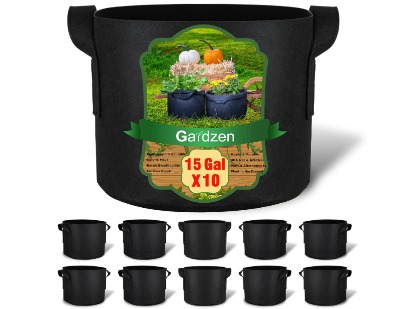
These quality fabric pots come from a brand known for reliable construction and gardener-friendly features. The 10-pack quantity suits gardeners wanting multiple plants without the overwhelming commitment of a 12-bag set.
Product Specifications:
- Capacity: 15 gallons per bag
- Pack quantity: 10 bags
- Dimensions: 17.5″ diameter x 14.5″ height
- Material: High-quality nonwoven fabric
- Color: Black
- Handle type: Double-thick, double-stitched handles
- BPA-free and AZO-free materials
Key Features:
These fabric grow bags are washable and reusable for many growing seasons, making them environmentally friendly and economical over time. When the growing season ends, empty the bags, wash them, and store them flat until next spring.
The fluffy, high-quality fabric feels substantial in hand, indicating durability that withstands multiple seasons of use. This matters when investing in containers you plan to use for years as perennial blueberries mature.
The handles are double thick and double stitched to the bag, allowing for easy and safe moving. You can confidently transport these bags even when fully planted and watered without worrying about handle failure.
The 15-gallon size works perfectly for most blueberry varieties, particularly half-high cultivars bred specifically for container growing. These plants naturally stay compact while producing full-size berries.
Pros:
- Premium quality nonwoven fabric construction
- Washable and reusable for extended lifespan
- BPA-free and AZO-free materials ensure plant safety
- Excellent air permeability promotes healthy roots
- Superior drainage prevents waterlogging
- Sturdy double-stitched handles support full weight
- 10-pack quantity ideal for diverse berry collection
- Good value for quality construction
Cons:
- 15-gallon capacity may limit some full-size varieties
- Requires repotting as young plants mature
- Black fabric retains heat in hot climates
- Initial cost higher than some competitors
- May need more frequent watering than larger containers
- Height constraint could limit some root development
Best For: Quality-conscious gardeners who value durability and reusability. Perfect for those growing multiple compact varieties and wanting containers that last for many seasons.
5. Top Hat Blueberry Plants – Pack of 2 (Two) – Perfect for Containers – Live Dwarf Blueberry Plants for Planting – 5-8 inch

While not a container itself, including these plants in your purchasing decision ensures you get varieties specifically bred for container success. These dwarf plants pair perfectly with any of the grow bags listed above.
Product Specifications:
- Quantity: 2 live plants
- Variety: Top Hat (Vaccinium corymbosum x V. angustifolium)
- Plant height at shipping: 5-8 inches
- Mature height: 18-24 inches
- Mature width: 18-24 inches
- Hardiness zones: 3-7 (some sources extend to zone 8)
- Pollination: Self-fertile (better yields with another variety)
Key Features:
Top Hat grows to just 1 1/2 ft. tall with a lovely compact mounded shape loaded with white blossoms in spring and red foliage in fall. This petite size makes it perfect for container growing, even in small 10-15 gallon bags.
The plants produce full-size berries despite their diminutive stature. You’ll be rewarded with hundreds of full-size, firm, flavorful, dusky blue fruit with wild blueberry flavor when harvest time arrives in late summer.
Top Hat requires no pollinator to set fruit, though planting two varieties together typically increases berry size and total yield. The self-fertile nature means a single plant can produce berries, perfect for space-limited gardeners.
The compact growth habit also makes these plants attractive ornamentals. White spring flowers give way to blue summer berries, followed by brilliant crimson red fall foliage. Your blueberry plants become landscape features rather than just food producers.
Pros:
- Specifically bred for container cultivation
- Compact 18-24 inch mature size fits small spaces
- Self-fertile variety produces fruit alone
- Full-size berries despite small plant stature
- Ornamental value with spring flowers and fall color
- Hardy in cold climates (zones 3-7)
- Minimal pruning requirements
- Perfect for beginners learning container berry growing
- Two-plant pack enables better cross-pollination
Cons:
- Smaller overall yield compared to full-size varieties
- Takes 3-4 years to reach full production
- May be harder to find than standard varieties
- Limited to specific hardiness zones
- Dwarf size means less fruit per plant
- Ships as small plants requiring establishment time
Best For: Container gardeners with limited space, beginners wanting easy-care blueberry varieties, or anyone desiring ornamental edible plants for patios and balconies. Ideal for those who want guaranteed container success.
Matching Containers to Blueberry Varieties
Blueberry varieties fall into several categories, each with different size requirements and container needs. Matching the right container to your chosen variety ensures optimal growth and fruit production.
Highbush Blueberries grow largest, reaching 6-8 feet tall when given room. These varieties need 30-gallon containers minimum for long-term success. The VIVOSUN 30-gallon tan bags or the 12-pack black bags work perfectly for highbush cultivars.
Half-High Blueberries result from crosses between highbush and lowbush varieties. Half-high varieties work great as patio and balcony container plants, growing 3-4 feet tall. These plants thrive in 15-gallon bags like the VIVOSUN or Gardzen options.
Dwarf Varieties like Top Hat stay under 2 feet tall and wide. These compact plants excel in 10-15 gallon containers, making them perfect for small spaces. Even 5-7 gallon bags can support dwarf varieties, though larger containers reduce watering frequency.
Rabbiteye Blueberries grow similarly to highbush varieties but tolerate warmer climates better. They also need 30-gallon containers for mature growth and appreciate the extra soil volume in hot regions where moisture management becomes critical.
Container Size Progression Strategy
Starting with appropriately sized containers and upgrading as plants grow saves money while ensuring roots never become cramped or pot-bound.
Year One: Begin young plants in 5-7 gallon containers. This size provides adequate room for initial root establishment without overwhelming small plants with excessive soil that stays too wet.
Year Two: Transplant to 10-15 gallon bags as plants establish and grow. The increased root space supports stronger vegetative growth and prepares plants for future fruit production.
Year Three and Beyond: Move to final 20-30 gallon containers for varieties that will remain permanently in containers. This size accommodates mature root systems and supports heavy fruit production for many seasons.
Some dwarf varieties can remain in 10-15 gallon bags indefinitely, while full-size varieties benefit from the largest containers you can accommodate. The investment in larger bags pays dividends through increased yields and healthier plants.
Soil Mix Essentials for Container Blueberries
Even the best container fails if filled with inappropriate soil. Blueberries demand acidic, well-draining growing medium that retains moisture without becoming waterlogged.
Start with acidic potting mix formulated for azaleas and rhododendrons, or create your own blend. Combine equal parts peat moss, pine bark, and perlite for excellent drainage and proper acidity. This combination provides the structure roots need while maintaining the low pH blueberries require.
Test pH regularly and adjust as needed. Target a pH between 4.5 and 5.5 for optimal nutrient uptake. Sulfur applications can lower pH if it drifts too high, while lime raises pH if it drops too low (though this rarely happens with proper acidic starting materials).
Refresh soil periodically by removing the top few inches and replacing with fresh acidic mix. This practice replenishes nutrients and maintains proper pH without the shock of complete repotting.
Watering Container Blueberries Successfully
Container-grown blueberries need consistent moisture but excellent drainage, a balance that requires attention during the growing season.
Check soil moisture daily during active growth and fruiting periods. Stick your finger into the soil to the second knuckle. If it feels dry at that depth, water thoroughly until liquid drains from the bottom.
Morning watering works best, giving foliage time to dry before evening. This timing reduces disease pressure while ensuring plants have adequate moisture during hot afternoons when transpiration peaks.
Blueberry plants need a lot of water, but they also like sandy, well-draining soil. The grow bags recommended here naturally provide the drainage these plants demand while allowing you to control moisture through watering frequency.
During fruit ripening, increase watering slightly to support berry development. However, avoid overwatering, which dilutes flavor and can cause berries to split. The goal is consistent moisture without saturation.
Fertilizing Container Blueberries
Container-grown blueberries need regular feeding since nutrients leach through the drainage holes with each watering. However, these plants don’t demand heavy fertilization and can suffer from overfeeding.
Use fertilizers formulated for acid-loving plants like azaleas and rhododendrons. These products contain the right nutrient balance and won’t raise soil pH. Apply according to package directions, typically monthly during the growing season.
Organic options include cottonseed meal, blood meal, and fish emulsion, all of which maintain acidic soil conditions. These slow-release fertilizers feed plants gradually while supporting beneficial soil microorganisms.
Stop fertilizing in late summer to allow plants to harden off before winter. Late-season growth doesn’t have time to mature properly and becomes susceptible to cold damage.
Watch for nutrient deficiency symptoms like yellowing leaves with green veins (iron chlorosis), which indicates pH has crept too high. Treat with chelated iron and adjust soil pH back to the proper range.
Sunlight Requirements
Blueberries need full sun for maximum fruit production. Position containers where they receive at least 6-8 hours of direct sunlight daily.
The beauty of containers lies in mobility. If one location doesn’t provide enough light, simply move your bags to sunnier spots. This flexibility helps you optimize growing conditions throughout the season.
In extremely hot climates, afternoon shade can prevent stress and reduce watering needs. The tan VIVOSUN bags work particularly well in these conditions, reflecting more light and heat than black alternatives.
South-facing locations typically provide the most consistent sunlight in northern gardens. Western exposure works well for maximum afternoon sun, though intense afternoon heat may require some protection in desert regions.
Pest and Disease Management
Container-grown blueberries face fewer soil-borne disease issues than in-ground plantings, but they’re not immune to problems.
Birds pose the biggest threat, often stripping plants of ripe berries before you can harvest. Cover bushes with bird netting as fruits begin to color. Secure netting edges to prevent birds from sneaking underneath.
Aphids occasionally appear on new growth, sucking sap and potentially spreading viruses. Spray them off with water or use insecticidal soap for persistent infestations.
Fungal diseases remain rare in well-draining containers. The fabric bags’ excellent drainage naturally prevents the wet conditions that favor fungal growth. Ensure good air circulation around plants by not crowding containers together.
Regular monitoring catches problems early when they’re easiest to address. Walk through your container garden daily, inspecting foliage and fruits for any concerning changes.
Winter Care for Container Blueberries
Container-grown blueberries need winter protection in cold climates since their roots lack the insulation provided by ground soil.
In zones 5 and colder, move containers to unheated garages or basements once plants go dormant. These locations provide protection from extreme cold while maintaining the chilling hours blueberries need for proper fruiting.
If moving isn’t practical, bury containers in the ground or cluster them together and mulch heavily around and over them. Snow cover provides excellent insulation in regions with reliable winter snow.
Another option involves wrapping containers with insulating materials like bubble wrap or burlap stuffed with leaves. This approach keeps root zones above critical freezing temperatures while allowing plants to experience natural dormancy.
Water occasionally during winter if containers are in protected locations where rain and snow don’t reach them. Roots need some moisture even during dormancy, though requirements drop dramatically compared to growing season needs.
Maximizing Your Blueberry Harvest
Several practices boost yields from container-grown blueberries, turning modest plantings into productive berry factories.
Plant Multiple Varieties: Even self-fertile cultivars produce more and larger berries when cross-pollinated. Plant at least two different varieties that bloom simultaneously for best results.
Remove First-Year Flowers: This seems counterintuitive, but if you purchase 1-year old plants, remove the flowers when they appear in spring so plants can concentrate their energy on root growth. Strong roots established in year one support heavier crops in subsequent years.
Prune Strategically: Remove weak, damaged, or crossing branches during dormancy. Blueberries fruit on previous season’s growth, so avoid overpruning. As plants mature, remove some older canes annually to encourage vigorous new growth.
Thin Fruits: If plants set excessive fruit, thin clusters to leave the largest berries. This concentrates plant energy into fewer, larger, sweeter berries rather than many small ones.
Maintain Proper pH: Test soil pH regularly and adjust as needed. Blueberries can’t access nutrients efficiently if pH drifts above 5.5, leading to poor growth and reduced yields regardless of fertilization.
Cost Analysis: Container Investment vs. Value
Understanding the financial commitment helps you make informed purchasing decisions aligned with your budget and berry-growing goals.
Initial Investment Breakdown:
- Single 15-gallon bag: $5-8
- Five-pack 15-gallon bags: $20-35
- Single 30-gallon bag: $7-10
- Five-pack 30-gallon bags: $30-45
- Twelve-pack 30-gallon bags: $35-60
- Soil and amendments: $15-30 per bag
- Blueberry plants: $15-30 each
Long-Term Value Considerations:
Quality fabric bags last 5-7 seasons with proper care, spreading the initial cost over multiple productive years. A single mature blueberry bush can produce 5-10 pounds of berries annually, with organic berries costing $6-8 per pound at grocery stores.
The math works favorably even with modest yields. A container investment of $50 for bags and soil, plus $40 for two plants, totals $90. If each plant produces just 3 pounds of berries annually, that’s 6 pounds worth $42-48 at retail prices. The system pays for itself within 2-3 seasons, then produces essentially free berries for years.
The educational value and satisfaction of growing your own food adds intangible benefits that pure economics can’t capture. Fresh-picked berries taste dramatically better than store-bought alternatives, and you control exactly what goes on your plants.
Making Your Final Container Selection
Your ideal container choice depends on several personal factors beyond just plant requirements.
Space Availability: Smaller patios and balconies dictate 15-gallon bags and compact varieties. Larger yards or commercial setups can accommodate 30-gallon bags and full-size plants.
Budget Constraints: The Gardzen 10-pack and 12-pack bulk options offer the best per-unit pricing for serious growers. Single five-packs work well for those testing container blueberry growing before scaling up.
Variety Preferences: Match container size to your chosen varieties. Dwarf cultivars waste space in 30-gallon bags, while full-size varieties suffer in 15-gallon containers.
Aesthetic Preferences: Tan bags stay cooler and look cleaner than black alternatives but may clash with some decor schemes. Black bags show less dirt and work with most design styles.
Mobility Needs: Lighter 15-gallon bags move more easily than heavy 30-gallon options. Consider whether you’ll need to reposition containers throughout the season.
Common Container Blueberry Mistakes to Avoid
Learning from others’ errors saves time, money, and frustration as you start your container blueberry journey.
Using Regular Potting Soil: Standard potting mixes lack the acidity blueberries need. Always use acidic formulations or create your own acidic blend. Regular soil leads to yellowed, stunted plants that never thrive.
Underwatering: Containers dry faster than ground soil, especially in hot weather. Missing just a few days of watering during fruit development can stress plants and reduce yields dramatically.
Choosing Containers Too Small: Cramped roots can’t support healthy growth or heavy fruiting. Invest in adequate-sized containers from the start rather than constantly upgrading.
Neglecting pH Management: Soil pH drifts upward over time as acidic materials decompose. Regular testing and adjustment keeps plants healthy and productive.
Skipping Cross-Pollination: Even self-fertile varieties benefit from having another variety nearby. Don’t settle for reduced yields when adding one more plant dramatically improves production.
Getting Started: Your First Container Blueberry Garden
Ready to begin growing your own berries? Here’s a step-by-step action plan to launch your container blueberry garden successfully.
Step 1: Determine your space and how many plants you can accommodate. Measure available areas and calculate container quantity.
Step 2: Select varieties suited to your climate zone and space constraints. Research which cultivars perform well in your region.
Step 3: Choose containers matching your variety selection and space availability. Order bags and have them delivered before planting season.
Step 4: Prepare acidic potting mix or purchase pre-formulated acidic soil. Test pH and adjust as needed before planting.
Step 5: Plant blueberries at the same depth they grew in nursery containers. Water thoroughly after planting and mulch soil surface.
Step 6: Position containers in full sun locations. Ensure easy access for watering and maintenance.
Step 7: Establish a watering routine and stick to it. Consistency matters more than perfect timing.
Step 8: Begin fertilizing program using acid-loving plant formulas. Mark your calendar for monthly applications during growing season.
The investment you make today in quality containers and proper setup pays dividends for seasons to come. Fresh blueberries picked from your own patio or balcony taste sweeter knowing you grew them yourself, and the sense of accomplishment that comes from successfully nurturing these plants from bare stems to berry-laden bushes creates satisfaction that transcends the harvest itself.
Start with one or two plants if you’re uncertain, using the 15-gallon Gardzen or VIVOSUN bags as your foundation. Success with your initial plants will likely inspire expansion in future seasons, building confidence and expertise that makes each subsequent planting easier and more productive.
Hi, I’m Mary, the founder of GardenCure.com. I’m passionate about creating healthy, beautiful gardens and well-kept lawns. I share practical experience and trusted advice on garden and lawn gear that truly works. With the support of my dedicated research team, our writers produce honest, in-depth reviews using reliable, authentic sources—helping you choose the right tools with confidence for your outdoor space.