How To Care For Marigolds
Marigolds are one of the most approachable flowers for new gardeners. They bloom in bright orange, yellow and red, and they keep flowering for much of the warm season. Learning how to care for marigolds is mostly about giving them sun, well-drained soil and steady but moderate water.
This guide explains what marigolds need, how to plant them, and what to do day to day. It also covers common problems, care in containers and garden beds, and how to save seeds. Each section uses plain language, so you can follow along even with no prior experience.
Key Takeaways
- Marigolds grow best in full sun and well-drained soil.
- Water deeply but not too often, and let the top of the soil dry between sessions.
- Removing spent flowers encourages more blooms over the season.
- Watch for aphids, spider mites and whiteflies, and act early.
- Overwatering and poor drainage cause more trouble than most pests do.
Introduction
Marigolds belong to the Tagetes group, and many home gardeners grow the common French and African types. They are popular because they tolerate heat and are generally easy to grow from seed or young plants. Most types are annuals, which means they complete their life cycle in one season.
Good care starts with the basics. Light, soil, water and air flow matter more than fancy products. When these are right, marigolds reward you with a long display of flowers.
What Marigolds Need to Grow Well
Before planting, it helps to understand the conditions marigolds prefer. They are sun-loving plants that handle heat and dry spells better than many flowers. Meeting their basic needs prevents most problems later.
Sunlight and Location
Marigolds perform best in full sun, which generally means at least six hours of direct light each day. In shadier spots, plants grow tall and thin, and they produce fewer flowers. Choose a location where the plants can receive light for most of the day.
Also consider air movement. A place with gentle breeze helps leaves dry after rain or morning dew. This lowers the chance of fungal problems.
Soil Type and Drainage
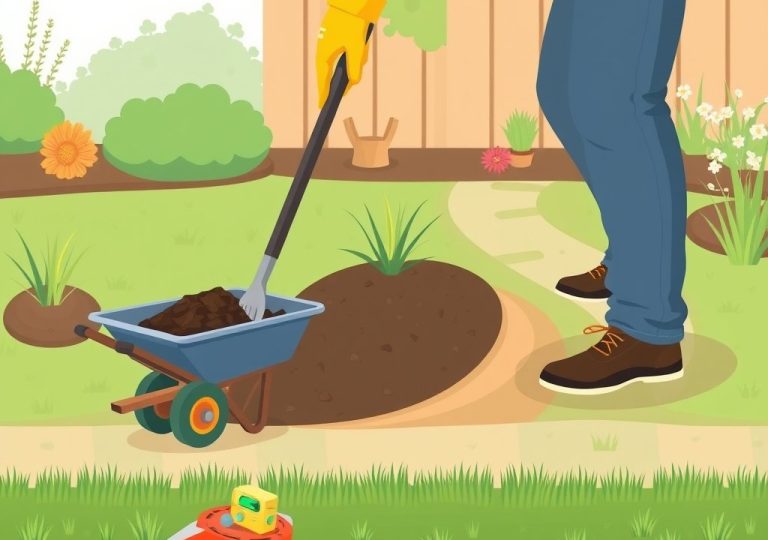
Drainage means how quickly water moves through soil. Marigolds need soil that drains well, because their roots do not like sitting in soggy ground. Ordinary garden soil with some compost mixed in usually works well.
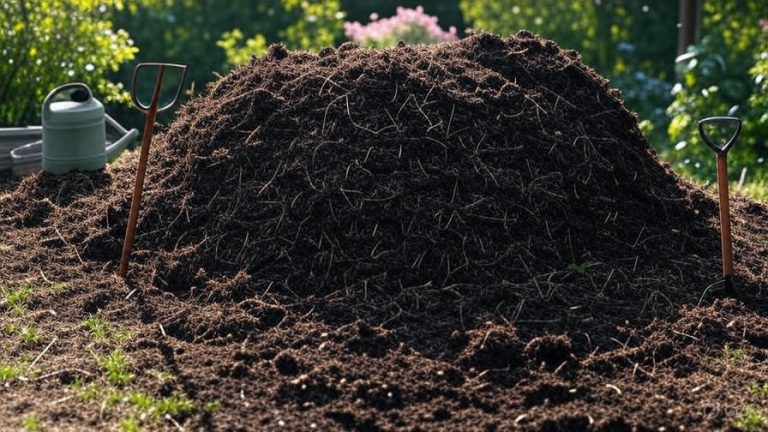
Heavy clay soil holds water and can slow drainage. Mixing in compost or other organic matter helps loosen it. Soil that is neither too rich nor too poor is ideal for most marigold types.
Water and Watering Habits
Marigolds prefer consistent moisture without waterlogging. Water the soil at the base of the plant rather than soaking the leaves. Wet foliage can encourage disease, especially in humid weather.
A simple habit is to check the soil with a finger. If the top layer feels dry, it is usually time to water. If it still feels damp, wait a little longer.
Planting Marigolds the Right Way
Planting at the right time gives marigolds the best start. Both seeds and young plants have simple requirements. A little timing and spacing go a long way.
When to Plant Marigolds Outdoors
Marigolds are frost-sensitive, so plant them outdoors after the danger of frost has passed. They grow best when the soil has warmed. Planting too early can slow growth or damage young plants.
Check your local frost dates from a regional garden resource, since timing depends on where you live. Waiting for warm weather is usually worth the patience.
Sowing Seeds vs. Buying Young Plants
Seeds are inexpensive and offer many varieties, but they take longer to bloom. Sow them directly in the garden after frost, or start them indoors a few weeks earlier. Seeds planted in place often produce sturdy plants.
Young pl ants from a garden center give faster color. They cost more but save waiting time. Look for plants with healthy green leaves and no visible pests. Avoid plants that are already flowering heavily and root-bound.
Spacing Plants for Healthy Growth
Spacing affects airflow and how well plants grow. Crowded marigolds compete for light and water, and they become more prone to disease. Leave enough room so that leaves do not touch neighboring plants.
The right spacing depends on the variety, since dwarf types need less room than tall ones. Read the seed packet or plant tag for guidance. When in doubt, give plants a little more room rather than less.
Everyday Marigold Care Steps
Once planted, marigolds need only a few routine tasks. Most of the work is simple and quick. Regular attention keeps plants full of flowers.
How Often to Water Marigolds
Watering frequency depends on weather, soil and container size. In hot, dry periods, plants may need water more often. In cool, rainy weather, they need much less.
Water deeply so moisture reaches the roots, then let the top of the soil dry slightly before watering again. This encourages roots to grow downward and makes plants more resilient.
Feeding Marigolds: Is Fertilizer Needed?
Marigolds often do well in average garden soil without extra feeding. Too much fertilizer, especially one high in nitrogen, can produce lush leaves and fewer flowers. A light feeding is usually enough if plants look pale or bloom poorly.
Nitrogen is the nutrient that encourages leafy growth. Choose a balanced or lower-nitrogen product and follow the label directions. Less is often better with marigolds.
Deadheading Spent Flowers
Deadheading means removing faded flowers. This tells the plant to produce new blooms instead of setting seed. Pinch or snip the spent flower just above a leaf joint.
Doing this every few days keeps plants looking neat. It also extends the flowering period through the season. The task takes only a minute or two in a small bed.
Pinching Back for Bushier Plants
Pinching means removing the tip of a stem. Doing this on young plants encourages side branching, which makes them fuller. The result is a bushier shape with more flowers.
Pinch when plants are about a few inches tall. Avoid pinching late in the season, since it can delay flowering. Gentle, early pinching works best.
Common Marigold Problems and Pests
Marigolds are fairly resilient, but they can still face pests and disease. Early detection makes problems much easier to manage. Check plants regularly, especially the undersides of leaves.
Spotting Aphids, Spider Mites and Whiteflies
Aphids are small soft insects that cluster on new growth. Spider mites leave fine webbing and speckled leaves. Whiteflies rise in a small cloud when disturbed and feed on leaf undersides.
A strong spray of water can knock many pests off plants. For heavier infestations, insecticidal soap is a common choice. Always follow label directions and test on a small area first.
Fungal Issues Like Root Rot and Powdery Mildew
Root rot happens when soil stays wet and roots lack oxygen. Leaves may wilt even though the soil is damp. Improving drainage and watering less often is the main fix.
Powdery mildew shows as a white dusty coating on leaves. Good airflow, proper spacing and watering the soil rather than the leaves help prevent it. Remove badly affected leaves to slow its spread.
Why Marigold Leaves Turn Yellow
Yellow leaves often signal overwatering, poor drainage or a nutrient issue. Older leaves yellowing first can point to a need for nitrogen. Leaves yellowing across the plant may suggest too much water.
Check the soil moisture before changing anything. Often, adjusting water is the simplest correction. Removing damaged leaves helps the plant focus its energy on new growth.
Marigolds in containers need a little more attention than those in the ground. Pots dry out faster, so checking moisture becomes a regular habit. The rest of this section covers how to set up containers and how to care for marigolds planted in beds.
Marigolds in Containers vs. Garden Beds
Both containers and garden beds can grow healthy marigolds. The main difference lies in how much soil each one holds and how quickly that soil changes. Knowing these differences helps you choose the right care routine.
Container Size and Potting Mix
Choose a container with drainage holes at the bottom. Without holes, water collects and roots can rot. A pot that is wide enough to give roots room to spread is usually a good choice.
Use a good quality potting mix rather than garden soil, which packs down in pots. Potting mix drains well and stays light. Mixing in a little compost can add nutrients for the season.
Caring for Marigolds in Garden Borders
Marigolds in garden borders benefit from the stable soil of the ground. They usually need less frequent watering than container plants. Still, check the soil after hot spells, since the top layer can dry quickly.
Mulch around the plants can help hold moisture and keep weeds down. Keep mulch a short distance from the stems to avoid rot. Weeding by hand around young plants prevents root disturbance.
Saving Seeds and Overwintering Marigolds
Marigolds are usually grown as annuals, so the plants finish in one season. Saving seeds lets you grow them again next season. Overwintering is less common, but it is worth knowing about.
How to Collect Marigold Seeds
Leave a few flowers to fade on the plant without deadheading them. Once the flower head dries and turns brown, pull it apart. Dark, slender seeds will be inside.
Spread the seeds on a paper towel in a dry, shaded spot for a few days. Store them in a labeled paper envelope in a cool, dry place. Seeds from hybrid varieties may not grow true to the parent plant.
What Happens After the First Frost
A hard frost usually kills marigold plants. Blackened leaves and limp stems are typical signs. Remove the plants and add the healthy material to the compost pile if it is free of disease.
Marigolds rarely survive winter outdoors in cold climates. In mild areas, plants may persist for a time, but they seldom bloom well. Starting fresh each spring is the usual approach.
Frequently Asked Questions
Do marigolds need full sun to bloom?
Marigolds bloom best in full sun, which means about six hours of direct light a day. Plants in shade can still grow, but they tend to be tall, thin and produce fewer flowers. Picking a sunny spot gives the most reliable results.
How often should I water marigolds in hot weather?
In hot weather, check the soil every day, especially in containers. Water when the top layer feels dry, and water deeply at the base of the plant. Adjust the schedule as weather cools or rains arrive.
Do marigolds really keep pests away?
Marigolds are often planted near vegetables in the hope of deterring pests, and some gardeners report good results. Research on this effect is mixed, so results vary. They are still a colorful addition to a garden, even if they do not solve every pest problem.
Can marigolds grow indoors?
Marigolds can grow indoors if they receive strong light, such as from a bright south-facing window. Plants often stretch toward light and may need more light than a typical room provides. Good airflow and a container with drainage holes help as well.
Why are my marigolds tall and floppy?
Tall, floppy growth usually results from too little sunlight or too much feeding. Plants reaching for light stretch and weaken. Moving them to a sunnier spot and reducing fertilizer often helps new growth stay sturdier.
Conclusion
Caring for marigolds comes down to a few simple habits. Give them full sun, well-drained soil and water when the top layer feels dry. Deadhead spent blooms, watch for pests early, and avoid overwatering. With these basics in place, marigolds usually reward beginners with steady color from early summer until the first frost.

Hi, I’m Mary, the founder of GardenCure.com. I’m passionate about creating healthy, beautiful gardens and well-kept lawns. I share practical experience and trusted advice on garden and lawn gear that truly works. With the support of my dedicated research team, our writers produce honest, in-depth reviews using reliable, authentic sources—helping you choose the right tools with confidence for your outdoor space.