How To Care For Dracaena
Dracaena is one of the most common houseplants sold in shops and garden centres. Its long, strappy leaves and upright stems give rooms a calm, green look. Caring for it is easier than many people expect once a few basic habits are in place.
This guide explains what the plant is, how it grows indoors, and how to handle light, water, soil, feeding and routine upkeep. It also covers common problems such as brown leaf tips.
Key Takeaways
- Dracaena prefers bright, indirect light and does poorly in harsh direct sun.
- Water only when the top part of the soil feels dry, since soggy roots cause most problems.
- Use a well-draining potting mix and a pot with a drainage hole.
- Feed lightly during the growing season and skip feeding in winter.
- Brown leaf tips often point to water quality, dry air or irregular watering rather than a serious disease.
Introduction to Dracaena Care
Good dracaena care comes down to balance. The plant needs enough light, water and warmth, but not too much of any one thing. Most problems happen when people overwater or place the plant in the wrong spot.
What Is a Dracaena Plant?
Dracaena is a genus with many species and varieties. It belongs to the asparagus family and is grown for its attractive foliage. Many types handle indoor conditions well.
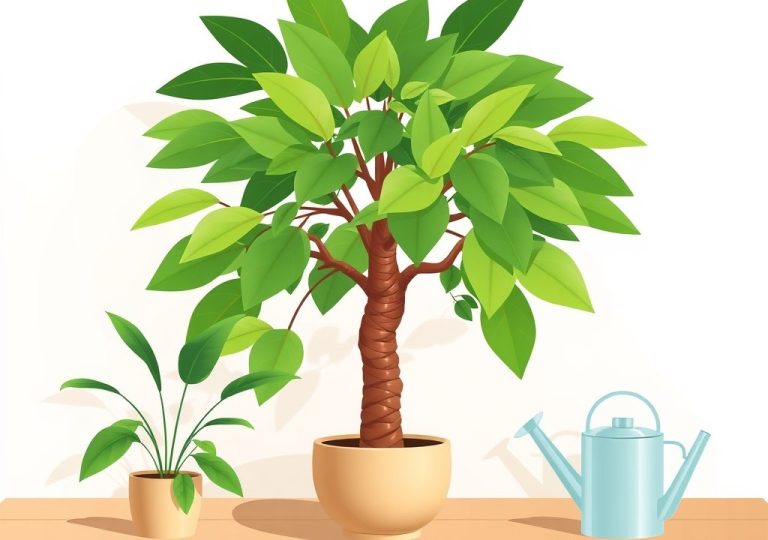
Indoors, dracaena usually grows as a single or multi-stemmed plant with a cluster of leaves at the top. The leaves can be solid green or striped with yellow, cream or red.
Common Dracaena Varieties for Beginners
Corn plant (Dracaena fragrans) has broad, glossy leaves with pale stripes. Dracaena marginata, often called dragon tree, has thin, dark leaves edged in red and grows in a slim, upright form. Both are often easy to manage in typical home conditions.
Lucky bamboo is also sold as a dracaena, often in water or shallow soil. It needs clean water changed regularly.
Why Dracaena Is a Popular Houseplant
Dracaena looks good in many rooms and needs little fuss. Its upright shape suits corners and spaces beside furniture. The plant tolerates ordinary indoor air, which makes it a practical choice for beginners.
Dracaena Basics Every Beginner Should Know
Knowing how dracaena grows makes everyday care easier. Most mistakes happen when people treat it like a plant with different needs.
How Dracaena Grows Indoors
Dracaena grows slowly indoors, adding a few new leaves at a time. New growth appears at the top of the stems. Older lower leaves may yellow and drop, which is normal.
Because growth is slow, the plant needs little feeding and infrequent repotting. It does best when conditions stay steady.
Dracaena Light Requirements
Dracaena grows best in bright, indirect light. A spot a few feet back from a south- or west-facing window works well, as does an east-facing window.
Direct afternoon sun can scorch the leaves. Very low light makes the plant leggy and can fade its colour. Move it if it looks stressed.
Dracaena Temperature and Humidity Needs
Dracaena prefers normal, fairly steady room temperatures. Sudden cold draughts and hot air from heaters can harm the leaves.
Humidity is usually less of a concern than people think. Dry air can cause brown leaf tips, so keep the plant away from radiators.
How to Water a Dracaena
Watering causes the most trouble for beginners. The goal is to keep the roots moist but never sitting in water.
How Often to Water Dracaena
Water only when the top part of the soil feels dry. Push a finger about an inch into the mix to check. If it feels damp, wait a few more days.
In warm, bright conditions, watering may be needed about once a week. In cooler months, water less often. Always check the soil rather than following a fixed schedule.
Signs of Overwatering and Underwatering
Overwatering is the more common mistake. Warning signs include soft or mushy stems, yellowing lower leaves, and a sour smell from the soil. Roots may rot if the pot stays wet.
Underwatering causes dull, curling or crisp leaves. A thorough soak usually helps if the problem is caught early.
The Right Water for Dracaena
Dracaena can be sensitive to salts and chemicals in tap water. Some people notice brown leaf tips after long use of hard or heavily treated water. Rainwater or filtered water can reduce this risk.
If tap water is the only option, let it stand for a day so some chlorine can evaporate. Use water at room temperature.
Soil, Pots and Repotting Dracaena
Roots need air as well as moisture. The right soil and pot help water drain away so the roots can breathe. This section covers both, plus when to move the plant to a larger container.
Best Soil Mix for Dracaena
A standard peat-based or multi-purpose potting mix works well. Many growers add a little perlite or coarse sand for extra drainage, which keeps the mix light.
Avoid heavy garden soil in pots. It holds too much water and can compact around the roots.
Pot Size and Drainage Tips
Choose a pot only one or two sizes larger than the root ball. An oversized pot holds wet soil the roots cannot use, which raises the risk of rot.
Always pick a container with at least one drainage hole. Empty any water that collects in a saucer after watering.
When and How to Repot Dracaena
Repot when roots circle the inside of the pot or grow out of the drainage holes. For a slow-growing plant, this usually means every two to three years. Spring is the best time, as the plant is entering its active growing period.
Gently ease the plant out, loosen the outer roots slightly, and set it in a new pot at the same depth as before. Water lightly and keep it out of strong sun for a week or so while it settles.
Feeding and Fertilizing Dracaena
Fertilizer supplies extra nutrients that the plant uses to build new leaves. Dracaena does not need much, and too much can burn the roots and leaf tips. A light, careful approach works best.
When to Fertilize Dracaena
Feed the plant during the growing season, usually spring and summer. Many beginners feed about once a month during this period.
Stop feeding in autumn and winter. The plant grows slowly in cooler months, and feeding then can build up salts in the soil.
Fertilizer Types and Application Tips
A balanced liquid houseplant fertilizer is a simple choice for beginners. Follow the label’s dilution instructions, and use half strength if unsure. Slow-release granules feed gradually and are another option.
Apply fertilizer to moist soil, not dry soil, to protect the roots. If crusty white salt deposits appear, flush the pot with plenty of plain water.
Pruning, Cleaning and Routine Dracaena Maintenance
Small routine tasks keep dracaena neat and healthy. Pruning, cleaning and turning the plant take only a few minutes. Doing them regularly prevents dust build-up and keeps growth in a pleasing shape.
How to Prune Dracaena Stems
Pruning controls height and encourages a fuller plant. Cut the stem just above a leaf node, the small bump where a leaf joins the stem. New shoots often grow from the area below the cut.
Use clean, sharp scissors or a knife, wiped with rubbing alcohol first to limit disease. Spring is the best season for pruning.
Cleaning Dracaena Leaves
Dust on broad leaves can reduce the light the plant absorbs. Wipe each leaf gently with a soft, damp cloth, supporting it from underneath so it does not tear.
Avoid leaf shine sprays, since they can clog the leaf surface. Plain water is enough for most dust.
Rotating and Positioning Dracaena
Turn the pot every few weeks so all sides receive light. Without rotation, the plant tends to lean toward the window, and turning keeps the stems straight.
Once the plant is settled, keep it in the same general spot. Frequent moves can cause leaves to drop as the plant adjusts to light changes.
Common Dracaena Problems and Solutions
Most dracaena problems have a clear cause and a simple fix. Looking closely at the leaves often reveals what the plant needs. Early action usually prevents lasting damage.
Brown Leaf Tips and Edges
Brown tips are a common complaint, often linked to dry air, uneven watering, or salts in tap water. Older leaves may also show this as the plant ages.
Improve watering consistency, move the plant away from heaters, and consider rainwater or filtered water. Trim brown tips with clean scissors, following the natural leaf shape. The brown areas will not turn green again.
Yellowing Leaves on Dracaena
A few yellow lower leaves are normal as the plant grows. Many yellow leaves appearing together usually signal overwatering or poor drainage. Check the roots and soil before changing anything else.
If the soil stays wet, let it dry more between waterings and check drainage. Gently pull away fully yellow leaves.
Pests That Affect Dracaena
Common pests include spider mites, scale and mealybugs. Spider mites cause fine speckling and webbing, scale appears as small brown bumps on stems, and mealybugs look like small white cottony patches.
Wipe leaves with a damp cloth to remove pests. For stubborn infestations, use a gentle insecticidal soap, following the label. Check leaf undersides every week or two, since pests often hide there.
Dracaena Care Comparisons
Dracaena is often compared with other low-fuss houseplants. Seeing how it differs can help beginners choose the right plant for their space.
Dracaena Compared with Snake Plant
Snake plant tolerates neglect even better than dracaena. It handles lower light and drier soil well. Dracaena prefers more regular watering and brighter spots.
Dracaena has softer, arching leaves and a taller shape. Snake plant has stiff, upright leaves and a compact form. Both suit beginners but fit different corners of a home.
Dracaena Compared with Peace Lily
Peace lily enjoys more humidity and droops when thirsty, which makes watering easy to spot. Dracaena does not droop in the same way, so beginners must check the soil more often.
Peace lily also prefers lower light than many dracaena types. Dracaena handles brighter indirect light better, so the two suit slightly different rooms.
Frequently Asked Questions
How often should I water my dracaena?
Water only when the top part of the soil feels dry. This often means about once a week in warm weather and less in winter. Check the soil rather than following a fixed schedule.
Is dracaena safe for pets?
Dracaena contains compounds that can upset the stomach of cats, dogs and other pets if chewed. Keep the plant out of reach and seek veterinary advice if a pet eats it.
Why are the tips of my dracaena turning brown?
Brown tips are usually caused by dry air, uneven watering or salts in tap water. Improving watering habits and moving the plant away from heat sources often helps. Trimming damaged tips is safe.
Can dracaena grow in low light?
Dracaena can survive in lower light, but growth will be slow and leaves may lose colour. Bright, indirect light gives the best results, such as a spot near a window with filtered light.
How do I make my dracaena grow taller or fuller?
Give the plant bright indirect light, regular feeding in spring and summer, and steady watering. Pruning above a leaf node can encourage new shoots lower on the stem. Indoor growth is slow, so patience matters.
Conclusion
Caring for dracaena comes down to a few steady habits. Give it bright, indirect light, water only when the soil starts to dry, and use a well-draining mix in a pot with a drainage hole. Feed lightly during the growing season and watch the leaves for early signs of trouble.
With these basics in place, dracaena is a practical and attractive houseplant for beginners. Small, regular checks matter more than large efforts.

Hi, I’m Mary, the founder of GardenCure.com. I’m passionate about creating healthy, beautiful gardens and well-kept lawns. I share practical experience and trusted advice on garden and lawn gear that truly works. With the support of my dedicated research team, our writers produce honest, in-depth reviews using reliable, authentic sources—helping you choose the right tools with confidence for your outdoor space.