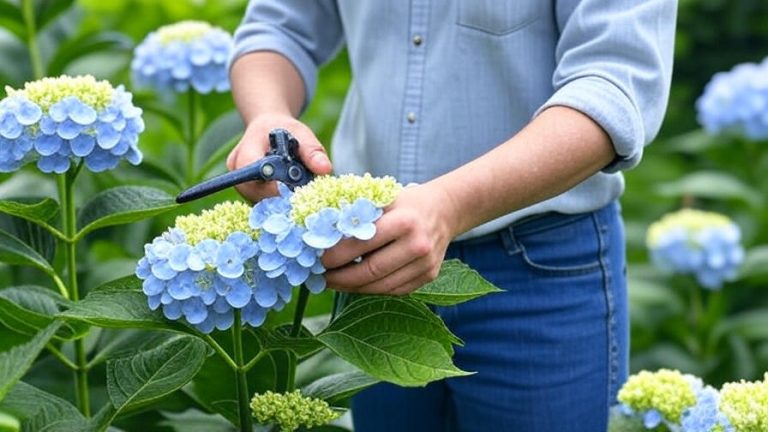
How To Care For Daisy Plants
Daisies are cheerful flowers that many beginners choose for gardens, borders and pots. Their care is simpler than it looks. Most of the work comes down to sun, careful watering and removing spent flowers.
This guide covers what daisies need, a simple routine, pruning, dividing and common problems.
Key Takeaways
- Daisies need plenty of sun, well-drained soil and water only when the top of the soil feels dry.
- Deadheading, which means removing faded flowers, encourages more blooms over a longer season.
- Most daisy problems, such as yellow leaves and rot, come from too much water rather than too little.
- Dividing older clumps every few years keeps perennial daisies vigorous and flowering well.
Daisies Need Sun, Good Drainage and Light Watering
Daisies grow best with plenty of light and roots that never sit in soggy soil. When either is missing, the plant often shows it through weak stems or pale leaves.
A daisy in a sunny spot with loose soil usually stays compact and flowers freely. A daisy in shade or heavy wet soil often grows tall, floppy and sparse.
What Are Daisy Plants and Why Care for Them?
The word daisy covers many flowers in the daisy family. Most have a yellow central disc surrounded by white or colored petals. They are popular because they are easy to find and flower for a long time when cared for well.
Good care keeps plants tidy, healthy and full of blooms. Poor care often leads to thin growth and fewer flowers.
Common Types of Daisies for Home Gardens
The Shasta daisy has large white flowers and sturdy stems. The Gerbera daisy has bold colors and usually prefers more warmth than hardy garden types. The English daisy is small and low-growing, often used in lawns and edging.
Checking the plant label helps beginners match care to the variety.
Perennial Versus Annual Daisies Explained
A perennial plant lives for several years and returns each season, as many Shasta daisies do. An annual completes its life in one season and must be grown again from seed.
Perennials benefit from dividing and cutting back, while annuals are usually replaced each year.
Basic Daisy Plant Needs: Light, Water, Soil and Air
Daisies need four things: light, water, suitable soil and fresh air moving around their leaves. Meeting these needs gives the plant a strong start and helps it resist problems later.
How Much Sunlight Daisies Need
Most daisies grow best in full sun, meaning several hours of direct light each day. Too much shade often causes stretching and fewer blooms. Some indoor types tolerate partial shade, but a bright window or sunny patio usually works better.
How Often to Water Daisy Plants
Daisies like steady moisture but dislike sitting in water. Check the soil with a finger and water only when the top layer feels dry. Water at the base of the plant and empty any saucer under the pot so roots do not stay wet.
Best Soil Type and Drainage for Daisies
Daisies prefer loose, well-drained soil where water does not pool. Heavy clay holds water and can suffocate roots, so mixing in compost or sand improves it. In pots, use quality potting mix with perlite or coarse sand, and make sure the container has drainage holes.
Temperature, Humidity and Air Circulation
Most daisies handle mild temperatures well and dislike extreme heat or deep frost, though needs vary by type. Gerbera daisies, for example, are more sensitive to cold than hardy garden varieties. Good air movement keeps leaves dry and reduces fungal problems, so space plants with room to breathe.
Planting Daisies Step by Step
Planting at the right time and in the right way gives daisies a healthy start. Following the steps in order helps roots settle before heat or cold brings stress.
When to Plant Daisy Seeds or Starts
Most gardeners plant daisy starts, which are young plants bought from a nursery, in spring or early autumn when weather is mild. Seeds are often sown indoors or directly in the garden once the soil has warmed. Check the seed packet or plant label for timing, since requirements vary by type.
How to Space and Position Daisy Plants
Give each plant enough room to spread, since crowded daisies compete for light and air. Check the plant label for the right spacing. Dig a hole about as deep as the root ball and slightly wider, set the plant at the same depth it grew in its container, then firm the soil gently and water well.
Planting Daisies in Pots and Containers
Daisies can grow well in containers if the pot is large enough and drains freely. Fill it with quality potting mix. Containers dry out faster than garden beds, so check them often and move them into sun when possible.
Daily and Seasonal Daisy Plant Care Routine
A simple routine keeps daisies healthy all year. Most care involves watering, feeding and tidying up. A quick weekly check helps you spot problems early.
Watering Habits for Beginners
Watering needs change with the weather, pot size and soil. Hot spells call for more water, while cool or damp weather needs less. Check the soil first, then water deeply when it feels dry rather than following a fixed schedule.
Feeding Daisies With Fertilizer
Daisies need only modest feeding. A balanced liquid fertilizer, used at the strength on the label, supports steady growth and flowering. Too much can produce lush leaves with fewer flowers, so less is often better. Feed during the growing season and stop in late autumn.
Mulching to Retain Moisture and Suppress Weeds
Mulch, such as bark chips or compost, helps the soil hold moisture, keeps roots cool and reduces weeds. Keep it a short distance from the stems to prevent rot. Apply a light layer in spring and refresh it as needed.
Deadheading and Pruning Daisies for More Blooms
Pruning and deadheading keep daisies neat and encourage more flowers rather than seed. Doing these tasks regularly makes a noticeable difference over the season.
What Is Deadheading and Why It Matters
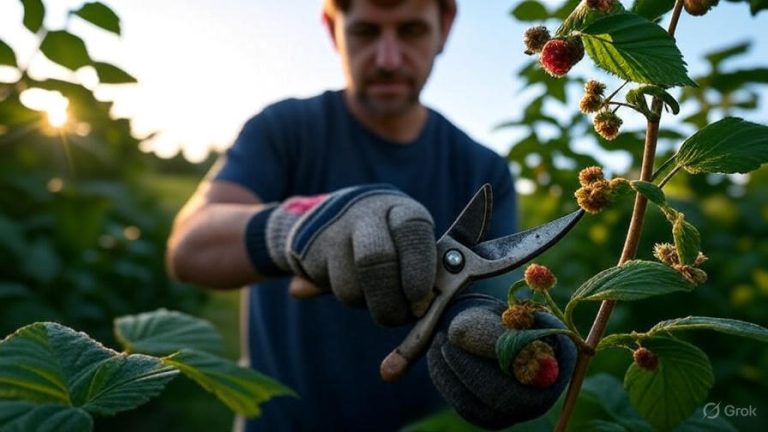
Deadheading means removing faded flowers before they go to seed. Snip the spent bloom and its stem back to a healthy leaf or side shoot, so the plant puts its energy into new buds.
Regular deadheading often leads to a longer flowering period and a tidier plant.
How to Trim Leggy or Tired Daisy Stems
Leggy daisies have long, thin stems with few leaves at the base. Trim these stems back by about a third to encourage bushier growth, using clean, sharp pruners to cut just above a leaf node.
Remove any damaged or yellowing leaves at the same time, so light and air reach the centre of the plant.
Cutting Back Daisies in Autumn or Winter
Perennial daisies often benefit from a tidy-up in autumn, once flowering slows. Cut back dead foliage to the base or a few centimetres above the crown, removing debris where pests and fungal spores can hide.
In colder areas, leave some protective growth or mulch over the crown through winter. Wait until spring to remove the last of the old material.
Dividing and Propagating Daisy Plants
Dividing and propagating refresh older plants or grow new ones. Dividing splits an established clump into smaller pieces. Propagating creates new plants from seed or cuttings.
Signs Your Daisy Clump Needs Dividing
A clump that flowers less each year, or has a bare, woody center, usually needs dividing. Crowded plants also tend to produce smaller blooms. Many perennial daisies benefit from division every few years.
Spring or early autumn is the best time to lift the clump, so divisions can settle before extreme weather.
How to Divide Daisies Safely
Water the clump the day before you divide it. Dig carefully around the outside, then lift the whole root ball. Gently pull or cut it into sections, each with healthy roots and a few shoots.
Replant the divisions at the same depth they grew before. Water them well and keep the soil moist while new roots form.
Growing Daisies From Seed or Cuttings
Many daisies grow from seed sown in pots indoors or directly in the garden. Seedlings need light and steady moisture, and they should move into their own containers once large enough to handle.
Some daisies can also be grown from stem cuttings taken in spring or early summer. Keep the cutting in moist potting mix, warm and bright, until roots form. Rooting takes time, so patience helps.
Common Daisy Plant Problems and How to Fix Them
Most daisy problems have simple causes and fixes. The most common involve water, pests and fungal disease. Spotting symptoms early gives the plant the best chance of a quick recovery.
Yellowing Leaves and Overwatering
Yellowing leaves, especially lower ones, often point to overwatering. Soggy soil can rot roots, which then cannot supply water and nutrients. Check the soil before watering and improve drainage if needed.
If the plant wilts while the soil is wet, the roots may be damaged. Lift the plant, trim away mushy roots, and repot in fresh, well-draining mix.
Pests Like Aphids, Slugs and Spider Mites
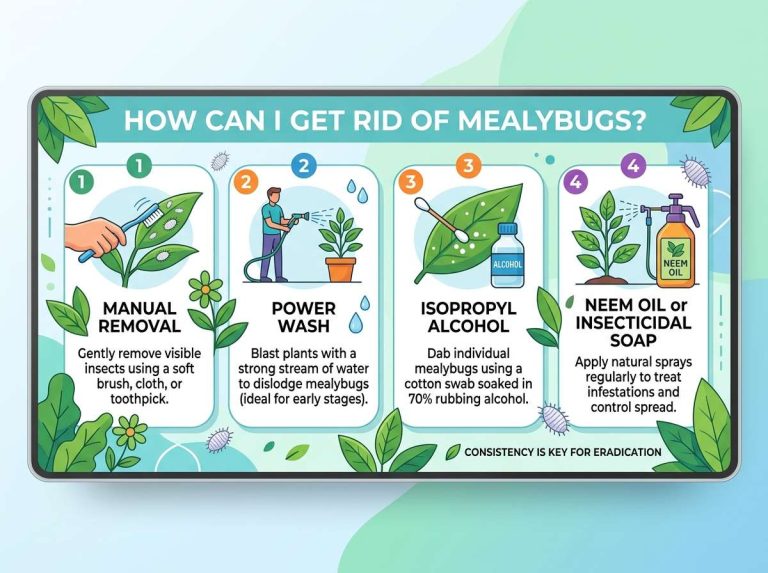
Aphids cluster on new growth and feed on plant sap. Slugs leave ragged holes in leaves, especially in damp weather. Spider mites cause fine speckling and sometimes webbing, most often on indoor plants.
Check plants regularly and remove pests by hand or with a gentle spray of water. Slug traps help in damp gardens. For indoor mites, raise humidity and wipe the leaves with a damp cloth.
Fungal Diseases and Powdery Mildew Prevention
Powdery mildew appears as a white, dusty coating on leaves. It thrives in crowded plants with poor airflow and wet foliage. Watering at the base and spacing plants well reduces the risk.
Remove badly affected leaves and dispose of them rather than composting.
Why Daisies Stop Flowering
Daisies may stop flowering when they lack sun, have too much shade or need feeding. Crowded clumps and missed deadheading can also reduce blooms. Overly rich soil with too much nitrogen often produces leaves at the expense of flowers.
Review light, spacing and deadheading first. A small change often brings blooms back within a few weeks.
Daisy Care Compared: Indoor Versus Outdoor Plants
Indoor and outdoor daisies have different needs. Indoor plants depend on the light and air you provide. Outdoor plants rely more on weather, soil and garden conditions.
Growing Daisies Indoors Near a Window
Place indoor daisies in your brightest window, ideally facing south or west. Keep them away from cold drafts and heating vents. Rotate the pot weekly so the plant grows evenly.
Indoor soil dries slowly, so water less often. Check the top of the mix before each watering.
Growing Daisies Outdoors in Garden Beds
Outdoor daisies do best in sunny beds with well-drained soil. Rain supplies much of the water, but dry spells may call for extra watering. Mulch keeps soil moist and weeds under control.
Outdoor plants also face wind, slugs and frost. A sheltered spot and a check of the plant label for hardiness give them a better chance.
Frequently Asked Questions
Do daisy plants need full sun to bloom?
Most daisies bloom best in full sun, meaning several hours of direct light daily. Some types tolerate partial shade but flower less. If blooms are sparse, a brighter spot often helps.
How often should I water daisies in summer?
Summer watering depends on heat, soil and pot size. Water when the top of the soil feels dry. Containers usually need water more often than garden beds.
Can daisies grow well in pots?
Yes, if the container has drainage holes and enough room. Use quality potting mix and check moisture regularly. Pots dry out faster than garden soil, so watch them closely in warm weather.
Are daisy plants toxic to pets?
Some daisy types can cause mild stomach upset if pets eat them. Reactions vary by animal and plant. If a pet eats a daisy, contact a veterinarian for advice.
Why are my daisy leaves turning brown?
Brown leaves can come from overwatering, underwatering, sunburn or disease. Check soil moisture first, then look for spots or pests. Removing damaged leaves and adjusting water and light usually helps the plant recover.
Conclusion: Simple Daisy Care for Strong, Long-Lasting Blooms
Daisies reward simple, steady care. Give them plenty of sun, well-drained soil and water only when the top of the soil feels dry. Deadhead spent flowers, divide older clumps and watch for pests.
Hi, I’m Mary, the founder of GardenCure.com. I’m passionate about creating healthy, beautiful gardens and well-kept lawns. I share practical experience and trusted advice on garden and lawn gear that truly works. With the support of my dedicated research team, our writers produce honest, in-depth reviews using reliable, authentic sources—helping you choose the right tools with confidence for your outdoor space.