How to Get Rid of Bugs from Houseplants?
Your houseplants are thriving. They’re green. They’re beautiful. Then you notice something moving on a leaf. Your heart sinks. You’ve got bugs.
In this article
Don’t panic. Houseplant pests happen to everyone, even the most experienced plant parents. The good news? You can fix it. With the right approach, you’ll get your plants back to their healthy, happy selves in no time.
This guide walks you through everything you need to know about indoor plant bugs. You’ll learn how to spot them. You’ll discover what damage they cause. Most importantly, you’ll find out exactly how to kick them out for good.
Let’s dig in.
Why Bugs Love Your Houseplants
Before we talk about solutions, let’s understand the problem. Why do pests show up on your indoor plants in the first place?
Houseplants make perfect homes for bugs. Your living room is warm. It’s often humid. Your plants give bugs everything they need to eat and breed. It’s like an all-you-can-eat buffet for pests.
Sometimes bugs come from outside. They hitch a ride on a new plant you bring home. They might arrive on soil you buy. They could even sneak in through open windows and doors.
Other times, bugs already live in your home. They find your plants and decide to stay. This happens more often than you’d think.
The real issue? Many people don’t notice bugs right away. Pests multiply fast. By the time you spot them, you’ve got a real infestation.
That’s why early detection matters so much. Regular plant checks save you huge headaches down the road.
The Most Common Houseplant Pests
Not all bugs are the same. Different pests cause different problems. Let’s meet the usual suspects.
Spider Mites
Spider mites are tiny. Really tiny. You might need a magnifying glass to see them clearly. But don’t let their size fool you. These bugs cause big problems.
These pests suck juice straight from plant leaves. Leaves turn pale and yellow. They develop a spotted look. In bad cases, leaves drop off completely.
You might also notice thin webbing on your plant. That’s a dead giveaway for spider mites. The webbing looks like someone spray-painted cobwebs on your plant.
Dry air makes spider mites super happy. If your home gets dry in winter, watch your plants closely.
Mealybugs
Mealybugs look like tiny cotton balls. You’ll see them clustered on leaf joints and stem crevices. Some people think they’re mold at first.
These bugs drink plant sap. They leave behind a sticky gunk called honeydew. This sticky stuff attracts other pests and can lead to mold growth.
Plants infested with mealybugs get weak fast. Leaves curl up. Growth slows down. The plant looks generally unhappy.
Mealybugs spread quickly because they hide in plant crevices. You might miss some when you treat your plant, and they come back.
Scale Insects
Scale insects attach themselves to plant stems and leaves. They look like tiny bumps or scales. That’s where they get their name.
These pests suck plant sap just like mealybugs. They produce honeydew too. The big difference? Scale insects are harder to kill because they have a protective shell.
Most people don’t notice scales until there are a lot of them. That’s because they barely move. They just sit there, slowly draining your plant.
Whiteflies
Whiteflies look like tiny white moths. You’ll see them if you brush against your plant or move it around. They fly up in a little cloud.
These bugs chew holes in leaves. They also produce honeydew. Plants with whiteflies get weak and struggle to grow.
Whiteflies love warm, humid spots. They multiply like crazy in these conditions.
Fungus Gnats
Fungus gnats are small black flies. You’ll see them flying around your plants or sitting on the soil surface.
The larvae live in soil. They eat the roots and organic matter in the dirt. Adult gnats buzz around and lay more eggs.
These pests aren’t usually deadly to plants, but they’re annoying. They also mean your soil is staying too wet.
Aphids
Aphids are small, soft-bodied insects. They come in different colors—green, yellow, red, or black. They’re usually found on new growth.
Aphids suck plant sap. They make leaves curl and twist. They also leave honeydew behind.
The good news? Aphids are easy to knock off. The bad news? They multiply fast if you don’t treat them.
How to Spot Houseplant Pests Early
The best time to deal with bugs is before they take over. Early detection stops small problems from becoming huge headaches.
Here’s what to look for:
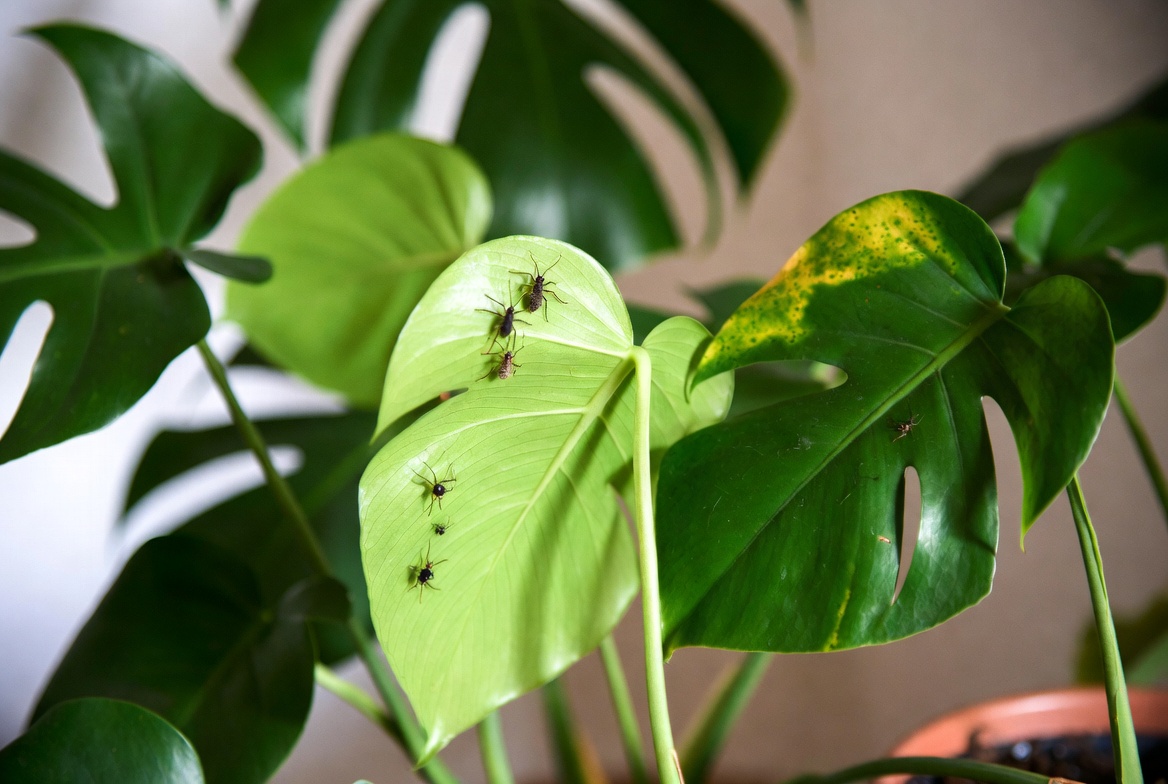
Check the leaf undersides. Many pests hang out on the bottom of leaves where it’s harder to see. Turn leaves over and look carefully.
Look at new growth first. Pests love tender new leaves. Check the tips of stems and newly unfolding leaves.
Watch for sticky residue. That sticky stuff is honeydew. If you see it, bugs are nearby.
Notice changes in your plant. Sudden yellowing. Slow growth. Leaf drop. These signs point to pest problems.
Look for webbing. Spider mite webbing is a clear signal to act fast.
Inspect the soil line. Some pests hide where the soil meets the stem.
Make it a habit to inspect your plants every few days. This takes just a minute per plant. But it saves hours of treatment later.
How to Get Rid of Houseplant Bugs: Treatment Methods
You’ve found bugs. Now what? You have several options. Some are gentle. Some are stronger. Most problems can be solved with simple methods.
Method 1: The Shower Approach
This is your first line of defense. It’s simple. It’s cheap. And it works for light infestations.
Take your plant to a bathroom or shower. Use lukewarm water. Spray the plant thoroughly, hitting both sides of the leaves. Focus on areas where you see bugs.
The water physically removes pests and honeydew from your plant. Many bugs wash right off and don’t survive the fall into the sink or tub.
Do this every few days for a couple of weeks. The shower method works best for aphids, whiteflies, and spider mites.
Don’t use hot water. It damages plant leaves. And don’t blast the plant with freezing water either.
Method 2: Neem Oil
Neem oil comes from the neem tree. It’s a natural pesticide that disrupts how bugs eat and reproduce.
Neem oil works on most common houseplant pests. It’s less toxic than synthetic pesticides. But it’s still strong enough to get the job done.
Here’s how to use it:
Dilute neem oil according to the bottle instructions. Usually, you mix a small amount with water and a tiny bit of dish soap. The soap helps the oil stick to leaves.
Spray your plant until the leaves drip slightly. Get the undersides of leaves. Cover the stems and soil line too.
Do this in the evening or early morning. Avoid spraying in bright sunlight. The combination of neem oil and sun can burn leaves.
Treat your plant every 7-10 days for three weeks. This hits pests at different life stages and prevents comeback.
Some people worry about using neem oil indoors. It has a strong smell that some find unpleasant. Use it in a well-ventilated area. Or treat your plant outside if you can.
Method 3: Insecticidal Soap
This method targets soft-bodied insects like aphids, whiteflies, and mealybugs.
Insecticidal soap breaks down the waxy coating that protects these bugs. Once that coating breaks down, the bugs dry out and die.
Mix insecticidal soap according to directions. Spray it directly on bugs and affected areas. Make sure to coat the leaf undersides.
Reapply every 7-10 days for two to three weeks.
The nice thing about insecticidal soap? It breaks down fast. It doesn’t leave toxic residue. It’s safer than many other treatments.
Just be careful with delicate plants. Some plants don’t like soap sprays. Test it on one leaf first and wait a day to make sure the plant tolerates it.
Method 4: Isopropyl Alcohol
For mealybugs and scale insects, alcohol works great.
Mix one part isopropyl alcohol with three parts water. Add a few drops of dish soap. Pour the mixture into a spray bottle.
Spray affected areas directly. You can also dip a cotton ball in the mixture and dab it on individual pests.
Alcohol kills on contact. It also helps dissolve the waxy coating on some pests.
Treat your plant every 3-5 days for two weeks. This catches new bugs as they hatch.
Don’t soak your plant. Just spray until it’s wet, not dripping.
Method 5: Diatomaceous Earth
This powder comes from fossilized algae. It’s non-toxic to you and your pets. But it’s deadly to bugs.
Diatomaceous earth works like tiny razor blades to insects. It damages their bodies and causes them to dry out.
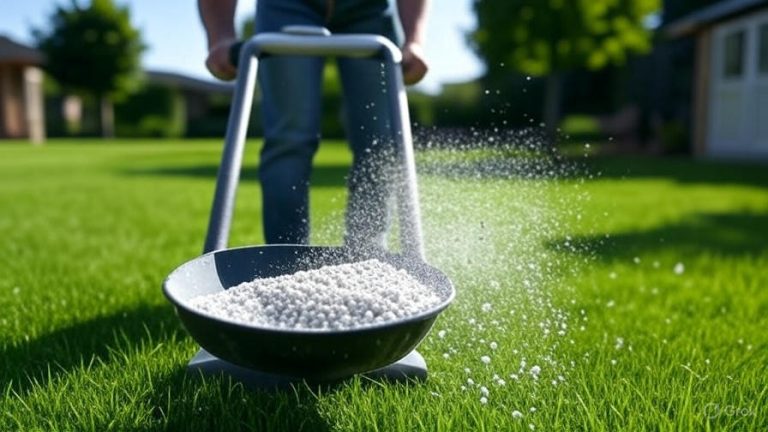
Sprinkle food-grade diatomaceous earth on the soil surface and on affected leaves. Reapply every few days, especially after watering.
This method works best for fungus gnats and other soil pests.
The downside? It only works on dry surfaces. Once it gets wet, it stops working. So you need to reapply after watering.
Method 6: Rubbing Alcohol Dabs
For heavy infestations of mealybugs or scale, this targeted approach works well.
Dip a cotton swab in rubbing alcohol. Dab it directly on each visible bug.
This method takes time. It works better on small plants or when the infestation is contained to one area. But it’s very effective because the alcohol kills the bug on contact.
Combine this with another method for best results.
Method 7: Cinnamon Powder
Cinnamon isn’t just for your coffee. It has antifungal and antibacterial properties that bugs don’t like.
Dust cinnamon powder on soil and affected leaves. It won’t kill bugs instantly, but it helps stop the spread and can prevent new infestations.
It’s super safe and smells nice too.
Combining Methods for Tough Cases
Sometimes one method isn’t enough. Combine approaches for stubborn infestations.
For example, try the shower method first. Then follow up with neem oil every few days. Add isopropyl alcohol for any lingering mealybugs.
The idea is to hit the bugs from different angles. Different treatments work in different ways. Together, they’re more powerful.
Just give each treatment time to work. Don’t spray different products on the same day. Space them out by a couple of days.
Preventing Future Infestations
Once you’ve won the battle against bugs, keep them away.
Quarantine new plants. When you bring a new plant home, keep it separate from your other plants for a week or two. Watch for bugs. This stops infestations from spreading to your whole collection.
Check new soil. If you use bagged soil, inspect it before using it. Some soil can carry pest eggs.
Keep your plants clean. Dust leaves every few weeks with a soft cloth. This helps you spot problems early.
Avoid overwatering. Wet soil attracts fungus gnats. Let soil dry out between waterings. Good drainage helps too.
Increase humidity correctly. Bugs love humidity, but so do some plants. Use a humidifier if needed. But maintain good air circulation to prevent mold.
Inspect regularly. Keep checking your plants. Catch any bugs before they multiply.
Isolate problem plants fast. If one plant gets bugs, move it away from others immediately. This stops the spread.
Keep your home clean. Remove fallen leaves and plant debris. Bugs hide in these spots and lay eggs there.
Common Mistakes to Avoid
Learning from others’ errors saves you time and frustration.
Don’t spray in bright sunlight. This burns leaves, especially when using oils. Spray in early morning or evening.
Don’t overuse treatments. More isn’t always better. Follow the recommended frequency. Overusing treatments can hurt your plant or create resistant bugs.
Don’t ignore the soil. Some pests live in soil. You need to treat soil too, not just the leaves.
Don’t stop treatment too early. You need to keep treating after you think the bugs are gone. New bugs keep hatching. Keep going for the full recommended time.
Don’t forget newly infested areas. When you see bugs, other pests might be hiding elsewhere on the plant. Check and treat the entire plant, not just the visible problem area.
Don’t isolate a plant completely. Your plant needs light and airflow to stay healthy. Keep it in a bright spot with good air movement. Just keep it away from other plants.
Don’t use pesticides not rated for houseplants. Outdoor pesticides are way too strong. They can poison you, your family, and your pets.
When to Consider Throwing the Plant Away
Sometimes a plant is too far gone.
If a plant is completely infested and you’ve treated it for weeks with no improvement, you might need to let it go. The same goes if the plant was already struggling before the bugs arrived.
Throwing away a plant feels bad. But sometimes it’s the smart move. An infested plant can spread bugs to your whole collection. It’s better to lose one plant than all of them.
Before you decide, make sure you’ve given the plant real time to recover. Give it at least three to four weeks of consistent treatment.
Treating Your Home and Other Plants
Bugs might not be just on one plant. They could be hiding in your whole growing area.
Treat your other plants with a preventative spray. Use a light solution of neem oil or insecticidal soap every two weeks. This stops new infestations before they start.
Clean your plant stands and shelves. Wipe down areas where infested plants were sitting. Vacuum around your plants regularly.
Check all your plants closely, even ones that look fine. Early treatment stops problems from getting big.
How Long Does Treatment Take?
This is a common question. Unfortunately, there’s no quick fix.
Most infestations take three to four weeks to completely clear. You need to spray multiple times to hit bugs at different life stages.
Spider mites and fungus gnats might clear in two weeks with consistent treatment. Mealybugs and scale insects take longer. These bugs have protective shells or lay their eggs in hard-to-reach spots.
Be patient. Stick with your chosen method. Don’t switch treatments every few days. Give each method time to work.
You should see improvement within a week. Leaves look better. Growth resumes. Bugs become less visible. But don’t stop treating. Keep going for the full three to four weeks.
Creating the Right Environment for Healthy Plants
Healthy plants resist pests better. A weak plant is easy prey for bugs.
Give your plants enough light. Most houseplants need bright, indirect light. Check the specific needs of your plants.
Water properly. Overwatering causes root problems and attracts gnats. Underwatering stresses plants and makes them vulnerable to pests. Find the right balance.
Use proper soil. Quality potting soil drains well and provides nutrients. It’s less likely to carry pest eggs.
Maintain good air circulation. Stagnant air breeds problems. Use a small fan near your plants. Open windows when possible.
Keep humidity at reasonable levels. Different plants need different humidity. Most houseplants like 40-60% humidity. Too much invites mold and bugs. Too little stresses plants.
Fertilize appropriately. Weak plants can’t fight off pests. Use a balanced fertilizer during the growing season. Don’t overdo it though. Too much nitrogen makes plants soft and attractive to pests.
Repot when needed. Use fresh soil every couple of years. This removes any pest eggs that might be hiding in the soil.
Natural vs. Chemical Treatments: What You Need to Know
Both approaches have pros and cons.
Natural treatments like neem oil, insecticidal soap, and diatomaceous earth work well for most infestations. They’re less toxic. They break down quickly. They won’t hurt you or your pets if used as directed.
The downside? They work a bit slower. You need to apply them more often. And some don’t work well for every pest.
Chemical pesticides kill fast. They stay active longer. But they’re more toxic. Some can harm humans and pets. They’re also stronger than you usually need for indoor plants.
For houseplants, natural treatments are usually the best choice. They’re safer and work well for home infestations. You rarely need heavy chemical pesticides inside your house.
Special Considerations for Different Plant Types
Some plants need special care during treatment.
Delicate plants like African violets and begonias can suffer damage from sprays. Test any spray on one leaf first. Wait a day to check for damage before treating the whole plant.
Fuzzy-leaved plants collect spray droplets. The droplets can pool and damage leaves. Dust these plants instead of spraying when possible.
Succulents don’t like staying wet. They prefer dryer treatment methods. Use alcohol dabs or dust approaches rather than sprays.
Flowering plants might drop flowers if you spray them. If possible, wait until flowers drop before treating. Or gently treat just the non-flowering parts.
Rare or valuable plants deserve extra care. Go slow. Test everything. Consider getting help from a plant specialist before treating very expensive or rare specimens.
When to Call for Help
Sometimes bugs win. Or you don’t feel confident treating your plants yourself.
If you have a large collection and widespread infestation, pest control professionals who specialize in houseplants can help. They know what works and can handle the treatment for you.
If you love a particular plant but can’t save it yourself, a professional might succeed where you failed.
If you’re concerned about using pesticides safely, professionals know how to apply treatments properly.
There’s no shame in asking for help. Some problems are bigger than one person can handle alone.
Your Bug-Free Future Awaits
Finding bugs on your plants doesn’t mean the end of your plant journey. Pests happen to everyone. The important thing is knowing how to handle them.
You now know what pests look like. You understand how to spot them early. You have multiple treatment options to choose from. You know how to prevent future problems.
The next time you find a bug on your plant, don’t panic. Stay calm. Follow the steps in this guide. Your plant will recover.
Most plants are tougher than we think. With consistent care and the right treatment, they bounce back. You’ll have your beautiful, healthy plants back before you know it.
Start checking your plants today. Catch any problems early. Treat them with confidence. Your plants—and your plant-loving heart—will thank you.
Happy plant parenting. Your green friends are in good hands.
Hi, I’m Mary, the founder of GardenCure.com. I’m passionate about creating healthy, beautiful gardens and well-kept lawns. I share practical experience and trusted advice on garden and lawn gear that truly works. With the support of my dedicated research team, our writers produce honest, in-depth reviews using reliable, authentic sources—helping you choose the right tools with confidence for your outdoor space.