How to Plant Blueberries?
Growing blueberries at home is one of the most rewarding gardening projects you can take on. These little blue gems taste amazing when they come straight from your own garden, and the best part? They’re not nearly as hard to grow as you might think. Whether you’re starting your first garden or adding to an existing one, this guide will walk you through everything you need to know about planting blueberries from start to finish.
In this article
Why Plant Blueberries in Your Garden?
Before we dig into the how, let’s talk about why blueberries deserve a spot in your yard. Blueberry plants give you so much value that it’s hard to pass them up. First, the fruit itself is absolutely delicious. Store-bought blueberries can taste bland, but ones you grow taste fresh and bursting with flavor. You’ll actually want to eat them straight off the bush.
Beyond taste, blueberries pack serious health benefits. They’re loaded with antioxidants, vitamins, and nutrients that help your body work better. You get all those good things without any of the weird chemicals that sometimes come on store-bought berries.
On top of that, blueberry bushes look beautiful in your garden. They’re not just useful plants—they’re actually pretty to look at. The flowers are delicate and white or pink, and when the berries show up, they create pops of color all over the plant. In the fall, the leaves turn red and orange, making your garden look like it’s on fire in the best way possible.
Blueberry bushes also help attract bees and other helpful insects to your garden. These little visitors pollinate your plants and help your whole garden thrive. Once your bushes start producing, a single mature plant can give you several pounds of berries each year. That’s free food that basically takes care of itself once you get it going.
Getting Your Soil Ready: The Most Important Step
Here’s something important: blueberries are pickier about their soil than a lot of other plants. They need acidic soil to be happy, and this is really the key to success. If your soil isn’t right, your berries won’t grow well no matter what else you do.
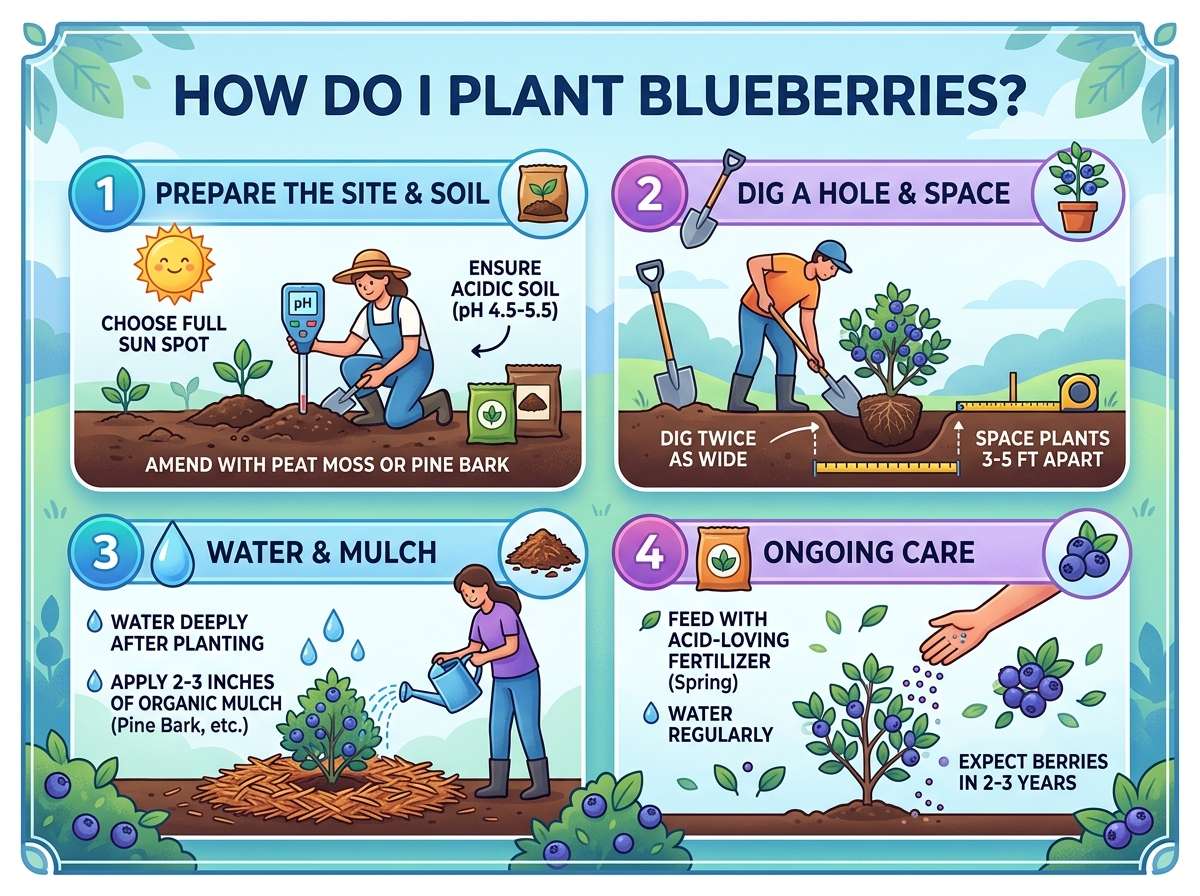
Blueberries like soil with a pH between 4.5 and 5.5. That’s pretty acidic—much more acidic than most garden plants prefer. Before you plant anything, get your soil tested. You can buy a simple soil pH test kit at any garden store, or you can send a sample to your local extension office and they’ll test it for free.
If your soil is too alkaline (not acidic enough), you need to fix it. The easiest way is to add sulfur to your soil. Mix it in well and let it sit for a few weeks before planting. The sulfur helps lower the pH and make the soil more acidic. You might need to apply sulfur again after a couple of years, so plan to test your soil every year or two.
Another great move is to add peat moss to your planting area. Peat moss is naturally acidic and helps keep blueberry soil at the right level. Mix it into the top 12 inches of your soil. Aim for about one part peat moss to two parts existing soil.
Sandy, well-draining soil is also important. Blueberries hate wet feet—they don’t like sitting in soggy soil. If your garden area gets waterlogged easily, you might want to plant in a raised bed or add sand and compost to improve drainage. The goal is soil that stays moist but never waterlogged.
Picking the Right Location for Your Blueberry Plants
Blueberries need sun to grow well and produce lots of fruit. Find a spot that gets at least six hours of direct sunlight each day. Eight hours is even better. Plants that sit in shade produce fewer berries and taste less sweet.
Wind protection matters too. While blueberries can handle some wind, they do better in spots that aren’t constantly buffeted around. If you live somewhere windy, plant them near a fence or wall that can break up the wind a bit.
Make sure the location has room for growth. A mature blueberry bush can get five to eight feet tall and spread out just as wide, depending on the variety. Don’t plant them right next to your house or other plants that won’t have space to grow.
Good air flow around the plants keeps them healthy. Damp leaves can develop fungal problems, so give your plants room to breathe. They should have space on all sides so air can move around them.
Picking the Right Blueberry Variety
Not all blueberries are the same. Different types grow better in different climates, and they mature at different times. You’ve got three main types to think about: highbush, lowbush, and rabbiteye.
Highbush blueberries are the most popular kind for home gardens. They’re the type you see in stores. These plants grow four to eight feet tall and produce big, sweet berries. Highbush varieties work great in most climates and are pretty forgiving for beginners.
Lowbush blueberries are smaller, usually only one to two feet tall. They’re wild in nature and super hardy. These work well if you’re in a cold climate or if you want a ground cover in your garden. The berries are smaller but still delicious.
Rabbiteye blueberries come from the southern part of the country. They need less cold time in winter and do great in hot, humid climates. These plants grow tall and can handle heat better than other types.
Most blueberry varieties need another compatible plant nearby to pollinate and produce fruit. It’s like they need a buddy to work their best. Plant at least two different varieties that bloom at the same time. Check the descriptions when you buy your plants to make sure you’re getting ones that work together.
Some varieties are self-fertile, meaning they don’t need a pollinator. But planting two varieties always gives you more and bigger berries, so it’s worth doing even if you could get away with just one.
When and How to Plant Your Blueberries
Blueberries like going in the ground when they’re dormant, before they start growing for the season. Early in the season is the best time to plant. Late in the season also works, but early is better because the roots have more time to get established before things heat up.
Bare-root plants are the cheapest option. They arrive without any soil around the roots, and you just plant them straight in the ground. They need to go in quickly after you get them, or the roots can dry out.
Container-grown plants come in pots and are easier to deal with. You can plant them whenever you want as long as you water them in well. They cost a bit more, but they’re more forgiving if you can’t plant them right away.
Start by digging a hole that’s just as deep as the root ball and twice as wide. You want the plant to sit at the same depth it was growing before—not deeper. If you plant it too deep, the roots can rot.
Mix some of the soil you pulled out with extra peat moss and compost. Fill the hole halfway with this mixture, then set your blueberry plant in the hole. Fill the rest of the hole with the soil mix, pressing gently as you go.
Water your newly planted blueberry really well. The soil should be wet but not swampy. Pat down the soil gently to remove air pockets. Add a layer of mulch around the base of the plant—about two to four inches of pine bark, wood chips, or leaves. Mulch keeps the soil cool and moist, and it helps keep the soil acidic as it breaks down.
Don’t pack the mulch right up against the stem of the plant. Leave a few inches of space around the base. Mulch piled against the stem can cause rot.
How to Water Your Blueberry Plants
Blueberries need consistent moisture, but not too much. This is a balancing act. The soil should feel moist to the touch, like a wrung-out sponge. Not dry, but not soaking wet.
New plants need more water as they’re getting settled in. Water them deeply a few times a week for the first few weeks after planting. Once they’re established, once or twice a week is usually fine, depending on how much rain you get.
The best time to water is early in the morning. This gives the water time to soak in and helps prevent fungal diseases that come from wet leaves. Never water in the evening—that keeps the leaves wet all night, which plants don’t like.
During hot, dry stretches, you might need to water more often. In cooler seasons or if you get a lot of rain, you can cut back. Just stick your finger in the soil near the plant. If it feels dry more than an inch down, it’s time to water.
Drip irrigation works great for blueberries. It delivers water right to the roots without wetting the leaves. If you don’t have drip irrigation, a soaker hose does the same job.
Feeding Your Blueberry Plants
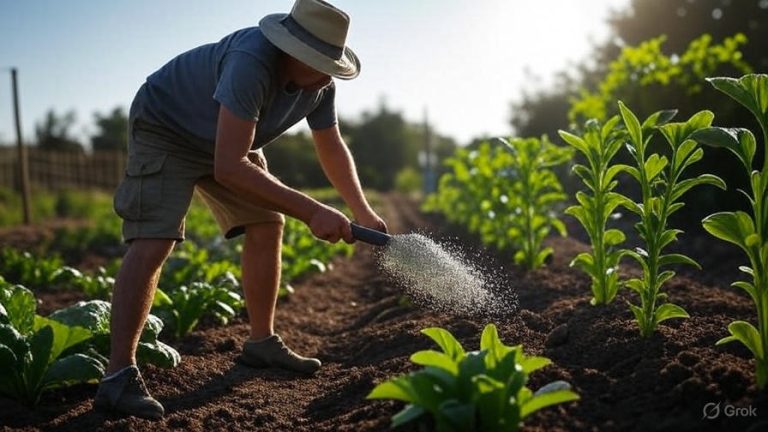
Blueberries aren’t huge feeders, but they do need some nutrients to stay healthy and produce well. The best approach is to use fertilizer made specifically for acid-loving plants. You’ll see these labeled as for azaleas, rhododendrons, or blueberries.
Apply fertilizer in early spring, right when you see new growth starting. Use the amount that the package recommends—usually less is better with blueberries. You can apply a lighter fertilizer again in early summer if you want, but don’t fertilize after mid-summer. Late feeding can push new growth that won’t harden off before cold weather.
Most blueberry plants don’t need a lot of extra food if you’re adding compost and mulch every year. That organic matter breaks down and feeds the plant slowly over time. This is often called the slow-feed method, and it works great for home gardeners.
You can also use compost as your main fertilizer. Every spring, add a two-inch layer of good compost around the base of your plant, keeping it a few inches away from the stem. This feeds the plant all season long and improves your soil at the same time.
Pruning and Caring for Your Blueberry Bushes
Young blueberry plants don’t need much pruning. In fact, you should let them get established for the first few years before you start serious pruning.
Once your plant is three or four years old, you can start shaping it. Remove any dead, broken, or diseased branches first. Then remove low-growing branches that hang down and drag on the ground.
Older berries come from older wood—branches that have been on the plant for several years. Each year, remove some of the oldest wood to keep the plant producing young, vigorous growth. This keeps your plant from getting too bushy and encourages new berries.
Pruning in late winter, before the plant wakes up, is the best time. The plant is dormant and won’t be stressed. On warm days, you can actually see the buds swell up as the season approaches, which tells you exactly when to prune.
Don’t go crazy with pruning. Blueberry bushes need those leaves to power growth and fruit production. You’re just trying to keep the plant open, healthy, and productive—not turn it into a tiny tree.
Dealing with Problems and Pests
Blueberries are pretty tough plants, but they can run into a few issues. The good news is that home gardeners rarely face serious problems.
Birds love blueberries just as much as you do. In fact, they might love them more. Netting is the best defense. Before the berries start turning blue, drape bird netting over your plants. Make sure it’s tight so birds can’t get under it.
Fungal diseases can happen in humid climates, especially if air flow is poor. Mummy berry and anthracnose are the most common ones. They show up as shriveled berries or soft spots. The best defense is good air circulation, removing infected berries quickly, and cleaning up fallen leaves and old mulch in spring.
Most insects don’t bother blueberries much. If you see some sawfly larvae or scale insects, you can spray with neem oil in early spring or late fall when insects are less active.
Deer sometimes eat young blueberry plants. A deer fence helps, but blueberries aren’t their favorite food, so usually they leave them alone.
Getting Your First Harvest
One of the hardest parts of growing blueberries is waiting for the first harvest. Young plants need a few years to get established before they produce a lot of fruit.
In the first year or two, your plants might have some flowers. It’s tempting to let them become berries, but resist the urge. Pinch off the flowers. Yes, it feels like you’re throwing away free berries, but you’re actually helping your plant. Those flowers take energy, and your young plant needs that energy to build a strong root system. Sacrificing a few berries now means way more berries in the future.
By the third or fourth year, you can start harvesting for real. A mature, healthy plant produces several pounds of berries each year.
Blueberries don’t ripen all at once. They go from green to red to purple to dark blue over a few weeks. Only pick the dark blue ones—they’re the sweetest. Don’t pull them off the plant. Instead, gently roll them into your hand. The ripe ones come off easily.
Pick your berries every few days when they’re ripe. As you pick, you’re also opening up the plant so sunlight gets to the berries that aren’t quite ready yet.
Container Growing: Blueberries in Pots
If you don’t have space in the ground or your soil is completely wrong for blueberries, you can grow them in containers. They actually do really well in pots.
Use a large container—at least 18 inches across and 18 inches deep. Bigger is better. Fill it with potting soil mixed with peat moss in a one-to-one ratio. This gives you the acidic, well-draining soil blueberries love.
Container plants dry out faster than ground plants, so you’ll need to water more often. Check the soil every day during hot weather. It should feel moist.
Every year or two, take the plant out and refresh the top few inches of soil. Add new potting mix and fresh compost. This feeds the plant and keeps the soil in good shape.
In cold climates, you might need to move containers against your house or bury the pot partially in the ground to protect the roots from freezing. Container roots are more exposed to extreme cold than ground roots.
Growing Blueberries: The Long-Term View
Blueberry bushes are an investment that pays dividends for decades. A healthy plant can live 50 years or more and keep producing berries the whole time.
The first few years are about building a strong plant. You’re watering, feeding, and pruning with an eye toward the future. It feels slow, but this foundation work pays off big time once your plant hits its stride.
After that, blueberries are pretty low-maintenance. A little pruning, some water during dry spells, and annual feeding keep them happy and productive. They don’t need constant fussing like some plants do.
One of the best things about blueberry growing is how it improves your garden over time. As you add peat moss, compost, and mulch, your whole soil gets better. Any acid-loving plants nearby benefit from the improved soil. Your compost pile gets contributions from blueberry leaves and pruning. It all works together.
You’ll also find yourself looking forward to berry season. Kids in the neighborhood start asking when the berries are ready. You’ll have jars of homemade jam on your shelf, and you’ll be giving bags of fresh berries to friends and family. Growing blueberries connects you to where your food comes from in a way that store-bought fruit never can.
Common Mistakes to Avoid
Even though blueberries are pretty forgiving, a few common mistakes can cause problems. Learning from others’ mistakes saves you time and frustration.
The biggest mistake is getting the soil pH wrong. Don’t skip testing your soil. Just spend the few bucks on a test kit. It saves you years of struggling with unhappy plants.
Planting too deep is another common problem. Keep your plant at the same depth it was growing before. Deeper doesn’t mean better—it just means rot.
Overwatering kills more blueberries than underwatering. Remember, moist is good, but soggy is bad. If you’re not sure, let the soil dry out a bit before watering again.
Not planting two varieties is a mistake if you want lots of berries. Yes, some bushes set fruit alone, but two varieties always beat one for production.
Pruning too much, especially when the plant is young, sets it back. Less pruning is usually the right call.
Your Blueberry Growing Adventure Starts Now
Planting blueberries isn’t complicated, but it does require attention to a few key things: the soil needs to be acidic, the location needs sun, you need at least two varieties, and you need to wait patiently for your first big harvest.
The great news? Once you nail those basics, you’ve got a plant that will keep producing delicious berries for the rest of your life. Those berries taste so much better than anything you’ll buy in a store, and you’ll feel amazing knowing you grew them yourself.
Start small if you’re nervous. Plant one or two blueberry bushes. Get them established. Learn what they need. Then expand from there if you want. Plenty of people end up with a whole blueberry patch because they love growing them so much.
The blueberry plants you put in the ground now might be giving you fruit for the next 50 years. That’s an investment in your future, in your health, and in your connection to the food you eat. Jump in, dig some holes, and get those blueberry plants in the ground. You won’t regret it.
Happy growing, and enjoy those delicious homegrown blueberries!
Hi, I’m Mary, the founder of GardenCure.com. I’m passionate about creating healthy, beautiful gardens and well-kept lawns. I share practical experience and trusted advice on garden and lawn gear that truly works. With the support of my dedicated research team, our writers produce honest, in-depth reviews using reliable, authentic sources—helping you choose the right tools with confidence for your outdoor space.