5 Best Herbicide for Zoysia Grass In 2026
Zoysia grass is one of the best lawn grasses you can grow. It forms a thick, carpet-like mat, it handles foot traffic well, and it crowds out a lot of weeds on its own. Still, weeds find their way in. Crabgrass shows up in hot weather, nutsedge pokes through in wet spots, and clover and dollarweed creep in along the edges. When that happens, you need a herbicide that kills the weeds without hurting your grass.
In this article
That’s harder than it sounds. Zoysia is a warm-season grass, and it’s more sensitive to some chemicals than people expect. A product that works great on crabgrass in a bermudagrass lawn can leave yellow, thin patches in zoysia. This guide covers five herbicides that people often consider for zoysia lawns. We look at what each one does, where it fits, how it feels to use, and what it costs. We also point out the trade-offs, because no single product is perfect for every lawn.
Before we start, one quick note. Herbicide labels change, and the exact list of grasses each product is cleared for can vary by formulation and by region. Always read the label on the bottle you buy, follow the rates and timing it gives, and check your local rules. The information here is meant to help you narrow your choices, not replace the label.
Quick Look at Our Five Picks
If you’re short on time, here’s the short version. The BASF Drive XLR8 works well for crabgrass and some broadleaf weeds in turf that is well established. Celsius WG is a strong pick for broadleaf weeds and sedges like nutsedge. Atticus Vendra II is a grass-selective product aimed at tough grassy weeds, but it needs extra care around zoysia. Quali-Pro MSM is a professional-grade option with serious restrictions, so it’s not a casual purchase. Gordon’s Ornamec 170 is another grass-selective choice that suits people who want to target grassy weeds with a focused product.
Each one has a different job. The rest of this article explains which job fits your lawn.
What Zoysia Grass Needs From a Herbicide
Zoysia is tough, but it isn’t tough to everything. Some points matter more with zoysia than with other grasses.
First, zoysia grows slowly. It takes a while to fill in bare spots after a weed dies. That means a product that leaves a thin or damaged lawn can take weeks to recover, and weeds have time to move in again. Second, zoysia can turn yellow or stall after certain chemical treatments, especially when the grass is stressed by heat, drought, or recent mowing. Third, zoysia goes dormant and turns tan in cold weather, so you might be tempted to spray when it looks dead. Don’t do that. Treating a dormant lawn often gives poor results and can damage the grass when it wakes up.
Finally, zoysia lawns vary. Some are dense and healthy, while others have thin spots, mixed grasses, or patches of bermudagrass invading from nearby. A herbicide that’s fine for one lawn might cause trouble on another. Look at your lawn honestly before you buy anything.
How We Judged These Products
To keep this review fair, we looked at each product using the same set of questions. Does it target the weeds people actually see in zoysia? How clearly is it labeled for turf use? How easy is it to mix and apply? Is it realistic to expect the results on the label? Does the price match what you get?
We also checked how each product fits different types of owners. Some people want a simple, ready-to-use option for a small lawn. Others want a concentrate that covers a big yard. A few want a professional tool that comes with rules and responsibilities. Each product below gets a fair look from all those angles.
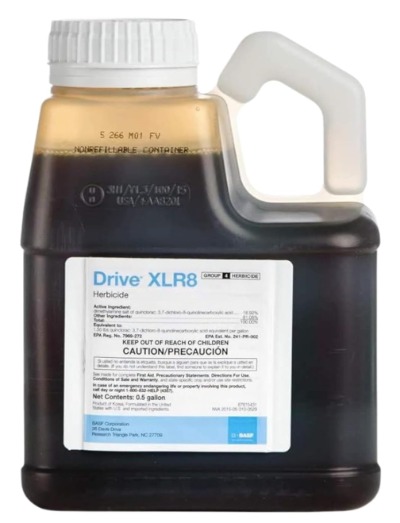
BASF Drive XLR8 Crabgrass Killer for Lawn and Turf
Product Description
The BASF Drive XLR8 is a liquid concentrate that you mix with water and spray over your lawn. Its active ingredient is quinclorac, a post-emergent herbicide that targets crabgrass and certain broadleaf weeds. It comes in a 64-ounce bottle, and the label describes the product as having residual control, which means it can keep working on new weed seeds for a while after you spray.
Best Use Cases
This product fits best when crabgrass is your main problem. Crabgrass is one of the most common summer weeds in lawns, and it spreads fast once the soil warms up. If your zoysia has a crabgrass invasion, this is one of the products people turn to first. It can also help with some broadleaf weeds, though it isn’t the top choice for sedges.
Key Features Explained Simply
The big feature is quinclorac. It works on young crabgrass plants, so timing matters. Spray when the crabgrass is small, not when it has grown into thick clumps. The concentrate format means you get a lot of spray for the money, because you mix it with water to make the final solution. The residual claim suggests the product can hold back new crabgrass seedlings for a period after application, which can reduce how often you need to treat.
Real-Life Usage Insight
In practice, most people notice the best results when they spray before the crabgrass gets large. If you wait until the weeds are big and seeding, the product still helps, but you’ll likely need a second round and more patience. Keep the lawn well watered before treatment, not soggy, and avoid mowing for a day or two before and after, since cutting too short can stress the grass. Apply on a calm day, because wind can carry the spray onto flower beds and other plants.
Pros
The product is focused on crabgrass, which is a real headache in zoysia lawns. The concentrate gives you good coverage for the cost, and mixing is straightforward once you measure carefully. The residual effect is a plus for people who get repeat crabgrass problems.
Cons
It’s not a cure-all. If your main issue is nutsedge or a heavy mix of broadleaf weeds, you’ll likely need a second product. The mixing step requires careful measuring, and too much product can cause injury. Also, results depend heavily on timing, so waiting too long can disappoint you.
Performance Discussion
When used on young crabgrass and applied under the right conditions, this product does a solid job. Expect the crabgrass to turn pale and die over the following days and weeks. It won’t make a thin lawn thick overnight, so the grass around the dead weeds needs time to fill in. Performance drops when weeds are mature, when the lawn is stressed by heat or drought, or when the spray is applied too late in the season.
Ease of Use
Mixing takes a few minutes with a measuring cup and a sprayer. The instructions are clear about rates, though you should double-check the label before you start. Application is simple with a pump sprayer or a hose-end sprayer, as long as you apply evenly. Spread the product in overlapping passes so you don’t miss strips or double up on spots.
Value for Money
For a homeowner with a crabgrass problem, this product offers good value because of the concentrate and the residual claim. You get a lot of treated area per bottle. It’s a smart buy when your lawn has a clear crabgrass issue, and less useful if you’re fighting a mix of weeds.
Celsius WG Herbicide 2-Pack with Bug and Blade Weed ID Card
Product Description
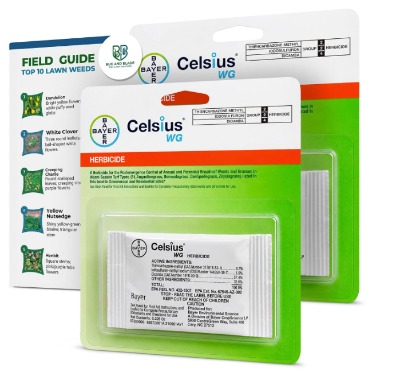
Celsius WG is a water-dispersible granule herbicide. You mix the granules with water and spray the solution over the lawn. This two-pack gives you enough product to treat a fair amount of turf, and it comes with a weed identification card, which is a nice touch for people who aren’t sure what they’re fighting. The product is aimed at broadleaf weeds and sedges across turf areas.
Best Use Cases
Celsius WG suits lawns with a mix of broadleaf weeds like clover, dandelion, and plantain, along with sedges such as nutsedge. If your zoysia looks fine except for scattered broadleaf weeds or yellow nutsedge poking through, this product is a strong candidate. It’s also a good fit for people who want one product to handle several weed types.
Key Features Explained Simply
The main feature is the combination of active ingredients, which gives the product a wider reach than a crabgrass-only product. Because it’s a granule that dissolves in water, it’s easy to measure in small amounts. The weed ID card helps you match the weeds in your lawn to the products that target them, which is useful for beginners. The two-pack gives you a little extra room to treat a second area or a follow-up application.
Real-Life Usage Insight
People who use this kind of product often find that the best time to spray is when broadleaf weeds are actively growing and not during extreme heat. Work in sections so you can control the spray pattern. Give the lawn a day or two to show results, because broadleaf weeds often wilt and yellow before they die. Clover and dandelion may come back from seed or from roots in some cases, so plan on follow-up treatments.
Pros
The product covers a broad range of weeds, including sedges, which many crabgrass products don’t touch. It’s easy to measure, and the ID card adds real value for newcomers. The two-pack format feels practical for medium-sized lawns.
Cons
Broadleaf and sedge products can be stressful on some grasses if misapplied, so careful rates and timing matter. Results on tough perennial weeds may take repeated treatments. Some people find that the granules need thorough mixing to avoid clumps that clog sprayers.
Performance Discussion
Celsius WG tends to deliver good results on common broadleaf weeds and nutsedge when used as directed. You’ll usually see weeds slow down and decline within a week or two, though full kill can take longer for established plants. It won’t stop every weed seed, so expect some new growth and plan maintenance treatments as needed. On zoysia, careful use is key. Stick to the label and avoid spraying when the grass is stressed.
Ease of Use
The granules mix easily with water if you add them slowly and stir well. Use a sprayer with a steady, even pattern. The ID card makes the learning curve shorter, because you can check weeds before you spray and confirm you’re treating the right problem.
Value for Money
The two-pack offers fair value, especially for owners who deal with several weed types. Compared with buying separate single-target products, this option can save money and reduce the number of bottles in your shed. It’s a practical choice for a broad, mixed-weed situation.
Atticus Vendra II Fluazifop Herbicide (32 oz)
Product Description
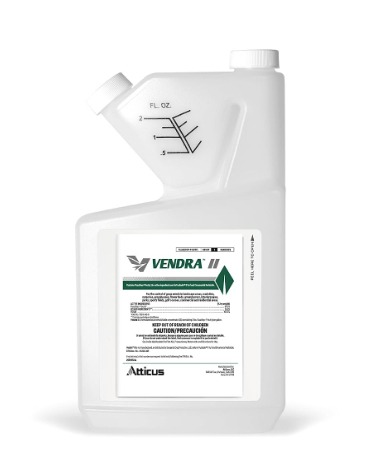
Atticus Vendra II is a liquid herbicide with fluazifop as its active ingredient. Fluazifop is a grass-selective herbicide, meaning it’s designed to target grassy weeds while leaving most broadleaf plants alone. The bottle is a 32-ounce concentrate. The product name mentions bermudagrass, and it’s marketed for tough grassy weeds in turf and ornamental settings.
Best Use Cases
This product fits best when your main problem is a grassy weed, such as bermudagrass creeping into a zoysia lawn or other unwanted grasses showing up in a bed of turf. Because it’s grass-selective, it can help clean out invasive grass without the broadleaf-killing action of some other products. It’s a more specialized tool, so it’s a fit for targeted problems rather than general lawn care.
Key Features Explained Simply
Fluazifop works by disrupting the growth of grassy plants. The product is absorbed through the leaves and moves into the roots and growing points. Because it targets grass, it’s useful for clearing unwanted grass from broadleaf plantings or beds. The 32-ounce size gives you a reasonable amount of product for spot treatments or a medium-sized area.
Real-Life Usage Insight
This is the product where caution matters most for zoysia. Because the herbicide targets grasses, you need to read the label carefully to confirm how it affects your specific turf type. Spot treat invasive grass rather than spraying the whole lawn. Apply when the weeds are actively growing and the zoysia is healthy and not stressed. Keep spray off the desirable turf as much as possible. If you’re working near edges where zoysia and weeds meet, use a shield or a targeted sprayer to avoid drift.
Pros
The product gives you a targeted way to attack grassy invaders. It’s useful in beds, borders, and areas where you want to remove a grass without disturbing broadleaf plants. The liquid format is straightforward to use.
Cons
Grass-selective products carry a higher risk of injury to turf grasses, including zoysia, if they’re misapplied. The “kills bermudagrass” wording can make people think it’s a simple fix, but timing, rates, and turf condition all play a role. It’s also less useful for broadleaf weeds, so you’ll need a second product for those.
Performance Discussion
When used on the right target and under the right conditions, this product can slow or kill invasive grass. Results usually take several days to a couple of weeks, and repeat applications may be needed for established clumps. The biggest performance risk is damage to the zoysia itself, which is why spot treatment and careful application are so important.
Ease of Use
Mixing is simple if you follow the label’s rates. Application needs more care than with a broad spray, because you want to avoid overspray on desirable grass. A small hand sprayer or a wand-style applicator works well for targeted work.
Value for Money
This product is best value for people with a specific grassy weed problem who want a focused tool. If you don’t have a bermudagrass or grassy weed issue, it’s not worth the cost. For those who do, the 32-ounce size is a reasonable investment.
Quali-Pro MSM Turf Herbicide 8 oz
Product Description
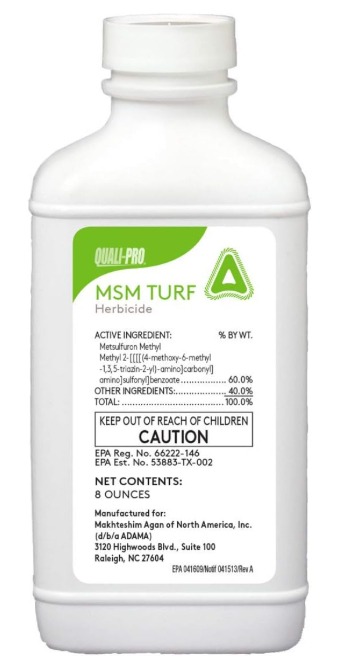
Quali-Pro MSM Turf Herbicide is a professional-grade product. Its active ingredient is MSMA, an organic arsenical herbicide used for controlling grassy weeds such as crabgrass and goosegrass in turf. It comes in an 8-ounce container, which is a small size for a product with this level of use. The label is written for professional applicators and turf managers, with specific rules about where and how it can be used.
Best Use Cases
This product fits golf courses, sod farms, athletic fields, and professional turf operations where grassy weed control is a regular need. For a homeowner, it’s not a casual choice. Some areas have restrictions on MSMA, and certain uses have been limited over time. Before you consider it, check local regulations and label requirements.
Key Features Explained Simply
MSMA is a post-emergent herbicide that targets grassy weeds. It’s known for working on crabgrass and some other annual and perennial grasses. The 8-ounce size suggests a concentrated product meant for careful, measured use rather than broad coverage. The label is detailed, and professionals are expected to follow it closely.
Real-Life Usage Insight
The biggest real-life point is that this is a restricted product in many places. Handling, storage, and disposal rules can be strict. People who buy it without understanding the rules can run into legal and safety problems. Protective equipment and careful measuring are part of normal use. For most homeowners, a simpler, widely available product is a better and safer route.
Pros
It’s a strong option for professional turf settings where grassy weed control is a daily challenge. The concentrated format means a little goes a long way when used correctly.
Cons
The restrictions and handling requirements make it a poor fit for most homeowners. Because it’s an arsenical, it requires careful safety practices, and misuse can harm people, pets, and the environment. Availability and legal status can vary, so buying it without checking local rules is risky. The small size can also feel limited for larger jobs.
Performance Discussion
When used correctly by trained applicators, this product can provide effective control of grassy weeds. Results depend on timing, weed size, and the condition of the turf. The performance is solid, but the restrictions and safety demands are a major part of the picture, so performance can’t be judged on results alone.
Ease of Use
For professionals with training and equipment, mixing and application follow standard procedures. For a typical homeowner, the ease of use is much lower because of the protective gear, record-keeping, and legal requirements. This is not a grab-and-spray product.
Value for Money
The price per treated area can look reasonable, but the true cost includes safety gear, compliance, and disposal. For most homeowners, the value is poor because simpler options can handle the same job with less risk.
Gordon’s Ornamec 170 Grass Herbicide, 32 Ounces
Product Description
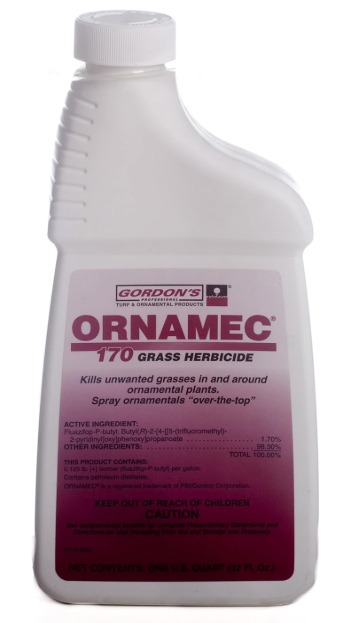
Gordon’s Ornamec 170 is a grass herbicide with fenoxaprop as its active ingredient. Like fluazifop, fenoxaprop is grass-selective, which means it’s aimed at grassy weeds rather than broadleaf plants. The product comes in a 32-ounce container and is marketed for use in ornamental settings and some turf areas. Its label sets out the grasses and conditions it is cleared for, so reading it closely is essential.
Best Use Cases
Ornamec 170 suits people who need to control unwanted grasses in beds, around shrubs, or along borders, and who want a product focused on grass rather than broadleaf weeds. In a zoysia lawn, its use depends on the label and on whether your turf is listed as tolerant. It’s a more specialized product for targeted grass control.
Key Features Explained Simply
Fenoxaprop targets grassy plants and works through the leaves and into the growing points. Because it’s selective, it can clean out grass weeds without treating your broadleaf plants, which is a plus in mixed beds. The 32-ounce size gives you a practical amount for spot work and medium-sized areas.
Real-Life Usage Insight
Use this product with care around zoysia. Spot treat the grass you want to remove, and avoid spray drift onto your lawn. The best results often come when weeds are young, actively growing, and not under heat or drought stress. Give the product time to work, because grass weeds usually decline over days and weeks rather than right away. Plan a follow-up if needed.
Pros
It offers a focused way to attack grass weeds in beds and borders. The liquid format is simple to use, and the selective action helps protect broadleaf plants nearby.
Cons
Grass-selective products always carry some risk for turf grasses, and zoysia is no exception. Label details matter a lot, and the product isn’t the right tool for broadleaf or sedge problems. Results may take time, and repeat applications are common for stubborn grasses.
Performance Discussion
When used on the correct targets, this product can give solid control of unwanted grasses. Performance is strongest on young plants and under good growing conditions. Expect a slower process than with a fast broadleaf product, and plan on patience.
Ease of Use
Mixing and application are straightforward when you follow the label. Targeted application with a small sprayer or wand works best. You’ll want to take extra care around the edges of your lawn to avoid stray spray.
Value for Money
For people with a clear grass problem in beds or borders, this product offers reasonable value at the 32-ounce size. For a general lawn weed problem, it’s a narrower tool and may not give you the best return.
Side-by-Side Comparison
Looking at all five products together helps clarify where each one fits. The BASF Drive XLR8 is the go-to pick for crabgrass in turf, and it’s easy to understand and use. Celsius WG covers a wider range of broadleaf weeds and sedges, which makes it a good all-around option for mixed lawns. Atticus Vendra II and Gordon’s Ornamec 170 are both grass-selective tools, which means they’re useful for removing unwanted grass but demand more care around zoysia. Quali-Pro MSM is a professional product with serious restrictions, so it’s the least practical choice for most homeowners.
In terms of ease of use, the BASF and Celsius products tend to be the most forgiving for beginners. The grass-selective products require closer attention to label details and application technique. The Quali-Pro product sits at the top of the difficulty scale because of its legal and safety demands.
For value, the best deal depends on your problem. A crabgrass-heavy lawn gets strong value from the BASF product. A mixed-weed lawn gets more from Celsius WG and its two-pack format. Grass-invasion problems in beds are best handled by the Atticus or Gordon’s options, while the Quali-Pro product is only worth a look for professional settings.
If you want a simple rule of thumb: match the product to the weed, not the other way around. Identify what’s growing in your lawn first, then pick the product built for that job.
Buying Guide: What to Look for in a Zoysia Herbicide
Buying the right herbicide starts with knowing what you’re fighting. Walk your lawn and take a few photos or notes. Look for crabgrass, which has broad, flat blades and spreads low to the ground. Look for nutsedge, which has triangular stems and grows faster than the grass around it. Look for clover, dandelion, plantain, and other broadleaf weeds with wide leaves. Look for bermudagrass or other grassy invaders that stand out from your zoysia by color or texture.
Next, check the label. The label tells you which weeds the product controls, which grasses it’s cleared for, how to mix it, when to apply it, and what safety steps to follow. If the label doesn’t list zoysia as a tolerant turf, be very careful. Labels are the legal guide for use, and following them protects your lawn and your household.
Think about the form of the product too. Liquid concentrates are flexible and cost-effective for larger areas, but they require measuring and mixing. Granules dissolve in water and are easy to measure in small batches. Ready-to-use sprays save time for small spot jobs, though they often cost more per treated area.
Look at the size and your needs. A 64-ounce bottle makes sense for a medium lawn with a clear target. A 32-ounce bottle suits spot work or a smaller area. A small container fits a single trouble spot. Buying too much can lead to waste, especially if the product loses strength over time on the shelf.
Finally, consider timing and weather. Most herbicides work best when weeds are young and actively growing, and when the grass is healthy and not stressed by heat, drought, or recent mowing. Plan your purchase around when you’ll actually apply the product, not just when you notice the weeds.
Who Should Buy Each Product
If crabgrass is your main concern and you want a focused product, the BASF Drive XLR8 is a strong fit. It’s a good pick for homeowners who see crabgrass show up each summer and want a dependable way to knock it back.
If you’re dealing with a mix of broadleaf weeds and sedges, Celsius WG is a practical choice. It suits owners who want one product that covers a wider range of common lawn weeds, and the ID card helps beginners learn what they’re treating.
If you have a grassy invader in beds or along borders and you need a targeted tool, Atticus Vendra II or Gordon’s Ornamec 170 can help. These suit owners who are comfortable with careful spot treatment and reading labels closely. They’re not the best choice for general lawn cleanup.
If you manage professional turf and have the training, licenses, and legal clearance, Quali-Pro MSM may be relevant. It’s not a product for casual homeowners, and it should only be purchased after you’ve checked local rules and safety requirements.
If you’re a complete beginner, start with the simplest problem you can see. Treat one clear weed type with one product, watch the results, and then decide whether you need a second step. That approach is less overwhelming and less risky than trying to fix everything at once.
Common Mistakes to Avoid
The first common mistake is spraying a dormant lawn. Zoysia turns tan in cold weather and looks dead, but it’s just resting. Spraying during dormancy often gives weak results and can stress the grass when it wakes up. Wait until the grass is actively growing and green.
The second mistake is ignoring the label. People often assume a product works the same on every grass, but zoysia has its own tolerance profile. Read the label, follow the rates, and respect the restrictions. Doubling the dose does not double the results. It usually causes injury.
The third mistake is spraying in extreme heat or drought. When the grass is stressed, it’s more likely to suffer damage from herbicide. Apply during milder, steadier conditions when the lawn is healthy.
The fourth mistake is mowing too short before or after treatment. Cutting too low stresses the grass and can make injury more likely. Keep your mowing height normal and avoid cutting right before or right after the spray, unless the label says otherwise.
The fifth mistake is spraying on a windy day. Wind carries spray onto flower beds, vegetable gardens, trees, and neighbors’ yards. Pick a calm morning or evening for application.
The sixth mistake is waiting too long to treat. Weeds that are large, flowering, or going to seed are harder to kill and spread the problem. Treat early when the weeds are small.
The seventh mistake is expecting instant results. Most herbicides take days to weeks to show their full effect. Give the product time before you decide it failed, and watch for slow decline rather than a sudden change.
The eighth mistake is mixing products without checking compatibility. Combining herbicides can change how they work or increase the risk of injury. Use one product at a time unless the label clearly allows a tank mix.
The ninth mistake is skipping safety gear. Gloves, eye protection, and long sleeves are simple steps that protect you during mixing and spraying. Wash your hands after use and keep children and pets off the treated area until the spray has dried, or as the label directs.
The tenth mistake is storing leftover product poorly. Keep it in its original container, out of reach of children and pets, and away from heat. Follow disposal rules for any leftover mix.
Frequently Asked Questions
Can I use a broadleaf weed killer on zoysia?
Some broadleaf products are labeled for use on zoysia, but many are not. Check the label before you spray. A product that’s fine for one lawn grass might injure another.
How long should I wait before walking on a treated lawn?
The waiting time depends on the product and the label. Many people wait until the spray has dried completely. Follow the label’s instructions and keep pets and children off the area until it’s safe.
Will these products kill my zoysia?
They can cause injury if misused, especially grass-selective products. Following the label, avoiding stressed turf, and spot treating when needed greatly lowers the risk.
How soon will I see results?
Broadleaf weeds often show stress in a few days, while grassy weeds may take one to three weeks to decline fully. Follow-up treatments are common for established weeds.
Do I need to reapply?
Many weed problems need more than one treatment, especially when new weeds keep sprouting. Watch your lawn and reapply only as the label allows.
Final Verdict
There’s no single best herbicide for every zoysia lawn. The right choice depends on what’s growing in your grass, how big your lawn is, and how comfortable you feel with careful application.
For crabgrass, the BASF Drive XLR8 is a solid, practical pick. It’s easy to understand, offers good coverage for the money, and fits a common summer problem. For a mix of broadleaf weeds and sedges, Celsius WG is a strong all-around choice, and the two-pack with its ID card gives beginners a helpful head start.
For grassy invaders in beds and borders, Atticus Vendra II and Gordon’s Ornamec 170 can do targeted work. Both are grass-selective, so they demand careful spot treatment and close attention to the label to protect your zoysia. They’re tools for specific jobs rather than general lawn care.
Quali-Pro MSM Turf Herbicide is a professional product with significant restrictions and safety demands. Most homeowners will find simpler options that suit their needs better and carry less risk.
If you’re just starting out, begin with the problem you can clearly see, read the label before you buy, and treat early while the weeds are small. Healthy, thick zoysia is the best defense against weeds, so pair any herbicide with good mowing, proper watering, and sensible feeding. With that approach, your lawn will look better, and the product you choose will do its job with fewer surprises.

Hi, I’m Mary, the founder of GardenCure.com. I’m passionate about creating healthy, beautiful gardens and well-kept lawns. I share practical experience and trusted advice on garden and lawn gear that truly works. With the support of my dedicated research team, our writers produce honest, in-depth reviews using reliable, authentic sources—helping you choose the right tools with confidence for your outdoor space.