How To Plant Peanut Plants
Learning how to plant peanut plants is easier than many beginners expect. Peanuts are a warm-season crop that grows well in a home garden with the right soil, sunshine and care. This article explains each stage in plain words, so a new gardener can follow along with confidence.
In this article
You will learn what peanuts are, how they grow, and how to prepare your planting space. You will also see how to plant the seeds, care for the plants, avoid common mistakes and know when to harvest. A short set of frequently asked questions closes the article.
Key Takeaways
- Peanuts need warm weather, full sun and loose, well-drained soil.
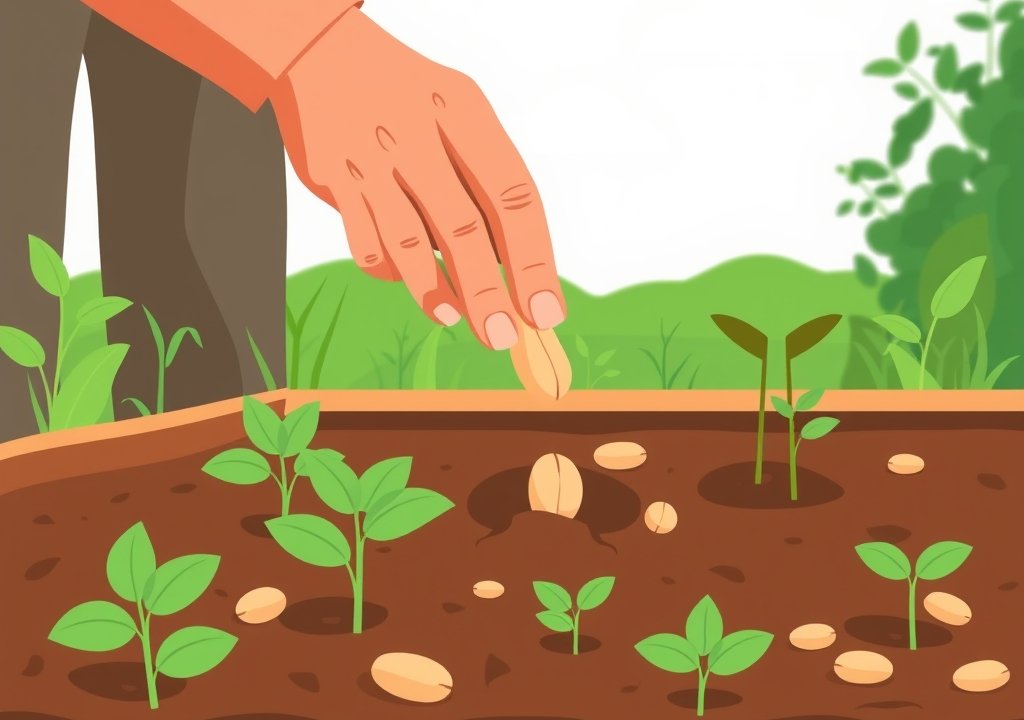
- Shell the pods and plant the seeds (kernels) about 2 inches deep after the soil has warmed.
- Peanuts form their pods underground, so soft, loose soil matters a lot.
- Keep the soil evenly moist, control weeds and avoid overcrowding.
- Harvest when the leaves yellow and the pod shells look veined and firm.
Peanut Basics for Beginners
What Peanuts Are and How They Grow
Peanuts are legumes, so they belong to the same plant family as beans and peas. They grow as low, bushy or spreading plants with small yellow flowers. The edible part is the seed inside the pod, not a true nut.
After flowering, the plant pushes a stalk called a peg into the soil. The peg grows into a pod, which matures below the surface.
Why Peanuts Grow Underground
The pegs need to bury themselves in loose soil, so the pods form underground and stay hidden until harvest. This is why peanuts are sometimes called groundnuts.
Heavy clay or hard, crusted ground can block the pegs. Loose, sandy or loamy soil gives the pods room to form.
Preparing to Plant Peanuts
Finding a Sunny Spot with Loose Soil
Peanuts need full sun, usually at least six to eight hours of direct light a day. They also need a long, warm growing season. Pick a spot that gets plenty of sun and does not stay soggy after rain.
Loosen the soil several inches deep before planting. Remove rocks, roots and clumps so the pegs can push through easily.
Testing Soil and Adjusting Its pH
Peanuts usually grow best in slightly acidic soil, with a pH roughly between 6.0 and 7.0. A simple soil test kit or a local extension service can check this for you.
If the soil is too acidic, garden lime can raise the pH. If it is too alkaline, sulfur or organic matter can help lower it over time. Make changes slowly and retest later.
Gathering Seeds and Tools
You will need seed peanuts, which are shelled, untreated nuts meant for planting. Use seed sold for gardening, or plain raw peanuts without salt or roasting. Avoid roasted, salted or coated nuts, because they may not sprout well.
Basic tools include a hand trowel or small shovel, a rake, a ruler, and a watering can or hose. A garden fork can help loosen compacted soil.
How to Plant Peanut Seeds Step by Step
Shelling and Preparing Peanut Seeds
Remove the shells gently so the kernels stay whole. Check each kernel and discard any that look moldy, shriveled or damaged. Healthy seeds give the best chance of sprouting.
Some gardeners soak seeds overnight before planting to speed germination. This step is optional. Plant the seeds the same day they are soaked so they do not rot.
Setting the Right Planting Depth and Spacing
Plant each kernel about 2 inches deep in loose soil. Space seeds 4 to 6 inches apart within the row, with 24 to 30 inches between rows. This gives each plant room to spread.
Plant only after the soil has warmed and frost has passed. Cold, wet ground can cause seeds to rot before they sprout.
Watering After Planting
Water the bed soon after planting so the soil settles around the seeds. Keep the surface moist but not waterlogged until seedlings appear. They usually show within one to two weeks, depending on soil temperature.
Caring for Peanut Plants as They Grow
Watering and Moisture Needs
Peanuts need steady moisture, especially during flowering and pod formation. Water deeply once or twice a week rather than lightly every day. This encourages roots to grow downward.
Reduce watering as the plants near maturity. Too much water late in the season can slow pod development.
Weeding and Mulching Around Plants
Weeds compete with peanuts for water, light and nutrients. Pull them by hand while they are small, and take care not to disturb the pegs. A light layer of straw can keep weeds down and hold moisture in the soil.
Hoeing close to the plants can damage developing pegs. Shallow cultivation is usually safer than deep digging once the plants are established.
Feeding Peanuts with Calcium and Nutrients
Peanuts need calcium to form full, healthy pods. Gypsum, which is calcium sulfate, is a common choice because it adds calcium without changing soil pH much. Apply it around the base of the plants when flowers appear.
Peanuts also make some of their own nitrogen with help from soil bacteria, so they often need less nitrogen fertilizer than many vegetables. A soil test can show which nutrients are missing.
Peanut Planting Mistakes to Avoid
Planting Too Early or in Cold Soil
Planting before the soil warms is one of the most common errors. Cold ground slows germination and invites rot. Waiting for warm weather usually gives better results.
Many gardeners wait until nighttime temperatures stay consistently mild. A simple soil thermometer can confirm the timing.
Overcrowding and Poor Drainage
Seeds planted too close together produce crowded plants and fewer pods. Follow the recommended spacing, even if it looks sparse at first. Good air flow also reduces disease.
Poor drainage can rot roots and developing pods. Raised rows or beds help water drain away after heavy rain.
Peanut Planting Examples for Different Gardens
Planting Peanuts in Raised Beds and Containers
Raised beds suit peanuts well because they warm faster and drain more easily. Fill the bed with loose, well-mixed soil and use the same spacing as in open ground. Containers can work too if they are large and deep enough for pods to form.
Choose a container at least 12 inches deep and wide, with drainage holes. Containers dry out faster, so they need more frequent watering.
Planting Peanuts in Open Ground
Open ground gives peanuts room to spread. Rows make weeding and watering easier. Rotating the planting area each year can reduce soil-borne problems.
Heavy clay soil may need extra work. Adding compost improves texture over time and helps the pegs push through.
Peanut Varieties and Which Ones to Start With
Peanuts come in several types, usually grouped as Runner, Spanish, Valencia and Virginia. Each type differs in growth habit, pod size and days to harvest. Runner types are common in home gardens because they are fairly uniform and easy to manage.
Beginners often do best with a variety recommended by a local seed supplier or extension office. These sources know which types perform well in regional climates. Ask if the variety suits your season length.
Harvesting Peanuts and Knowing When They Are Ready
Peanuts usually take several months to mature, depending on the variety and weather. Harvest is often timed by the leaves, which begin to yellow as the pods fill. Dig a test plant to check the pods.
A ready pod has a firm, veined shell, and the seeds fill the shell. Lift the plants gently with a fork, shake off the soil and let them dry in a sheltered spot. Store dried peanuts in a cool, dry place.
Frequently Asked Questions
Can I plant peanuts from grocery store nuts?
You can try, but results vary. Many store nuts are roasted, salted or treated, which can prevent sprouting. Raw, untreated peanuts sold for planting give more reliable results.
When is the best time to plant peanuts?
Plant after the soil has warmed and frost has passed. Peanuts need a long warm season to mature. Your local weather will guide the exact timing.
How long do peanut plants take to mature?
Most varieties need several months from planting to harvest. Check the seed information for the expected days to maturity.
Do peanut plants need full sun?
Yes, peanuts grow best with full sun, usually at least six to eight hours a day. Shade slows growth and reduces pod production.
Why are my peanut plants not producing pods?
Common causes include compacted soil, low calcium, cool weather or too much shade. Loosening the soil and adding gypsum can help in future seasons.
Conclusion
Planting peanuts takes patience, but the steps are simple. Choose a sunny spot with loose, well-drained soil, and plant shelled seeds after the ground warms. Keep the soil evenly moist and control weeds.
With steady care, peanuts can reward a beginner with a useful harvest. Watch the leaves and pods, and harvest when the shells look firm and veined.

Hi, I’m Mary, the founder of GardenCure.com. I’m passionate about creating healthy, beautiful gardens and well-kept lawns. I share practical experience and trusted advice on garden and lawn gear that truly works. With the support of my dedicated research team, our writers produce honest, in-depth reviews using reliable, authentic sources—helping you choose the right tools with confidence for your outdoor space.