How to Care for a Kalanchoe Plant?
Kalanchoe plants bring brilliant bursts of color into your home with their cheerful blooms and thick, glossy leaves. These succulent beauties have won the hearts of plant lovers everywhere, and for good reason. They’re incredibly forgiving, ridiculously easy to maintain, and reward you with months of stunning flowers.
In this article
I’ve been growing kalanchoes for years, and I’m here to share everything you need to know about keeping these gorgeous plants happy and thriving. You’ll soon discover why kalanchoe makes the perfect choice for busy people, beginners, and anyone who wants a low-maintenance flowering houseplant.
What Makes Kalanchoe Special
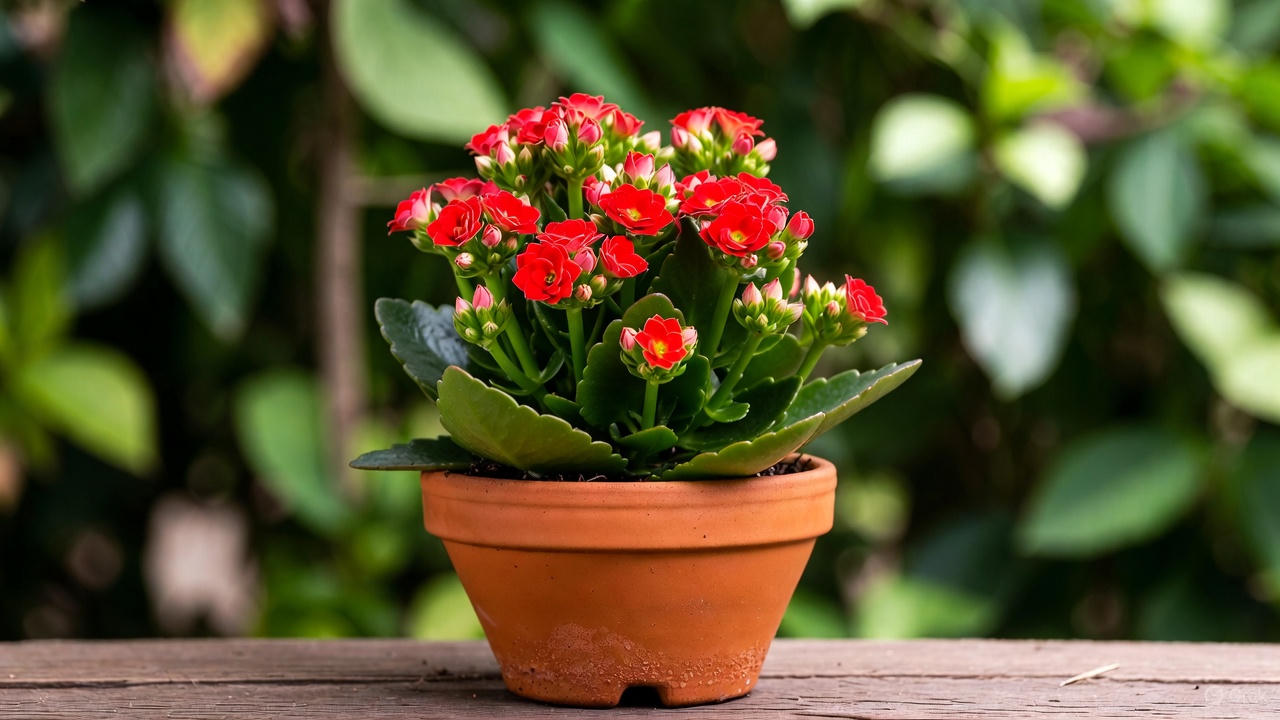
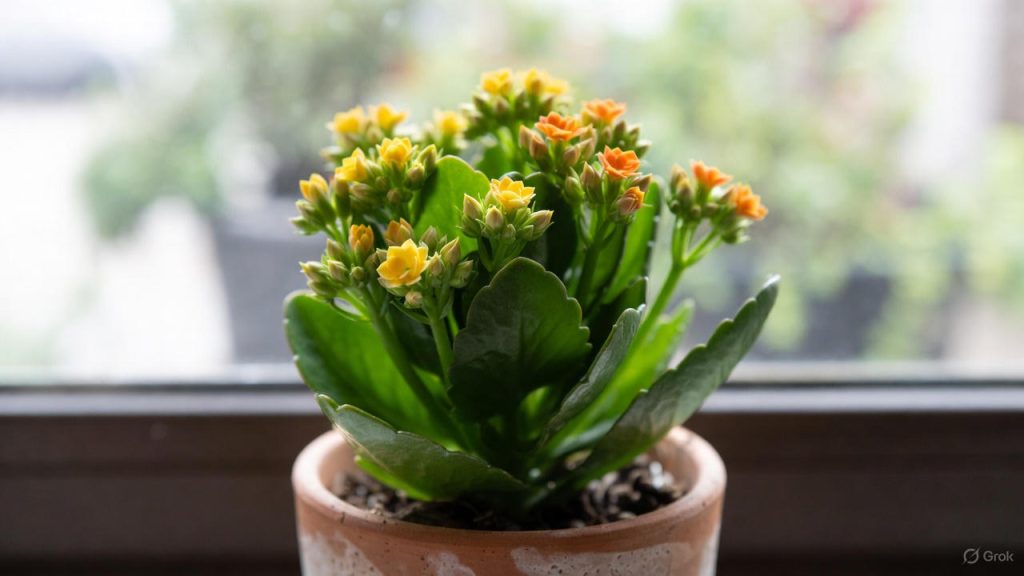
Kalanchoe blossfeldiana is the most common variety you’ll find at garden centers and flower shops. This Madagascar native produces clusters of tiny flowers in vibrant shades of red, pink, orange, yellow, and white. The blooms sit atop thick, dark green leaves that store water like tiny reservoirs.
These plants belong to the Crassulaceae family, which means they’re true succulents. Their fleshy leaves and stems hold moisture, making them drought-tolerant champions. You won’t need to fuss over them daily or worry if you forget to water for a week or two.
Kalanchoe plants typically grow between 6 to 12 inches tall and wide. They form compact, bushy shapes that look fantastic on windowsills, desks, or side tables. The best part? They can bloom for six to eight weeks straight, giving you a long-lasting display of color.
Light Requirements for Healthy Growth
Getting the light right sets the foundation for a thriving kalanchoe. These plants crave bright, indirect sunlight for most of the day. Think of placing them near a south-facing or east-facing window where they’ll soak up plenty of rays without getting scorched.
Direct afternoon sun through a west-facing window can sometimes be too intense. The leaves might develop brown, crispy patches if exposed to harsh rays for too long. You’ll notice the damage quickly – the thick leaves start looking bleached or burned around the edges.
A north-facing window usually doesn’t provide enough light. Your kalanchoe will survive, but it probably won’t bloom. The plant might also become leggy, stretching toward the light source with long stems and sparse leaves.
Here’s a simple test: If you can comfortably read a book in the spot where your plant sits, the light is probably just right. Natural light works best, but you can supplement with grow lights if your home doesn’t have ideal windows.
During winter months, you might need to move your plant closer to a window. The sun sits lower in the sky and days are shorter, so less light enters your home. Keep an eye on your kalanchoe’s appearance – it will tell you if it needs more brightness.
Watering Your Kalanchoe the Right Way
Watering is where most people either succeed or struggle with succulents. Kalanchoes hate sitting in soggy soil. Their roots rot quickly if left in wet conditions, so you need to let the soil dry out between waterings.
Stick your finger about an inch deep into the soil. If it feels completely dry, it’s time to water. If you still feel any moisture, wait another few days. This simple touch test prevents overwatering better than any schedule ever could.
When you do water, do it thoroughly. Pour water slowly into the pot until it runs out the drainage holes at the bottom. This ensures the entire root system gets hydrated. Then empty the drainage tray so your plant isn’t sitting in water.
During active growth and blooming seasons (typically spring and summer), you’ll water more frequently – maybe once every 7-10 days. In fall and winter, when growth slows down, you might only need to water every 2-3 weeks.
Yellow, mushy leaves signal overwatering. The stems might also feel soft and squishy near the base. If you catch this early, you can save your plant by letting the soil dry out completely and cutting back on watering frequency.
Wrinkled, shriveled leaves mean your kalanchoe is thirsty. The thick leaves will look deflated and feel less plump. A good watering will perk them right back up within a day or two.
Room temperature water works perfectly fine. You don’t need to worry about filtered or distilled water unless your tap water is extremely hard. Let the water sit out overnight if you’re concerned about chlorine.
The Perfect Soil Mix
Kalanchoe plants need soil that drains quickly. Regular potting soil stays too wet and compact for these succulents. The roots need air pockets and the ability to dry out between waterings.
A cactus and succulent potting mix from any garden center works great right out of the bag. These specialized blends contain ingredients like sand, perlite, and bark that create a loose, fast-draining structure.
You can also make your own mix at home. Combine two parts regular potting soil with one part perlite or coarse sand. This creates the perfect balance of nutrients and drainage. Some growers add a handful of orchid bark for extra aeration.
The soil should feel gritty and granular, not smooth and dense. When you water, the excess should run through quickly rather than pooling on top or draining slowly. Fast drainage is key to preventing root rot.
I like to add a thin layer of small pebbles or gravel on top of the soil. This decorative touch also prevents moisture from sitting around the base of the stems. It’s not necessary, but it adds a nice finishing touch.
Choosing the Right Pot
Drainage holes are non-negotiable for kalanchoes. Without them, excess water has nowhere to go. The roots will sit in saturated soil and eventually rot. Always use a pot with at least one drainage hole in the bottom.
Terra cotta and ceramic pots work wonderfully for succulents. These materials are porous, allowing air to reach the roots and helping soil dry out faster. Plastic pots work too, but they retain moisture longer, so you’ll need to adjust your watering accordingly.
Size matters when it comes to pots. Your container should be just slightly larger than the root ball – maybe an inch wider on all sides. A pot that’s too large holds excess soil and moisture, increasing the risk of overwatering.
I prefer wider, shallow pots over tall, narrow ones. Kalanchoe roots spread out more than they grow deep. A wider pot accommodates their natural growth pattern and looks proportionally better with the plant’s compact shape.
Repot your kalanchoe every two years or when you see roots growing out of the drainage holes. Spring is the ideal time for repotting, right before the active growing season begins. This gives your plant time to adjust and establish itself in fresh soil.
Temperature and Humidity Needs
Kalanchoes thrive in normal household temperatures between 60-85°F. They’re comfortable in the same conditions that keep you comfortable. You won’t need to create any special climate zones in your home.
These plants can’t tolerate frost or freezing temperatures. Keep them away from drafty windows in winter and don’t put them outside if nighttime temperatures drop below 50°F. Cold damage appears as dark, mushy spots on the leaves.
Hot temperatures above 90°F stress kalanchoes too. The leaves might wilt or drop, and the plant will stop blooming. If you live in a hot climate, keep your plant away from heat vents and sunny windows during summer months.
Average household humidity levels suit kalanchoes perfectly. You don’t need to mist them or run a humidifier. In fact, these succulents prefer drier air over humid conditions. Humidity levels between 40-50% are ideal.
Avoid placing your kalanchoe in bathrooms or kitchens where steam and moisture accumulate. These damp environments can encourage fungal problems and rot. A bedroom, living room, or home office provides better conditions.
Fertilizing for Bigger, Better Blooms
Kalanchoes aren’t heavy feeders, but they do appreciate occasional nutrients during their growing season. A balanced, water-soluble fertilizer helps them produce more blooms and maintain healthy foliage.
Feed your plant once a month from spring through early fall. Use a fertilizer diluted to half the recommended strength. Full-strength fertilizer can burn the roots and leaves of succulents, so always err on the side of less.
Look for a balanced formula like 10-10-10 or 20-20-20. Some growers prefer a bloom-boosting fertilizer with slightly higher phosphorus (the middle number) to encourage more flowers. Either option works well for kalanchoes.
Stop fertilizing in late fall and winter when the plant enters its rest period. During these months, growth slows dramatically. Your kalanchoe doesn’t need extra nutrients when it’s not actively growing.
Slow-release fertilizer pellets mixed into the soil offer another convenient option. These release nutrients gradually over several months. If you use this method, you won’t need to fertilize on a monthly schedule.
Signs of over-fertilizing include white, crusty buildup on the soil surface or pot rim. The leaf tips might also turn brown. If you notice these symptoms, flush the soil with plain water and skip the next few feedings.
Pruning and Deadheading
Removing spent flowers keeps your kalanchoe looking tidy and encourages new blooms. Once the flowers fade and dry up, pinch them off at the base of the cluster. This process, called deadheading, redirects the plant’s energy into producing more buds.
You can use your fingers to pinch off dead flowers, or use clean scissors or pruning shears for a neater cut. Make the cut just above where the flower stem meets the main plant. Don’t worry about cutting too much – kalanchoes are tough and forgiving.
After the main blooming period ends, your kalanchoe will look a bit bare with just its foliage showing. This is the perfect time to shape the plant. Cut back any leggy or straggly stems to maintain a compact, bushy appearance.
Trim stems just above a leaf node (the point where leaves attach to the stem). New growth will sprout from these nodes, creating a fuller plant. You can cut back up to one-third of the plant’s height without causing stress.
Remove any damaged, yellowed, or diseased leaves as soon as you spot them. This keeps your plant healthy and prevents problems from spreading. Pull the leaves gently at their base or snip them off with clean scissors.
The cuttings you remove during pruning don’t have to go to waste. You can propagate them to grow new kalanchoe plants. We’ll talk more about that in the propagation section.
Getting Your Kalanchoe to Rebloom
One of the most common questions I hear is: “My kalanchoe finished blooming – will it flower again?” The answer is yes! With the right care, you can coax your plant into reblooming.
After the flowers fade, give your kalanchoe a rest period. This usually happens naturally in late summer and fall. During this time, cut back on watering slightly and stop fertilizing. Let the plant rest for 4-6 weeks.
Kalanchoes are photoperiodic, which means they bloom in response to day length. They need 12-14 hours of complete darkness each night for about six weeks to set new flower buds. This mimics their natural growing conditions in Madagascar.
You can trigger blooming by giving your plant this dark period artificially. Starting in early fall, place your kalanchoe in a completely dark closet or cover it with a box every evening. Do this for 14 hours straight, from around 6 PM to 8 AM.
During the day, give your plant bright, indirect light as usual. Water and care for it normally. After 6-8 weeks of this dark treatment, you should see tiny flower buds forming at the tips of the stems.
Once buds appear, you can stop the dark treatment. Move your plant back to its regular spot and resume normal care. The buds will develop over the next few weeks, eventually opening into a beautiful display of flowers.
This process takes patience and consistency, but the reward is totally worth it. A kalanchoe that reblooms proves you’ve mastered its care requirements.
Propagating New Plants
Propagating kalanchoes is surprisingly easy and incredibly satisfying. You can create new plants from stem cuttings or leaf cuttings, and both methods have high success rates.
For stem cuttings, use a clean, sharp knife or scissors to cut a 3-4 inch piece from a healthy stem. Remove the bottom leaves, leaving just 2-3 leaves at the top. Let the cutting sit out for a day or two so the cut end can callus over.
Once callused, stick the cutting into moist cactus soil. The cut end should be buried about an inch deep. Place the pot in bright, indirect light and keep the soil lightly moist (not soggy). Roots will develop in 2-3 weeks.
Leaf propagation works similarly. Gently twist a healthy leaf from the stem, making sure to get the entire leaf base. Let it callus for a day, then lay it on top of moist soil. Don’t bury it – just rest it on the surface.
Keep the soil lightly moist and wait patiently. Within a few weeks, tiny roots and baby plants will sprout from the base of the leaf. Once the new plants are about an inch tall, you can pot them up individually.
Water propagation is another option. Place your stem cutting in a glass of water, making sure the bottom inch is submerged. Change the water every few days. Roots will appear within 2-3 weeks, and you can then plant the cutting in soil.
The best time to propagate is spring or early summer when the plant is actively growing. Propagation during the growing season gives cuttings the best chance of success.
Common Problems and Solutions
Even though kalanchoes are low-maintenance, they can still develop issues. Learning to spot and solve problems early keeps your plant healthy and beautiful.
Leggy, stretched-out growth happens when your kalanchoe doesn’t get enough light. The stems grow long and thin as the plant reaches for brighter conditions. Move it closer to a window or add supplemental grow lights.
Leaf drop can result from several causes. Sudden temperature changes, overwatering, or underwatering all trigger leaves to fall off. Check your care routine and environmental conditions to identify the culprit.
Powdery white coating on leaves indicates powdery mildew, a fungal disease. This develops in humid conditions with poor air circulation. Remove affected leaves, improve air flow around the plant, and reduce humidity.
Soft, mushy stems at the base signal root rot from overwatering. You might be able to save the plant by cutting away the rotted parts and repropagating healthy sections. Always let the soil dry out between waterings to prevent this.
Tiny insects on leaves or stems are usually aphids or mealybugs. Wipe them off with a cotton swab dipped in rubbing alcohol. For heavier infestations, spray the plant with insecticidal soap, making sure to coat the undersides of leaves.
Brown, crispy leaf tips develop from too much direct sun, low humidity, or salt buildup from fertilizer. Adjust light exposure, rinse the soil thoroughly with water, and reduce fertilizer concentration.
No flowers despite healthy growth means your plant isn’t getting the dark period it needs. Follow the reblooming instructions above to trigger flower bud formation.
Kalanchoe Varieties to Try
While Kalanchoe blossfeldiana is the most popular variety, several other types offer unique characteristics. Exploring different varieties adds interesting textures and colors to your collection.
Kalanchoe tomentosa (Panda Plant) features fuzzy, gray-green leaves with brown spots along the edges. This variety doesn’t bloom reliably indoors, but the velvety foliage more than makes up for it.
Kalanchoe luciae (Paddle Plant or Flapjack Plant) produces large, flat leaves that stack in a rosette. The leaf edges turn bright red when exposed to bright light and cooler temperatures.
Kalanchoe daigremontiana (Mother of Thousands) grows tiny plantlets along the edges of its leaves. These baby plants drop off and root wherever they land, making this variety incredibly easy to propagate.
Kalanchoe pinnata (Cathedral Bells) features scalloped leaf edges and produces tubular, bell-shaped flowers. This variety can grow quite tall, reaching up to 3 feet in ideal conditions.
Kalanchoe thyrsiflora looks similar to K. luciae but has thicker, more rounded leaves. It’s sometimes called Desert Rose or Paddle Plant, though it shouldn’t be confused with Adenium (also called Desert Rose).
Each variety has slightly different care requirements, but they all share the basic needs of bright light, well-draining soil, and infrequent watering. Start with K. blossfeldiana to build your confidence, then branch out to other types.
Seasonal Care Adjustments
Your kalanchoe’s needs shift slightly throughout the year. Adjusting your care routine with the seasons keeps your plant healthy and encourages regular blooming.
Spring marks the beginning of active growth. This is when you’ll see new stems and leaves developing rapidly. Resume regular fertilizing and increase watering frequency as the plant uses more moisture. Repot if needed.
Summer brings warm temperatures and strong sunlight. Watch for signs of sun stress if your plant sits in a south-facing window. You might need to move it back slightly or add a sheer curtain for protection. Water more frequently during hot weather.
Fall signals the start of the rest period. Days grow shorter naturally, which can trigger flowering. If you want to ensure blooms, start the 6-week dark treatment in early fall. Reduce watering slightly and stop fertilizing.
Winter is rest time for kalanchoes. Growth slows dramatically during short, cold days. Water sparingly and don’t fertilize at all. Watch for drafts near windows and keep the plant away from heating vents that dry out the air excessively.
These seasonal adjustments mimic the plant’s natural growing cycle in its native Madagascar. Following these patterns results in a healthier, happier kalanchoe that blooms more reliably.
Pet Safety Considerations
Kalanchoe plants are toxic to cats and dogs. The plant contains cardiac glycosides that can cause serious health problems if ingested. Symptoms include drooling, vomiting, diarrhea, and in severe cases, abnormal heart rhythms.
If you have curious pets who like to nibble on plants, keep your kalanchoe out of reach. Place it on high shelves, in hanging planters, or in rooms your pets don’t access. Don’t assume your pet won’t be interested – even pets who normally ignore plants might take an experimental bite.
The toxicity affects livestock too, so never plant kalanchoes in outdoor areas where animals graze. While the plant is beautiful, it’s not worth risking your pet’s health.
If you suspect your pet has eaten any part of a kalanchoe, contact your veterinarian or pet poison control immediately. Quick action can prevent serious complications. Bring a piece of the plant with you so the vet can identify it accurately.
For homes with pets, consider pet-safe alternatives like spider plants, Boston ferns, or prayer plants. These offer greenery without the worry. If you love kalanchoes too much to give them up, create a dedicated plant room with a door that stays closed.
Troubleshooting Bloom Issues
You bought your kalanchoe covered in flowers, but now it won’t bloom again. This frustrates many plant parents, but the solution is simpler than you think.
First, check the light. Insufficient light is the number one reason kalanchoes fail to bloom. The plant needs bright, indirect light for at least 6-8 hours daily. Without adequate light, it won’t have the energy to produce flowers.
Next, evaluate your fertilizing routine. While kalanchoes aren’t heavy feeders, they do need some nutrients to support blooming. If you haven’t fertilized in over a year, the soil might be depleted. Start feeding monthly during the growing season with a balanced fertilizer.
Age matters too. Very young kalanchoes might not be mature enough to bloom. They need to reach a certain size and maturity level before producing flowers. Give young plants time to grow and develop.
The dark period remains crucial. Many people skip this step because it seems tedious, but it really works. Kalanchoes evolved in environments with distinct wet and dry seasons and specific day lengths. The dark treatment mimics their natural blooming triggers.
Temperature stress can inhibit flowering. If your home is consistently too hot or too cold, your kalanchoe might focus on survival rather than reproduction. Maintain temperatures between 60-75°F for best results.
Finally, patience pays off. Even when you do everything right, blooming takes time. Don’t give up after a few weeks. Follow the reblooming protocol consistently, and your kalanchoe will reward you with flowers.
Your Kalanchoe Care Journey
Caring for a kalanchoe plant doesn’t require special skills or years of experience. These tough, beautiful succulents forgive mistakes and thrive with minimal attention. The basics are simple: bright light, well-draining soil, infrequent watering, and occasional feeding.
Start with one plant and learn its rhythms. Pay attention to how it responds to your care. The thick leaves will tell you when it’s thirsty. The growth pattern will show you if the light is right. The blooming cycle will teach you patience and reward you with color.
As you gain confidence, experiment with different varieties. Try propagating cuttings to share with friends. Challenge yourself to rebloom your plant year after year. Each kalanchoe you grow will deepen your understanding and appreciation.
The joy of kalanchoe care comes not just from the spectacular flowers, but from the connection you build with your plant. You’ll learn to read its signals, anticipate its needs, and celebrate its growth. That relationship transforms a simple houseplant into a rewarding hobby.
Your kalanchoe wants to succeed. Give it the basic care outlined in this guide, and it will thrive for years. The colorful blooms, glossy leaves, and low-maintenance nature make kalanchoe one of the best plants for any home. Now you have all the knowledge you need to grow these gorgeous succulents with confidence.
Hi, I’m Mary, the founder of GardenCure.com. I’m passionate about creating healthy, beautiful gardens and well-kept lawns. I share practical experience and trusted advice on garden and lawn gear that truly works. With the support of my dedicated research team, our writers produce honest, in-depth reviews using reliable, authentic sources—helping you choose the right tools with confidence for your outdoor space.