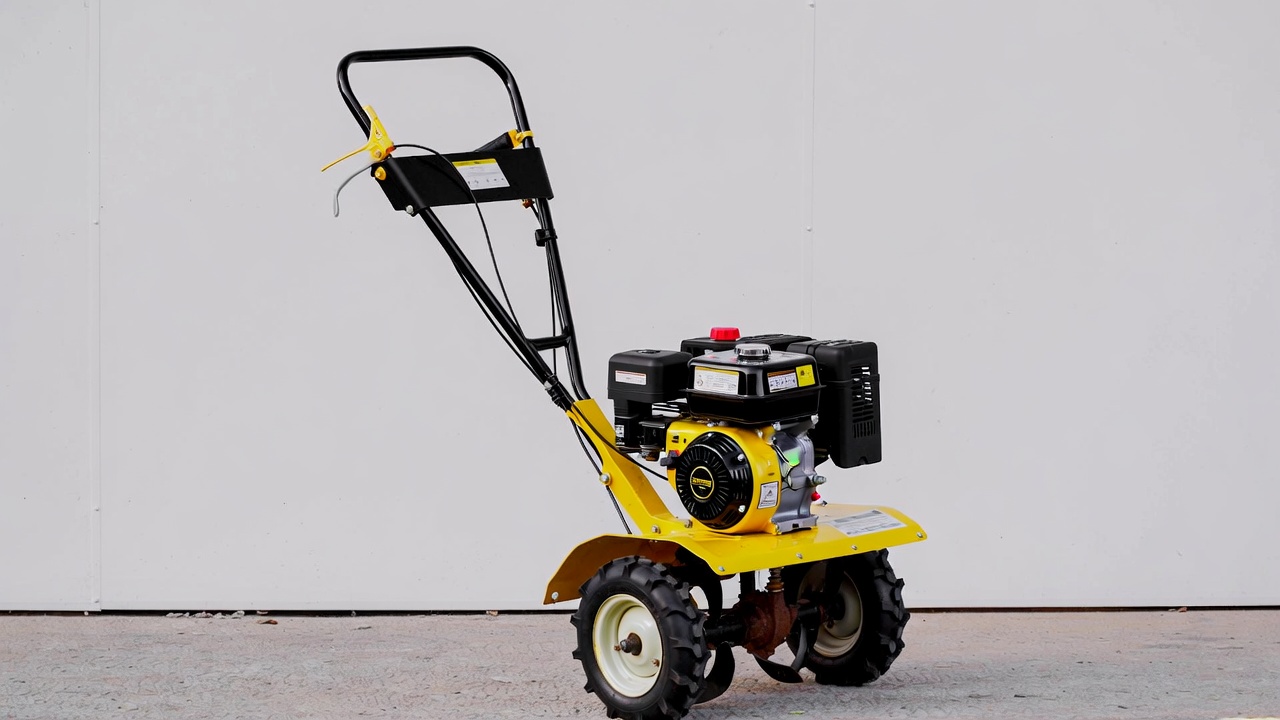
5 Best Garden Tiller Cultivator In 2026
Breaking ground for a new garden bed shouldn’t feel like an Olympic event. Your back agrees, and so does that plot of hard-packed earth staring at you from the backyard. A quality garden tiller cultivator transforms exhausting manual labor into a manageable task, letting you focus on the fun part—actually growing things.
In this article
After testing numerous models and digging through countless customer experiences, we’ve compiled this comprehensive roundup of the top garden tillers on the market. Each machine here brings something different to the table, from compact electric options perfect for small yards to robust gas-powered beasts that laugh in the face of clay soil.
Why Your Garden Needs a Tiller Cultivator
Let’s get real about soil preparation. Turning over compacted earth with a spade takes hours of grueling work. Your shoulders burn, blisters form, and you’re left questioning your life choices. A tiller cultivator does in minutes what would take you an entire afternoon with hand tools.
These machines break up hard soil, mix in compost and amendments, uproot weeds, and create the fluffy, oxygen-rich beds that vegetables and flowers crave. Whether you’re starting a new garden plot, refreshing existing beds between seasons, or maintaining rows in a larger growing space, the right tiller makes all the difference.
The market offers everything from lightweight electric models weighing under 30 pounds to heavy-duty gas tillers that can tackle virgin ground. Your ideal machine depends on your specific needs: garden size, soil type, power source preference, and how often you’ll use it.
1. Sun Joe TJ604E: The Heavy-Duty Electric Workhorse
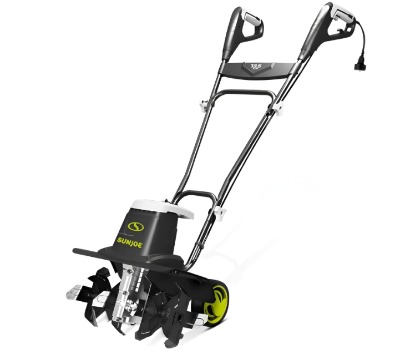
The Sun Joe TJ604E brings serious power to the electric tiller category. This corded model features a robust 13.5-amp motor that drives six steel tines through soil with impressive determination.
Product Description
This tiller cultivates a 16-inch wide path, making it efficient for medium to large garden beds. The steel tines dig down to 8 inches deep, reaching below the surface crust to truly loosen and aerate the soil. The tines rotate at high speed, pulverizing clumps and creating a fine tilth that plants love.
Sun Joe designed this machine with a folding handle for compact storage. The three-position wheel adjustment helps you control tilling depth and maneuver around obstacles. At 27.1 pounds, it’s light enough to transport easily but heavy enough to dig in rather than bounce across the surface.
The 13.5-amp motor provides consistent power through an extension cord. You’ll never worry about battery life or mixing fuel. Just plug in and start tilling.
Pros
The instant-start electric motor eliminates the hassle of pull cords and engine maintenance. You’re not dealing with oil changes, spark plugs, or carburetor issues. Press the safety button, pull the trigger, and you’re working.
This model delivers exceptional value for the price point. You get commercial-grade tilling performance without the commercial-grade price tag. The motor has plenty of torque to handle clay soil and established garden beds.
The 16-inch tilling width covers ground quickly. You’re not making endless passes to cover even a modest garden plot. The depth adjustment lets you customize cultivation for different tasks—light weeding versus deep soil preparation.
Cleanup is straightforward. No gasoline residue or oil to deal with means you can store this tiller in your garage or shed without worrying about fumes.
Cons
The cord limits your range. You need an outdoor outlet and potentially a heavy-duty extension cord rated for the amperage. This makes the TJ604E less suitable for remote garden plots far from power sources.
At full 8-inch depth, this tiller works hard in really compacted soil. You might need to make multiple passes, gradually increasing depth, rather than trying to dig straight down to the maximum in one go.
The plastic housing, while durable for the price, doesn’t match the ruggedness of all-metal construction on premium models. Treat it with reasonable care and it performs well, but don’t expect it to survive being dropped or roughly handled.
2. Alloyman 20V Cordless Tiller: Freedom from Cords and Gas
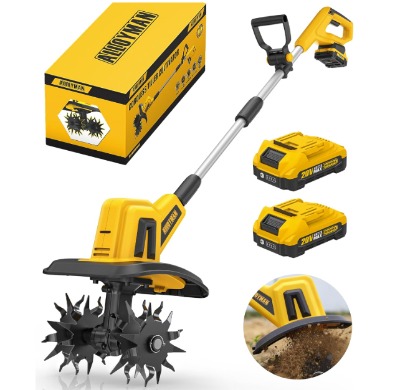
The Alloyman cordless tiller brings battery power to garden cultivation. This 20V model includes two 2.0Ah batteries, giving you the freedom to work anywhere without dragging an extension cord or mixing fuel.
Product Description
This compact tiller features four steel tines that cultivate a 9-inch width and reach 6.6 inches deep. The 360 RPM rotation speed balances power consumption with effective soil breaking. The brushless motor provides efficient operation and extended battery life.
Two included batteries mean you can swap a fresh one in when the first drains. The charger brings batteries back to full capacity relatively quickly, minimizing downtime between tilling sessions.
Weighing just 11 pounds without the battery, this is among the lightest tillers available. The ergonomic handle design reduces fatigue during extended use. The adjustable tilling depth lets you work from light cultivation to deeper soil preparation.
Pros
Cordless operation gives you complete freedom. Till that back corner plot, work around a shed, or prepare beds scattered across your property without worrying about cord length or power outlet locations.
The lightweight design makes this tiller incredibly easy to maneuver. Navigating between established plants, working in raised beds, or tilling along fence lines becomes simple rather than an exercise in wrestling a heavy machine.
Battery power means quiet operation. You can work early in the morning or during the evening without disturbing neighbors. The lack of engine noise also makes the experience more pleasant for you.
Maintenance is practically zero. No oil, no gas, no spark plugs, no air filters. Just keep the batteries charged and occasionally clean soil off the tines.
Cons
The 9-inch width and 6.6-inch depth make this a compact tiller. It excels at smaller gardens, raised beds, and light cultivation tasks. For large plots or breaking virgin ground, you’ll want more tilling width and power.
Battery runtime limits continuous operation. The 2.0Ah batteries provide enough power for small to medium jobs, but you’ll need to recharge for larger projects. Consider purchasing extra batteries if you have extensive tilling needs.
The 20V motor, while efficient, doesn’t match the raw power of corded electric or gas models. This tiller works best in already-established garden soil rather than hard-packed clay or heavily compacted earth.
3. MZK 40V 12-Inch Cordless Tiller: The Battery Power Champion
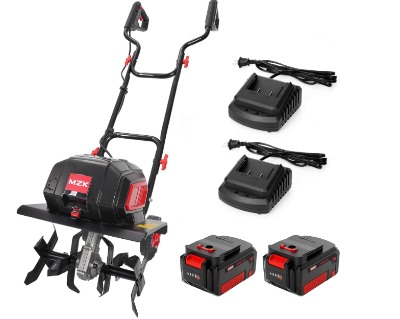
MZK steps up the cordless game with a 40V system that bridges the gap between compact battery tillers and full-size corded models. This machine brings serious capability without the cord.
Product Description
The MZK tiller features a 12-inch tilling width and impressive 8.6-inch depth capacity. Four heavy-duty steel tines powered by a 40V brushless motor break through soil with authority. The included dual 4.0Ah batteries provide substantial runtime.
This model’s higher voltage and larger battery capacity deliver performance that rivals many corded electric tillers. The brushless motor maximizes efficiency, translating battery power into tilling action without wasted energy.
The adjustable working depth and foldable handle make this tiller versatile and storage-friendly. Rear wheels help with transport across your yard to different garden areas.
Pros
The 40V system with dual 4.0Ah batteries provides excellent runtime and power. You can tackle significant garden projects on a single charge. This setup gives you cordless freedom without sacrificing performance.
The 12-inch width and 8.6-inch depth match many corded models. You’re getting real tilling capability, not just surface scratching. This machine handles established garden beds, new plot preparation, and seasonal soil turning with equal competence.
The brushless motor runs cooler and more efficiently than brushed alternatives. This extends both motor life and battery runtime. You get more work done per charge and a tiller that lasts for years.
Dual batteries mean you always have a backup. Swap them mid-job if needed, or have one charging while you use the other. The smart charger protects batteries from overcharging, preserving their long-term capacity.
Cons
The higher voltage and battery capacity increase the overall weight compared to lighter cordless models. While still manageable, this tiller weighs more than the compact 20V options.
The investment is higher than basic corded tillers. You’re paying for battery technology, the brushless motor, and dual batteries. That said, the performance and convenience justify the cost for many gardeners.
Battery-powered tillers of any voltage eventually need battery replacement as cells age. With proper care, lithium batteries last for years, but they’re not infinite.
4. Sun Joe TJ603E: The Budget-Friendly Electric Option
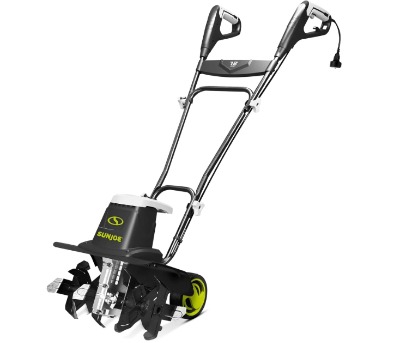
The Sun Joe TJ603E delivers reliable electric tilling at an entry-level price point. This 12-amp corded model provides excellent value for gardeners who want quality performance without premium pricing.
Product Description
This tiller features the same 16-inch tilling width as its more powerful sibling, the TJ604E, but uses a 12-amp motor. The six steel tines cultivate soil to 8 inches deep. The motor provides ample power for most garden tasks while keeping the price accessible.
Sun Joe includes their signature folding handle and three-position wheel adjustment. The instant-start electric system eliminates pull-cord frustration. The safety switch prevents accidental starting.
At a weight similar to the TJ604E, this model balances maneuverability with enough heft to dig in properly. The tines are the same durable steel construction found on Sun Joe’s higher-end models.
Pros
The value proposition here is outstanding. You get a capable 16-inch tiller with solid construction at a price that makes garden cultivation accessible to everyone. This is the tiller that proves you don’t need to spend a fortune for good results.
The 12-amp motor handles regular garden soil with ease. For typical backyard gardens with established beds, this provides all the power you need. It turns over soil, mixes in compost, and prepares beds for planting without complaint.
Electric reliability means no engine troubleshooting. The motor either works or it doesn’t—no carburetor adjustments, no fuel mixture problems, no seasonal storage concerns.
The 16-inch width makes this one of the widest budget tillers available. You cover ground efficiently, finishing jobs in reasonable time even with slightly less motor power than premium models.
Cons
The 12-amp motor shows its limits in really tough conditions. Hard clay soil, soil with lots of rocks, or breaking completely new ground might challenge this tiller. You’ll either need to make more passes or consider stepping up to the 13.5-amp TJ604E.
Like all corded tillers, you’re tethered to an electrical outlet. Plan your garden layout to accommodate cord reach, or invest in a quality outdoor-rated extension cord.
The reduced motor power means the tines sometimes bog down in the toughest soil conditions. This isn’t a daily concern for most users, but it’s worth noting if your property has particularly challenging earth.
5. BILT HARD 24-Inch Gas Tiller: The Serious Gardener’s Machine
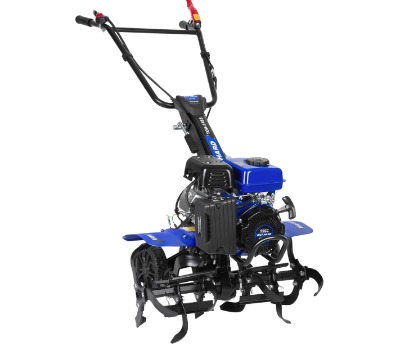
The BILT HARD gas tiller brings professional-grade capability to home gardeners. This 99cc four-cycle engine model tackles jobs that make electric tillers whimper.
Product Description
This beast features counter-rotating front tines spanning a 24-inch width. The tines dig to an impressive 11.8-inch maximum depth. The 99cc four-cycle engine provides consistent power regardless of how tough the soil gets.
Variable width adjustment lets you narrow the tilling width for working between rows or going full width for open field preparation. The adjustable handlebar accommodates different operator heights, and the self-propelled action via the tines pulls the machine forward as it works.
Heavy-duty steel construction throughout ensures this tiller handles professional-level use. The transport wheels make moving the machine around your property easier despite its substantial weight.
Pros
The raw power here is unmatched by electric models. Breaking virgin ground, pulverizing clay soil, or preparing large garden plots—this tiller handles it all. The gas engine doesn’t care about soil conditions; it just keeps churning.
The 24-inch width cuts tilling time dramatically for larger gardens. Cover twice the ground per pass compared to most electric tillers. For gardeners with extensive growing space, this efficiency is invaluable.
Counter-rotating front tines provide superior soil pulverization. They break up clumps better than standard rotating tines, creating finer tilth with fewer passes. This is particularly beneficial in heavy soil.
The 11.8-inch depth capacity allows for deep soil preparation. Working amendments into the root zone, breaking through hardpan, or creating deeply loosened beds for root vegetables all become possible.
Cons
Gas engines require regular maintenance. Oil changes, air filter cleaning, spark plug replacement, and seasonal storage preparation are part of ownership. If you prefer minimal maintenance, electric tillers are more appealing.
The weight and size make this machine less maneuverable than compact electric models. It excels in open garden areas but is overkill for small raised beds or tight spaces between established plants.
The initial investment is significantly higher than electric tillers. You’re paying for commercial-grade construction, a powerful engine, and professional capability. For small gardens, this represents more machine than necessary.
Gas operation means noise, exhaust, and fuel storage concerns. You’ll disturb neighbors during early morning tilling, and you need to keep gasoline on hand.
How to Choose the Right Tiller for Your Garden
The perfect tiller matches your specific gardening situation. Start by honestly assessing your garden’s size and your soil type.
Small gardens under 500 square feet work beautifully with compact electric or battery-powered tillers. The lightweight design makes them easy to handle, and the smaller tilling width is actually advantageous in tight spaces. The Alloyman 20V or MZK 40V excel here.
Medium gardens from 500 to 2000 square feet benefit from corded electric tillers with 14-16 inch widths. The Sun Joe models hit the sweet spot—enough power and width to work efficiently without being overkill. You cover ground quickly while maintaining precise control.
Large gardens and small farms need the power and width of gas tillers. The BILT HARD’s 24-inch width and robust engine make quick work of extensive plots. The time savings justify the higher investment and maintenance requirements.
Soil type matters tremendously. Light, loamy soil that’s been cultivated before welcomes any of these tillers. Dense clay or virgin ground demands serious power—either a high-amp corded electric model or a gas tiller. Rocky soil punishes lightweight machines; go heavier.
Consider how often you’ll use the tiller. Occasional use a few times per year makes electric models attractive—they sit in storage without the concerns of stale fuel or engine degradation. Frequent use, especially commercial or market gardening, justifies investing in a premium gas tiller built for constant operation.
Power source availability matters practically. No outdoor outlets near your garden area? Battery-powered or gas models become necessary. Outlets nearby? Corded electric tillers offer simplicity and reliability.
Tiller Maintenance Tips for Long-Term Performance
Proper care extends your tiller’s life dramatically. These machines work in dirty, abrasive conditions; a little maintenance goes a long way.
Clean the tines after every use. Soil cakes on, hardens, and eventually corrodes steel. A quick spray with the garden hose while the tines are still damp prevents this. For stubborn buildup, a stiff brush and some elbow grease do the job.
Inspect tines periodically for wear. They gradually dull from contact with rocks and roots. Some models have replaceable tines—swap them when they become excessively worn. Sharp tines cut through soil more efficiently than dull ones.
For electric models, check the power cord for damage before each use. Nicks in the insulation can lead to dangerous shorts. Replace damaged cords immediately. Store cords loosely coiled to prevent kinks and internal wire breaks.
Battery-powered tillers need proper battery care. Charge batteries fully before storage. Avoid completely draining them during use when possible—this stresses the cells. Store batteries in moderate temperatures; extreme cold or heat degrades capacity over time.
Gas tillers demand more attention. Change the oil according to the manufacturer’s schedule—typically every 25-50 hours of operation. Clean or replace the air filter regularly; a clogged filter robs power and can damage the engine. Fresh fuel is critical; old gasoline causes starting problems and poor performance. Use fuel stabilizer if the tiller will sit unused for more than 30 days.
Lubricate moving parts as specified in your owner’s manual. The gearbox, chains, and pivot points need periodic greasing to prevent wear and ensure smooth operation.
Store your tiller in a dry location. Moisture leads to rust on steel components. A tarp or cover provides extra protection if you must store the machine in a shed or outbuilding without climate control.
Understanding Tilling Depth and Width
Tilling width and depth are not just specifications—they directly impact how efficiently you can work and what tasks the tiller handles well.
Width determines how much ground you cover per pass. A 9-inch tiller requires nearly three passes to cover what a 24-inch model does in one. For small areas, narrow is fine. For large plots, width equals time savings. Think about the longest continuous runs in your garden—that helps determine the ideal width.
Depth affects what you can accomplish. Light cultivation for weed control needs just 2-4 inches. Mixing in compost requires 6-8 inches. Deep soil preparation for root vegetables or breaking hardpan benefits from 8-12 inches. Match the tiller’s maximum depth to your deepest anticipated need.
Keep in mind that maximum depth requires maximum power. A tiller rated for 8-inch depth might achieve that in loose soil but struggle in compacted clay. The motor’s strength determines whether the machine can actually reach its rated depth in your soil conditions.
Variable depth adjustment is valuable. You don’t always need maximum depth, and working shallower conserves energy (battery power or your physical effort guiding the machine). The ability to set depth appropriately for each task improves results and efficiency.
Tilling Techniques for Best Results
How you use your tiller matters as much as which model you own. Good technique produces better results and is easier on both you and the machine.
Start with shallow passes if working new or heavily compacted ground. Set the depth to 3-4 inches for the first pass, letting the tiller break the surface crust. Make a second pass at 6 inches, then go to full depth if needed. This progressive approach prevents bogging down and gives better soil pulverization.
Overlap passes slightly. Running the tiller in parallel rows with 2-3 inches of overlap ensures complete coverage. Leaving gaps means manual work later to break up the untilled strips.
Work when soil moisture is right. Bone-dry soil creates clouds of dust and doesn’t break up well—the clods just get smaller but stay hard. Saturated soil becomes muddy soup that compacts when it dries. The ideal moisture level is like a wrung-out sponge—damp but not wet. Soil should crumble in your hand, not form a ball.
Cross-till for best results. Make your first passes in one direction, then till perpendicular to those passes. This cross-hatching pattern pulverizes clumps more thoroughly and creates more uniform tilth.
Avoid over-tilling. Too many passes destroys soil structure, pulverizes organic matter excessively, and can create a hardpan layer below the tilled depth. Two passes in each direction is usually sufficient.
Let the machine do the work. Don’t push or pull—just guide the tiller and control its direction. The tines pull it forward; your job is steering, not providing motive force. Fighting the machine wears you out and doesn’t improve results.
Safety Considerations When Operating Tillers
Tillers are powerful machines that demand respect. Safe operation protects you from injury and prevents damage to the equipment.
Wear appropriate clothing. Long pants and closed-toe shoes are minimum requirements. Steel-toed boots provide extra protection if you’re working in rocky soil. Avoid loose clothing that could catch in moving parts.
Eye protection is not optional. Tillers throw debris—soil clods, small rocks, plant material. Safety glasses or goggles keep foreign objects out of your eyes.
Hearing protection makes sense for gas tillers. The engine noise during extended operation can damage your hearing over time. Foam earplugs or earmuff-style protectors solve this.
Clear the tilling area before starting. Remove rocks, large roots, wire, and other debris that could damage tines or become projectiles. Walk the entire area looking for hazards.
Know where underground utilities run. Call 811 before tilling new areas to have utilities marked. Hitting a buried power line, gas line, or water pipe with tiller tines creates dangerous situations.
Keep hands and feet away from the tines whenever the machine is running. Never try to clear debris from the tines while the motor is on. Shut off the power, disconnect the spark plug (gas models) or unplug the cord (electric models), then clear obstructions.
The dead man switch or safety trigger exists for a reason. Keep it engaged only when actively tilling. Release it immediately if you lose control or need to step away.
Slopes deserve extra caution. Tilling across slopes rather than up and down is safer—if you lose control, the tiller won’t run downhill toward you. Steep slopes might be better worked by hand or terraced before tilling.
When to Till Your Garden
Timing your tilling improves soil health and planting success. Random tilling whenever the mood strikes isn’t optimal.
Spring tilling prepares beds for the growing season. Wait until soil has dried enough after winter—the squeeze test tells you when. Grab a handful of soil and squeeze it into a ball. Poke the ball with your finger. If it crumbles, it’s ready to till. If it stays in a sticky ball, wait a few more days.
Fall tilling after harvest has benefits. Working in crop residues and cover crops lets them decompose over winter. The freeze-thaw cycles over winter further break down soil clumps. Come spring, you need less intensive preparation.
Avoid tilling wet soil at all costs. Wet tilling destroys soil structure, creates compaction, and forms hard clods that persist for years. The momentary convenience leads to long-term problems.
You don’t need to till established beds every season. Perennial gardens and beds with healthy soil ecology benefit from minimal disturbance. Top-dressing with compost and using a broadfork for gentle aeration often works better than full tilling.
New bed creation, incorporating large amounts of amendments, or rehabilitating neglected areas are situations where tilling truly helps. Use the machine when it makes sense, but don’t feel obligated to till every spring just because you own a tiller.
Tiller Accessories Worth Considering
Several accessories enhance your tiller’s usefulness and your comfort during operation.
Extension cords for corded electric tillers need proper sizing. Check your tiller’s amperage requirement and cord length needed, then choose a cord rated for outdoor use with sufficient wire gauge. Undersized cords cause voltage drop and potential motor damage.
Spare batteries for cordless models extend your working time. Running multiple batteries in rotation keeps you productive. The initial battery charges while you work with the second.
Wheel weights for gas tillers improve traction in loose soil. Some machines offer optional weights that bolt onto the wheels, helping the tiller dig in rather than skitter across the surface.
Tine extensions and different tine styles change what your tiller can do. Some manufacturers offer specialized tines for different tasks—standard for regular tilling, bolo tines for hard soil, pick-and-chisel tines for extremely hard ground.
A tiller cover protects your investment during storage. Keeping dust and moisture off the machine extends its life.
Safety equipment including gloves, safety glasses, and hearing protection aren’t optional accessories—they’re requirements for safe operation.
Comparing Electric vs Gas Tillers
The electric versus gas debate comes down to your specific needs and priorities.
Electric tillers (both corded and battery) offer convenience. No fuel mixing, no pull-cord starting struggles, no oil changes. They’re quieter, producing less than half the noise of comparable gas models. The environmental impact is lower—no direct emissions during operation. Maintenance is minimal; keep them clean and they work for years.
Gas tillers bring unmatched power. They handle any soil condition and don’t quit until the gas tank runs dry. No cords limit range, no batteries need charging. For large properties or commercial use, gas is often the only practical option. They excel at breaking new ground and working in distant field locations.
The cost equation is interesting. Electric tillers cost less upfront. Gas tillers cost more initially but don’t require battery replacements over their lifetime. Factor in your usage—infrequent use favors electric, frequent professional use favors gas.
Storage differs too. Electric tillers sit idle without concern. Gas tillers need fuel stabilizer for storage periods longer than a month, and ideally the carburetor should be drained for winter storage.
Your physical capability matters. Electric tillers are generally lighter and easier to maneuver. Gas tillers are heavier, require pull-starting (though some have electric start), and demand more physical effort to guide.
Final Thoughts on These Top Tillers
Each tiller in this roundup solves specific garden challenges. The Sun Joe TJ604E delivers exceptional corded electric performance with serious power for the price. Its 13.5-amp motor and 16-inch width handle most home gardens with ease.
The Alloyman 20V brings cordless freedom to compact spaces. Small gardens, raised beds, and light cultivation tasks are its forte. The battery power and lightweight design make it remarkably easy to use.
The MZK 40V steps up battery power significantly. This model proves that cordless tillers can compete with corded versions in both performance and runtime. The dual 4.0Ah batteries and 12-inch width cover substantial ground.
The Sun Joe TJ603E proves quality tilling doesn’t require premium pricing. This budget-friendly 12-amp model gives gardeners on a tight budget access to capable 16-inch tilling without compromise.
The BILT HARD gas tiller dominates at the high end. Its 24-inch width, 99cc engine, and professional construction make it the choice for serious gardeners with large plots or challenging soil.
Your best tiller depends on your garden’s size, your soil type, and how you prefer to work. A small urban garden thrives with the Alloyman or MZK cordless models. Medium suburban gardens pair perfectly with either Sun Joe electric option. Large rural properties or market gardens need the BILT HARD’s commercial capability.
Test the weight if possible before buying. Visit a local dealer or home improvement store to handle similar models. The perfect tiller balances power with manageability for your physical capabilities.
Read the manual thoroughly when your tiller arrives. Even simple electric models have specific operational guidelines that improve performance and longevity. Gas tillers especially benefit from proper break-in and maintenance procedures.
Start with easier projects to build familiarity with your machine. Till a small bed or a previously worked area first. Learn how the tiller responds to different soil conditions and how to control it smoothly. Confidence grows with experience.
Garden tilling transforms from a dreaded chore into a satisfying task when you have the right equipment. Watching hard, compacted soil become loose, friable planting beds never gets old. Your plants respond with vigorous growth, deeper roots, and better yields.
The investment in a quality tiller pays dividends every growing season. Faster bed preparation means more time for the enjoyable parts of gardening. Better soil preparation leads to healthier plants and bigger harvests. Your back thanks you for mechanizing the heaviest work.
Any of these five tillers will serve you well if matched properly to your needs. They represent the best options currently available across different power sources, sizes, and price points. Make your choice based on your specific situation, and look forward to years of productive garden cultivation.

Hi, I’m Mary, the founder of GardenCure.com. I’m passionate about creating healthy, beautiful gardens and well-kept lawns. I share practical experience and trusted advice on garden and lawn gear that truly works. With the support of my dedicated research team, our writers produce honest, in-depth reviews using reliable, authentic sources—helping you choose the right tools with confidence for your outdoor space.