
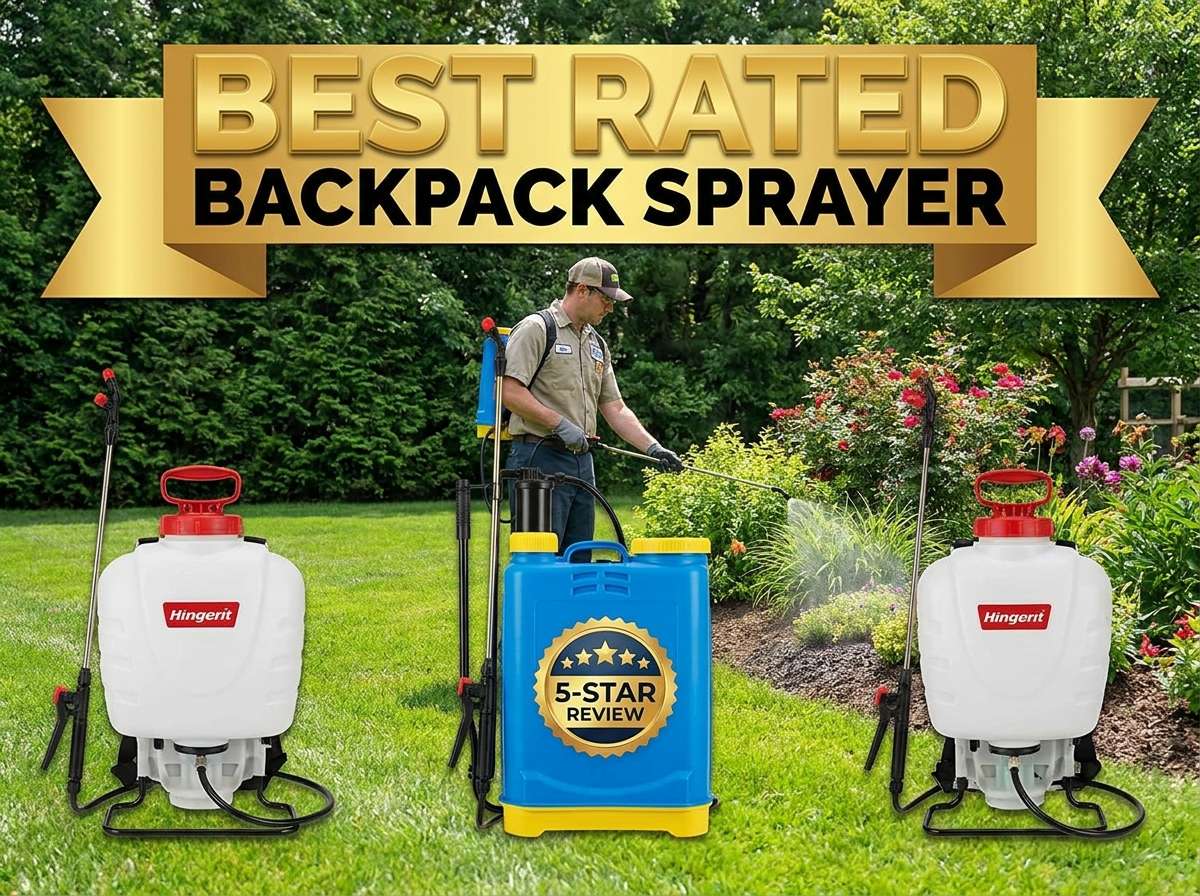
5 Best Rated Backpack Sprayer In 2026
If you have a yard, a farm, or even a few raised garden beds, you already know how much time a good backpack sprayer can save you. A hand-pump spray bottle just can’t keep up when you have weeds to kill, fertilizer to spread, or pests to knock out across a large area. That’s where a backpack sprayer comes in. It sits on your back, holds several gallons of liquid, and lets you cover ground fast without your arm falling off from constant pumping.
In this article
But here’s the problem. Walk into any hardware store or scroll through an online marketplace, and you’ll find dozens of backpack sprayers claiming to be the best. Some run on batteries, some use good old manual pumping, and prices range from budget-friendly to pretty steep. So how do you know which one is actually worth your money?
This guide breaks down five of the best rated backpack sprayer options on the market right now. We’ll look at battery powered models, a classic manual pump sprayer, and everything in between. Each review covers real use cases, honest pros and cons, and how each unit performs once it’s actually strapped to your back and working in the field. By the end, you’ll have a clear picture of which sprayer fits your lawn care, gardening, pest control, or farming needs.
Why a Backpack Sprayer Beats a Handheld Sprayer
Before we jump into the reviews, it helps to know why a backpack sprayer is worth the investment in the first place.
A handheld pump sprayer usually holds one or two gallons and needs constant pumping to keep pressure up. That’s fine for a small patio or a few pots, but it turns into a real chore once you’re covering a quarter acre or more. A backpack sprayer shifts the weight to your shoulders and back, which spreads the load evenly and reduces arm fatigue. Most models also hold three to four gallons, so you spend less time refilling and more time actually spraying.
Backpack sprayers also tend to deliver more consistent pressure, especially the battery powered models, which means a more even application of whatever you’re spraying. That matters a lot when you’re dealing with herbicides, pesticides, or fertilizers, since uneven coverage can lead to patchy results or wasted product.
Quick Comparison Table
| Product | Power Type | Tank Size | Best For |
|---|---|---|---|
| PetraTools HD4000 | Battery | 4 Gallon | Large yards, multiple nozzle needs |
| Field King 190328 | Manual Pump | 4 Gallon | Heavy-duty commercial-style spraying |
| OGERY Battery Sprayer | Battery | 4 Gallon | Budget-friendly battery option |
| DEWALT DXSP190681 | Battery | 4 Gallon | Users who already own DEWALT tools |
| Roundup 190314 | Manual Pump | 4 Gallon | Homeowners on a tight budget |
Now let’s get into the details of each one.
1. PetraTools HD4000 Battery Powered Backpack Sprayer
Product Overview
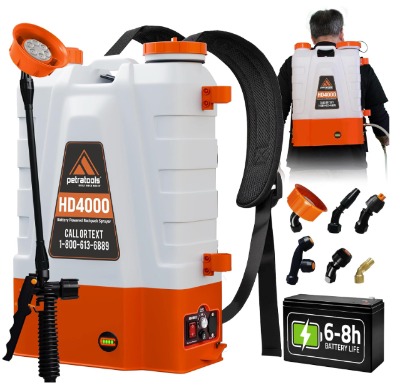
The PetraTools HD4000 is a battery powered backpack sprayer built for people who need serious runtime and flexibility. It comes with a rechargeable battery rated for around six hours of continuous use on a single charge, plus it ships with six different nozzle tips, which is more than most competitors offer out of the box. This makes it a strong pick for anyone who switches between tasks like weed spraying, disinfecting, and fine misting for pest control.
Best Use Cases
This sprayer shines on medium to large properties where you need to cover a lot of ground without stopping to swap batteries or refill constantly. It works well for lawn care companies, small farms, orchard owners, and homeowners with a couple of acres. The variety of nozzles also makes it a solid choice for people who spray different chemicals for different jobs throughout the season, like fertilizer in spring and herbicide in summer.
Key Features Explained Simply
The battery does the pumping for you, so your hand and arm stay free the entire time you’re spraying. You just squeeze the trigger and the pressure stays steady on its own. The six included nozzles cover everything from a fine mist to a strong direct stream, so you don’t need to buy extra attachments right away. The tank is made from tough plastic that resists cracking, and the shoulder straps are padded, which matters a lot once you’ve had four gallons of liquid on your back for an hour straight.
Real-Life Usage Insight
In practical terms, a six-hour runtime means most users can finish an entire day of spraying on one charge, unless they’re running a commercial operation that sprays from morning to evening without a break. The pressure stays fairly consistent from full tank to nearly empty, which is a common complaint with cheaper manual units that lose pressure as the tank drains. The trigger has a locking feature too, so your fingers get a break during long stretches of continuous spraying instead of cramping up.
Pros
- Long six-hour battery runtime for extended jobs
- Six nozzles included, covering a wide range of spray patterns
- Steady pressure delivery from a full tank to empty
- Comfortable padded straps that reduce shoulder strain
- Good build quality on the tank and pump housing
Cons
- Heavier than manual sprayers once fully loaded
- Battery charging time can slow you down if you forget to charge it ahead of time
- Higher price point compared to basic manual models
Performance Discussion
Where this sprayer really stands out is consistency. A lot of battery sprayers on the market claim long runtimes but lose power output near the end of a job. The HD4000 holds a steady flow rate throughout most of the tank, which means your last gallon sprays about as evenly as your first. That kind of reliability matters when you’re spraying herbicide and need even coverage to avoid missed spots or streaky patches on your lawn.
Ease of Use
Setup is straightforward. Charge the battery, fill the tank, pick your nozzle, and go. There’s no manual pumping required, so anyone with limited hand strength or an existing wrist issue will appreciate this. The controls are simple, with a basic on and off switch plus a trigger, so there’s no learning curve to worry about.
Value for Money
Given the runtime, nozzle variety, and pressure consistency, this sprayer earns its price tag. It costs more than a basic manual sprayer, but for anyone spraying regularly across a large area, the time saved and reduced fatigue make it a smart long-term investment rather than just an upfront expense.
2. Field King 190328 Backpack Sprayer, 4 Gallon
Product Overview
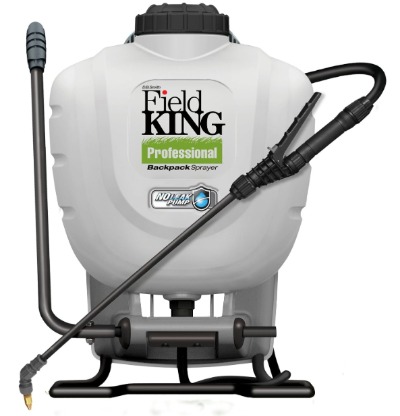
The Field King 190328 is a manual pump backpack sprayer with a 4-gallon tank and an internal no-leak pump design that delivers up to 150 PSI. This is one of the more established names in the backpack sprayer world, and it’s built with a focus on durability and pressure output rather than convenience features like batteries.
Best Use Cases
This sprayer is a great match for agricultural work, orchard spraying, and anyone dealing with tall shrubs, trees, or larger crops that need a powerful, far-reaching spray pattern. The 150 PSI output gives it more reach and force than many other backpack sprayers, so it handles thick foliage and taller plants better than lower-pressure models.
Key Features Explained Simply
The internal pump design is the standout feature here. Older backpack sprayer designs often had external pumps that were prone to leaking around the seals. Field King moved the pump mechanism inside the tank itself, which cuts down on leak points significantly. The 150 PSI rating means you get a stronger, more far-reaching spray, which is useful when you’re trying to hit the top of a tall bush or a wide row of crops without walking right up to every single plant.
Real-Life Usage Insight
Manual pumping does take some getting used to if you’ve never used a backpack sprayer before. You pump with one arm while holding the wand with the other, and it takes a bit of a rhythm to keep steady pressure. Once you get the hang of it, though, this sprayer delivers strong, consistent output, and the no-leak design really does cut down on the mess you’d normally get on your back and clothes from a lesser-built unit.
Pros
- Very high PSI output for a manual sprayer
- Internal no-leak pump design reduces mess and maintenance
- Durable tank built to handle regular heavy use
- No battery to charge or replace over time
- Trusted, well-known brand in agricultural spraying
Cons
- Manual pumping causes arm fatigue over long sessions
- Heavier and bulkier than some battery models
- Learning curve for first-time users to maintain steady pressure
Performance Discussion
In terms of raw spray power, this is one of the stronger performers among manual sprayers. The 150 PSI rating translates to real-world results, meaning you get better penetration through thick leaves and taller plants compared to lower-pressure units. The tradeoff is that you have to keep pumping to maintain that pressure, so it’s more physical work than a battery powered option.
Ease of Use
There’s a small learning curve here since manual pumping requires coordination between your pumping arm and your spraying arm. Once you get used to it, it becomes second nature, but beginners might find the first few uses a bit awkward. The upside is there’s no battery to worry about, so it’s always ready to go the moment you fill the tank.
Value for Money
For agricultural users or anyone who needs serious spray pressure without paying for battery tech, this sprayer offers excellent value. It’s priced reasonably for what it delivers, and the no-leak design means less money spent on repairs or replacement seals down the road.
3. OGERY Battery Powered Backpack Sprayer, 4 Gallon
Product Overview
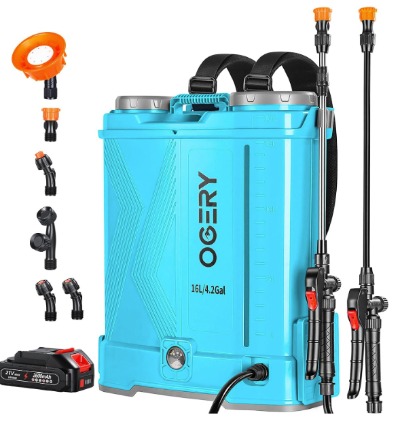
The OGERY backpack sprayer is a battery powered 4-gallon unit aimed at homeowners and casual gardeners who want the convenience of battery power without paying premium prices. It’s a more budget-friendly entry into the battery sprayer category.
Best Use Cases
This sprayer fits smaller to medium yards, garden beds, and light pest control tasks. It’s a solid pick for someone who wants to avoid manual pumping but doesn’t need heavy-duty commercial performance. Think weekend gardeners, small lawn areas, or homeowners spraying weed killer along a fence line a few times a season.
Key Features Explained Simply
Like other battery sprayers, this unit uses a small motor to maintain pressure so you don’t have to pump by hand. The tank holds 4 gallons, giving you enough capacity for a decent-sized property without refilling every few minutes. It comes with an adjustable nozzle that lets you switch between a fine mist and a more direct stream depending on the job.
Real-Life Usage Insight
For casual use, this sprayer gets the job done without much fuss. The battery life is enough for typical residential tasks like spraying a backyard or a row of garden beds, though it may not hold up as well under all-day commercial use compared to higher-end battery models. The straps are comfortable enough for shorter sessions, though extended use on uneven ground can feel a bit less supportive than pricier options.
Pros
- Affordable entry point into battery powered spraying
- No manual pumping needed
- Decent 4-gallon capacity for residential use
- Adjustable nozzle for different spray needs
- Lightweight enough for casual gardeners
Cons
- Battery runtime shorter than premium battery models
- Build quality feels less rugged than higher-priced competitors
- Not ideal for daily commercial or large-acreage use
Performance Discussion
Performance here is solid for the price, though not groundbreaking. Pressure stays fairly steady for typical residential jobs, but if you’re spraying a large property or working for hours at a stretch, you might notice the output dip as the battery runs lower. For occasional use around the yard, that’s rarely a problem.
Ease of Use
This is one of the easier sprayers to get started with. There’s minimal setup, no pumping required, and the controls are simple enough that even first-time users figure it out within a few minutes. It’s a good option for anyone who wants convenience without a steep learning curve.
Value for Money
Given the lower price tag, this sprayer offers strong value for casual users. You get the convenience of battery power without paying for commercial-grade features you likely won’t use if you’re just handling a typical residential yard.
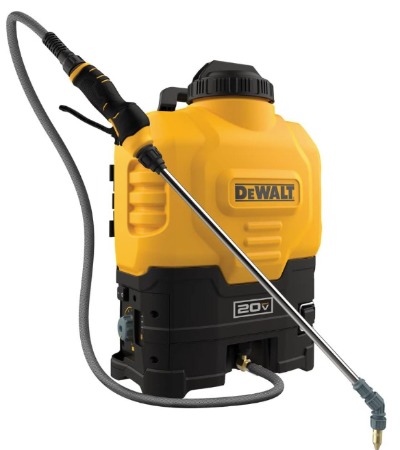
4. DEWALT Lithium-Ion Powered Battery Backpack Sprayer DXSP190681
Product Overview
The DEWALT DXSP190681 brings the brand’s reputation for tool durability into the backpack sprayer space. It runs on a lithium-ion battery and holds a 4-gallon tank, aimed at users who want a rugged, reliable sprayer backed by a trusted power tool company.
Best Use Cases
This sprayer works well for contractors, landscapers, and serious DIYers who already trust DEWALT for other outdoor power equipment. It’s built for people who want a tool that can handle repeated use across multiple seasons without breaking down, and who value consistent battery performance similar to what they’d expect from DEWALT’s other cordless tools.
Key Features Explained Simply
The lithium-ion battery gives steady, reliable power output, which is a hallmark of DEWALT’s battery tech across their tool lineup. The pump mechanism keeps pressure consistent, so you get an even spray from start to finish. The tank and frame are built with the same rugged mindset DEWALT applies to its other outdoor equipment, meaning it can handle drops, bumps, and general wear and tear better than flimsier competitors.
Real-Life Usage Insight
Users who already own DEWALT cordless tools will appreciate the familiar build quality and reliable power delivery. The sprayer holds pressure well throughout a full tank, and the overall construction feels sturdy enough to survive regular use on job sites or larger properties. It’s not the cheapest option, but the durability shows in how well it holds up over repeated seasons of use.
Pros
- Strong, trusted battery technology from a well-known brand
- Rugged, durable build suited for repeated professional use
- Consistent pressure output throughout the tank
- Comfortable design for extended wear sessions
- Good warranty support backed by an established company
Cons
- Higher price point compared to lesser-known battery sprayers
- Battery and charger may be sold separately depending on the bundle
- Slightly heavier frame due to the rugged build
Performance Discussion
Performance is a strong point here. The lithium-ion battery delivers dependable pressure, and the pump doesn’t seem to struggle even under heavier use. For anyone spraying fertilizer, herbicide, or pest control products across a larger property, this sprayer keeps up without major drop-off in output near the end of a tank.
Ease of Use
Like other battery models, there’s no manual pumping involved. You fill, power on, and spray. The trigger and nozzle controls are intuitive, and anyone familiar with DEWALT’s other cordless tools will find the general feel and button layout comfortable right away.
Value for Money
This sprayer sits on the pricier end, but the durability and brand reliability justify the cost for users who plan to use it heavily over several seasons. If you already own DEWALT batteries or tools, the value goes up even more since you may be able to share batteries across devices depending on the specific battery platform.
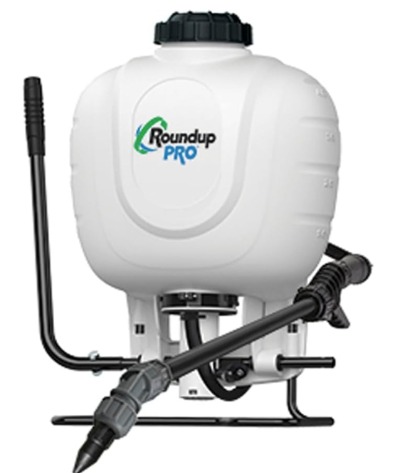
5. Roundup 190314 Backpack Sprayer for Fertilizers, Herbicides, Weed Killers and Insecticides
Product Overview
The Roundup 190314 is a manual pump backpack sprayer with a 4-gallon tank, built specifically with weed killer, fertilizer, herbicide, and insecticide application in mind. It’s one of the more recognizable and affordable names in the backpack sprayer category, especially for basic residential yard work.
Best Use Cases
This sprayer is a great fit for homeowners handling routine lawn care tasks like spraying weed killer along driveways, fence lines, or garden borders. It’s not built for heavy commercial use, but for typical residential chores a few times a season, it gets the job done at a friendly price point.
Key Features Explained Simply
The tank holds 4 gallons, giving you enough capacity for a full yard treatment without constant refilling. The manual pump handle builds pressure with a simple up-and-down motion, and the adjustable nozzle lets you switch between spray patterns depending on the size of the area you’re targeting, a small weed patch or a wider stretch of yard. The straps are basic but functional, and the overall design keeps things simple without extra bells and whistles.
Real-Life Usage Insight
For homeowners who only need a sprayer a handful of times a year, this unit covers the basics well. The manual pump requires some arm effort, especially toward the end of a full tank, but for short sessions spraying weeds or fertilizer around a typical yard, it doesn’t become a major burden. It’s also easy to store since there’s no battery or charger to keep track of between uses.
Pros
- Affordable price point, great for occasional use
- Simple, no-frills design that’s easy to understand
- No battery required, always ready when you need it
- Compatible with a wide range of lawn and garden chemicals
- Lightweight when empty, easy to carry to storage
Cons
- Manual pumping gets tiring during longer spraying sessions
- Pressure can dip if you don’t maintain a steady pump rhythm
- Build quality is more basic compared to pricier competitors
Performance Discussion
Performance is reasonable for the price. It won’t match the pressure output of the Field King’s 150 PSI system, but for typical residential tasks like spot-treating weeds or applying fertilizer across a standard yard, it does the job without much complaint. Just expect to put in some manual effort to keep pressure consistent.
Ease of Use
This is about as simple as backpack sprayers get. Fill the tank, pump the handle a few times, and start spraying. There’s no charging, no batteries, and no complicated settings to figure out. For beginners who just want something straightforward, this ease of use is a real selling point.
Value for Money
Given the low price and recognizable brand name, this sprayer delivers solid value for anyone doing basic yard maintenance. It’s not meant for daily commercial use, but for the average homeowner spraying a few times a season, it’s hard to beat the price-to-performance ratio.
Comparison Insights: Battery vs Manual Backpack Sprayers
Looking at all five sprayers side by side, a clear pattern emerges. The battery powered models, PetraTools HD4000, OGERY, and DEWALT DXSP190681, all remove the physical strain of manual pumping. That makes them better suited for longer spraying sessions, larger properties, or anyone with hand, wrist, or shoulder issues that make manual pumping uncomfortable.
The manual models, Field King 190328 and Roundup 190314, trade convenience for lower price and zero dependence on battery charging. The Field King stands out among manual sprayers thanks to its high 150 PSI output and internal no-leak pump, making it a strong pick for anyone who needs serious spray power for agricultural or commercial-style work. The Roundup 190314 is the most budget-friendly and beginner-approachable option overall, perfect for someone who just needs a reliable tool for occasional yard work.
Among the battery options, the PetraTools HD4000 offers the longest stated runtime and the most nozzle variety, making it a strong all-around pick for bigger jobs. The DEWALT DXSP190681 leans on brand trust and rugged build quality, appealing to contractors and serious DIYers. The OGERY sprayer fills the gap for anyone who wants battery convenience but doesn’t want to pay premium prices, though it comes with some tradeoffs in runtime and build toughness compared to the pricier options.
Buying Guide: What to Look For in a Backpack Sprayer
Tank Capacity
Most quality backpack sprayers hold around 4 gallons, which strikes a good balance between coverage and weight. A larger tank means fewer refills but also more weight on your back when full. If you have a smaller yard, a slightly smaller tank might actually feel more comfortable during use.
Power Source
Manual pump sprayers are simple, reliable, and never run out of battery, but they require physical effort to maintain pressure. Battery powered sprayers remove that effort entirely but need charging ahead of time and eventually need battery replacement. Think about how often and how long you’ll be spraying before deciding which power type fits your routine better.
Pressure Output (PSI)
Higher PSI means better reach and penetration through thick foliage, taller plants, or larger areas. If you’re mainly spot-treating a small garden, PSI matters less. If you’re covering crops, orchards, or large lawns, a higher PSI sprayer like the Field King will save you time and effort.
Nozzle Variety
Different jobs need different spray patterns. A fine mist works well for pest control or foliar feeding, while a direct stream is better for spot-treating weeds. Sprayers that come with multiple nozzles, like the PetraTools HD4000, give you more flexibility without needing to buy extra parts later.
Build Quality and Materials
Look for tanks made from thick, UV-resistant plastic, and pumps designed to resist leaks. An internal pump design, like the one on the Field King, tends to hold up better over time than external pump mechanisms that are more prone to seal failure.
Comfort and Fit
Padded, adjustable straps make a real difference once you’ve got several gallons of liquid on your back. A sprayer that fits poorly can cause shoulder and lower back discomfort, especially during longer sessions. Try to check strap padding and adjustability before buying if possible.
Chemical Compatibility
Make sure the sprayer you pick can handle the type of product you plan to use, be it fertilizer, herbicide, pesticide, or fungicide. Most quality backpack sprayers list compatible chemical types, and using the wrong type of liquid in an incompatible tank can damage seals or gaskets over time.
Who Should Buy These Backpack Sprayers
Homeowners with a standard yard who spray a few times a season will likely be happiest with a manual sprayer like the Roundup 190314. It’s affordable, simple, and doesn’t require charging or maintenance beyond basic cleaning.
Larger property owners and small farms benefit most from higher-capacity, higher-pressure options like the Field King 190328 or the PetraTools HD4000, both of which are built to cover more ground efficiently.
Contractors and landscaping professionals who use a sprayer daily should lean toward rugged, dependable options like the DEWALT DXSP190681, where build quality and consistent performance matter more than upfront price.
Casual gardeners on a budget who still want the convenience of battery power without paying premium prices will find the OGERY sprayer to be a solid middle-ground choice.
Anyone with physical limitations, such as wrist, shoulder, or arm issues, should strongly consider a battery powered model over a manual pump sprayer, since it removes the repetitive pumping motion that can aggravate those conditions.
Common Mistakes to Avoid When Using a Backpack Sprayer
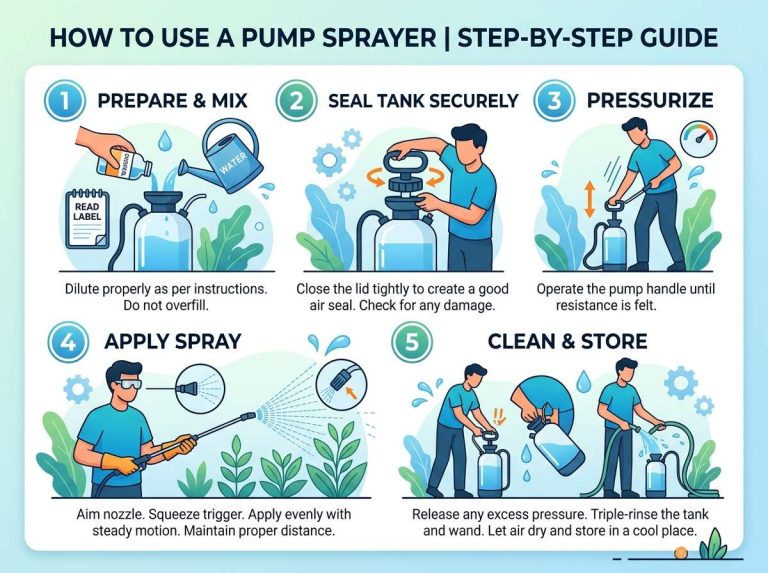
Overfilling the tank. It’s tempting to fill to the very top, but overfilling can cause spillage and makes the sprayer significantly heavier and harder to carry comfortably.
Skipping the nozzle check. Using the wrong nozzle for the job leads to uneven coverage, wasted product, or spray drift onto plants you didn’t intend to treat. Always match the nozzle to the task before starting.
Not cleaning the tank between different chemicals. Leftover residue from one product can react with a different chemical the next time you use the sprayer, potentially damaging plants or reducing effectiveness. Rinse thoroughly between uses, especially when switching between herbicide and fertilizer.
Ignoring maintenance. Seals, gaskets, and nozzles wear out over time. A quick rinse after every use and a periodic check of seals will extend the life of any backpack sprayer significantly.
Spraying in windy conditions. Wind causes drift, which wastes product and can accidentally damage nearby plants, flowers, or vegetables you didn’t intend to treat. Early morning or calm evening hours tend to work best.
Forgetting to charge battery models ahead of time. This seems obvious, but running out of charge halfway through a job is a common frustration with battery powered sprayers. Keep a charging routine so your sprayer is always ready to go.
Walking too fast while spraying. Moving too quickly leads to thin, uneven coverage. A slow, steady walking pace ensures the chemical actually has time to land and coat the target area properly.
Final Verdict
All five of these backpack sprayers do their job well, but they serve slightly different needs.
If you want the most powerful, all-around battery sprayer with strong runtime and nozzle variety, the PetraTools HD4000 is an excellent pick for bigger properties and varied spraying tasks.
If raw spray power and durability matter most, and you don’t mind manual pumping, the Field King 190328 delivers serious PSI output and a reliable no-leak design that holds up over years of heavy use.
For a budget-friendly battery option that still skips manual pumping, the OGERY sprayer offers solid everyday performance without a steep price tag.
If you want rugged, trusted build quality and already lean toward one brand for your outdoor tools, the DEWALT DXSP190681 brings dependable performance backed by a name known for tool durability.
And for simple, affordable, no-fuss yard maintenance a few times a season, the Roundup 190314 remains one of the most practical and wallet-friendly manual sprayers around.
At the end of the day, the best rated backpack sprayer for you comes down to how big your property is, how often you’ll use it, and if you’d rather pump by hand or let a battery do the work. Match the sprayer to your actual spraying habits, not just the flashiest feature list, and you’ll end up with a tool that makes your yard work genuinely easier for seasons to come.

Hi, I’m Mary, the founder of GardenCure.com. I’m passionate about creating healthy, beautiful gardens and well-kept lawns. I share practical experience and trusted advice on garden and lawn gear that truly works. With the support of my dedicated research team, our writers produce honest, in-depth reviews using reliable, authentic sources—helping you choose the right tools with confidence for your outdoor space.
One Comment