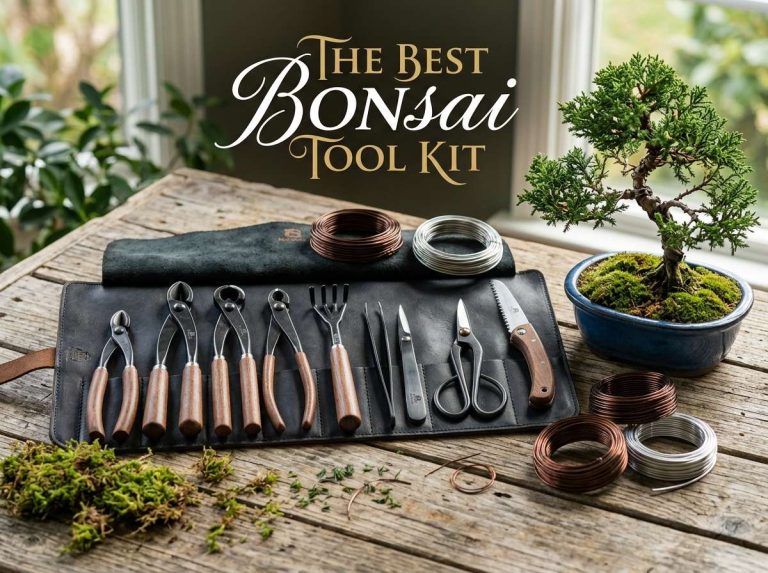
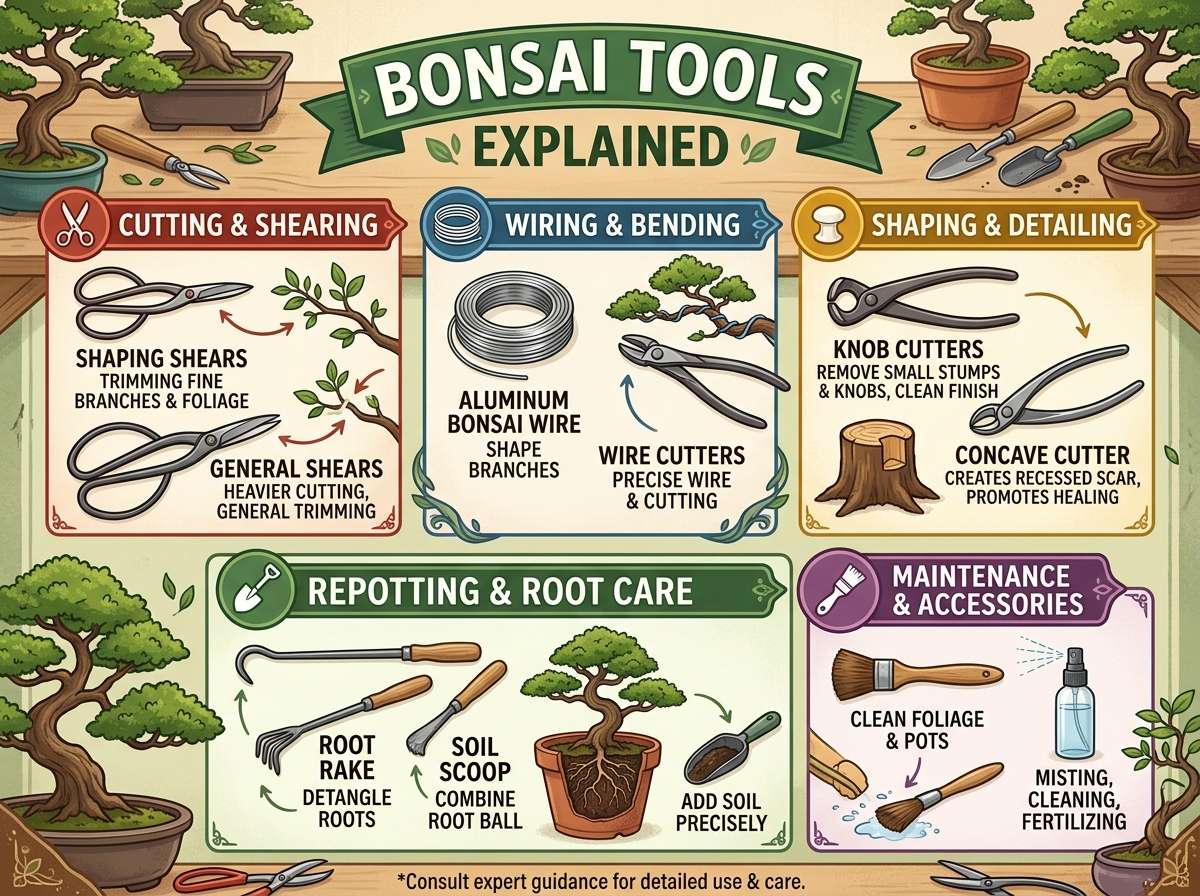
Bonsai Tools Explained
Bonsai is a slow art. It asks for patience, care, and the right gear. If you walk into this hobby without knowing your tools, you might grab the wrong pair of scissors and hurt a branch that took years to grow. That’s why this guide breaks down every major bonsai tool in plain words, so you know exactly what to buy, what to skip, and how each item helps your tiny tree grow strong and beautiful.
In this article
You don’t need a huge toolbox to start. Many growers begin with just three or four items and add more as their skills grow. Let’s walk through the full list, one tool at a time, so you feel confident the next time you shop for bonsai supplies.
Why Tools Matter So Much in Bonsai
A bonsai tree is not like a regular garden plant. It lives in a small pot, and every cut you make shapes its future growth. A dull blade can crush plant tissue instead of slicing it clean. A rough cut heals slowly and can invite disease. Sharp, well-made tools give you clean cuts that heal fast and keep your tree healthy.
Good tools also protect your hands and your patience. Cheap scissors that bend or rust will slow you down and frustrate you. Investing in solid, reliable tools early on saves money over time, since quality steel lasts for many seasons with proper care.
The Core Bonsai Tool Kit
Let’s start with the basics. These are the tools almost every bonsai grower keeps within reach.
1. Bonsai Shears (Trimming Scissors)
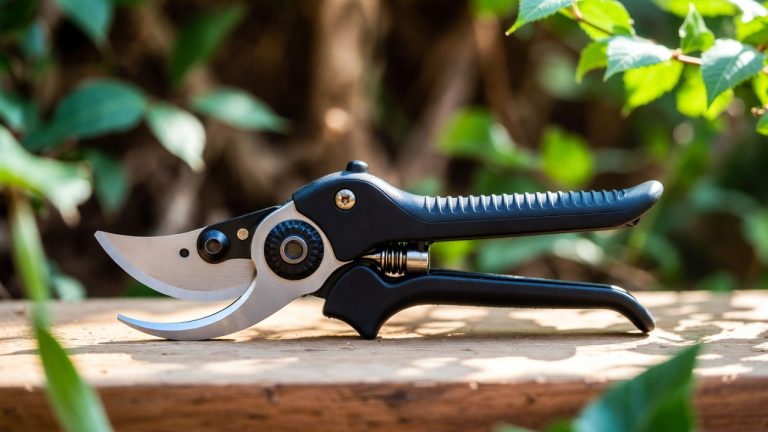
Shears are the first tool most people buy. They look like small, sturdy scissors and they handle the everyday task of trimming leaves, twigs, and soft new growth. Bonsai shears come with short, straight blades that give you control over small, delicate cuts.
Look for shears made from carbon steel or stainless steel. Carbon steel holds a sharp edge longer but needs drying and light oiling after use to avoid rust. Stainless steel resists rust better but may need sharpening more often.
Use shears for:
- Trimming leaves and small twigs
- Shaping the general outline of the tree
- Removing weak or crossing shoots
2. Concave Cutters
Concave cutters are branch cutters with curved, hollow blades. When you cut a branch with these, the wound they leave behind is concave instead of flat. This shape allows the bark to grow over the wound smoothly, so the scar almost disappears as the tree heals.
This tool matters a lot for trees you plan to keep for many seasons, since flat cuts often leave visible bumps or scars that never fully vanish. Concave cutters come in different sizes, so pick a size that matches the thickness of the branches you usually trim.
3. Wire Cutters
Wiring is a key technique in bonsai styling. Growers wrap copper or aluminum wire around branches to bend them into graceful shapes. When it’s time to remove that wire, you need a tool built just for the job.
Wire cutters have short, rounded jaws that let you snip wire close to the bark without nicking the branch underneath. Never use regular scissors for this task, since standard blades can slip and cut into the bark, leaving damage that’s hard to fix.
4. Root Cutters (Root Scissors)
When you repot a bonsai, you often need to trim the root ball to keep it fitting inside the small pot. Root cutters have thick, strong blades built to slice through tougher, woodier roots without bending or breaking.
These differ from leaf shears because roots are denser and often coated in soil, which dulls a blade fast. A dedicated root cutter keeps your other tools sharp and saves you from damaging delicate leaf shears on tough root material.
5. Bonsai Wire
Not exactly a cutting tool, but wire deserves a spot on this list since it’s central to shaping. Bonsai wire comes in copper and aluminum, and in various thicknesses. Aluminum wire is softer and easier for beginners to bend, while copper holds its shape better once set, though it takes more strength to apply.
Pick wire thickness based on branch size. Thin, flexible branches need thin wire, while thick trunks require sturdy gauges that can hold a strong bend in place.
Tools for Repotting and Soil Work
Repotting is one of the biggest jobs in bonsai care. It happens every couple of seasons for most trees, and it needs its own set of tools.
6. Root Rake (Root Hook)
A root rake looks like a small claw or fork. You use it to gently loosen and comb out the roots before repotting. This step removes old soil and untangles roots so you can trim them evenly and repot the tree with fresh, healthy soil.
Some root rakes have a flat blade on one end for scraping soil off the surface, making them a handy two-in-one tool during repotting season.
7. Chopsticks or Root Hooks
Bonsai chopsticks look just like the ones from your kitchen drawer, but they serve a specific purpose here. Growers use them to work fresh soil into all the tiny gaps around the roots after repotting. Poking the soil down with a chopstick removes air pockets that could dry out roots or block proper drainage.
8. Soil Sieves
Bonsai soil is often a blend of different particle sizes, layered by size inside the pot for proper drainage. Soil sieves are simple mesh trays that sort soil particles into fine, medium, and coarse groups. This sorting helps you build the right soil layers, with coarser material at the bottom for drainage and finer material near the surface for root contact.
9. Watering Can with a Fine Rose Head
A watering can with a fine rose head spreads water gently across the soil surface, mimicking light rain. This matters because a strong, direct stream of water can wash away topsoil or disturb shallow roots, especially right after repotting.
Tools for Detail Work and Styling
Once you get past the basics, a new set of tools opens up more advanced styling options.
10. Jin Pliers
Jin refers to a bonsai styling technique where growers strip the bark from a branch or trunk section to create a weathered, driftwood-like look, often seen on old pine and juniper specimens. Jin pliers have strong, grooved jaws that let you grip and peel bark cleanly without tearing the wood underneath.
This tool takes practice to use well, but it opens the door to dramatic, aged-looking styles that mimic trees shaped by wind and time in nature.
11. Bonsai Knob Cutters (Spherical Cutters)
Knob cutters have rounded, ball-shaped heads that let you cut branch stubs flush with the trunk. Since the cutting head is round, it leaves a concave wound similar to concave cutters, which heals cleanly over time.
Growers often use knob cutters for removing thicker branch stumps, especially spots where a concave cutter can’t quite reach or fit properly.
12. Trunk Splitters
For advanced styling, trunk splitters help create dramatic bends in thick, mature trunks by splitting the wood partway through, which makes bending possible without snapping the branch entirely. This is a specialized tool, and beginners rarely need it right away, but it’s worth knowing it exists as your skills grow.
13. Bonsai Turntable
A turntable sits under the pot and spins freely, letting you view your tree from every angle without lifting it. This small tool saves your back and your patience during long styling sessions, since you can rotate the tree instead of walking around it again and again.
Sharpening and Maintenance Tools
Tools only work well if you keep them sharp and clean. Here’s what helps with upkeep.
14. Sharpening Stones
A sharpening stone restores the edge on your shears and cutters once they start feeling dull. Regular sharpening keeps cuts clean, which protects your tree’s health, since a dull blade tears tissue rather than slicing it.
15. Rust Eraser or Rust Remover
Carbon steel tools rust fast if left damp. A rust eraser, which looks similar to a pencil eraser, gently buffs away light rust spots before they spread and damage the blade edge.
16. Camellia Oil or Tool Oil
After cleaning your tools, a light coat of camellia oil protects the metal from moisture and keeps joints moving smoothly. Many growers wipe their tools down with oil after every session as a simple habit that extends tool life by years.
How to Pick Your First Tool Set
If you’re just starting out, you don’t need all sixteen tools listed above. Here’s a simple starter list that covers most beginner needs:
- A pair of bonsai shears for general trimming
- A small set of concave cutters for branch removal
- Wire cutters for safe wire removal
- A root rake for repotting season
- A roll of aluminum wire in a medium gauge
This small kit handles almost everything a beginner faces during the first couple of seasons with a bonsai tree. As your collection of trees grows and your styling skills improve, you can slowly add root cutters, jin pliers, and knob cutters to your kit.
Budget Tools vs Professional Tools
New growers often wonder if they should buy cheap starter tools or invest in professional-grade steel right away. Here’s a simple way to think about it.
Budget tools, often made from carbon steel with a basic finish, work fine for beginners practicing on inexpensive nursery stock or pre-bonsai material. They cost less and let you learn the feel of each tool without a big financial commitment.
Professional tools, often forged from high-carbon Japanese steel, hold a sharper edge for longer and cut more cleanly, though they cost more and need proper care to avoid rust. These make more sense once you’re working with valuable, mature trees where a clean cut really matters for the tree’s long-term health.
A good middle ground is to start with a mid-range set, and upgrade piece by piece as certain tools wear out or as your trees become more valuable to you.
Caring for Your Bonsai Tools
Taking care of your tools is just as important as buying good ones in the first place. Follow these simple habits to keep your gear working well for years.
- Clean after every use. Wipe off sap, dirt, and moisture with a soft cloth right after you finish trimming or cutting.
- Dry tools fully. Moisture left on carbon steel invites rust within hours, so always dry your tools before storing them away.
- Oil regularly. A thin coat of camellia oil or light machine oil keeps blades smooth and joints moving freely.
- Store in a dry spot. A tool roll or wooden box keeps blades separated and protected from dust and humidity.
- Sharpen when needed. Don’t wait until a blade feels completely dull. Light, regular sharpening keeps cuts clean and easy.
Common Mistakes Beginners Make with Tools
Even with the right tools in hand, it’s easy to slip into a few common habits that hurt your trees or shorten tool life.
- Using kitchen scissors instead of bonsai shears. Regular scissors crush stems instead of slicing them cleanly, which slows healing.
- Skipping the concave cutter. Flat cuts from regular cutters leave bumps that stay visible for years.
- Forgetting to dry tools. Rust builds up fast on carbon steel left damp in a drawer or toolbox.
- Using the wrong wire gauge. Wire that’s too thin won’t hold a bend, while wire that’s too thick can damage thin branches.
- Cutting wire with regular pliers. This often nicks the bark and leaves scars that take a long time to fade.
Avoiding these small mistakes early on saves your trees a lot of unnecessary stress and keeps your tool collection in better shape for longer.
Where to Buy Bonsai Tools
Local nurseries sometimes carry a small selection of bonsai tools, especially in areas with an active gardening community. For a wider range, specialty bonsai shops and online retailers that focus on bonsai supplies usually offer better variety and clearer guidance on steel quality, blade type, and sizing.
When shopping online, check reviews carefully, and look for sellers who specialize in bonsai rather than general garden equipment, since dedicated sellers tend to stock tools built specifically for the fine, careful work bonsai demands.
Final Thoughts
Bonsai tools might look simple at first glance, but each one plays a specific role in keeping your tree healthy and beautifully shaped. Shears handle everyday trimming, concave cutters manage branch removal cleanly, and wire tools let you shape branches without harming the bark. Root tools support healthy repotting, and detail tools like jin pliers open the door to more advanced, artistic styles.
You don’t need every tool on this list to get started. Begin small, learn how each piece feels in your hand, and grow your collection as your bonsai journey deepens. With the right tools cared for properly, your trees will reward you with clean growth, strong branches, and a shape that gets more graceful with every passing season.

Hi, I’m Mary, the founder of GardenCure.com. I’m passionate about creating healthy, beautiful gardens and well-kept lawns. I share practical experience and trusted advice on garden and lawn gear that truly works. With the support of my dedicated research team, our writers produce honest, in-depth reviews using reliable, authentic sources—helping you choose the right tools with confidence for your outdoor space.