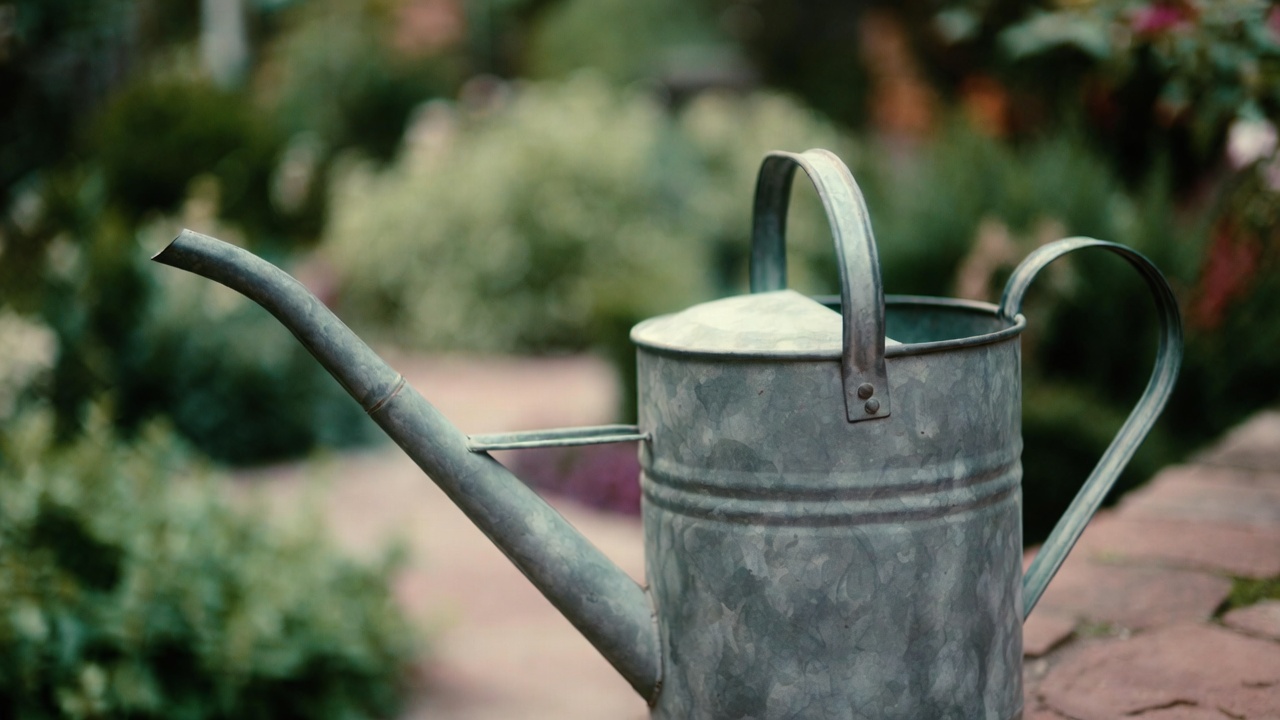
5 Best Garden Watering Can In 2026
Watering your plants should be simple and enjoyable, not a frustrating chore that leaves you with sore arms and spilled water everywhere. A good watering can makes all the difference between dead flowers and a thriving garden.
In this article
After testing different models and talking to gardeners who use these tools daily, I’ve put together this honest review of five popular watering cans. Each one has strengths and weaknesses, and the right choice depends on what you need.
This guide will help you find the perfect watering can without wasting money on something that doesn’t work for your situation. Let’s dive into what makes a great watering can and which models actually deliver on their promises.
Why Your Watering Can Actually Matters
Most people think any container with a spout will work fine. That’s wrong. A poorly designed watering can leads to back pain, wasted water, and stressed plants.
The right watering can gives you control over water flow. It distributes moisture evenly. It reaches awkward spots without making you twist your body into strange positions.
Good watering cans last for years. Cheap ones crack after one season in the sun. The difference in price is small, but the difference in performance is huge.
Product Reviews: Finding Your Perfect Match
1. 2 Gallon Watering Can with Removable Long Spout
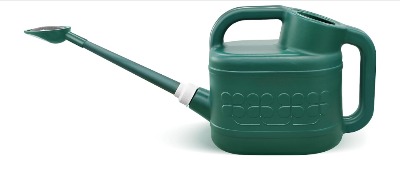
This plastic watering can holds two gallons and comes with both a long spout and a stainless steel sprinkler head you can attach or remove as needed.
What This Can Does Well
The long spout reaches hanging baskets without requiring a step stool. You can water plants on high shelves or in the back of deep flower beds. The spout length gives you about 12 inches of extra reach compared to standard designs.
The stainless steel sprinkler head creates a gentle rain-like shower. This works great for seedlings and delicate flowers that can’t handle a strong stream. The holes are small enough to prevent soil erosion but large enough that they don’t clog constantly.
You can remove the sprinkler head in seconds. No tools required. Just twist it off when you need a direct pour for deep watering around shrubs or trees.
The handle feels comfortable even when the can is full. The design balances the weight well, so your wrist doesn’t take all the strain.
Real-Life Performance
This can works best for people with varied watering needs. If you have both delicate indoor plants and hardy outdoor shrubs, the flexibility helps.
The two-gallon capacity means fewer trips to the faucet. For a medium-sized garden with 20-30 plants, you’ll probably refill it three or four times. That’s reasonable.
The plastic is thick enough to resist cracking but light enough that it’s not heavy when empty. After six months of regular use, it shows minimal wear.
Where It Falls Short
The spout sometimes drips after you stop pouring. Not a huge problem outdoors, but annoying if you’re watering indoor plants on furniture.
The opening at the top is a bit narrow. Filling it from a standard outdoor faucet works fine, but filling from a bucket or rain barrel takes patience.
In strong sunlight, the plastic will eventually fade. This is cosmetic and doesn’t affect function, but it won’t look new forever.
Best For
This can suits gardeners who need versatility. If you water everything from tiny succulents to large tomato plants, having options matters.
People with mobility issues appreciate the long spout. You can water without bending as much.
Pros:
- Long spout reaches difficult spots easily
- Removable sprinkler head offers flexibility
- Comfortable grip reduces hand fatigue
- Good capacity for medium gardens
- Lightweight when empty
Cons:
- Minor dripping after use
- Narrow fill opening slows refills
- Plastic may fade over time
- Not ideal for very large gardens
Value Assessment
The price sits in the mid-range for two-gallon cans. You get what you pay for. The stainless steel sprinkler head alone adds value, as many cheaper models use plastic that degrades quickly.
This can should last several seasons with normal use. That makes the per-year cost quite low.
2. Chapin 47998: 2 Gallon Recycled Plastic Watering Can
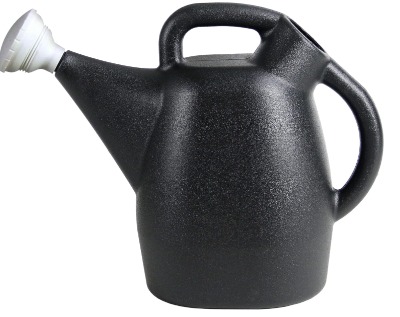
Chapin makes this two-gallon can from 100% recycled plastic right here in the USA. It features a removable nozzle and a drip-free sprinkler head design.
What Makes This Different
The recycled plastic construction appeals to eco-conscious gardeners. The material feels sturdy despite being recycled. Chapin has refined their manufacturing process to create plastic that rivals virgin material in strength.
The drip-free sprinkler head is the star feature. When you tilt the can back upright, the water stops flowing almost immediately. This prevents those annoying puddles on your deck or indoor floor.
The nozzle pops off easily for cleaning or for direct pouring. The connection point is reinforced, so repeated removal doesn’t loosen it over time.
American manufacturing means quality control is consistent. Each can meets the same standards, which isn’t always true for imported products.
Day-to-Day Use
This can feels solid in your hands. The handle has a slight curve that fits your palm naturally. Even when full, the weight distributes evenly between the top handle and the side support handle.
The pour control is excellent. You can go from a gentle sprinkle to a steady stream just by adjusting your tilt angle. This precision helps when watering plants with different moisture needs.
Cleaning is simple. The wide mouth opening lets you reach inside to scrub out any algae or mineral deposits. This matters if you leave water sitting in the can between uses.
Limitations to Consider
The recycled plastic is slightly heavier than some virgin plastic cans. The difference is maybe half a pound, but people with arthritis might notice.
The sprinkler head holes are a bit larger than ideal for very delicate seedlings. For mature plants, it’s perfect. For two-week-old tomato starts, you might want something gentler.
The dark green color hides in garden foliage. If you set it down among plants, you might spend a minute looking for it. Not a deal-breaker, just mildly annoying.
Ideal Users
Eco-minded gardeners will appreciate the recycled materials and domestic production. If buying American-made products matters to you, this is your can.
People who water indoors frequently will love the drip-free design. No more water stains on hardwood floors.
Pros:
- Made from 100% recycled plastic
- Manufactured in the USA
- Excellent drip-free performance
- Removable nozzle for easy cleaning
- Comfortable dual-handle design
- Great pour control
Cons:
- Slightly heavier than virgin plastic models
- Sprinkler holes may be too large for tiny seedlings
- Dark color can be hard to spot in garden
- Mid-to-high price point
Is It Worth the Money?
This can costs a bit more than basic imports. The price difference reflects better manufacturing and eco-friendly materials. If you water plants regularly, the improved drip control alone justifies the extra cost. You’ll save time cleaning up drips and spills.
Durability is top-notch. Expect this can to last five years or more with proper care.
3. Root & Vessel 30301 Watering Can – 2 Gallon Hunter Green
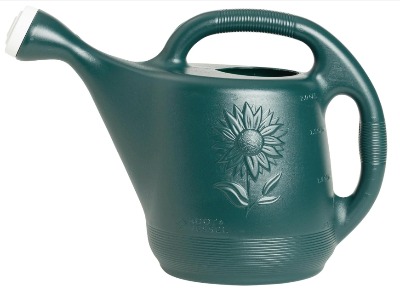
Root & Vessel designed this two-gallon can with a classic shape and a rich hunter green finish. It focuses on timeless functionality over flashy features.
Core Features Explained
This can embraces simplicity. No removable parts to lose. No special nozzles to clean. Just a well-balanced can with a long spout and a fixed rose (that’s the sprinkler part).
The hunter green color looks professional. It won’t clash with your garden aesthetic. The finish has a slight matte texture that hides scratches better than glossy plastic.
The spout curves gently, which helps control the water flow. The curve also reduces the force of the water as it exits, making it gentler on plants even without using the rose.
The rose sits permanently attached to the spout. This means you can’t lose it, but you also can’t remove it for direct pouring. The holes are medium-sized, good for general-purpose watering.
Using It in Real Gardens
This can feels old-school reliable. Pick it up, fill it, water your plants. No complexity. No decisions about which attachment to use.
The balance is near-perfect. When you carry it by the top handle, it doesn’t tip forward or backward. This makes walking through the garden easier, especially on uneven ground.
The two-gallon capacity handles most small-to-medium watering tasks. For a patio garden with container plants, one fill usually covers everything.
Pouring feels smooth and predictable. The water comes out at a steady rate that doesn’t change suddenly. This consistency helps prevent overwatering.
What Could Be Better
The fixed rose means you can’t switch to a direct pour. If you want to deliver water straight to the base of a plant without wetting the leaves, you have to aim carefully or remove the entire can lid (which is awkward).
The plastic is durable but not the thickest. It will last, but you need to avoid dropping it on concrete. One hard drop could crack it.
The opening is standard-sized. Not particularly wide, not particularly narrow. Filling works fine but isn’t faster than other models.
Who Should Buy This
Gardeners who value simplicity over versatility will enjoy this can. If you mainly water one type of plant and don’t need multiple watering styles, the straightforward design is a strength.
People who tend to lose small parts will appreciate the fixed rose. Nothing to misplace in the shed.
Pros:
- Simple, reliable design
- Attractive hunter green color
- Excellent balance when carrying
- Fixed rose means nothing to lose
- Smooth, predictable pour
- Good for general-purpose watering
Cons:
- Cannot remove rose for direct watering
- Plastic could be thicker
- Less versatile than models with options
- Basic feature set
Price vs. Performance
This can sits in the middle of the price range. You’re paying for solid construction and attractive design, not extra features. If you don’t need those features, it’s a fair deal. If you want flexibility, look at models with removable parts.
The can should provide several years of service if you treat it reasonably well.
4. Long Spout Watering Can – 1.8L/1/2 Gallon (Green)
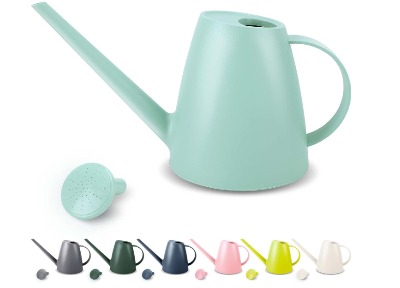
This smaller watering can holds 1.8 liters (about half a gallon) and features an extra-long, curved spout. It’s designed primarily for indoor plants and small outdoor container gardens.
Design Philosophy
The compact size makes this can fundamentally different from the two-gallon models. It’s not trying to water a full garden. Instead, it focuses on precision and ease of handling.
The long spout extends about 10 inches and curves gracefully. This design lets you reach into dense foliage to water the soil directly. You can target the base of plants without getting water on leaves (which some plants hate).
The small capacity means the can never gets heavy. Even when completely full, most people can lift and maneuver it with one hand. This matters for elderly gardeners or anyone with reduced strength.
The green color is bright and cheerful. It looks at home on a windowsill or plant shelf.
Practical Application
This can excels at indoor watering. For a collection of houseplants on shelves or stands, the long spout reaches back to plants without forcing you to move everything forward.
The narrow stream gives precise control. You can water a small succulent without splashing water on neighboring plants. You can fill the base of a self-watering pot without making a mess.
Refilling happens frequently, but the can is light enough that trips to the sink don’t feel like a burden. For 10-15 houseplants, you might refill it three times. That takes maybe five minutes total.
The design encourages slow, careful watering. This helps prevent the overwatering that kills more houseplants than anything else.
Downsides
The small capacity is great for houseplants but terrible for outdoor gardens. If you have more than a few outdoor containers, you’ll spend all your time refilling. For a vegetable garden, forget it.
The long spout can be fragile. If you drop the can or bang it against something, the spout might crack at the base where it connects. Handle with reasonable care.
There’s no rose or sprinkler attachment. You get a direct stream only. For seedlings or delicate plants, you need to pour very slowly or use a different method.
The plastic is thin to keep weight down. It won’t last as long as heavier-duty outdoor cans. Expect to replace it every couple of years with regular use.
Perfect For
Indoor plant enthusiasts will love this can. If you have 20 houseplants scattered across different rooms, this is your tool.
People with small balcony or patio gardens can use this effectively. For six or eight pots, it’s actually more convenient than a big can.
Pros:
- Very lightweight and easy to handle
- Long spout provides excellent precision
- Perfect size for indoor plants
- Bright, attractive color
- Easy to store in small spaces
- Affordable price point
Cons:
- Too small for serious outdoor gardening
- No sprinkler option
- Thin plastic may not last as long
- Spout can be fragile
- Requires frequent refilling
Money Matters
This is the least expensive option in this roundup. The low price reflects the smaller size and simpler construction. For its intended use (indoor plants), it offers good value. Just don’t try to use it for purposes it wasn’t designed for.
If you need both indoor and outdoor watering capability, buy this for indoors and get a larger can for outside. Together, they’ll still cost less than one premium large can.
5. PMU 2 Gallon Watering Can – Hunter Green
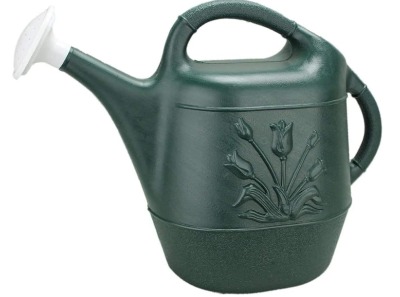
PMU manufactures this two-gallon watering can in the USA using durable plastic. It comes with a detachable sprinkler head and targets serious gardeners who want reliability.
Build Quality and Design
The plastic feels thick and substantial. When you tap it, it makes a solid sound rather than a hollow ping. This density suggests it will hold up to years of use and sun exposure.
The hunter green color matches professional landscaping equipment. If appearance matters for your garden setup, this looks the part.
The detachable sprinkler head connects firmly but releases easily. The threading is precise, so it doesn’t cross-thread even if you’re not paying close attention.
The handle is slightly oversized. This distributes pressure across more of your hand, reducing fatigue during extended watering sessions.
How It Performs
This can handles heavy-duty use well. If you water daily or multiple times per day, the robust construction stands up to the wear.
The sprinkler head creates a nice, even spray pattern. The water comes out in a broad shower that covers about 12 inches of diameter. This speeds up watering large areas.
Without the sprinkler, the spout delivers a strong, steady stream. This works great for deep watering or filling bird baths and pet bowls.
The can is stable when sitting on the ground. The base is wide enough that it won’t tip over easily, even on slightly uneven surfaces.
Areas for Improvement
The thick plastic that makes it durable also makes it heavier. When empty, the weight difference is minor. When full, it’s noticeable compared to lighter models. People with shoulder or back issues should consider this.
The made-in-USA manufacturing ensures quality but raises the price. You’re paying extra for domestic labor and materials.
The pour spout is fairly standard length. It reaches most places but doesn’t have the extra length of some specialty models.
Best Match For
Serious gardeners who water frequently will appreciate the durability. If you use your watering can almost daily, the extra cost for better construction pays off.
People who prioritize American-made products get both that benefit and solid performance.
Pros:
- Very durable thick plastic construction
- Made in the USA
- Detachable sprinkler head for versatility
- Wide, stable base prevents tipping
- Comfortable oversized handle
- Even spray pattern
Cons:
- Heavier than some competitors
- Higher price point
- Standard-length spout
- May be overkill for casual gardeners
Cost Analysis
This is one of the pricier options in the roundup. The extra cost buys you superior durability and American manufacturing. If you garden seriously and plan to use this can for many years, the investment makes sense. Casual weekend gardeners might find it more can than they need.
Break down the cost over five years of expected use, and the per-year expense is quite reasonable.
Comparing Your Options: Side-by-Side Insights
Now that we’ve looked at each can individually, let’s compare them directly on key factors.
Capacity Comparison
Four of these cans hold two gallons. The exception is the 1.8-liter model at half a gallon. For outdoor gardens, two gallons is the sweet spot. It’s enough capacity to reduce refill trips but not so much that it becomes unbearably heavy.
The half-gallon can serves a different purpose entirely. Don’t think of it as a smaller version of the others. It’s a specialized tool for indoor use.
Durability Rankings
Based on plastic thickness and construction quality, here’s how they stack up from most to least durable:
- PMU 2 Gallon (thickest plastic, reinforced construction)
- Chapin 47998 (recycled plastic, heavy-duty feel)
- 2 Gallon with Long Spout (good thickness, solid build)
- Root & Vessel (adequate but not exceptional)
- 1.8L Long Spout (thin plastic by design)
Remember, durability matches intended use. The 1.8L can isn’t built to last 10 years because indoor use is gentler than outdoor conditions.
Versatility Winner
The 2 Gallon with Removable Long Spout takes the versatility crown. The long spout, removable sprinkler, and good capacity mean it handles the widest range of tasks.
Right behind it is the Chapin 47998, which offers similar flexibility with better drip control.
The Root & Vessel can is the least versatile due to its fixed rose.
Price-to-Performance Sweet Spot
The Chapin 47998 offers the best balance of price and performance for most gardeners. You pay a bit more than the cheapest option but get significantly better drip control and build quality.
For budget-conscious buyers, the 2 Gallon with Long Spout delivers good performance at a lower price point.
Specialty Use Champions
- Best for indoor plants: 1.8L Long Spout
- Best for eco-conscious buyers: Chapin 47998 (recycled plastic, made in USA)
- Best for heavy-duty use: PMU 2 Gallon
- Best for simplicity: Root & Vessel
- Best all-around value: Chapin 47998
How to Choose the Right Watering Can
Finding your perfect watering can depends on matching features to your specific needs. Here’s how to make that decision.
Assess Your Garden Size
Count your plants. Be honest about how many you actually water regularly.
- Under 10 plants, mostly indoors: Go with the 1.8L can
- 10-30 plants, mixed indoor/outdoor: Two-gallon capacity works well
- 30+ plants or large outdoor beds: Consider two two-gallon cans to reduce trips
Garden layout matters too. If plants are clustered together, a larger can makes sense. If they’re spread across a big yard, a smaller can might actually work better to avoid carrying heavy water long distances.
Think About Water Source
Where will you fill this can?
If you have an outdoor faucet near the garden, a two-gallon can is fine. You can refill easily.
If you’re hauling water from indoors or from a distant spigot, a smaller can means less weight to carry. You might prefer making more trips with less weight each time.
Rain barrel users need to consider the fill opening. Some cans don’t fit under rain barrel spigots easily.
Consider Your Physical Abilities
Be realistic about what you can lift comfortably.
Two gallons of water weighs about 16 pounds, plus the weight of the can itself. That’s roughly 17-18 pounds total. Can you carry that distance comfortably? Can you lift it high enough to water hanging baskets?
If you have arthritis, shoulder problems, or back issues, weight matters a lot. A lighter can you can use comfortably beats a heavier can you’ll avoid using.
The handle design affects comfort significantly. Try to choose a can with a handle shape that fits your hand well.
Evaluate Your Plant Types
Different plants need different watering styles.
Seedlings and delicate plants need a gentle shower. Look for a can with a good rose or sprinkler head.
Established shrubs and trees benefit from direct watering at the base. A can with a removable sprinkler offers this option.
Succulents and cacti need precise watering. A long spout or the ability to remove the sprinkler helps here.
Hanging baskets require reach. A long spout saves your back.
Durability Requirements
How often will you use this can?
Daily use demands thicker plastic and reinforced construction. The PMU or Chapin models make sense here.
Weekly use can work fine with mid-grade construction.
Occasional use won’t stress even basic models much.
Outdoor storage requires UV-resistant plastic. All these cans will eventually fade in constant sun, but thicker plastic resists cracking better.
Budget Realities
Set a realistic budget, but remember that cheap cans often cost more in the long run.
A $15 can that lasts one season costs more per year than a $30 can that lasts five seasons.
That said, don’t overspend on features you won’t use. A basic can that meets your needs beats a fancy can with bells and whistles you’ll ignore.
Feature Priorities
Rank these features by importance to you:
- Capacity
- Weight
- Drip control
- Removable sprinkler
- Spout length
- Durability
- Appearance
- Price
- Environmental factors (recycled materials, made in USA)
Your top three priorities should drive your decision.
Who Should Buy Each Watering Can?
Let’s match each can to the gardener who will appreciate it most.
The 2 Gallon with Long Spout is for:
- Gardeners with varied plant types
- People with hanging baskets or high shelves
- Those who want flexibility without high cost
- Gardeners who like having options
If you enjoy having different tools for different tasks but want one can that covers most bases, this is your match.
The Chapin 47998 is for:
- Eco-conscious gardeners
- People who water indoor plants on nice floors
- Those who value American manufacturing
- Gardeners willing to pay a bit more for quality
If drips drive you crazy or environmental impact matters to you, the extra cost here is worthwhile.
The Root & Vessel Can is for:
- Gardeners who prefer simple tools
- People who lose small parts easily
- Those with straightforward watering needs
- Gardeners who care about appearance
If you want a reliable can without fuss and you won’t miss the ability to remove the sprinkler, this serves well.
The 1.8L Long Spout is for:
- Dedicated indoor plant collectors
- Apartment dwellers with balcony gardens
- People with limited storage space
- Those with reduced strength or mobility issues
- Gardeners on tight budgets
If your plants live inside or you have just a few outdoor containers, this can will make you happy without draining your wallet.
The PMU 2 Gallon is for:
- Serious, dedicated gardeners
- People who use their watering can daily
- Those who want the most durable option
- Gardeners who support American manufacturing
- People who don’t mind the higher price
If you’re committed to your garden and plan to water frequently for years to come, this can won’t let you down.
Common Mistakes to Avoid
Learn from the errors others have made so you don’t repeat them.
Buying Based on Capacity Alone
The biggest can isn’t always best. A four-gallon can sounds efficient until you try to lift it. Two gallons is the practical limit for most people. More capacity than you can comfortably carry is wasted.
Ignoring Spout Design
The spout affects everything. A short, straight spout forces you to bend and reach. A long, curved spout saves your back and makes watering easier.
Test the pour angle in your mind. Can you visualize yourself using this can comfortably? If not, keep looking.
Overlooking Fill Opening Size
You’ll fill this can hundreds of times. A narrow opening that makes filling slow will frustrate you every single time.
Check the mouth diameter. It should fit easily under your water source or allow you to pour water in from another container without spilling.
Choosing Style Over Function
A beautiful watering can that’s awkward to use will sit unused. Function must come first. Once you’ve narrowed choices based on performance, then pick the prettiest option.
Not Considering Storage
Where will you keep this can when not in use? If you store it in a shed that freezes, residual water can crack the plastic. Empty it completely after each use.
If it sits in direct sun, UV exposure will eventually degrade even good plastic. Try to store it in shade when possible.
Skipping the Rose for Everything
Some gardeners never use the sprinkler attachment, opting for direct pouring instead. This works for some plants but damages others.
Tender seedlings need gentle rain, not a forceful stream. Newly sprouted seeds can wash away under direct flow.
Learn which plants benefit from which watering style.
Overfilling
Filling a can to the absolute brim makes it heavy and prone to sloshing. Fill to about 80-90% capacity. You’ll carry less water but spill less too, and the net result is actually more water delivered to plants.
Using Indoor Cans for Outdoor Tasks
That cute little 1.8L can works great for houseplants. Taking it outside for a vegetable garden will frustrate you. You’ll spend more time refilling than watering.
Use the right tool for the job.
Ignoring Maintenance
Watering cans need occasional cleaning. Algae grows inside. Mineral deposits build up. These can clog sprinkler heads and make water taste bad to plants.
Every few weeks, dump the water out and rinse the can. Every few months, scrub the inside with a brush.
Buying Multiple Cans You Don’t Need
One good can beats three mediocre ones. Unless you have genuinely different needs (like indoor and outdoor plants), invest in one quality can rather than several cheap ones.
Taking Care of Your Watering Can
Simple maintenance extends the life of any watering can.
Regular Cleaning
Empty your can completely after each use. Standing water breeds mosquitoes and encourages algae growth.
Every week, rinse the inside with fresh water. Once a month, scrub with a bottle brush to remove any buildup.
For mineral deposits, fill the can with a 50/50 mix of white vinegar and water. Let it sit overnight, then rinse thoroughly.
Sprinkler Head Maintenance
Remove the sprinkler head periodically and soak it in vinegar water. This dissolves mineral deposits that clog the holes.
Use a toothpick to clear individual holes if they get clogged. Don’t force it, as you can enlarge the holes.
Storage Best Practices
Store your can in a shaded area when possible. Direct sun degrades plastic over time.
Keep it off the ground if you can. Hang it on a hook or set it on a shelf. Ground contact can lead to cracks from temperature changes.
In freezing climates, store indoors during winter. Even empty cans can crack if water freezes in the spout or sprinkler head.
Handling Tips
Don’t drop your can. Seems obvious, but plastic cracks most often from impact damage.
When carrying a full can, use both the top handle and side handle if available. This distributes weight better.
Don’t drag the can across rough surfaces. This scrapes the bottom and can wear through the plastic.
Final Verdict: Which Can Wins?
After examining all five options, here’s the bottom line for each.
Best Overall: Chapin 47998
The Chapin model delivers the best combination of quality, features, and value. The drip-free design prevents messes. The recycled plastic construction appeals to eco-conscious buyers. American manufacturing ensures consistent quality.
At a mid-range price, it offers features found on more expensive cans. The durability means you’ll use it for years.
For most gardeners with typical watering needs, this is the safest choice.
Best Budget Option: 2 Gallon with Long Spout
If you need to save money but still want decent performance, the generic 2-gallon model with the removable long spout delivers. It lacks the refinement of pricier cans but handles basic tasks well.
The long spout and removable sprinkler give you flexibility. The capacity is right for most gardens.
It won’t last as long as premium models, but at this price, you can replace it when needed without guilt.
Best for Indoor Plants: 1.8L Long Spout
Nothing else comes close for houseplants. The small size, light weight, and precise long spout make indoor watering easy and mess-free.
The low price means you can buy one for upstairs and one for downstairs if you have plants on multiple floors.
Just remember its limitations. This is not an outdoor garden tool.
Best Premium Choice: PMU 2 Gallon
For gardeners who want the best and will use it enough to justify the cost, the PMU can is worth the investment. The thick plastic will outlast cheaper models by years.
The made-in-USA construction ensures you get a quality product. The oversized handle makes long watering sessions more comfortable.
If you garden seriously and frequently, this can will serve you well for a very long time.
Best Simple Design: Root & Vessel
Some people just want a straightforward watering can without removable parts or decisions to make. The Root & Vessel model satisfies that need.
The fixed rose means you can’t lose parts. The attractive color looks good anywhere. The balanced design makes it easy to use.
If simplicity matters more than versatility, this can fits the bill.
Making Your Final Decision
By now, you should have a clear sense of which watering can matches your needs.
Think about your typical watering routine. How many plants do you water? Where are they located? How often do you water them?
Your answers point to the right choice.
For most home gardeners with a mix of indoor and outdoor plants, the Chapin 47998 offers the best blend of features and value. You probably can’t go wrong with it.
Specialized needs require specialized tools. Indoor plant lovers should grab the small 1.8L can. Serious gardeners who water daily should invest in the PMU model.
Budget shoppers can start with the basic 2-gallon long spout model and upgrade later if needed.
The key is matching the tool to the task. A watering can seems like a simple purchase, but the right one makes gardening more enjoyable. The wrong one turns a pleasant activity into a frustrating chore.
Take your time with this decision. A good watering can lasts for years. You’ll use it dozens or hundreds of times. The small amount of research you do now pays dividends in easier, more effective plant care later.
Your plants will thank you with healthier growth and better blooms. Your back will thank you with less pain. Your floors will thank you with fewer water stains.
Happy gardening, and may all your plants thrive with the perfect amount of water delivered in just the right way.
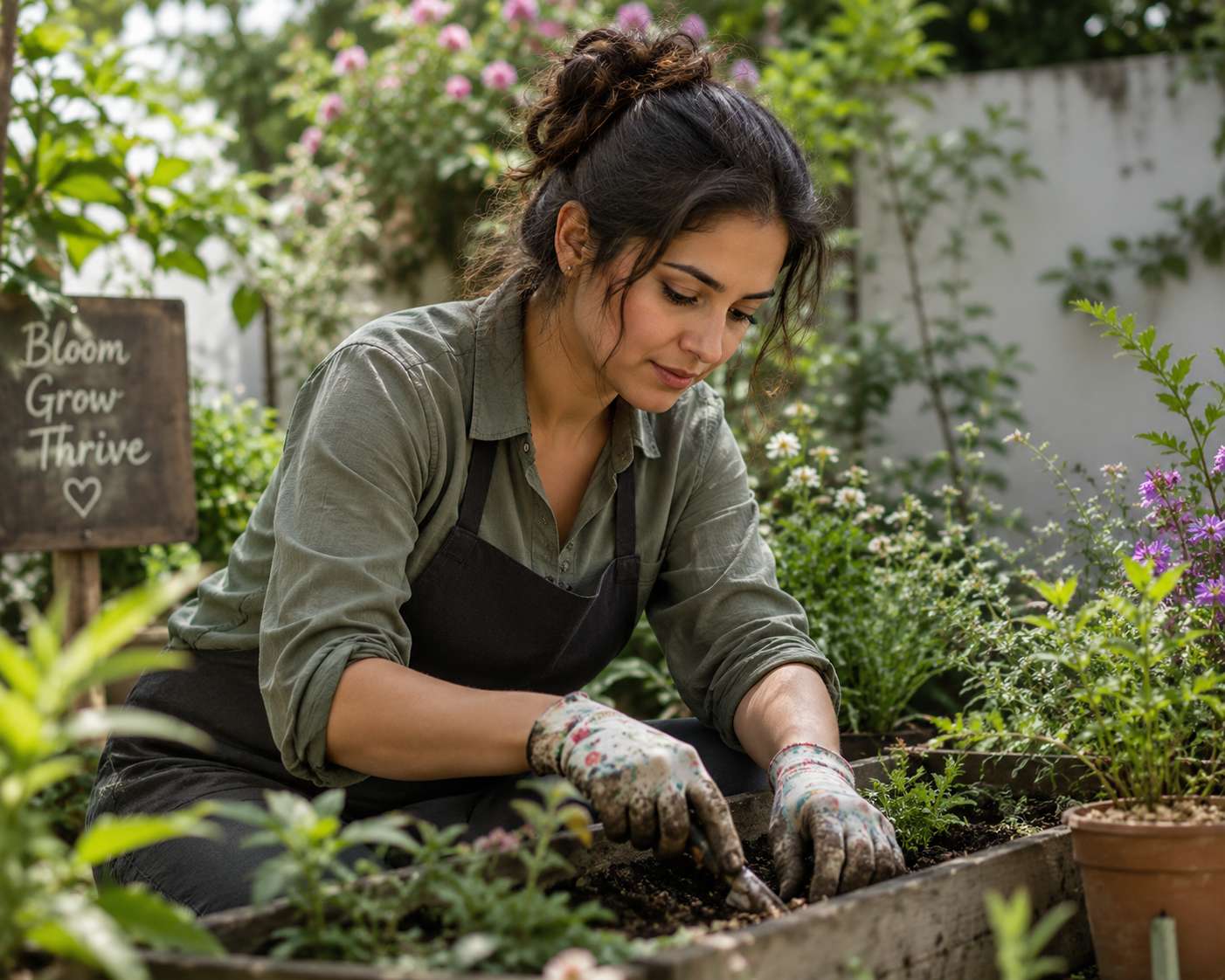
Hi, I’m Mary, the founder of GardenCure.com. I’m passionate about creating healthy, beautiful gardens and well-kept lawns. I share practical experience and trusted advice on garden and lawn gear that truly works. With the support of my dedicated research team, our writers produce honest, in-depth reviews using reliable, authentic sources—helping you choose the right tools with confidence for your outdoor space.