5 Best Gardening Shoes for Women In 2026
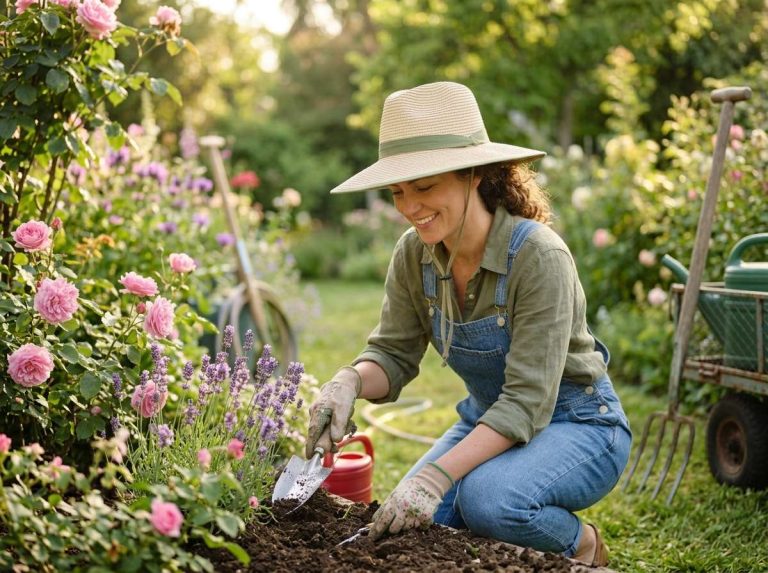
Getting your hands dirty in the garden feels amazing. But stepping in soggy soil with the wrong shoes? That’s a different story. Your feet deserve better than wet socks and muddy sneakers while you’re tending to your tomatoes or pruning your roses.
In this article
Good gardening shoes protect your feet from moisture, mud, and the occasional sharp twig. They keep you comfortable during long hours of planting, weeding, and watering. The right pair makes a huge difference between enjoying your time outdoors and counting down the minutes until you can get back inside.
This guide breaks down five popular gardening shoes designed specifically for women. Each one handles outdoor work differently. Some excel in wet conditions. Others focus on all-day comfort. A few manage to do both really well.
You’ll learn what makes each shoe special. You’ll discover which one fits your gardening style. And you’ll avoid spending money on shoes that look cute but fall apart after three rainy days.
Let’s dig in.
Why Regular Shoes Don’t Work for Gardening
Regular sneakers soak up water like a sponge. Canvas shoes get stained beyond repair. Your favorite flats offer zero protection from sharp tools or thorny branches.
Garden work demands something tougher. You need shoes that laugh at puddles. Shoes that rinse clean with a quick hose spray. Shoes with enough grip to keep you steady on slippery grass or muddy paths.
The best gardening footwear combines waterproof materials with practical design. Good arch support prevents fatigue. Easy slip-on styles save time. And durable construction means your investment lasts through many seasons.
Now let’s look at five shoes that actually deliver on these promises.
Product Reviews: The Top 5 Gardening Shoes for Women
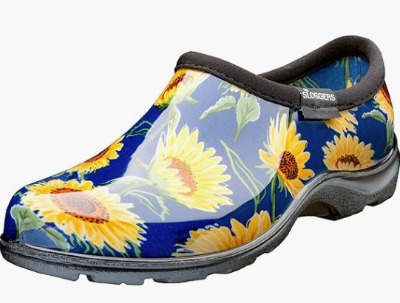
1. Sloggers Original Waterproof Rain and Garden Shoe for Women
Product Description
The Sloggers Original stands out as a true American-made garden clog. This shoe uses thick rubber construction to block water completely. The design looks like a classic clog but performs like serious outdoor gear.
Inside, you’ll find a comfort insole with built-in arch support. The shoe comes in various fun prints and solid colors. It’s made to slip on and off without fuss. The company has been making these in the USA for years, refining the design based on real gardener feedback.
Best Use Cases
These clogs shine in wet gardening conditions. Spring planting sessions with damp soil? Perfect. Watering the garden on dewy mornings? Ideal. Quick trips outside to check on plants after rain? These are your go-to shoes.
They work great for greenhouse gardening where humidity stays high. Container gardening on patios suits them well too. Basically, any situation where moisture threatens your feet becomes easier with Sloggers.
Key Features Explained Simply
The thick rubber shell blocks water from every angle. Rain can pour down, puddles can splash up, and your feet stay bone dry. The material flexes enough for comfort but stays rigid enough for support.
The comfort insole cushions your feet during long gardening sessions. It includes arch support that reduces strain on your feet and lower back. This insole can be removed for cleaning or replacement.
The wide toe box gives your toes room to spread naturally. No cramped feeling even after hours of wear. The heel height sits low and stable, reducing the risk of ankle rolls on uneven ground.
Made in the USA means quality control stays high. The manufacturing process follows strict standards. You get a consistent product that matches the quality promised.
Real-Life Usage Insight
Slip them on for morning garden rounds. Your feet slide in easily, even without using your hands. The shoes feel secure immediately without needing to adjust anything.
Walk through wet grass collecting vegetables. Water beads up and rolls off the rubber surface. Your socks stay completely dry. The grip holds steady on slick surfaces.
Spend an hour weeding flower beds. The arch support keeps your feet comfortable even when kneeling and standing repeatedly. Your back thanks you because proper foot support affects your whole body.
Hose them off when you’re done. Mud and dirt spray away in seconds. Let them air dry and they’re ready for tomorrow.
Honest Pros and Cons
Pros:
- Completely waterproof construction keeps feet dry in any weather
- American-made quality with attention to detail
- Removable insole makes cleaning simple
- Fun pattern options let you express your style
- Slip-on design saves time during busy mornings
- Wide toe box accommodates different foot shapes
- Durable enough to last multiple seasons
Cons:
- Not insulated, so cold weather requires warm socks
- The clog style doesn’t secure around the ankle
- Can feel a bit heavy compared to lightweight alternatives
- Sizing runs slightly large for some users
- The rubber can feel stiff until broken in
Performance Discussion
These shoes handle muddy conditions like champions. Step into thick mud and pull your foot out cleanly. The smooth rubber doesn’t collect soil buildup. This makes walking easier and cleanup faster.
The grip pattern on the bottom provides solid traction. Wet stone pathways don’t become slip hazards. Grassy slopes feel secure. Only extremely slick surfaces like wet tile pose any challenge.
Comfort holds up well during extended wear. The arch support really works. After three or four hours of garden work, your feet feel tired but not painful. That’s a big difference from cheap alternatives that leave you hobbling.
Durability impresses over time. These shoes handle regular use without falling apart. The rubber doesn’t crack easily. Seams stay sealed. Colors fade slowly even with sun exposure.
Ease of Use
Slip-on design means you’re wearing them in two seconds. No bending over to tie laces. No straps to adjust. Just slide your feet in and get to work.
The shoes come off just as easily. Kick them off at the door without using your hands. This keeps dirt outside where it belongs.
Cleaning requires minimal effort. Spray with a hose, wipe with a cloth, done. The smooth rubber surface doesn’t hide dirt in crevices.
Value for Money
The price sits in the mid-range for gardening shoes. You pay more than basic rubber boots but less than premium technical footwear. Given the American manufacturing and durability, the value makes sense.
These shoes last long enough to justify the investment. One pair can serve you well for several years of regular gardening. That breaks down to a reasonable cost per use.
The comfort features add value beyond just waterproofing. Cheaper shoes might keep your feet dry but leave them aching. These provide both protection and comfort.
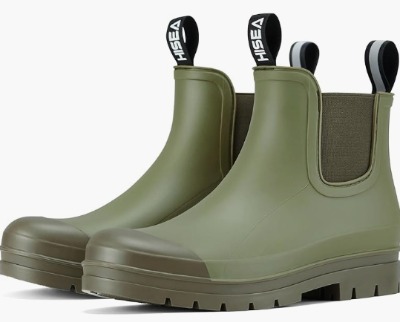
2. HISEA Women’s Short Rain Boots Fashion Waterproof Chelsea Boots
Product Description
HISEA’s Chelsea-style garden boots bring fashion and function together. These ankle-height boots use waterproof rubber with a sleeker profile than traditional rain boots. The elastic side panels give them that classic Chelsea boot look while maintaining practical garden performance.
The design works for outdoor tasks and casual wear. Natural rubber construction provides waterproof protection. A comfort insole adds cushioning. The non-slip sole keeps you stable on various surfaces.
Best Use Cases
These boots excel when you want garden footwear that doesn’t scream “garden footwear.” Running errands after gardening? You won’t feel embarrassed wearing these. Quick garden work before meeting friends? They transition well.
Light to moderate gardening tasks suit them perfectly. Planting annuals, light weeding, watering plants, harvesting vegetables – all handled easily. They work well for garden centers, farmers markets, and outdoor festivals too.
The ankle height protects from splashes and light mud without the bulk of tall boots. This makes them ideal for summer gardening when shorter footwear feels more comfortable.
Key Features Explained Simply
The Chelsea boot design looks more stylish than typical garden shoes. The sleek profile and elastic side panels create a modern appearance. You can wear these beyond the garden without feeling self-conscious.
Natural rubber keeps water out completely. Your feet stay dry even when stepping through deep puddles or working in soggy soil. The material flexes with your foot movement while maintaining waterproof integrity.
The comfort insole cushions each step. It’s not as supportive as some premium options, but it prevents the hard feeling of walking on bare rubber. Your feet stay more comfortable during extended wear.
Non-slip outsoles feature a grip pattern designed for wet surfaces. The tread provides traction on mud, wet grass, and slippery paths. This reduces the risk of slips and falls during garden work.
The ankle height offers a nice balance. Tall enough to protect from splashes and debris. Short enough to allow easy movement and breathability. You don’t feel weighed down or restricted.
Real-Life Usage Insight
Pull them on for early morning garden checks. The elastic panels stretch as your foot enters, then hold the boot snugly around your ankle. They feel secure without being tight.
Water your raised beds and container plants. Small splashes hit the boots and bead off harmlessly. The ankle height stops water from entering over the top during normal activities.
Kneel down to plant seedlings. The boots flex comfortably at the ankle. They don’t cut into your leg or restrict your movement. You can work in various positions without discomfort.
Finish your garden tasks and head to the store. Hose off the boots quickly, and they look presentable enough for casual outings. This versatility saves time.
Honest Pros and Cons
Pros:
- Stylish design works for garden and casual wear
- Natural rubber provides complete waterproof protection
- Ankle height allows good mobility and comfort
- Elastic panels make putting on and taking off easy
- Lightweight construction reduces foot fatigue
- Non-slip sole performs well on wet surfaces
- Easy to clean with quick rinse
Cons:
- Not as much arch support as dedicated garden clogs
- The ankle height doesn’t protect in very deep mud
- Sizing can run narrow for wider feet
- Less durable than heavier-duty garden boots
- Not insulated for cold weather use
- The fashion-forward design costs slightly more
Performance Discussion
These boots handle everyday gardening beautifully. Light rain doesn’t slow you down. Wet grass doesn’t soak your feet. Muddy soil washes off easily when you’re done.
The grip works well on most garden surfaces. You feel stable on wet pavement, damp soil, and slippery grass. Only very steep, wet slopes require extra caution. For typical flat or gently sloped gardens, traction stays reliable.
Comfort during extended wear falls somewhere in the middle range. They feel better than basic rubber boots but not as cushioned as premium options. After two or three hours, your feet might start feeling a bit tired. For typical garden sessions of an hour or less, they perform great.
The boots hold up well with regular use. The rubber shows minimal wear even after months of use. Seams stay sealed. The elastic panels maintain their stretch. They represent solid quality for the price point.
Ease of Use
The elastic side panels make these boots incredibly easy to use. Slip your foot in and the elastic stretches to accommodate. Pull your foot out and the elastic releases smoothly. No zippers to break. No laces to tie.
The boots stand up on their own, making them easy to step into. This small detail matters when you’re in a hurry or carrying garden supplies.
Cleaning takes just seconds. Rinse under a hose or wipe with a damp cloth. The smooth rubber surface releases dirt without scrubbing. They dry quickly for next use.
Value for Money
The price reflects the dual-purpose design. You pay a bit more than basic garden shoes but gain versatility. If you value footwear that works for multiple purposes, the extra cost makes sense.
These boots last well enough to justify their price. They won’t survive as many seasons as heavy-duty work boots, but they’ll serve you well through several years of regular gardening.
The style factor adds value if you care about appearance. Having garden shoes you can wear beyond the garden means one less pair of shoes cluttering your closet.
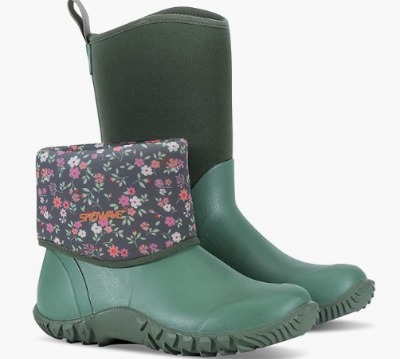
3. Showave Women’s Garden Boots Rubber Rain Boots
Product Description
Showave offers traditional rubber rain boots designed specifically for serious garden work. These mid-calf height boots use thick rubber construction. The design prioritizes function over fashion with a focus on durability and protection.
These boots mean business. They’re built for farming, heavy garden work, and outdoor projects where maximum protection matters. The simple design eliminates unnecessary features that might fail. You get straightforward, dependable rain boots.
Best Use Cases
Heavy-duty gardening calls for these boots. Tilling soil, working in thick mud, dealing with overgrown areas – these boots handle tough conditions. They work well for large vegetable gardens that require serious labor.
Farm work suits them perfectly. Feeding animals, mucking stalls, working around equipment – the boots protect your feet and legs. They handle manure, deep mud, and wet hay without complaint.
Yard work and outdoor projects benefit from their protection. Clearing brush, digging ditches, working on drainage issues – these boots keep you comfortable and safe. The height protects from debris and water splashes.
Rainy season gardening becomes much more manageable. When the ground stays soggy for weeks, these boots become essential. They let you work even in conditions that would stop lesser footwear.
Key Features Explained Simply
The mid-calf height provides maximum protection. Water and mud can’t easily splash over the top. Your legs stay clean and dry even in messy conditions. This extra coverage matters for serious work.
Thick rubber construction stands up to abuse. These boots can handle rough terrain, sharp objects, and repeated exposure to harsh conditions. The material resists punctures better than thinner alternatives.
The simple pull-on design has no complicated parts to break. No zippers, no laces, no fancy closures. Just solid rubber boots that do their job season after season.
Wide calf openings make them easy to put on over pants or thick socks. You can wear warm layers underneath in cold weather. The boots accommodate different leg sizes comfortably.
The tread pattern focuses on serious traction. Deep lugs grip muddy soil, wet grass, and slippery surfaces. These boots keep you steady in challenging conditions where other shoes would slip.
Real-Life Usage Insight
Pull them on for a day of heavy garden work. They feel substantial on your feet – not delicate or flimsy. This builds confidence that they’ll protect you.
Wade through a muddy garden bed that needs tending. The boots keep mud from reaching your feet and legs. You can focus on your work instead of worrying about getting dirty.
Work for several hours preparing beds for planting. The boots hold up without causing major discomfort. They’re not the most cushioned option, but they protect your feet from hard objects and wet conditions.
Rinse them off at the end of the day. Heavy mud requires more scrubbing than light dirt, but the smooth rubber cleans up well. Let them dry overnight and they’re ready for tomorrow’s work.
Honest Pros and Cons
Pros:
- Maximum protection with mid-calf height coverage
- Thick rubber handles tough conditions and abuse
- Simple design means fewer parts to break or fail
- Excellent for heavy-duty garden and farm work
- Wide calf openings accommodate pants and thick socks
- Deep tread provides superior traction in mud
- Durable construction lasts through hard use
Cons:
- Heavier than lighter-weight garden shoes
- Less comfortable for all-day wear
- Not much arch support or cushioning
- The utilitarian look won’t win style awards
- Can feel warm in hot weather
- Break-in period needed for maximum comfort
- Bulkier to store than shorter shoes
Performance Discussion
These boots excel in challenging conditions. Deep mud, heavy rain, rough terrain – they handle it all. The protection level surpasses lighter garden shoes significantly.
Traction in muddy conditions works exceptionally well. The deep tread grips soil and prevents slipping. You feel secure even when working on slopes or in very wet areas. This stability matters when carrying tools or heavy plants.
Waterproof performance is absolute. Water cannot penetrate these boots under normal use. Even crossing shallow streams or working in flooded areas keeps your feet dry. The height prevents water from entering over the top during most activities.
Durability stands as a major strength. These boots take a beating and keep performing. The thick rubber resists cuts and punctures. Seams stay sealed. The boots maintain their integrity through seasons of hard use.
Comfort for extended wear has limitations. The boots provide basic protection without much cushioning. After four or five hours, your feet will feel tired. For short to moderate work sessions, they perform adequately. For all-day wear, consider adding aftermarket insoles.
Ease of Use
Getting them on requires a bit more effort than slip-on clogs. The taller design means pulling them up your leg. Once on, they stay secure without adjustment.
Taking them off might require sitting down and pulling. They don’t slide off as easily as shorter shoes. This trade-off provides better security during wear.
Cleaning demands more effort due to the height and deep tread. Mud can pack into the tread pattern and require scrubbing. A stiff brush helps remove stubborn dirt. The smooth shaft cleans easily with a hose.
Value for Money
The price stays reasonable for serious work boots. You get substantial protection and durability without premium pricing. For regular heavy-duty use, these represent good value.
The boots last long enough to justify the investment. One pair can serve you through several years of demanding work. This longevity makes the cost per use attractive.
If you only do light gardening, these might be overkill. But for serious gardeners and anyone doing farm work, the value proposition makes sense.
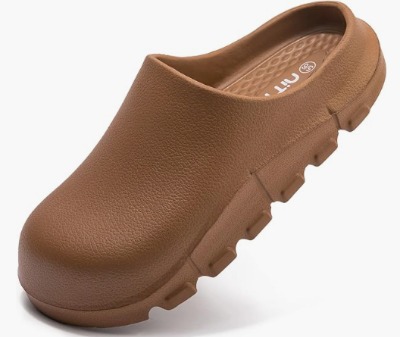
4. NITTI Women’s Arch Support EVA Garden Shoes
Product Description
NITTI takes a different approach with these EVA foam garden shoes. Instead of rubber boots, you get lightweight clogs designed for comfort. The closed-toe design protects your feet while the open back allows easy on and off access.
EVA foam material makes these shoes remarkably light. The design includes built-in arch support for better foot health. Multiple drainage holes let water escape. These shoes work as garden clogs, beach shoes, and casual outdoor footwear.
Best Use Cases
Light gardening in dry to slightly damp conditions works perfectly. Tending container gardens, working in raised beds, doing greenhouse work – these shoes handle it all. They excel when waterproof protection isn’t the top priority.
Warm weather gardening suits them ideally. The open design keeps feet cooler than enclosed boots. Summer vegetable gardening, flower bed maintenance, and patio plant care all work well.
Quick outdoor tasks make these shoes shine. Running out to pick herbs, checking on seedlings, watering a few plants – slip these on and go. The convenience factor is hard to beat.
Beach and water activities benefit from the quick-drying design. These shoes transition from garden to beach easily. The drainage holes and water-resistant foam make them versatile.
Key Features Explained Simply
EVA foam construction creates incredibly lightweight shoes. Each shoe weighs almost nothing. This reduces foot fatigue dramatically compared to heavy rubber boots. Your feet feel less tired even after hours of wear.
Built-in arch support sets these apart from basic clogs. The footbed curves to match your arch, providing support that reduces strain. This feature helps prevent foot pain and lower back discomfort during extended wear.
The closed-toe design protects your feet from stubbed toes and dropped tools. Open-toed sandals expose your feet to injuries. These clogs shield your toes while maintaining an open, airy feel.
Multiple drainage holes let water escape quickly. Step in a puddle and the water drains out in seconds. Your feet don’t sit in pools of water. This quick-drying feature keeps you comfortable.
The slip-on design with an open heel makes them incredibly convenient. Slide your foot in from the top. No bending over. No complicated closures. Getting them on takes one second.
Real-Life Usage Insight
Grab them for morning garden rounds. They slip on effortlessly, even if your hands are full of coffee and garden tools. The lightweight feel almost makes you forget you’re wearing shoes.
Work in raised garden beds during warm weather. The breathable design keeps your feet from overheating. The arch support keeps you comfortable even when standing for long periods.
Step through light rain or dew-covered grass. Your feet get slightly damp but not soaked. The drainage holes prevent water from pooling inside. Your feet dry quickly once you’re back on dry ground.
Rinse them off when dirty. Water drains right through the holes. Shake them a few times and they’re mostly dry. Leave them in the sun for an hour and they’re completely ready to wear again.
Honest Pros and Cons
Pros:
- Extremely lightweight reduces foot fatigue
- Excellent arch support promotes foot health
- Quick-drying design works for wet conditions
- Drainage holes prevent water accumulation
- Very comfortable for extended wear
- Easy slip-on design saves time
- Versatile enough for garden, beach, and casual wear
- Affordable price point
Cons:
- Not fully waterproof like rubber boots
- Less protection in very muddy conditions
- The open back doesn’t secure around your heel
- Can collect small pebbles or debris
- Not suitable for cold weather without socks
- Less durable than heavy rubber alternatives
- May not provide enough support for very heavy work
Performance Discussion
These shoes perform beautifully for their intended purpose. Light to moderate gardening in decent weather? They’re perfect. The comfort level exceeds heavier alternatives significantly.
The arch support really makes a difference. After wearing these for a few hours, your feet feel supported and comfortable. Compare this to flat clogs that leave your arches aching. The difference is noticeable.
Water resistance works adequately for light exposure. Splashes, dew, brief rain – all handled fine. Your feet might get damp but not soaked. However, standing water or heavy rain will wet your feet. These aren’t meant for extreme water conditions.
The lightweight design reduces fatigue substantially. Heavy boots tire your legs and feet over time. These clogs feel almost weightless. You can work longer without your feet complaining.
Traction on dry surfaces works well. Wet surfaces require a bit more caution. The grip pattern isn’t as aggressive as rubber boots. Muddy slopes need careful navigation. Flat, slightly wet surfaces pose no problems.
Ease of Use
These rank as the easiest shoes to put on and take off. Slide your foot in. Slide your foot out. No other garden shoes match this level of convenience.
The lightweight design means carrying them requires no effort. Toss them in a bag for the garden center. Bring them on trips. They take up minimal space and weigh almost nothing.
Cleaning is incredibly simple. Rinse under water and watch dirt flow through the drainage holes. Scrub with a soft brush if needed. They dry completely in less than an hour.
Value for Money
The affordable price makes these accessible to most gardeners. You get excellent comfort and decent protection without spending much money. For budget-conscious gardeners, these represent outstanding value.
Durability is adequate but not exceptional. The EVA foam will eventually compress and wear down. Expect one to two seasons of regular use before replacement becomes necessary. Given the low price, this lifespan seems reasonable.
The versatility adds value. One pair of shoes works for multiple activities. Garden in the morning, beach in the afternoon, casual wear in the evening. This multi-purpose capability stretches your investment further.
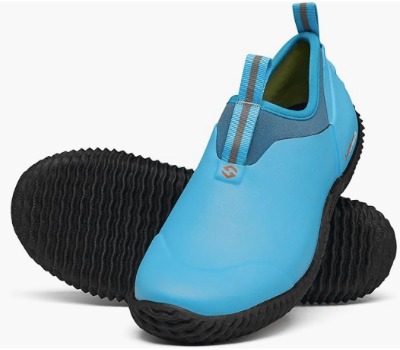
5. HISEA Waterproof Garden Shoes for Women Neoprene Slip-On
Product Description
HISEA’s neoprene garden shoes blend the protection of boots with the flexibility of water shoes. These ankle-height slip-on shoes use neoprene construction with rubber reinforcement. The design creates a unique hybrid that handles cold, wet conditions exceptionally well.
Neoprene is the same material used in wetsuits. It insulates while remaining flexible and waterproof. The rubber bottom provides durability and traction. The slip-on design with a pull tab makes them easy to use.
Best Use Cases
Cold weather gardening benefits enormously from neoprene insulation. Early spring planting, late fall cleanup, winter greenhouse work – these shoes keep feet warm and dry. The insulation matters when temperatures drop.
Wet, muddy conditions suit them perfectly. The waterproof neoprene blocks moisture completely while conforming to your foot shape. Working in soggy soil, walking through wet grass, dealing with spring thaw – all handled comfortably.
Transitional season gardening makes these ideal. When it’s too cold for light shoes but too warm for heavy boots, these hit the sweet spot. Fall and spring gardeners will appreciate them most.
Water garden maintenance and pond work suit the neoprene design. The material handles water immersion without damage. You can work around water features confidently.
Key Features Explained Simply
Neoprene construction provides insulation that keeps feet warm. Unlike plain rubber that feels cold, neoprene traps heat. Your feet stay comfortable in chilly conditions without thick socks.
The material flexes with your foot movement. Unlike stiff rubber boots, these move naturally. This flexibility reduces fatigue and improves comfort during active work.
Complete waterproof protection comes standard. Neoprene doesn’t absorb water. Your feet stay dry even in very wet conditions. The material also dries quickly if it gets wet on the outside.
Rubber reinforcement at the bottom adds durability. The neoprene upper provides comfort and insulation. The rubber sole handles wear and tear. This combination maximizes the benefits of both materials.
The slip-on design with a pull loop makes them convenient. Grab the loop and pull the shoe onto your foot. The neoprene stretches to accommodate your foot, then holds snugly.
Real-Life Usage Insight
Put them on during an early spring morning. The neoprene feels soft against your skin, not cold and clammy like rubber. Your feet warm up quickly inside.
Work in cold, wet soil preparing beds for planting. Your feet stay warm and completely dry. The flexibility of the neoprene allows natural foot movement while kneeling and standing.
Walk through puddles and wet grass without hesitation. Water beads off the neoprene surface. The ankle height prevents water from entering over the top during normal activities.
Take them off after a few hours of work. Your feet feel warm and comfortable, not sweaty or cold. The breathability of neoprene prevents the clammy feeling of non-breathing rubber.
Honest Pros and Cons
Pros:
- Neoprene insulation keeps feet warm in cold weather
- Flexible material moves naturally with your feet
- Completely waterproof in wet conditions
- Slip-on design with pull loop for easy use
- Comfortable for extended wear
- Rubber sole provides good traction
- Ankle height offers protection without bulk
- Quick-drying material
Cons:
- More expensive than basic rubber boots
- Can feel too warm in hot summer weather
- Neoprene may degrade faster than pure rubber
- Less protection than taller boots
- Sizing can be tricky with the stretchy material
- Not as durable as heavy-duty work boots
- The flexibility means less rigid support
Performance Discussion
These shoes excel in cold, wet conditions where other garden footwear falls short. The insulation keeps feet comfortable when temperatures drop. The waterproof protection handles serious moisture.
Flexibility enhances comfort significantly. Your feet bend naturally. The shoes don’t fight against your movement. This makes extended wear much more pleasant than rigid alternatives.
Warmth without excessive bulk impresses. You get insulation without the weight and stiffness of winter boots. This balance works perfectly for active garden work in cool weather.
Traction performs well on various surfaces. The rubber sole grips effectively on wet grass, mud, and damp pavement. The grip pattern handles most garden terrain confidently.
The waterproof performance matches or exceeds pure rubber boots. Neoprene doesn’t leak. Seams stay sealed. Your feet remain dry even in demanding conditions.
Durability is good but not exceptional. Neoprene will eventually wear through at stress points. The rubber sole holds up well. Expect two to three seasons of regular use before replacement becomes necessary.
Ease of Use
Slipping them on is simple. Grab the pull loop, open the shoe, and slide your foot in. The neoprene stretches to accommodate your foot, then conforms snugly.
Taking them off requires a bit of pulling. The snug fit that keeps them secure also makes removal slightly harder than loose clogs. A quick tug at the heel gets them off.
Cleaning is straightforward. Rinse with water and wipe with a cloth. Mud and dirt come off easily. The neoprene dries quickly when hung up or left in a well-ventilated area.
Value for Money
The price sits at the higher end for garden shoes. You pay extra for the neoprene construction and insulation. For cold-weather gardening, the investment makes sense.
These fill a specific niche that other shoes don’t address well. If you garden in cold, wet conditions regularly, the value becomes clear. The warmth and flexibility justify the higher cost.
For warm-weather-only gardeners, these might not offer good value. The insulation becomes a drawback in heat. But for those needing cold-weather protection, few alternatives perform as well.
Comparison Insights: How These Shoes Stack Up
Each shoe brings different strengths to the garden. Your best choice depends on your specific needs.
For Maximum Waterproof Protection: The Sloggers Original and Showave rubber boots lead the pack. Both offer complete water protection with durable construction. Sloggers adds better comfort features, while Showave provides more height for messy work.
For All-Day Comfort: The NITTI EVA clogs win easily. The arch support and lightweight design reduce fatigue significantly. The Sloggers come in second with their comfort insole.
For Cold Weather: The HISEA neoprene shoes dominate this category. The insulation keeps feet warm while maintaining flexibility. No other option comes close for cold, wet conditions.
For Style: The HISEA Chelsea boots look the most fashionable. They work for garden and casual wear without embarrassment. The sleek design appeals to style-conscious gardeners.
For Heavy-Duty Work: The Showave rubber boots handle tough conditions best. The mid-calf height and thick construction protect against serious mud, debris, and rough terrain.
For Versatility: The NITTI EVA clogs work for the most different situations. Garden, beach, casual wear – they adapt easily. The HISEA Chelsea boots also score high here.
For Budget Shoppers: The NITTI EVA clogs offer the most features for the lowest price. You get arch support, drainage, and comfort without spending much.
For Premium Quality: The Sloggers Original justifies a higher investment with American-made quality, durability, and thoughtful design features.
Buying Guide: What to Consider Before Purchasing
Think About Your Climate
Hot and dry regions need breathable shoes. Cold and wet areas require insulation. Rainy climates demand serious waterproofing. Match the shoe features to your weather patterns.
Consider Your Garden Type
Container gardens on patios need minimal protection. Large vegetable gardens with muddy soil require heavy-duty boots. Greenhouse work benefits from lighter, breathable options.
Evaluate Your Work Style
Short garden sessions allow lighter shoes. All-day garden projects demand maximum comfort and support. Occasional gardening needs affordable, basic protection. Regular, serious gardening justifies investing in premium footwear.
Assess Terrain Challenges
Flat, maintained gardens work with any shoe type. Sloped, uneven terrain needs excellent traction. Rocky soil benefits from thicker, more protective soles. Muddy areas require waterproof construction.
Determine Storage Space
Tall boots take up more room. Compact clogs store easily. If space is limited, shorter shoes make practical sense.
Factor in Foot Health
Existing foot problems require good arch support. Flat feet benefit from structured footbeds. Wide feet need accommodating designs. Don’t ignore your foot’s specific needs.
Plan for Multiple Seasons
One versatile pair might work year-round in mild climates. Extreme climates might need different shoes for different seasons. Consider whether you want one shoe or multiple specialized options.
Budget Realistically
Cheap shoes that fall apart waste money. Expensive shoes you rarely use also waste money. Find the sweet spot between quality and affordability based on your usage frequency.
Test the Fit
Sizes vary between brands. Read reviews about sizing accuracy. Order from retailers with good return policies. A perfect fit matters more than any other feature.
Read Real User Experiences
Look for patterns in reviews. One negative review might be an outlier. Multiple people mentioning the same issue signals a real problem. Learn from others’ experiences.
Who Should Buy These Products
The Weekend Gardener should look at the HISEA Chelsea boots or NITTI EVA clogs. Both offer good protection and comfort without serious investment. They work for casual gardening sessions without overkill.
The Dedicated Vegetable Gardener needs something more substantial. The Sloggers Original or Showave rubber boots provide the protection and durability required for regular, serious work.
The Cold Climate Gardener absolutely needs the HISEA neoprene shoes. The insulation makes early spring and late fall gardening comfortable. No other option keeps feet as warm while remaining flexible.
The Style-Conscious Gardener will appreciate the HISEA Chelsea boots. They look good enough to wear beyond the garden. The modern design doesn’t sacrifice function for fashion.
The Farm or Homestead Worker should invest in the Showave rubber boots. The heavy-duty construction handles demanding work. The mid-calf height protects in truly messy conditions.
The Multi-Purpose User benefits from the NITTI EVA clogs. They work for gardening, beach trips, casual wear, and more. The versatility maximizes value.
The Comfort-Focused Gardener will love the NITTI EVA clogs or Sloggers Original. Both prioritize foot comfort. The arch support and cushioning reduce fatigue significantly.
The Budget-Conscious Shopper gets the most bang for the buck with NITTI EVA clogs. They’re affordable while still offering useful features. The value proposition is hard to beat.
The Quality-Focused Buyer should choose the Sloggers Original. American manufacturing and premium materials justify the investment. These shoes last longer and perform better over time.
The Serious All-Season Gardener might need multiple pairs. Neoprene shoes for cold weather, EVA clogs for summer, rubber boots for wet season. Different conditions call for different footwear.
Common Mistakes to Avoid
Buying Based Only on Looks
Pretty shoes that fall apart after two uses waste money. Function matters more than appearance for garden footwear. Find shoes that work well first, then consider aesthetics.
Ignoring Your Foot Type
Wide feet in narrow shoes cause pain. High arches in flat shoes create problems. Know your foot shape and choose shoes that accommodate it.
Assuming One Size Fits All
Different brands size differently. Your normal shoe size might not match in garden footwear. Check sizing guides and read reviews about fit accuracy.
Skipping the Break-In Period
New rubber boots feel stiff. Wear them for short periods initially. Breaking them in gradually prevents blisters and discomfort.
Overlooking Maintenance
Dried mud becomes harder to clean. Rinse shoes after each use. Proper maintenance extends their life significantly.
Buying Too Large for Thick Socks
Oversized shoes cause blisters even with thick socks. Get the right fit and add socks if needed, but don’t overcompensate.
Choosing Fashion Over Function
Cute shoes that leak defeat the purpose. Garden shoes need to work first. Style is a nice bonus, not the main criteria.
Neglecting Seasonal Needs
Summer shoes in winter leave feet freezing. Winter boots in summer cause overheating. Match your footwear to the season.
Buying the Cheapest Option
Extremely cheap shoes rarely last. They fall apart quickly and provide poor protection. Spending a bit more saves money long-term.
Forgetting About Traction
Smooth soles on wet grass cause falls. Check the tread pattern. Good grip prevents injuries and makes work safer.
Assuming Waterproof Means Comfortable
Rubber boots keep feet dry but might hurt after an hour. Waterproofing is just one feature. Comfort, support, and fit all matter too.
Not Considering Storage
Buying huge boots when you have limited space creates frustration. Think about where you’ll keep them when not in use.
Final Verdict: Making Your Decision
The best gardening shoes depend entirely on your specific situation. No single pair works perfectly for everyone.
For most gardeners, the Sloggers Original offers the best all-around performance. The waterproof protection, comfort features, and durability handle typical gardening needs beautifully. The American-made quality ensures they last through multiple seasons. Yes, they cost more than basic options, but the investment pays off.
For budget-conscious gardeners, the NITTI EVA clogs deliver incredible value. The arch support and comfort exceed their price point. They work well for light to moderate gardening in decent weather. You sacrifice some waterproof protection, but gain comfort and versatility.
For cold-weather gardening, nothing beats the HISEA neoprene shoes. The insulation keeps feet warm while maintaining flexibility. If you garden when temperatures drop below 50 degrees regularly, these solve a problem other shoes can’t address.
For heavy-duty work, the Showave rubber boots stand alone. Farm work, serious vegetable gardening, or any demanding outdoor labor benefits from their robust construction. The extra height and thickness protect in truly challenging conditions.
For style-conscious gardeners, the HISEA Chelsea boots bridge fashion and function. They look good enough to wear beyond the garden while still protecting your feet. The versatility appeals to gardeners who value appearance.
Remember that your garden work style matters most. Light container gardening needs different footwear than managing a large vegetable plot. Wet climates demand different features than dry regions. Cold weather requires different solutions than year-round warmth.
Consider investing in two different pairs if your budget allows. Summer shoes for hot weather, winter boots for cold conditions. Light clogs for quick tasks, heavy boots for major projects. Having options lets you match footwear to the specific job.
Don’t overthink the decision. Any of these five shoes will serve you better than wearing regular sneakers or old shoes. Start with one pair that matches your primary needs. Learn what works for your situation. Adjust your footwear collection over time based on real experience.
Your feet deserve proper protection. Good gardening shoes make outdoor work more enjoyable. They keep you comfortable, dry, and safe. The right pair transforms gardening from a muddy ordeal into a pleasant experience.
Take care of whichever shoes you choose. Rinse them after use. Store them properly. They’ll reward your care with years of reliable service.
Now get out there and enjoy your garden. Your feet will thank you for the upgrade.
Hi, I’m Mary, the founder of GardenCure.com. I’m passionate about creating healthy, beautiful gardens and well-kept lawns. I share practical experience and trusted advice on garden and lawn gear that truly works. With the support of my dedicated research team, our writers produce honest, in-depth reviews using reliable, authentic sources—helping you choose the right tools with confidence for your outdoor space.