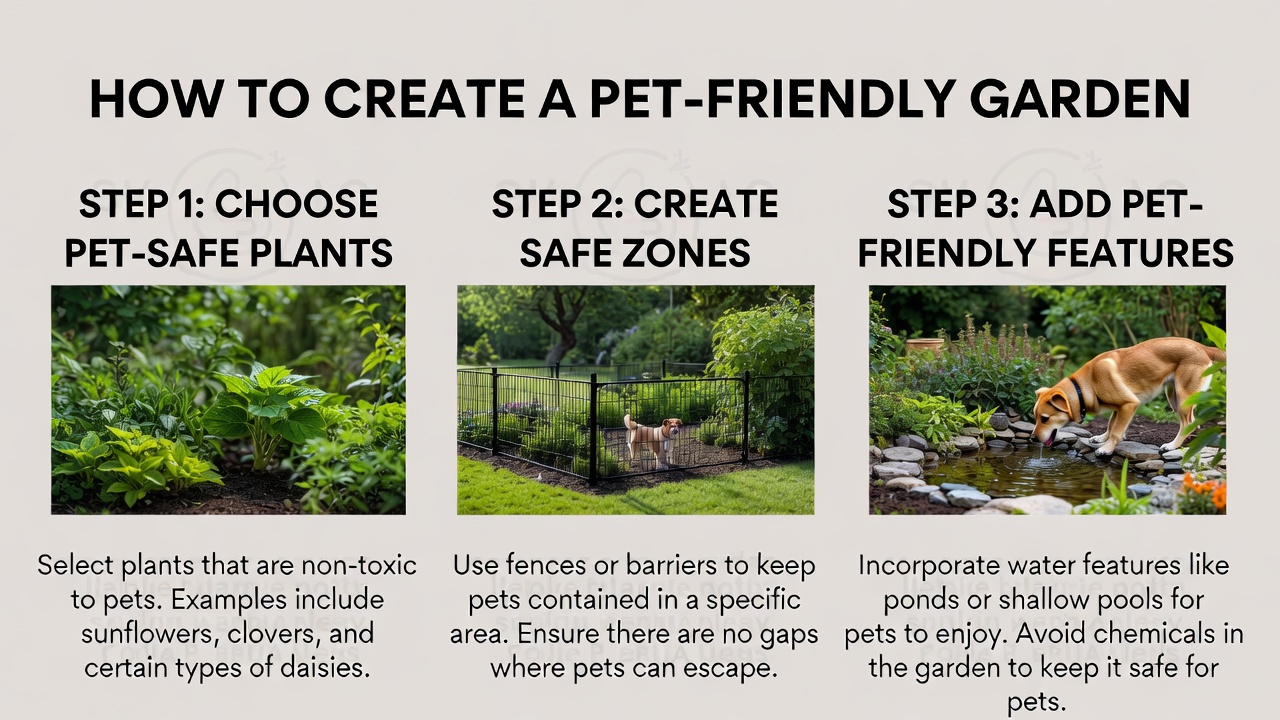
How to Create a Pet-Friendly Garden?
Your backyard can be so much more than just a patch of grass. It can be a safe, fun space where your furry friends play and relax. A pet-friendly garden is one of the best gifts you can give your dog, cat, rabbit, or any animal companion. Let’s dive into how to make your outdoor space perfect for your pets.
In this article
Why Your Pets Need a Safe Garden Space
Your garden isn’t just about looks. It’s a place where your pets can stretch their legs, get fresh air, and feel happy. Dogs love to run around. Cats enjoy lounging in the sun. Even small pets like rabbits deserve a secure outdoor area.
A well-designed backyard gives your pets room to explore without getting hurt. Pets can get stressed living indoors all day. An outdoor garden helps them burn energy and stay calm. This means fewer behavior problems at home. Your pets will be happier, healthier, and more relaxed when they spend time outside.
Creating a pet-friendly outdoor space takes some planning. You need to think about safety, comfort, and entertainment. The good news? You don’t need a huge yard or tons of money. Even a small balcony can work for some pets. This guide shows you everything you need to know.
Secure Your Garden With Proper Fencing
The most important step is making sure your pets can’t escape. A strong fence or barrier is essential. Your pets need a boundary they can’t cross.
For dogs, a fence at least four feet high works well for small breeds. Larger dogs need five feet or more. Don’t forget to check the fence carefully. Dogs are clever and can squeeze through tiny gaps. Walk the whole perimeter and look for holes, loose boards, or weak spots.
Cats are incredible jumpers. A six-foot fence might not stop them. You can add a roller kit or angled extension at the top. These devices make it hard for cats to get over. Another smart option is a cat-proof fence system. These special enclosures let your cats enjoy the outdoors safely.
For rabbits and guinea pigs, you need small-animal fencing. Use quarter-inch hardware cloth. Dig it into the ground at least twelve inches deep. Rabbits are natural diggers and will tunnel under a regular fence. They’re escape artists.
Check your fence often. Weather, wind, and time wear it down. Inspect it every few weeks. Fix problems right away. A broken fence means a lost pet.
Remove Toxic Plants From Your Garden
Many common plants are poisonous to pets. Before you plant anything, research whether it’s safe. This is super important.
Dogs and cats might chew on plants out of curiosity or boredom. Some plants make them very sick. Lilies are toxic to cats and can cause kidney failure. Sago palms poison dogs. Azaleas, rhododendrons, and foxgloves hurt both cats and dogs.
Make a list of plants you want to grow. Look up each one. Check if it’s safe for your specific pets. When you’re not sure, skip that plant. Better safe than sorry.
Some plants are toxic only in certain amounts. Others are deadly even in small quantities. Don’t take chances with your pet’s health. Your vet can help you identify dangerous plants. They can also suggest safe alternatives.
Garden centers sometimes sell plants with pesticides on them. These chemicals are dangerous for pets. Buy organic plants when you can. Wash any new plants before planting them. This removes harsh chemicals and helps your pets stay healthy.
Plant Pet-Safe Vegetation and Herbs
You can grow plants that are both beautiful and safe. Many plants make great additions to a pet garden. Your backyard will look great and keep your pets healthy.
Grass is perfect for pets. It gives them a soft place to rest and play. Many pets like to chew on grass too. Plant grass that handles heavy foot traffic well. Perennial ryegrass and fescue are tough and pet-friendly. Keep it mowed and clean. Remove any pesticides you might use on grass.
Herbs are amazing for pet gardens. Catnip makes cats happy and playful. Grow it in a pot so you can move it around. Silvervine works like catnip for cats that don’t respond to catnip. Cat grass is safe for cats to nibble on. It helps with digestion.
Dogs enjoy mint and parsley. These are totally safe for them to eat. Basil is good for dogs too. Grow these herbs near where your dogs spend time. They might enjoy snacking on them.
Other safe plants include sunflowers, zinnias, and marigolds. These add color to your garden. Your pets can be around them without worry. Boston ferns and spider plants are safe too. They work great in pots around your outdoor space.
Bamboo is sturdy and looks nice. It makes natural barriers. Bamboo is safe for all pets. Planting it creates shade and privacy. Just make sure it doesn’t block sight lines. You want to see your pets at all times.
Create Shaded Areas for Hot Days
Sun is great, but your pets need shade too. Direct sun all day is exhausting and dangerous. Heat stroke is a real risk for pets. Always have shaded spots available.
Trees are the best solution. They give natural shade and look beautiful. Plant trees that grow dense foliage. Oak trees, maple trees, and pine trees work well. These grow tall and create good shade. They also take years to mature, so plant them now if you want shade in the future.
You can add shade faster with pergolas and arbors. These structures let climbing plants grow on them. Vines like clematis and honeysuckle cover them quickly. The vines create a cool spot for your pets. These structures are affordable and look elegant.
Shade sails and umbrellas are quick fixes. You can set them up in a day. Move them around as the sun moves. They’re perfect if you don’t want to plant trees. Make sure they’re stable in wind so they won’t fall on your pets.
Create several shaded zones in different parts of your garden. Some pets like different spots at different times. A corner near the house might be perfect on one day. A spot under a tree might be better another day. Options let your pets choose their comfort level.
Provide Fresh Water and Drinking Stations
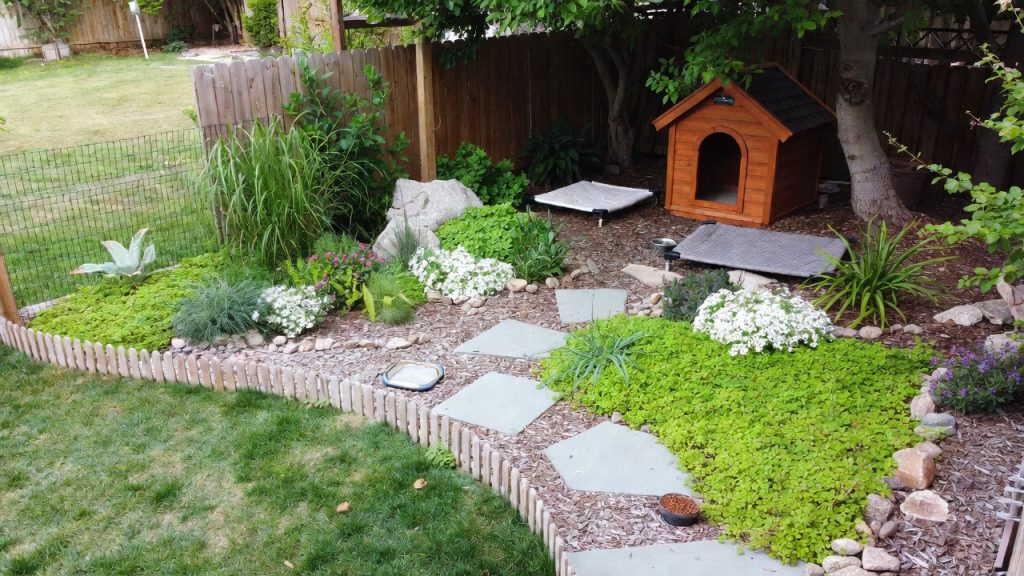
Water is non-negotiable. Your pets need access to fresh water all day long. This is true especially on hot days. Dehydration happens fast.
Set up multiple water bowls around your garden. Place them in shady spots. Don’t put them in direct sun. Water gets warm in the sun and tastes bad. Warm water also doesn’t cool down pets as well.
Change the water twice a day. Once in the morning and once in the evening. More often on hot days. Stagnant water gets dirty and attracts insects. Fresh water keeps pets healthy.
For dogs, use sturdy bowls that don’t tip easily. Heavy ceramic or stainless steel bowls work great. Plastic bowls can crack and hold bacteria. For cats, wide shallow bowls work best. Cats don’t like their whiskers touching the bowl sides.
Consider installing a water fountain designed for pets. These keep water moving and cool. Many pets prefer running water. It’s more appealing to them. The movement also keeps mosquitoes from breeding in it.
Put water bowls on flat ground. Uneven surfaces cause spills. In winter, check water bowls daily. They can freeze. Make sure your pets can access water in cold weather too. Use heated water bowls in freezing temperatures.
Build Comfortable Resting Spots
Your pets spend time playing, but they also need rest. Create comfortable spots for them to relax. These areas help them feel safe and secure.
Pet beds work great outside. Use outdoor pet beds made from waterproof materials. They dry quickly after rain. Place them on raised platforms so they stay dry underneath. Elevated beds also help air flow and keep pets cooler.
Consider a dog house or cat shelter. These give your pets a private space. They provide protection from rain and wind. Make sure shelters are well-ventilated. Stuffy shelters get too hot. Add bedding that you can wash regularly. Dirty bedding invites parasites.
Dig shallow holes in shaded areas. Many dogs love to rest in cool earth. It cools them down on hot days. Let your dogs dig if they want. It’s a natural behavior they enjoy.
For smaller pets like rabbits, create hutches with outdoor run areas. These let them graze safely while staying protected. Make sure the hutch has solid shelter from weather. Rabbits need shade and wind protection.
Raised platforms work for cats. They like high spaces where they can watch their territory. Platforms also keep them above the ground away from moisture.
Eliminate Hazards and Toxic Substances
A safe garden means removing anything dangerous. Walk through your yard and think like a pet. What could hurt them?
Remove chemicals immediately. Pesticides, herbicides, and fertilizers are poisons to pets. If you must use them, keep pets away for the time listed on the label. Better yet, use pet-safe alternatives. Organic gardening is safer for pets. Compost and natural fertilizers work well.
Cocoa mulch looks pretty but is toxic to dogs. Mulch made from chocolate can make dogs very sick. Use pet-safe mulch instead. Cedar and pine mulch smell nice but can irritate skin. Hardwood mulch is the safest choice.
Check for sharp objects. Broken glass, nails, and metal pieces hide in grass. These cut paws and cause infections. Scan your garden regularly. Remove anything that could hurt.
Rocks and gravel can lodge in paws. They cause discomfort and infection. Use soft ground covers like pet-safe mulch instead. If you have a gravel area, wash paws when pets come inside.
Garden tools left lying around are dangerous. Store all tools in a shed or locked box. Rakes, shovels, and hoes can injure curious pets. Keep everything out of reach.
Check for toxic mushrooms. Some grow in yards naturally. Don’t let pets eat any mushrooms. If you’re not sure, assume it’s poisonous.
Install Safe Play Areas and Exercise Zones
Pets need space to play and exercise. A boring garden means bored, destructive pets. Make your garden fun.
For dogs, a open grassy area is perfect. They need room to run and chase. At least a quarter of your garden should be open space. Dogs use this for sprinting and playing fetch. If your yard is small, take walks in the park for exercise.
Set up agility equipment if your dog enjoys it. Simple jumps and tunnels provide mental stimulation. Build them yourself with PVC pipes and wood. Your dog stays active and entertained.
Create digging zones for dogs that love to dig. Designate one area where digging is allowed. Fill it with soft soil and sand. Bury toys in it. This satisfies their natural instinct. They dig in that zone instead of everywhere else.
For cats, climbing structures are essential. Cat trees work outdoors too. Use weather-resistant versions. Cats love climbing and watching from high spots. Install shelves on fences or walls. Create vertical spaces for climbing.
Hide toys around the garden for discovery games. Rotate toys so they stay interesting. Use puzzle feeders and treat dispensers. These keep pets mentally active.
For rabbits and guinea pigs, create grazing areas with safe plants. Hide tunnels and hiding spots. These prey animals feel safer with cover. It reduces stress and helps them behave naturally.
Create a Bathroom Area for Your Dogs
Dogs need a designated bathroom spot. Training them to use one area keeps your garden cleaner and more pleasant.
Pick a spot away from main seating and play areas. A corner works well. Use a different type of ground cover like gravel or designated pee pads. This helps your dog recognize it as their bathroom.
Take your dog to this spot regularly. Go out first thing in the morning. Go before bed. Go after meals. Go after playtime. Consistency works. Your dog learns the routine quickly.
Praise heavily when your dog uses the right spot. Use treats and excitement. Make them happy about using that area. Soon they’ll go there automatically.
Clean the area regularly. Use pet-safe cleaners. Remove waste daily. This prevents smell buildup and flies. A clean bathroom area stays more pleasant.
For cats, a large litter box filled with outdoor litter or sand works. Place it in a secluded spot. Cat grass nearby helps them learn the location. Clean it often. Cats are picky about bathroom cleanliness.
Make Your Garden Year-Round Friendly
Gardens change with seasons. Your pet space should stay safe and comfortable all year.
In summer, focus on shade, water, and cool spots. Keep water bowls full. Provide misting if possible. Let your pets come inside when it’s too hot. Pets can’t sweat like humans. Heat exhaustion happens fast.
In winter, provide shelter from cold and wind. Snow can pack between paw pads and hurt them. Check paws regularly. Salt used on walkways is harmful. Rinse paws after walks outside your garden. Provide warm bedding in shelters. Consider a heated bed for small pets.
In spring, check for new toxic plants. Remove any poisonous plants before they spread. This is peak season for growth. Stay on top of it.
In fall, rake leaves regularly. Decomposing leaves can trap moisture. They also hide hazards. Keep your garden tidy. Remove fallen fruit from fruit trees immediately. It attracts bugs and wildlife.
Design Garden Beds That Protect Your Plants
You want a beautiful garden too. Raised beds and fencing around plant areas protect your plants from pets. Your garden doesn’t have to look like a pet zone only.
Build raised beds at least two feet high. This keeps dogs from trampling plants. It also keeps cats from using the soil as a litter box. Fill them with pet-safe plants and plants you want to protect.
Use fencing or barriers around delicate plants. Low fences work great for this. They keep pets out without blocking views. Use decorative fencing that looks nice.
Plant taller plants in the back. Smaller plants go in front. This creates layers and protects smaller plants from being stepped on. It also looks more interesting visually.
Space plants far enough apart. Crowded plants get damaged easily. Pets brush against them while playing. Give plants room to recover from wear and tear.
Add stepping stones through planting areas. These guide pets and visitors along safe paths. They also protect soil from getting compacted from constant foot traffic.
Pest Control Without Chemicals
Keep your garden healthy without putting pets at risk. Chemical pest control is dangerous. Natural methods work great.
Beneficial insects help control bad bugs. Ladybugs eat aphids. Praying mantises eat many garden pests. Plant flowers that attract these helpful insects. Marigolds and zinnias bring in beneficial bugs.
Hand-pick larger pests like caterpillars. It’s easy and safe. Check plants every few days. Remove pests as you see them.
Use companion planting. Certain plants keep pests away. Basil near tomatoes repels flies. Mint deters mice and spiders. These combinations create natural pest control.
Neem oil is organic and safe for pets. It controls many pests without toxins. Follow label directions carefully. Keep pets away while spraying.
Row covers protect plants from flying insects. Drape light fabric over plants. It lets light and water through. Remove it when plants flower so pollinators can visit.
Install natural pest predators. Birds eat insects. Build bird feeders and bird baths. Bats eat thousands of insects. A bat house helps. Small spiders are your friends. They eat tons of pests.
Maintain Your Garden Regularly
A well-maintained garden is a safe garden. Regular care prevents problems. It keeps your space beautiful and pet-friendly.
Mow grass weekly during growing season. Tall grass hides hazards. It also makes perfect spots for ticks and fleas. Keep grass short so you can see the whole lawn. Mow when grass is dry to avoid clumping.
Remove dead leaves and branches regularly. They hide dangers. They also create spots where pests hide. A clean garden is a safe garden.
Water plants regularly. Healthy plants handle pet traffic better. Weak plants break easily. Proper watering keeps everything strong.
Check fences and barriers often. Weather damages them. Inspect every week. Fix problems immediately. A pet escaping is the worst disaster. Prevention is key.
Inspect for new hazards constantly. Think of your garden as an ever-changing space. New plants grow. New debris appears. Conditions change. Stay alert.
Remove any standing water. Mosquitoes breed in it. Your pets might drink it and get sick. Drain low spots. Fill puddles. Keep water only in designated bowls.
Train Your Pets for Garden Safety
Even in the safest garden, pets need training. They need to know the rules.
Teach basic commands like “come,” “sit,” and “leave it.” These help keep them safe. If a pet starts to chew something dangerous, you can interrupt them.
Supervise young pets closely. They’re curious and make mistakes. Adult pets are usually safer but still need watching. Never leave pets alone outside for long periods.
Don’t assume your pet knows boundaries. A fence stops them from leaving. But it doesn’t stop them from eating something toxic. Training and supervision matter.
Teach dogs not to dig outside their designated zone. Use positive reinforcement. Reward them for digging in the right spot. Ignore or redirect digging elsewhere.
For cats, fence training helps. Some cats learn that the fence is the boundary. They don’t try to escape. Others are persistent. Know your cat. Use appropriate barriers.
Rabbits and guinea pigs need supervision outside. They can’t be trusted alone even in secure areas. Always watch them. They’re prey animals and get scared easily.
Make Your Garden Beautiful and Functional
Your garden should be a nice place for humans too. Beauty and pet-safety work together.
Use a mix of flowers, shrubs, and trees. This creates visual interest. It also provides shade, shelter, and safety. A well-planned garden looks better and functions better.
Choose colors you love. Don’t make the garden look like a pet space only. Your friends should enjoy visiting too. A pretty garden with happy pets is the best combination.
Add seating areas for humans. Benches and chairs let you relax while watching your pets. You can supervise them while you sit comfortably.
Create focal points with rocks, fountains, or statues. These draw the eye. They make the space feel intentional and designed. Pet-safe decor adds personality.
Use pathways to direct traffic flow. They keep people and pets moving along intended routes. This protects plants and creates order. Pathways make navigation easier.
Light your garden if you use it in the evening. Pet-safe outdoor lights let you see what’s happening. They make the space feel welcoming. Good lighting also helps you spot hazards.
Budget-Friendly Tips for Pet Gardens
Creating a pet-friendly garden doesn’t require huge spending. You can do it gradually. Here are wallet-friendly ideas.
Start with the essentials: fencing, water, and toxin removal. Everything else can come later. Build your garden over time.
Use free materials when possible. Fallen branches make obstacles for agility training. Natural rocks mark areas. Scraps of wood build raised beds. Recycled materials save money.
Shop sales and look for deals. Garden stores have seasonal sales. Buy plants when they’re on sale. Seeds are cheaper than starter plants. Grow from seed if you have time.
Make your own pet beds with old blankets. Use old rugs for ground cover. Create toys from old socks and plastic bottles. DIY saves money without sacrificing quality.
Trade plants and seeds with neighbors. Gardeners are generous. You might get free plants you’d otherwise buy.
Focus on perennials over annuals. They cost more upfront but come back yearly. Annuals must be replanted. Over time, perennials save money.
Do the work yourself. Landscapers cost a lot. You don’t need professional help for basic projects. Simple fences, raised beds, and pathways are doable DIY.
Common Mistakes to Avoid
Learn from others’ mistakes. Here are problems to skip.
Don’t assume a plant is safe without checking. Many beautiful plants are toxic. Always research before planting. When in doubt, leave it out.
Don’t skip fence inspection. A tiny gap means escape. A pet can get out through small openings. Check constantly.
Don’t leave water stagnant. Dirty water makes pets sick. Keep water fresh and clean. Change it daily at minimum.
Don’t plant in perfect rows only. This looks boring and is less functional. Mix plant types and heights. Create natural-looking spaces. Pets enjoy varied gardens more.
Don’t forget about ground level hazards. Think about what pets see from their perspective. Low hazards hurt them more than high ones.
Don’t give up on pet training. A trained pet is a safe pet. Invest time in teaching good behavior. It pays off with fewer problems.
Don’t skip shade. Even pet lovers forget about shade sometimes. It’s not optional. It’s essential for health.
Getting Your Pets Excited About Their Garden
Once your garden is ready, introduce your pets to it gradually. Make it fun and exciting.
Let dogs explore slowly. Don’t force them. Let them sniff and investigate at their pace. Make positive associations. Bring treats and toys outside. Make the garden a happy place.
For cats, leave them in a secure enclosure first. Let them get used to the space. Let them see birds and insects. Once they seem comfortable, you can open the area. Some cats never adapt. That’s okay. You tried.
Rabbits need time too. Start in a small secure pen. Let them graze and explore. Slowly expand their area as they get confident. Small animals are cautious. Patience pays off.
Play with your pets in the garden. Throw balls for dogs. Play with string toys for cats. Make the space fun. Happy pets will want to spend time there.
Establish routines. Regular outdoor time helps pets appreciate the garden. They know what to expect. Routines comfort pets.
Conclusion: A Happy Pet, A Happy You
A pet-friendly garden is an investment in your pets’ happiness and health. It takes planning and effort. But the rewards are huge. Your pets get exercise, fresh air, and mental stimulation. You get the joy of watching them enjoy themselves.
Start with the essentials. Build your garden gradually. Don’t stress about perfection. A safe, functional garden beats a dangerous, beautiful one every time.
Your pets depend on you. They trust you to keep them safe. A well-designed pet garden shows that you care. It’s one of the best things you can do for them.
Get started today. Even small improvements help. Before you know it, you’ll have a beautiful outdoor space that your pets love. Your whole family will enjoy it for years to come.
Hi, I’m Mary, the founder of GardenCure.com. I’m passionate about creating healthy, beautiful gardens and well-kept lawns. I share practical experience and trusted advice on garden and lawn gear that truly works. With the support of my dedicated research team, our writers produce honest, in-depth reviews using reliable, authentic sources—helping you choose the right tools with confidence for your outdoor space.