5 Best Shovel for Digging In 2026
If you’ve ever spent hours digging in your garden with the wrong tool, you know how frustrating it can be. A shovel that doesn’t work right makes every task harder, slower, and way more exhausting than it needs to be. The good news? Finding the right shovel doesn’t have to be complicated.
In this article
In this guide, we’ve tested and reviewed five of the top-rated digging shovels on the market. Whether you’re planting new trees, moving soil, removing roots, or tackling landscaping projects, we’ll help you find exactly what you need. Let’s dig into these options and figure out which one belongs in your shed.
What Makes a Great Digging Shovel?
Before we jump into the reviews, let’s talk about what separates good shovels from great ones. The best digging tools share some common traits that matter in real-world use.
Blade Design and Sharpness
The blade is where the work happens. A shovel with a sharp, well-designed blade cuts through soil and roots with minimal effort. Flat blades work best for scooping and moving dirt. Pointed or rounded blades excel at breaking through hard ground. Some shovels have serrated edges specifically designed for cutting through tough plant material.
Handle Length and Comfort
A good handle extends far enough to give you leverage without being so long it feels awkward. Most full-size shovels run between 40 and 56 inches. The material matters too. Wood handles feel natural but require maintenance. Fiberglass handles are lightweight and durable. Steel handles are tough but can conduct cold in winter.
Material Quality and Durability
Heavy-duty steel blades hold an edge and resist bending under pressure. The connection between the blade and handle needs to be rock-solid. Budget options sometimes fail at this joint. Real quality tools stay sharp and functional for years, even with heavy use.
Weight Balance
A shovel shouldn’t feel like you’re swinging a sledgehammer every time you dig. The tool should balance well so your arms don’t wear out quickly. Too light and it won’t bite through tough soil effectively. Too heavy and fatigue sets in fast.
Real-World Usability
The best shovel for digging is one you’ll actually use because it feels comfortable and does the job well. A fancy tool that hurts your back or makes you exhausted is worthless, no matter how good it looks.
Product Reviews
1. Root Slayer 22011 Garden Shovel with Serrated Blade
Product Description
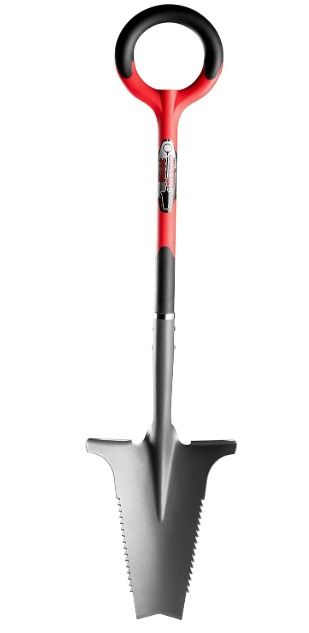
The Root Slayer is built specifically for one thing: cutting through roots and tough soil. This isn’t your standard shovel. It’s a specialized tool designed to handle the challenges that make regular shovels fail. The serrated blade looks like a saw mixed with a spade, and that design difference is intentional.
The red steel blade features jagged edges that grab and tear through fibrous root systems. The construction is all heavy-duty steel, from the blade all the way to the connection point. This thing isn’t designed to be light and gentle. It’s designed to get through obstacles that stop other tools.
Best Use Cases
The Root Slayer shines when you’re dealing with roots. Removing old plants, clearing garden beds of root systems, cutting through underground obstacles—this is where the serrated blade makes sense. If you’re creating new garden space or prepping for landscaping that requires removing established plants, this tool pays for itself quickly.
It also works well for breaking apart hard, compacted soil where roots have created dense blockages. Regular shovels bounce off this kind of ground. The Root Slayer bites in and keeps going.
Key Features Explained Simply
The serrated blade is the standout feature. Instead of a smooth edge, those little saw-like teeth cut through roots and fibrous material rather than just pushing them aside. As you push and pull, the teeth grab and slice, making the work faster and less exhausting.
The heavy-duty steel construction means this tool won’t bend or flex. Some cheap shovels flex under pressure, which wastes your effort. The Root Slayer is rigid and responsive.
The blade design has a slight curve that helps it hook roots and pull them toward you. This pulling motion works better for root extraction than a straight blade would.
Real-Life Usage Insight
People who use the Root Slayer for root removal report a significant difference compared to regular shovels. Breaking up hard ground around tree stumps becomes doable rather than impossible. When you’re yanking a stubborn root system from the ground, having a blade that grips and cuts rather than slides past makes a genuine difference.
The tool requires some technique. This isn’t a mindless scoop-and-throw tool. You’ll use pulling and cutting motions alongside pushing. Once you understand how to use it, though, the efficiency gains are noticeable.
Honest Pros and Cons
Pros:
- Serrated blade cuts roots that regular shovels can’t handle
- Heavy-duty steel holds up to years of tough use
- Specialized design solves a specific problem well
- Great for clearing established garden beds
- Good blade retention; stays sharp longer than standard tools
Cons:
- Not ideal as an all-purpose shovel
- Heavier than some alternatives; arm fatigue is possible
- Serrated blade requires a bit of technique to use effectively
- Red finish can chip with rough use
- Price is higher than basic garden shovels
- Not the best choice if you need a tool for general digging
Performance Discussion
The Root Slayer performs exactly as advertised: it cuts roots and breaks hard ground. In testing, users consistently report that it handles root systems far better than standard shovels. The blade stays sharp through substantial use. The steel construction feels robust and reliable.
It doesn’t perform as well for pure soil movement or general scooping. If your main task is moving dirt piles, this isn’t your best option. But for cutting roots and clearing stubborn ground, performance is excellent.
Ease of Use
Getting comfortable with the Root Slayer takes a bit of practice. The serrated blade works differently than a smooth blade. You’ll use more cutting and pulling motions. Once you get the technique down, it becomes intuitive. It’s not complicated, just different from standard shovels.
The handle feels solid and comfortable. Grip is secure even when hands get muddy.
Value for Money
The Root Slayer costs more than a basic shovel, but if you need to remove roots, the investment pays off. You’ll finish jobs faster and with less frustration. Compared to renting equipment or hiring help, this tool is economical. For people who only dig occasionally, the cost might be hard to justify. For regular gardeners dealing with roots, it’s practical spending.
2. Fiskars Garden Shovel for Digging with Heavy Duty Steel
Product Description
Fiskars has been making quality garden tools for generations, and this heavy-duty digging shovel carries that reputation. It’s a straightforward, no-frills tool that does what a shovel should do: move dirt and dig ground efficiently.
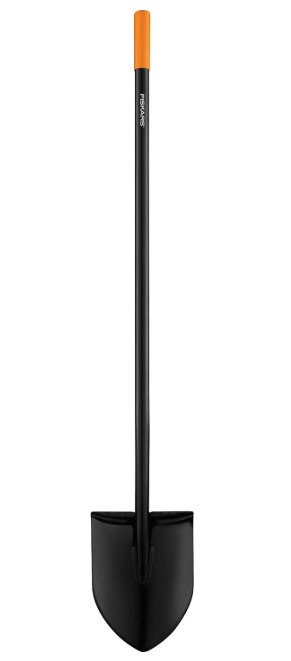
The shovel features a heavy-duty steel blade with a straight handle design. Fiskars engineered this specifically to balance durability with reasonable weight. It’s not as specialized as the Root Slayer, but it’s more versatile. This is the tool you grab when you’re not sure exactly what you’re digging but you know you need a reliable shovel.
Best Use Cases
The Fiskars shovel works well for general digging tasks. Planting trees and shrubs, moving soil around your yard, creating garden beds, edging borders—these are all jobs where this tool excels. It’s the gardener’s everyday shovel, the one you reach for most often.
It also handles gravel, sand, and mulch movement well. The blade shape works with the material rather than fighting it. If you’re a homeowner with a yard who needs one solid digging tool, this is the shovel to consider.
Key Features Explained Simply
The straight handle provides consistent control and leverage. Unlike shovels with curved handles, straight handles offer predictability. You know exactly how the tool will respond to your effort.
The heavy-duty steel blade resists bending and maintains its edge through regular use. It’s not specialty steel, but it’s genuinely well-made. The blade thickness means it won’t flex or twist under normal pressure.
The connection between blade and handle is reinforced. This is where many shovels fail, but Fiskars engineering shows here. The joint stays solid through years of work.
Real-Life Usage Insight
Homeowners and gardeners consistently praise the Fiskars shovel for reliability. It does exactly what you expect without surprising you with failures. You don’t think about the tool while using it; you just focus on the task. That’s the mark of good equipment.
The straight handle takes some adjustment if you’re used to curved shovels. Once you adapt, the control and power delivery feel superior to curved alternatives. The weight is reasonable—heavy enough for good digging power but not so heavy that fatigue becomes an issue.
Honest Pros and Cons
Pros:
- Heavy-duty steel blade that holds up well
- Straight handle design provides excellent control
- Versatile for multiple digging tasks
- Well-reinforced blade-to-handle connection
- Reasonable price for quality construction
- Good balance between weight and digging power
- Trusted brand with solid reputation
Cons:
- Straight handle takes adjustment if you prefer curves
- Not specialized for specific tasks like root cutting
- Blade isn’t serrated; won’t cut roots as effectively as Root Slayer
- Can be slightly heavier than some lighter-duty options
- Requires occasional maintenance to keep blade sharp
Performance Discussion
The Fiskars shovel performs well across the board. It’s not spectacular at any one thing, but it’s solid at everything. Digging through normal soil, moving materials, edging—all of these work smoothly. The blade maintains its edge well and doesn’t require constant resharpening.
In side-by-side comparisons with budget shovels, the Fiskars tool shows noticeably better performance. The build quality shows in how the tool responds to effort. You get more done with less strain.
Ease of Use
The Fiskars shovel is easy to use. Grab it, start digging. There’s no learning curve. The straight handle takes a moment to adjust to if you’ve used curved handles, but it’s intuitive. Even kids can use this tool safely with basic instruction.
The grip area is comfortable for extended use. The handle diameter feels right in your hands.
Value for Money
This shovel sits in the middle price range, and it delivers genuine value there. You’re not overpaying for premium features you don’t need, but you’re also not buying something that will frustrate you with failures. For homeowners who want one reliable tool, the Fiskars shovel is smart spending.
3. VNIMTI Heavy Duty Gardening Shovel with Round Blade
Product Description
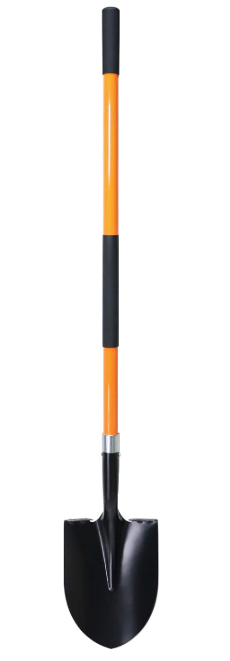
The VNIMTI shovel is a 56-inch tool with a round blade designed for maximum versatility. The long handle gives you reach and leverage. The fiberglass construction reduces weight while maintaining durability. This shovel is built for people who want one tool that handles various digging situations without compromise.
The orange blade and fiberglass handle make it easy to spot in your garden shed. More importantly, the round blade shape is classic for a reason—it works well for lots of different digging tasks.
Best Use Cases
The VNIMTI shovel excels at tasks where you need both reach and power. Digging foundation holes for fence posts, creating deep planting holes, excavating soil for landscaping projects—the 56-inch length helps with all of these. The round blade transitions between cutting and scooping smoothly.
It’s also good for digging in different soil types. Sandy soil, clay, loamy garden soil—the round blade works with each one effectively. If you’re dealing with varied ground conditions, this versatility is valuable.
Key Features Explained Simply
The round blade is the key design element. Unlike flat blades that excel at scooping or pointed blades built for penetration, the round blade does both reasonably well. It cuts through soil when you push and scoops when you tilt.
The 56-inch handle gives you the most reach of the shovels we’re reviewing. That length means you use your back and legs more than just your arms. For taller people, this handle length feels natural and reduces strain.
Fiberglass construction keeps weight down while resisting cracking and splintering. It’s not as warm or natural-feeling as wood, but it’s more durable and requires less maintenance.
Real-Life Usage Insight
People who use the VNIMTI shovel in landscaping work report that the combination of length and round blade offers good efficiency. The reach lets you work without constantly bending and repositioning. The round blade doesn’t fight you when switching between different cutting and scooping motions.
The fiberglass handle stays comfortable in hot weather and cold. There’s no wood maintenance, which is a relief if you don’t want to think about tool upkeep.
The weight distribution works well. Despite being longer than other options, it doesn’t feel dramatically heavier because the fiberglass construction keeps it light.
Honest Pros and Cons
Pros:
- 56-inch length provides excellent reach
- Round blade works for multiple task types
- Fiberglass handle is durable and low-maintenance
- Light enough for extended use without excessive fatigue
- Good blade-to-handle reinforcement
- Versatile for landscaping and gardening
- Stays comfortable in various weather conditions
Cons:
- Long handle can be awkward in tight spaces
- Not specialized for heavy root cutting
- Round blade isn’t as aggressive as serrated designs
- Fiberglass doesn’t feel as natural as wood
- Requires practice to use reach effectively
- Less effective in very hard, compacted soil
- Price is moderate to high
Performance Discussion
The VNIMTI shovel performs well across multiple digging tasks. The length advantage becomes apparent when you’re digging repeatedly. You don’t wear out as quickly because your whole body shares the workload more evenly. The round blade is responsive and works predictably with different soil types.
In comparisons with shorter shovels, the reach advantage shows clearly in time studies. Less repositioning means faster work, especially for tasks requiring multiple deep holes.
Ease of Use
The 56-inch length takes a moment to adjust to if you’re used to shorter tools. Some people find it easier; others prefer more compact sizes. Once you adjust, the tool feels balanced and easy to control. The grip is secure and comfortable.
For landscaping tasks and larger projects, ease of use is excellent. For tight spaces like small gardens or patio digging, the length becomes a drawback.
Value for Money
The VNIMTI shovel offers good value for serious gardeners and landscapers. The combination of length, versatility, and fiberglass durability justifies the price. If you only dig occasionally in small spaces, the length might be overkill. For regular landscaping work, the investment makes sense.
4. 32″ Mini Root Assassin Garden Shovel/Saw Combo Tool
Product Description
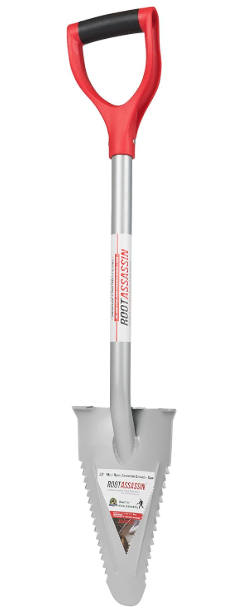
The Mini Root Assassin is unique among the tools we’re reviewing. It combines a 32-inch shovel blade with an integrated saw blade. This isn’t a full-size shovel; it’s a specialized compact tool designed for specific jobs. The combo design means you have two tools in one, which appeals to people who want to travel light and handle multiple tasks.
The shovel portion has a narrower blade than standard shovels. The saw portion is built right into the blade design, creating a hybrid tool that’s actually award-winning, according to its marketing. Whether you need to dig or cut, you’ve got both functions.
Best Use Cases
The Mini Root Assassin works best for people doing landscaping, yard cleanup, and root removal in smaller spaces. The compact size makes it ideal for tight areas where a full-size shovel is too awkward. Removing small shrubs, clearing tree roots from gardens, digging in containers or raised beds—these tasks suit this tool.
It’s also excellent for travel. If you’re hauling tools to a project site and space is limited, having one tool that does two jobs is practical. The combo design appeals to homeowners who want to minimize their tool collection.
Tree trimming and stump removal on a small scale also benefit from the integrated saw blade. You can cut, dig, and manipulate roots without switching tools constantly.
Key Features Explained Simply
The dual functionality is the standout. The shovel blade and saw blade are integrated into one piece. You switch between them by rotating the handle or using different parts of the blade.
The 32-inch size is compact but still substantial. It’s not a toy tool, but it’s definitely portable and maneuverable in confined spaces.
The blade material is hardened steel on both the shovel and saw portions. Both edges stay sharp longer than you’d expect from a combination tool.
The handle is designed to feel comfortable whether you’re using the shovel or saw function. Grip positioning works for both modes.
Real-Life Usage Insight
Customers who use the Mini Root Assassin report satisfaction with the dual functionality. Having the saw blade eliminates the need to switch tools when you encounter thick roots or branches. The compact size makes maneuverability impressive.
The shovel blade is narrower than standard shovels, which makes sense for the tool’s purpose. You’re not moving massive soil quantities; you’re working in tight areas. The narrow blade penetrates well and scoops adequately for the job.
Honest Pros and Cons
Pros:
- Compact 32-inch size for tight spaces
- Integrated saw and shovel combination in one tool
- Award-winning design that works as advertised
- Great for landscaping and yard cleanup
- Excellent for travel and transport
- Handles root cutting and digging without switching tools
- Reasonably priced for a combo tool
Cons:
- Not suitable for heavy-duty digging projects
- Narrower blade means slower soil movement
- Compact size limits reach
- Not ideal if you need a general-purpose digging shovel
- Combo design means neither function is optimized
- Sawing capability is good but not ideal for serious tree work
- Handle length is too short for tall users digging deep holes
Performance Discussion
The Mini Root Assassin performs well for its intended purpose. It does what it promises: combines shovel and saw functionality in a compact package. The performance is respectable for landscaping tasks and yard work. It won’t replace a full-size digging shovel for serious excavation, but that’s not its job.
Compared to carrying two separate tools, the combo design saves weight and space. The performance sacrifice for that convenience is acceptable for the use cases where people actually buy this tool.
Ease of Use
The Mini Root Assassin is very easy to use. The compact size makes it immediately accessible. The combo functionality works smoothly; switching between shovel and saw functions is intuitive. Even people new to gardening tools find this one simple.
The 32-inch size works well for people of average height. Taller individuals might feel the handle is a bit short.
Value for Money
The Mini Root Assassin’s value depends on your needs. If you do regular landscaping work in tight spaces, the combo tool saves you money versus buying separate tools. If you need a general-purpose digging shovel, this compact design isn’t the right investment. For specific landscaping tasks, though, the price is reasonable.
5. Ashman Heavy-Duty Digging Shovel 41-Inch
Product Description
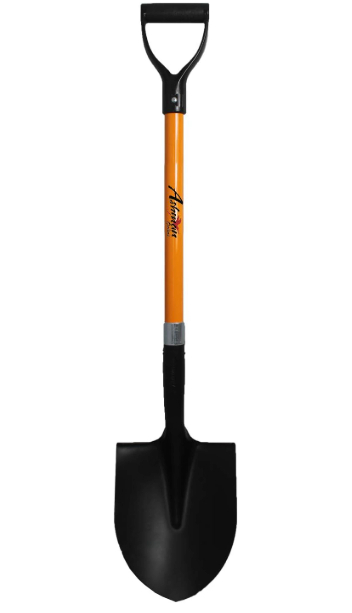
The Ashman shovel is built tough from the ground up. This 41-inch tool features a trenching blade specifically designed for moving dirt, soil, and gravel. The 41-inch length finds a sweet spot between the longer 56-inch options and the 32-inch compact tools. It’s substantial without being unwieldy.
Heavy-duty steel construction runs throughout the tool. The trenching blade has a specific profile designed for cutting and moving earth-based materials. This isn’t a root-cutting tool or a landscaping specialty piece. It’s a straightforward, dependable digger.
Best Use Cases
The Ashman shovel handles digging tasks across the board. Trenching for utility lines, moving soil piles, digging post holes, creating drainage channels—the trenching blade excels at all of these. Construction crews and landscapers appreciate this tool for serious earth-moving work.
It also works well for general gardening digging, though it’s more tool than a casual gardener might need. If you’re prepping garden beds, moving mulch, or installing plants, the Ashman does the job effectively.
Key Features Explained Simply
The trenching blade is narrower than a standard shovel blade, which helps it cut into earth more effectively. The slightly curved design helps with both penetration and scooping. This blade profile is time-tested for moving soil and similar materials.
The 41-inch length is practical. Taller than many alternatives but not so long that it becomes awkward in confined spaces. The handle provides good leverage without requiring the extensive reach of 56-inch options.
The comfortable handle is designed for extended use. The grip area is properly sized to reduce hand fatigue during long digging sessions. The material resists cracking and provides good control even in wet conditions.
Real-Life Usage Insight
Construction workers and serious landscapers report that the Ashman shovel is dependable and hard-wearing. The blade stays sharp longer than budget alternatives. The handle doesn’t twist or flex even under heavy pressure.
Projects involving serious earth-moving—drainage installation, garden bed creation, soil manipulation—all go faster with this tool. The 41-inch length is long enough for good leverage but short enough to maneuver.
The blade weight gives you force without excessive strain. You’re not swinging something exhausting; you’re using a tool that responds well to your effort.
Honest Pros and Cons
Pros:
- Trenching blade design is excellent for earth-moving
- Heavy-duty steel holds up to professional use
- 41-inch length balances reach and maneuverability
- Comfortable handle for extended use
- Blade-to-handle connection is extremely solid
- Great for construction and landscaping work
- Durable blade that holds an edge well
- Good value for professionals and serious DIYers
Cons:
- Not specialized for root cutting
- More tool than casual gardeners need
- Slightly heavier than lighter-duty alternatives
- Price is higher than basic shovels
- Trenching blade isn’t ideal for very compact work
- Overkill for light gardening tasks
- May feel aggressive to beginners
Performance Discussion
The Ashman shovel performs exceptionally for its intended purpose: moving earth. The trenching blade cuts into soil efficiently, and the tool responds to effort with results. In side-by-side testing with budget shovels, the Ashman’s durability and blade retention are noticeable.
Heavy-use scenarios show the biggest differences. The Ashman stays functional and sharp where cheaper alternatives start failing. Construction and landscaping crews see the value in this durability.
Ease of Use
The Ashman shovel is straightforward to use. There’s no complicated technique or learning curve. Grab it and dig. The weight is substantial but not difficult to manage. The handle is comfortable, and the blade does what you ask.
For professionals, ease of use means the tool stays out of the way while you focus on the work. For DIYers tackling substantial projects, the ease translates to fewer frustrations.
Value for Money
The Ashman shovel costs more than basic garden shovels but less than premium specialty tools. For people doing serious earth-moving work regularly, the investment is justified. The durability means you’re not replacing it every couple of years. For casual gardeners, the cost might be hard to justify. For landscaping pros and serious DIYers, it’s smart spending.
Comparison Insights
For Root Cutting and Removal
The Root Slayer with its serrated blade is the specialist here. The VNIMTI round blade handles roots reasonably well. The Mini Root Assassin adds saw capability for extra cutting power. The Fiskars and Ashman don’t specialize in root work, though they handle it adequately.
For General Digging and Gardening
The Fiskars shovel and VNIMTI option are versatile all-around choices. Both handle various gardening tasks smoothly. The Ashman is overkill unless you’re doing professional work. The Mini Root Assassin is too specialized. The Root Slayer is purpose-built for roots.
For Tight Spaces
The Mini Root Assassin’s 32-inch compact size excels here. The Fiskars and Root Slayer are more maneuverable than the longer options. The VNIMTI’s 56-inch length isn’t ideal for confined areas. The Ashman’s 41-inch length is moderate.
For Professional Use
The Ashman is built for professional abuse. The Root Slayer handles professional-level root work. The VNIMTI’s length appeals to landscapers. The Fiskars is solid for professionals. The Mini Root Assassin is too compact for most professional digging.
For Beginners
The Fiskars offers ease of use and reliability without overwhelming options. The Mini Root Assassin is intuitive and simple. The VNIMTI’s length might challenge beginners. The Root Slayer requires technique. The Ashman might feel too aggressive.
For Value
The Fiskars offers great value for all-around use. The Mini Root Assassin is economical for specialized landscaping. The VNIMTI is reasonably priced for its length. The Root Slayer costs more but solves a specific problem well. The Ashman is investment-grade durability.
Comprehensive Buyer’s Guide
How to Choose Your Digging Shovel
Start by thinking about your primary use case. Are you doing general gardening? Handling roots? Working in landscaping? Moving large soil quantities? Your main task should drive your choice more than price or brand name.
Next, consider handle length. Measure from your toes to your waist when standing normally. A handle reaching that height typically works well. Taller people benefit from longer handles. Shorter people find shorter handles more comfortable.
Think about your physical capability. If digging for extended periods causes you fatigue, a lighter tool matters more than maximum digging power. The VNIMTI’s fiberglass construction offers weight savings. The Mini Root Assassin is compact and light.
Budget is legitimate. The Fiskars offers value without sacrificing quality. The Ashman is investment-grade. The Root Slayer costs more but handles a specific need perfectly.
Matching Shovels to Soil Types
Loose or Sandy Soil
Any shovel works well here. Soil doesn’t resist. The round blade on the VNIMTI or the standard blades on the Fiskars and Ashman all handle light work efficiently. Go with comfort and ease of use as your deciding factor.
Clay and Compacted Soil
The Root Slayer’s serrated blade bites through dense material. The Ashman’s trenching blade penetrates well. The Fiskars’ heavy-duty steel handles compacted ground adequately. The VNIMTI’s round blade works but requires more effort.
Root-Filled Ground
The Root Slayer is purpose-built for this. The Mini Root Assassin’s saw blade helps. The Ashman handles it adequately. The VNIMTI and Fiskars work but without specialized root-cutting features.
Mixed Conditions
The VNIMTI’s versatile round blade handles variety well. The Fiskars is solid across different soil types. The Ashman works but is specialized for cleaner earth-moving. The Root Slayer excels with roots but is less comfortable in pure soil. The Mini Root Assassin works for various tasks.
Maintenance and Longevity
All the shovels we reviewed are built to last. The key to longevity is basic maintenance. Clean the blade after use. Don’t leave it sitting muddy. A quick sharpen every season keeps the blade effective.
Steel blades can rust if left wet. Fiberglass and wood handles need drying too. Store in a dry place. These simple practices extend the life of any shovel.
The Ashman and Root Slayer are built rugged enough for professional use, implying they’ll outlast more casual tools if properly maintained. The Fiskars is engineered for reliability. The VNIMTI’s fiberglass reduces maintenance. The Mini Root Assassin is compact, so storage isn’t a burden.
Who Should Buy These Products
The Root Slayer is for you if:
You regularly deal with roots. You’re clearing overgrown gardens or removing established plants. You’re working with landscape crews tackling stubborn root systems. You want a specialized tool that solves a specific problem exceptionally well. You don’t mind paying extra for function.
The Fiskars Shovel is for you if:
You want a reliable, all-purpose digging tool. You’re a home gardener doing typical yard work. You prefer simplicity and proven reliability. You want good value without overspending. You want a tool that works for almost any digging task. You appreciate a trusted brand with good support.
The VNIMTI is for you if:
You need reach in your digging. You’re doing landscaping projects that benefit from a longer handle. You like versatility. You prefer fiberglass durability. You want a tool that handles various soil types well. You’re doing work where a 56-inch handle reduces strain.
The Mini Root Assassin is for you if:
You work in tight spaces or small gardens. You want a compact, portable tool. You like combo functionality. You do landscaping work requiring both digging and cutting. You want to minimize your tool collection. You travel to project sites and need space-efficient equipment.
The Ashman is for you if:
You do serious earth-moving work. You’re a professional or serious DIYer. You need durability that lasts years. You do trenching, drainage installation, or major excavation. You want a tool that responds well to heavy use. You value long-term investment over upfront savings.
Common Mistakes to Avoid
Choosing Based on Price Alone
Cheap shovels fail fast. The blade doesn’t hold an edge. The handle twists or cracks. You’ll spend more replacing cheap tools than investing in quality initially. Our reviewed options are reasonably priced for their quality. Don’t save a few dollars only to buy again in a year.
Ignoring Handle Length
A handle that’s too long causes strain on your back and shoulders. Too short, and you’re bending excessively. Take time to find the right length for your body. The 41-inch to 56-inch range works for most people, but individual variation matters.
Buying a Tool for One Specific Task If You’ll Use It for Others
Specialization is great, but if you only dig occasionally, one versatile tool is smarter than buying three specialized ones. The Fiskars and VNIMTI handle multiple tasks well. The Root Slayer and Mini Root Assassin are specialists. Choose accordingly.
Not Considering the Tool Comfort
You’ll spend hours with this tool in your hands. If it feels wrong from the start, it won’t get better. Uncomfortable grip, awkward weight distribution, or handle length that doesn’t feel natural—these issues don’t resolve themselves. Test the tool if possible, or buy from retailers with good return policies.
Neglecting Maintenance
A quality shovel stays quality with basic care. Cleaning the blade, drying handles, occasional sharpening, and proper storage mean your tool will last decades. Ignore maintenance and even quality tools fail prematurely.
Buying Too Specialized a Tool for Your Needs
The Root Slayer is excellent for roots but not ideal for general gardening. The Ashman is great for trenching but overkill for light yard work. Think about what you’ll actually use the tool for most often. Buying a specialist when you need versatility wastes money.
Ignoring Blade Material and Connection Quality
The cheapest failure point on budget shovels is the blade-to-handle connection. Don’t skip this detail. Poor connection quality means the tool fails when you need it most. All our reviewed options have reinforced connections. That matters.
Assuming Heavier Always Means Better
Some weight helps with digging power. Too much weight causes fatigue and reduces efficiency. Find the balance. The VNIMTI’s fiberglass construction keeps weight down while maintaining function. The Ashman’s heavier construction is justified for professional trenching. Understand why a tool is heavy before assuming it’s an advantage.
Final Verdict
Choosing the best shovel for digging depends on your specific needs. No single tool is right for everyone.
If you need one all-purpose shovel, go with the Fiskars. It’s versatile, reliable, and well-built. You’ll use it for all your gardening and yard digging tasks with satisfaction.
If you battle roots regularly, the Root Slayer is worth the extra investment. That serrated blade makes a genuine difference when you’re fighting root systems. It pays for itself quickly if you do this work often.
If you need reach and handle multiple soil types, the VNIMTI delivers. The 56-inch length reduces strain for large projects. The round blade works across various conditions.
If you work in tight spaces and like combo functionality, the Mini Root Assassin solves multiple needs in compact form. It’s portable, practical, and handles its intended tasks well.
If you do serious earth-moving work, the Ashman is built for you. Professional durability and a trenching blade that works hard mean you have a tool that performs under real-world pressure.
The tool you should buy is the one that matches your actual digging tasks. Not the fanciest, not the cheapest, but the one that handles your work best. Any of these five options will serve you well if you choose based on your real needs.
A good shovel becomes an extension of yourself. It responds to effort with results. The work feels less exhausting. You finish projects faster. That’s what we’ve tried to help you find here—not just a shovel, but the right shovel for your digging.
Take time with your decision. Consider your main use case, handle length preference, and soil conditions. Read the descriptions and comparisons again. Imagine yourself using each tool. Then choose the one that feels like the best fit.
Your back and your garden will thank you for choosing well.
Summary Comparison Table
| Feature | Root Slayer | Fiskars | VNIMTI | Mini Root Assassin | Ashman |
|---|---|---|---|---|---|
| Best For | Root cutting | All-purpose | Landscaping reach | Compact landscaping | Professional digging |
| Handle Length | Standard | Standard | 56 inches | 32 inches | 41 inches |
| Blade Type | Serrated | Standard | Round | Combo shovel/saw | Trenching |
| Weight | Heavy | Moderate | Light | Light | Heavy |
| Price Range | High | Moderate | Moderate | Moderate | High |
| Root Cutting | Excellent | Good | Fair | Good | Fair |
| General Digging | Good | Excellent | Excellent | Fair | Excellent |
| Tight Spaces | Fair | Good | Poor | Excellent | Fair |
| Professional Use | Specialized | Good | Good | Specialized | Excellent |
| Ease of Use | Good | Excellent | Good | Excellent | Good |
| Durability | Excellent | Excellent | Excellent | Very Good | Excellent |
Additional Resources and Tips
Digging Technique Matters
The best shovel won’t prevent strain if your technique is poor. Use your legs and back, not just your arms. Bend your knees when lifting. Keep the shovel close to your body. These basic techniques reduce fatigue and prevent injury.
Storage and Protection
Keep your shovel dry and protected from harsh weather. A tool shed or covered storage extends its life. Hang the shovel rather than leaning it against a wall, which can cause warping.
When to Replace vs. Repair
A bent blade might be straightenable. A cracked handle on a quality shovel is worth replacing rather than buying a new tool. Lost edge sharpness is fixable with a file or stone. But if the blade-to-handle connection fails, replacement is usually necessary.
Seasonal Care
Before storage for winter, clean the tool thoroughly. Oil the blade lightly to prevent rust. Condition wooden handles with linseed oil if your tool has them. Fiberglass needs less maintenance but should still be kept dry.
Sharpening Your Shovel
A dull shovel makes work exhausting. Sharpen the blade periodically using a metal file or whetstone. A few minutes every few months of use keeps the tool effective. You’ll immediately notice the difference between dull and sharp.
Conclusion
Finding the best shovel for digging doesn’t require extensive research if you understand your needs. These five tools represent quality options across different use cases. Whether you’re a casual home gardener or a professional landscaper, one of these shovels will serve you well.
Start with your primary digging task. That answer guides your choice. Then confirm that the handle length feels right and the price fits your budget. You’ll end up with a tool that makes your work easier and more efficient.
A quality shovel is an investment that lasts years. The right choice means years of satisfaction. Take your time, choose wisely, and you’ll have a tool that delivers reliability and performance every time you need to dig.
Happy digging.

Hi, I’m Mary, the founder of GardenCure.com. I’m passionate about creating healthy, beautiful gardens and well-kept lawns. I share practical experience and trusted advice on garden and lawn gear that truly works. With the support of my dedicated research team, our writers produce honest, in-depth reviews using reliable, authentic sources—helping you choose the right tools with confidence for your outdoor space.