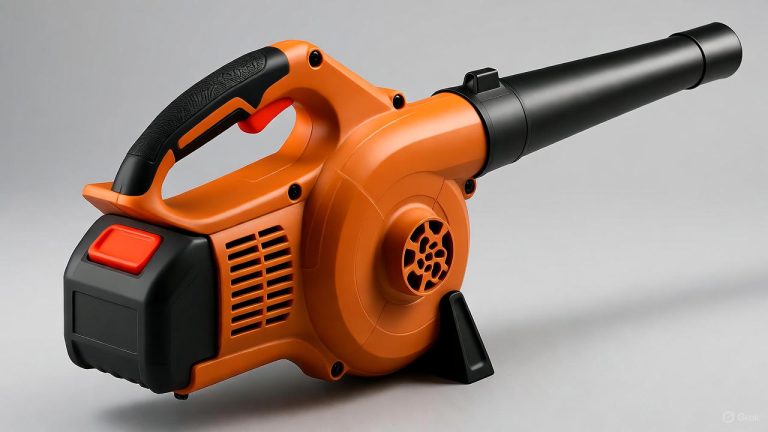

5 Best Gas Lawn Blower In 2026
Yard maintenance becomes significantly easier when you have the right equipment. Gas-powered leaf blowers deliver unmatched power and runtime compared to their electric counterparts. This comprehensive guide examines the top gas lawn blowers available on the market, helping you make an informed decision based on your specific needs.
In this article
Why Choose a Gas Lawn Blower?
Gas-powered blowers offer distinct advantages for homeowners and professionals alike. These machines deliver consistent power without worrying about battery life or extension cords. They excel at moving wet leaves, heavy debris, and stubborn yard waste. The raw power from gas engines makes quick work of large properties and demanding cleanup tasks.
Most gas blowers use two-cycle engines that mix oil with gasoline. This design keeps the units lightweight while generating impressive force. You can work continuously for hours, simply refilling the tank when needed. The mobility factor alone makes gas blowers ideal for properties without convenient electrical access.
Top 5 Gas Lawn Blowers Reviewed
1. Husqvarna 150BT Gas Backpack Leaf Blower
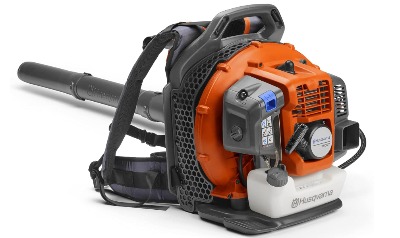
Technical Specifications:
- Engine: 51cc, 2-cycle, 2.16 HP X-Torq
- Air Volume: 765 CFM
- Air Speed: 270 MPH
- Blowing Force: 22 Newtons
- Weight: 23 pounds
- Fuel Tank: Large capacity for extended use
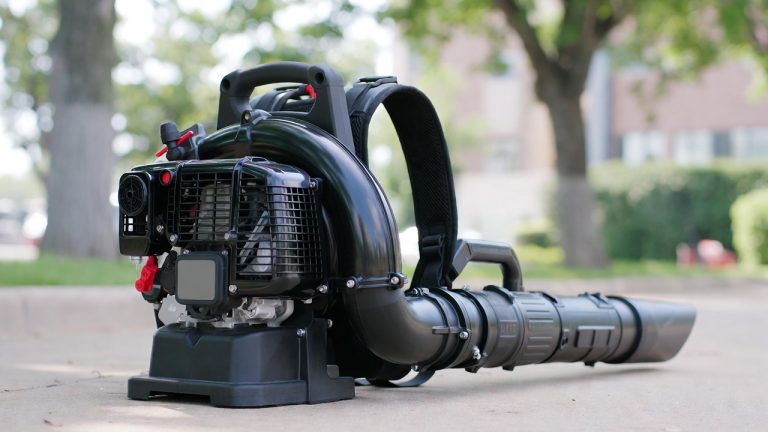
The Husqvarna 150BT stands out as a best-selling backpack blower that bridges the gap between residential affordability and commercial-grade performance. This powerhouse combines exceptional clearing ability with thoughtful ergonomic design elements.
Performance Analysis:
The 150BT delivers professional-level power through its X-Torq engine technology. This advanced engine reduces harmful emissions by up to 60% while boosting fuel efficiency by 20%. You get impressive environmental credentials without sacrificing performance. The 765 CFM air volume paired with 270 MPH wind speeds creates a formidable combination that handles everything from dry leaves to wet, matted debris.
Real-world testing shows this blower excels at various tasks. Grass clippings disappear effortlessly from driveways. Tree bark fragments and small branches move along concrete surfaces with surprising ease. Dry leaves get obliterated and pushed across tall grass without struggle. The blower tackles demanding jobs that would challenge lesser machines.
Ergonomic Features:
Comfort receives serious attention in the 150BT design. The padded harness system distributes weight evenly across your shoulders and back. A hip belt adds stability and further weight distribution. The weight-leveling load management system prevents the backpack from pulling awkwardly to one side during extended use.
The air purge system removes trapped air from the carburetor and fuel system before starting. This feature eliminates frustrating pull-start attempts. The variable speed throttle includes cruise control, letting you lock in a specific power level. Your trigger finger stays relaxed during large cleanup projects.
Pros:
- Exceptional power output for the price point
- Reduces user fatigue through excellent weight distribution
- X-Torq engine technology cuts emissions significantly
- Cruise control simplifies extended operation
- Starts reliably with minimal effort
- Handles wet and heavy debris effectively
- Five-year warranty available with fuel purchase
Cons:
- Heavier than handheld models at 23 pounds
- Requires proper two-stroke fuel mixing
- Some users report occasional carburetor issues after extended use
- Price point higher than basic handheld options
Best For: Homeowners with larger properties (half-acre or more), professionals needing reliable daily equipment, anyone dealing with heavy leaf coverage or wet debris regularly.
2. HTK Backpack Blower 63CC Gas Powered
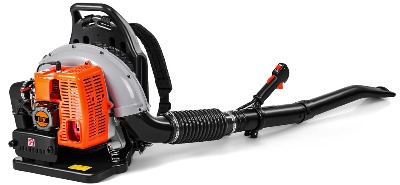
Technical Specifications:
- Engine: 63cc, 2-stroke
- Air Volume: 665 CFM
- Air Speed: 205 MPH
- Weight: 18.3 pounds (empty), approximately 24 pounds (fueled)
- Fuel Tank: 1.7 liters
- Design: Ergonomic with shock-resistant nylon frame
The HTK backpack blower brings commercial-grade specifications to a budget-friendly package. This 63cc powerhouse delivers impressive airflow while maintaining a surprisingly manageable weight profile.
Power and Performance:
The robust 63cc engine generates substantial clearing force. With 665 CFM airflow moving at 205 MPH, this blower tackles autumn leaves, winter snow, and stubborn debris year-round. The high-velocity output makes quick work of cleanup tasks across various property sizes.
Users consistently praise the blower’s ability to handle wet leaves and heavier debris. The powerful engine doesn’t bog down when confronted with challenging materials. Extended runtime from the 1.7-liter fuel tank means fewer interruptions for refueling during large jobs.
Comfort and Design:
HTK prioritizes user comfort through intelligent design choices. The adjustable shock-resistant nylon frame absorbs vibration that typically causes fatigue. Padded straps and a cushioned harness make long sessions more bearable. The ergonomic handle placement reduces strain on wrists and arms.
Low-vibration technology sets this blower apart from competitors in its price range. Users report being able to work longer without experiencing the numbness and discomfort common with high-powered equipment. The backpack design keeps weight centered on your core rather than straining your arms.
The advanced air purification system ensures clean air reaches the engine, facilitating smooth starts. Variable speed throttle with cruise control provides precision without constant thumb pressure. These features transform demanding yard work into a more manageable task.
Pros:
- Excellent power-to-price ratio
- Large 1.7-liter tank reduces refueling frequency
- Low vibration design minimizes user fatigue
- Handles diverse debris types effectively
- Comfortable for extended use sessions
- Cruise control feature simplifies operation
- Suitable for commercial lawn care applications
Cons:
- Assembly instructions sometimes lacking or unclear
- Requires online video consultation for first-time users
- Approximately one hour runtime before refueling needed
- Limited brand recognition compared to established names
Best For: Budget-conscious buyers seeking commercial power, small business landscapers, homeowners with one-acre or larger properties, users who need versatile year-round debris clearing capability.
3. CRAFTSMAN B2000 Gas Powered Handheld Leaf Blower
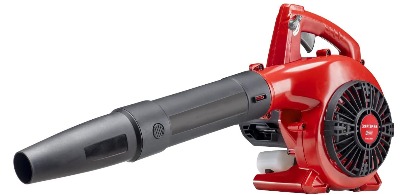
Technical Specifications:
- Engine: 25cc, 2-cycle
- Air Volume: 410 CFM
- Air Speed: 180 MPH
- Weight: Lightweight handheld design
- Fuel Tank: 13.5 fluid ounces (translucent)
- Warranty: 2-year limited
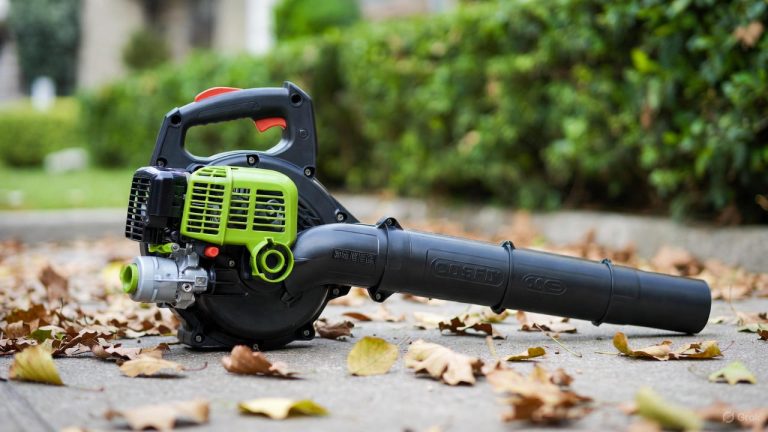
The CRAFTSMAN B2000 represents an excellent entry point into gas-powered leaf blowing. This handheld unit balances sufficient power for typical homeowner tasks with lightweight portability that prevents fatigue.
Performance Characteristics:
The 25cc two-cycle engine produces respectable clearing force for its compact size. At 410 CFM and 180 MPH, the B2000 handles standard leaf cleanup, grass clippings, and light debris efficiently. This blower suits small to medium properties where maneuverability matters as much as raw power.
The performance level works well for focused tasks like clearing patios, sidewalks, driveways, and small lawns. The blower moves dry leaves easily and handles damp materials adequately. It struggles with heavy, matted debris that requires higher airflow volumes.
User-Friendly Features:
Easy Start Technology simplifies the pull-start process, reducing the effort required to fire up the engine. This feature particularly benefits users who lack upper body strength or experience starting small engines. The translucent fuel tank provides visible fuel level monitoring, preventing unexpected shutdowns.
Variable speed throttle with cruise control offers operational flexibility. You can adjust power output to match the task at hand. The cruise control locks your selected speed, eliminating the need to constantly squeeze the throttle trigger. This feature reduces hand cramping during extended cleanup sessions.
The extended nozzle includes an integrated scraper for dislodging stubborn debris. This thoughtful addition helps remove stuck-on leaves and materials from surfaces. The lightweight design allows comfortable one-handed operation for most users.
Pros:
- Affordable price point for gas blower entry
- Easy Start Technology reduces starting effort
- Lightweight prevents arm fatigue
- Translucent tank shows fuel level clearly
- Cruise control enhances comfort
- Integrated scraper removes stubborn debris
- 2-cycle engine oil included with purchase
- Two-year warranty provides peace of mind
Cons:
- Lower power output than backpack models
- Smaller fuel tank requires more frequent refills
- Not ideal for large properties or heavy debris
- Limited to lighter-duty applications
- Engine may be underpowered for wet leaf piles
Best For: Small to medium residential properties (under quarter-acre), occasional users who need basic yard cleanup capability, seniors or users preferring lightweight equipment, budget-conscious homeowners seeking reliable performance.
4. Husqvarna 125B Gas Handheld Leaf Blower
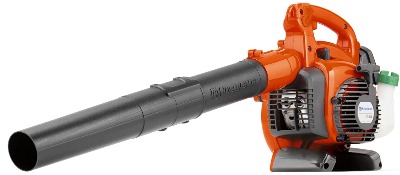
Technical Specifications:
- Engine: 28cc, 2-cycle, 1.1 HP X-Torq
- Air Volume: 470 CFM
- Air Speed: 170 MPH
- Blowing Force: 12.5 Newtons
- Weight: 9.4 pounds
- Fuel Tank: 16.91 fluid ounces
The Husqvarna 125B brings legendary Husqvarna reliability to a compact handheld format. This lightweight blower delivers surprising power while maintaining exceptional maneuverability and comfort.
Power and Efficiency:
The X-Torq engine technology provides the same emission and fuel efficiency benefits found in Husqvarna’s larger models. Emissions drop by 60% compared to conventional two-stroke engines. Fuel efficiency improves by 20%, saving money over the blower’s lifetime.
Despite its compact size, the 125B generates 470 CFM airflow at speeds reaching 170 MPH. This combination effectively moves leaf piles, grass clippings, and light debris. The blowing force of 12.5 Newtons provides enough push to clear stubborn materials from patios and walkways.
The 16.91-ounce fuel tank capacity supports extended work sessions. Users typically get around 90 minutes of continuous runtime before refueling becomes necessary. This capacity suits most residential cleanup tasks without interruption.
Ergonomic Excellence:
At just 9.4 pounds, the 125B ranks among the lightest gas blowers available. The ergonomically balanced design aligns the blower tube with the handle, minimizing rotational force on your wrist. This engineering reduces strain on arms, shoulders, and back during operation.
Soft-grip handles provide comfortable purchase points. The adjustable blowing tube customizes length to your preference and specific tasks. Variable speed throttle with cruise control allows precise power management. The air purge system ensures easy starting by removing trapped air from fuel lines.
The stop switch automatically resets to the “on” position after shutdown. This smart feature eliminates confusion when restarting the blower. Intuitive controls cluster together for easy access without awkward hand positioning.
Pros:
- Exceptionally lightweight at 9.4 pounds
- X-Torq engine reduces emissions and improves fuel economy
- Ergonomically balanced to reduce wrist strain
- Adequate power for typical homeowner tasks
- Easy starting with air purge system
- Auto-reset stop switch simplifies operation
- Adjustable tube length accommodates different tasks
- Decent fuel tank capacity for extended runtime
- Two-year warranty (five years with fuel purchase)
Cons:
- Lower power output than backpack models
- Not suitable for large properties or heavy debris
- Some users report idling issues requiring adjustment
- Higher price than comparable handheld models
- No vacuum or mulching capability in base model
Best For: Homeowners with small to medium properties, users who prioritize lightweight equipment, people with limited upper body strength, clearing flower beds and removing grass clippings, anyone seeking Husqvarna reliability without backpack weight.
5. 25.4CC Gas Leaf Blower Handheld
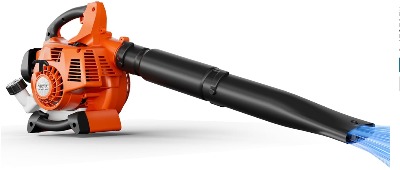
Technical Specifications:
- Engine: 25.4cc, 2-cycle
- Air Volume: 432 CFM
- Air Speed: 180 MPH
- Weight: 10 pounds
- Design: Ergonomic with low vibration
- Features: Cruise control, advanced air system
This entry-level gas blower provides professional-grade power in a lightweight, affordable package. The combination of adequate specifications and budget pricing makes it attractive for cost-conscious buyers.
Performance Overview:
The 25.4cc engine produces 432 CFM airflow moving at 180 MPH. These specifications place the blower in the capable category for residential applications. The unit handles autumn leaves, grass clippings, and general yard debris effectively. Power output suits properties up to quarter-acre size comfortably.
The blower clears dry leaves with ease and manages damp materials reasonably well. Heavy, matted debris or large piles may challenge the motor. Users report consistent performance across various cleanup scenarios, with the engine maintaining steady output throughout fuel tank capacity.
Build Quality and Design:
High-quality materials construction ensures durability despite the attractive price point. The manufacturer reports conducting 3,000 reliability tests during development. This extensive testing translates to dependable performance in real-world conditions.
The ergonomic design facilitates comfortable one-handed operation. Low-vibration technology reduces the fatigue typically associated with handheld gas blowers. The compact build maintains balance point near your hand, preventing awkward weight distribution.
Advanced air system design promotes smoother startups. The engine fires reliably with fewer pull-start attempts. Variable speed control allows power adjustment matching task requirements. Cruise control locks selected speed, eliminating continuous trigger pressure.
Pros:
- Very affordable price point
- Lightweight 10-pound design
- Adequate power for typical residential tasks
- Low vibration reduces user fatigue
- Cruise control feature included
- Tested extensively for reliability
- Compact and easy to store
- Professional-grade power in budget package
Cons:
- Limited brand recognition
- Shorter warranty period than major brands
- Lower power output than premium models
- May struggle with heavy, wet debris
- Smaller fuel tank requires frequent refilling
- Less durable construction than premium options
Best For: First-time gas blower buyers, budget-conscious homeowners, small property owners, users seeking basic cleanup capability, anyone wanting to try gas power without major investment.
Buying Guide: How to Choose Your Gas Lawn Blower
Consider Your Property Size
Small properties under quarter-acre work well with handheld models like the CRAFTSMAN B2000 or Husqvarna 125B. These lightweight units provide sufficient power without overwhelming smaller spaces. You can complete typical cleanup tasks quickly without the bulk of backpack equipment.
Medium properties from quarter-acre to one acre benefit from more powerful handheld models or entry-level backpack blowers. The increased power handles larger debris volumes efficiently. Consider models offering 450+ CFM airflow for these applications.
Large properties exceeding one acre demand backpack blowers like the Husqvarna 150BT or HTK 63CC. These powerhouses deliver the sustained performance needed to tackle extensive cleanup jobs. The ergonomic backpack design prevents fatigue during long work sessions.
Evaluate Your Debris Type
Light debris such as dry leaves and grass clippings requires basic power levels. Any model in this roundup handles these materials effectively. Focus on weight and comfort features if dealing primarily with light yard waste.
Medium debris including damp leaves, small twigs, and pine needles needs moderate power. Look for blowers offering 400-500 CFM with speeds around 170-180 MPH. The Husqvarna 125B or CRAFTSMAN B2000 work well here.
Heavy debris like wet leaf piles, tree bark, and larger branch fragments demands maximum power. Backpack models with 600+ CFM and 200+ MPH wind speeds excel at these challenging tasks. The Husqvarna 150BT handles virtually any residential debris situation.
Weight and Comfort Considerations
Handheld blowers weigh between 9-11 pounds typically. This range suits most users for sessions under 30 minutes. Look for ergonomic designs that balance weight near the handle. Padded grips and adjustable nozzles enhance comfort.
Backpack blowers weigh more (18-23 pounds) but distribute weight across your entire back and hips. This design enables extended work sessions without arm fatigue. Quality harness systems with padded straps make the extra weight manageable. Consider backpack models if you face regular cleanup sessions exceeding one hour.
Power Requirements Analysis
Basic power (400-450 CFM, 170-180 MPH) handles standard residential cleanup effectively. These specifications work for weekly maintenance on small to medium properties. Most homeowners find this power level adequate.
Moderate power (450-550 CFM, 180-200 MPH) provides extra capability for challenging debris. This range suits larger properties or areas with heavy leaf coverage. The additional force moves damp materials more efficiently.
Maximum power (600+ CFM, 200+ MPH) delivers professional-grade performance. These specifications handle commercial applications and demanding residential situations. Choose this power level for large properties, heavy debris, or professional landscaping work.
Fuel Tank Capacity
Small tanks (13-17 fluid ounces) require refueling every 45-60 minutes of continuous operation. This capacity works fine for small properties where jobs rarely exceed one hour. The translucent tanks found on some models help monitor fuel levels.
Medium tanks (20-24 fluid ounces) extend runtime to 90+ minutes. This capacity reduces refueling interruptions during larger jobs. Most handheld blowers fall into this category.
Large tanks (1.5+ liters) support several hours of operation. Professional-grade backpack models typically feature these capacious tanks. The extra capacity proves valuable during marathon cleanup sessions or commercial applications.
Engine Technology
Standard two-cycle engines require mixing gasoline with oil before fueling. Most blowers use 50:1 ratios, though some specify 40:1. Always verify the correct mixture for your specific model. Use high-quality two-stroke oil and fresh gasoline for best results.
X-Torq engine technology (found in Husqvarna models) reduces emissions by 60% while improving fuel efficiency by 20%. These engines meet strict environmental standards without sacrificing performance. The technology costs more initially but saves money through reduced fuel consumption.
Starting System Features
Basic pull-start systems require moderate effort and technique. Users with less upper body strength may struggle with traditional systems. Multiple pulls often become necessary, especially when cold-starting.
Easy Start Technology (found in CRAFTSMAN models) reduces pull effort by up to 40%. Spring-assisted mechanisms make starting less physically demanding. This feature particularly benefits seniors and users with limited strength.
Air purge systems (in Husqvarna and HTK models) remove trapped air from fuel lines before starting. This technology dramatically improves first-pull success rates. The blower starts more reliably with fewer frustrating attempts.
Control and Convenience Features
Variable speed throttle allows power adjustment matching task requirements. You can use lower speeds for delicate areas and maximum power for heavy debris. This flexibility improves efficiency and prevents unnecessary fuel consumption.
Cruise control locks selected speed without constant trigger pressure. Your hand relaxes during extended operation. This feature significantly reduces fatigue during large cleanup projects.
Adjustable nozzles customize air stream characteristics for different tasks. Longer configurations suit wide-area clearing. Shorter setups provide more concentrated force for stubborn debris. Some models include specialized nozzles for various applications.
Warranty and Support
Basic warranties typically cover two years of residential use. This period protects against manufacturing defects and premature failure. Read warranty terms carefully to understand coverage limits and exclusions.
Extended warranties (up to five years) often become available through fuel purchase programs. Husqvarna offers this option, extending coverage to five years when you buy qualifying pre-mixed fuel. This arrangement encourages proper fuel usage while providing long-term protection.
Customer support quality varies significantly between brands. Established companies like Husqvarna and CRAFTSMAN maintain extensive support networks. Newer or lesser-known brands may offer limited assistance. Research customer service reputation before purchasing.
Maintenance Requirements
All gas blowers require regular maintenance for optimal performance. Clean or replace air filters every few weeks during heavy use. Check spark plugs annually and replace as needed. Empty fuel tanks before long-term storage to prevent carburetor clogging.
Use fuel stabilizer if storing the blower for more than 30 days. This additive prevents fuel degradation and starting problems. Run the engine dry before storage or drain the tank completely.
Two-cycle engines need proper oil-to-gas ratios maintained consistently. Using straight gasoline destroys the engine rapidly. Keep pre-mixed fuel on hand or carefully measure oil when mixing. Consider buying pre-mixed fuel for ultimate convenience and engine protection.
Price Considerations
Budget options ($100-$200) provide basic functionality for occasional users. These blowers handle light residential tasks adequately. Expect shorter lifespans and fewer features in this price range.
Mid-range options ($200-$350) offer better build quality and increased power. Most homeowners find excellent value in this segment. Brands like Husqvarna and CRAFTSMAN dominate this category with proven reliability.
Premium options ($350+) deliver professional-grade performance and durability. These blowers suit demanding applications and heavy daily use. Commercial landscapers and property owners with large acreage justify the investment.
Operating Tips for Maximum Performance
Proper Starting Procedure
Always check fuel level before attempting to start. Ensure the correct oil-to-gas mixture fills the tank. Set the choke to the closed position for cold starts. Prime the carburetor if your model includes a primer bulb.
Pull the starter rope smoothly and steadily. Avoid yanking or jerking motions that strain the mechanism. Once the engine fires, open the choke gradually. Let the engine warm up for 30 seconds before applying full throttle.
Efficient Clearing Techniques
Work systematically across your property rather than randomly attacking debris piles. Start from one corner and progress methodically. Blow leaves and debris into manageable piles before final collection.
Use lower speeds for delicate areas like flower beds. Switch to maximum power for heavy debris and large open areas. Adjust nozzle angle to direct material where you want it. A 45-degree downward angle works best for most applications.
Move the blower in steady, sweeping motions. Avoid rapid back-and-forth movements that scatter debris inefficiently. Let the airflow do the work rather than forcing material.
Safety Practices
Always wear safety glasses or goggles during operation. Flying debris can cause serious eye injuries. Hearing protection becomes necessary during extended use. Gas blowers produce noise levels that damage hearing over time.
Closed-toe shoes with good traction prevent slips and protect feet from dropped equipment. Long pants shield legs from flying debris. Avoid loose clothing that might get caught in moving parts.
Never point the blower at people or pets. The powerful air stream can cause injuries or distress. Be mindful of neighbors when operating early morning or late evening. Respect local noise ordinances and community quiet hours.
Check the work area for rocks, sticks, or other hard objects before starting. These items become dangerous projectiles when struck by high-speed air. Remove potential hazards to protect yourself and property.
Fuel Management
Use fresh gasoline within 30 days of purchase. Old fuel causes starting problems and poor performance. Store fuel in approved containers away from heat sources. Keep fuel containers tightly sealed to prevent evaporation and contamination.
Mix two-cycle oil carefully according to manufacturer specifications. Too much oil causes smoking and carbon buildup. Too little oil leads to engine damage. Many users prefer buying pre-mixed fuel to eliminate mixing concerns.
Add fuel stabilizer to gasoline stored longer than one month. This chemical prevents fuel degradation and maintains engine performance. Run stabilized fuel through the engine before long-term storage.
Post-Operation Care
Allow the engine to cool completely before storing the blower. Hot engines pose fire risks and can melt storage materials. Clean exterior surfaces with a dry cloth, removing grass clippings and debris.
Inspect the unit for loose screws, damaged parts, or fuel leaks. Address issues immediately to prevent bigger problems. Check air filter condition and clean or replace as needed.
Store the blower in a dry location protected from weather. Hang backpack models by their harnesses to maintain shape. Keep handheld units on shelves or hooks rather than on the ground.
Environmental Considerations
Gas-powered equipment produces emissions that contribute to air pollution. Modern engines with X-Torq technology significantly reduce harmful outputs. Consider electric or battery-powered alternatives if environmental impact concerns you greatly.
Proper maintenance keeps emissions at minimum levels. Dirty air filters and old spark plugs increase pollutants. Regular tune-ups maintain engine efficiency and reduce environmental impact.
Many municipalities restrict gas blower usage during certain hours or seasons. Check local regulations before purchasing. Some areas ban gas blowers entirely in favor of electric alternatives.
Noise pollution affects neighbors and wildlife. Use gas blowers during reasonable hours and complete work efficiently. The powerful performance of gas models often allows quicker completion times than electric options, potentially reducing total noise exposure.
Troubleshooting Common Issues
Engine Won’t Start
Check fuel level and mixture ratio first. Verify the choke position matches starting conditions. Prime the carburetor if equipped with a primer bulb. Ensure the stop switch sits in the “on” position.
Inspect the spark plug for fouling or damage. Clean or replace the plug if needed. Check fuel lines for cracks or blockages. Old fuel in the tank may prevent starting. Drain and refill with fresh mixture.
Engine Starts But Dies
This symptom often indicates carburetor problems. Clean the carburetor or have it professionally serviced. Check the air filter for excessive dirt. A clogged filter starves the engine of oxygen.
Adjust idle speed following manufacturer instructions. Too low idle speed causes stalling. Inspect fuel lines and tank for contamination or debris.
Reduced Power Output
Clean or replace the air filter immediately. Restricted airflow significantly reduces power. Check the spark plug condition and gap. Replace if worn or fouled.
Inspect the exhaust port for carbon buildup. Remove accumulated carbon carefully. Verify fuel mixture ratios remain correct. Too much oil reduces power and causes smoking.
Excessive Vibration
Tighten all screws and bolts carefully. Loose components cause vibration and potential damage. Check the blower tube for cracks or damage. Damaged tubes vibrate excessively during operation.
Inspect engine mounts for wear or damage. Worn mounts allow excessive movement. Balance problems may require professional service if tightening components doesn’t resolve the issue.
Final Recommendations by Use Case
Best Overall: Husqvarna 150BT
The Husqvarna 150BT earns the best overall designation through its exceptional combination of power, comfort, and reliability. The 765 CFM airflow at 270 MPH handles virtually any residential debris situation. X-Torq engine technology provides environmental benefits without performance compromises.
The ergonomic backpack design with weight-leveling system enables extended work sessions without fatigue. Quality construction ensures years of reliable service. The five-year warranty option demonstrates manufacturer confidence. Property owners with half-acre or larger lots find this blower ideal.
Best Budget Option: 25.4CC Gas Leaf Blower Handheld
This entry-level blower delivers surprising value for its price point. The 432 CFM and 180 MPH specifications handle typical residential tasks effectively. The 10-pound weight prevents fatigue during shorter sessions.
First-time gas blower buyers appreciate the affordable entry price. Small property owners get adequate power without overspending. The low-vibration design and cruise control features compete with more expensive options.
Best Lightweight Handheld: Husqvarna 125B
At just 9.4 pounds, the 125B provides the best balance of low weight and adequate power. The 470 CFM airflow moving at 170 MPH clears typical debris efficiently. X-Torq engine technology reduces emissions while improving fuel economy.
Seniors and users with limited upper body strength particularly benefit from this lightweight design. The ergonomically balanced tube minimizes wrist strain. Homeowners with small to medium properties appreciate the maneuverability and comfort.
Best Value Backpack: HTK 63CC
The HTK backpack blower delivers commercial-grade power at a fraction of premium brand costs. The robust 63cc engine produces 665 CFM at 205 MPH. The 1.7-liter fuel tank supports extended runtime.
Budget-conscious buyers seeking maximum power find excellent value here. Small business landscapers appreciate the professional specifications at accessible pricing. The comfortable harness system and low-vibration design enable productive work sessions.
Best for Ease of Use: CRAFTSMAN B2000
Easy Start Technology makes the B2000 the most user-friendly option. The 25cc engine provides adequate power for basic tasks without overwhelming new users. Translucent fuel tank allows easy fuel monitoring.
Occasional users who prioritize simplicity over maximum power appreciate this blower. The included two-stroke oil gets you started immediately. The two-year warranty and CRAFTSMAN support network provide peace of mind.
Conclusion
Selecting the right gas lawn blower depends on carefully evaluating your specific needs. Property size, debris type, physical capabilities, and budget all influence the optimal choice. Handheld models suit small properties and occasional use. Backpack blowers provide the power and runtime needed for larger properties and demanding tasks.
The Husqvarna 150BT stands as the premium choice for those seeking maximum performance and long-term reliability. Its combination of power, comfort, and efficiency justifies the higher investment. Property owners with significant cleanup demands find this blower indispensable.
Budget-conscious buyers discover excellent value in the 25.4CC handheld blower and HTK 63CC backpack models. These options deliver capable performance at accessible price points. They prove that effective yard maintenance doesn’t require premium brand names.
The CRAFTSMAN B2000 serves first-time users and those prioritizing ease of operation. Its straightforward design and reliable performance handle basic residential tasks effectively. The accessible price makes gas blower technology available to more homeowners.
The Husqvarna 125B occupies a sweet spot between weight and power. Its lightweight design doesn’t sacrifice the performance needed for typical residential applications. Users who value maneuverability and comfort while still demanding adequate power find this blower ideal.
Proper maintenance extends the life of any gas blower regardless of brand or model. Follow manufacturer recommendations for fuel mixture, filter cleaning, and seasonal storage. Quality two-stroke oil and fresh gasoline prevent most common problems.
Consider your long-term needs when making a purchase decision. A more powerful or comfortable blower might cost more initially but provides better value through years of reliable service. The frustration of an underpowered tool often exceeds the savings from buying the cheapest option.
Gas lawn blowers transform yard maintenance from tedious chores into quick, manageable tasks. The right equipment makes outdoor work efficient and even enjoyable. Take time to assess your requirements carefully. Match specifications to your actual needs rather than simply buying the most powerful or least expensive option.
The models reviewed here represent the current market leaders in their respective categories. Each offers proven performance backed by real-world testing and user feedback. Your perfect gas lawn blower exists among these options. Evaluate the detailed information provided, consider your specific situation, and make a confident choice that serves you well for years to come.

Hi, I’m Mary, the founder of GardenCure.com. I’m passionate about creating healthy, beautiful gardens and well-kept lawns. I share practical experience and trusted advice on garden and lawn gear that truly works. With the support of my dedicated research team, our writers produce honest, in-depth reviews using reliable, authentic sources—helping you choose the right tools with confidence for your outdoor space.