How to Grow Sunflowers from Seeds?
Growing sunflowers from seeds is one of the easiest and most rewarding gardening projects you can tackle. These tall, cheerful flowers bring joy to any garden, and the best part is that anyone can do it—even if you’ve never planted anything before. Let me walk you through everything you need to know to turn tiny sunflower seeds into stunning blooms.
In this article
Why Sunflowers Are Perfect for New Gardeners
Sunflowers are forgiving plants. They don’t demand fancy equipment or years of gardening experience. They grow quickly, which means you’ll see results fast. Kids love growing sunflowers because the progress is so visible and exciting. Within just a few weeks, you’ll have green shoots poking out of the soil.
These bright flowers also have practical benefits. Some varieties produce seeds you can eat. Sunflowers attract bees and butterflies to your garden, which helps other plants grow better. They can reach different heights depending on the variety—from short bushy plants to towering giants. This makes them perfect for any garden space.
Getting Your Sunflower Seeds Ready
The first step to growing sunflowers from seeds is getting quality seeds. You can buy them from garden centers, online retailers, or seed catalogs. Look for packets that tell you the plant height and bloom color. This helps you pick varieties that fit your space.
Before planting, check if your seeds are fresh. Old seeds may not sprout well. Fresh seeds should be hard and not moldy. If you’re storing seeds for later, keep them in a cool, dry place. A sealed container in the refrigerator works great.
Some people like to soak their sunflower seeds in water for a few hours before planting. This can speed up sprouting. Just place seeds in a bowl of room-temperature water and let them sit. After a few hours, drain the water and plant them. This step is optional but can help in cooler climates.
Understanding Your Soil and Location
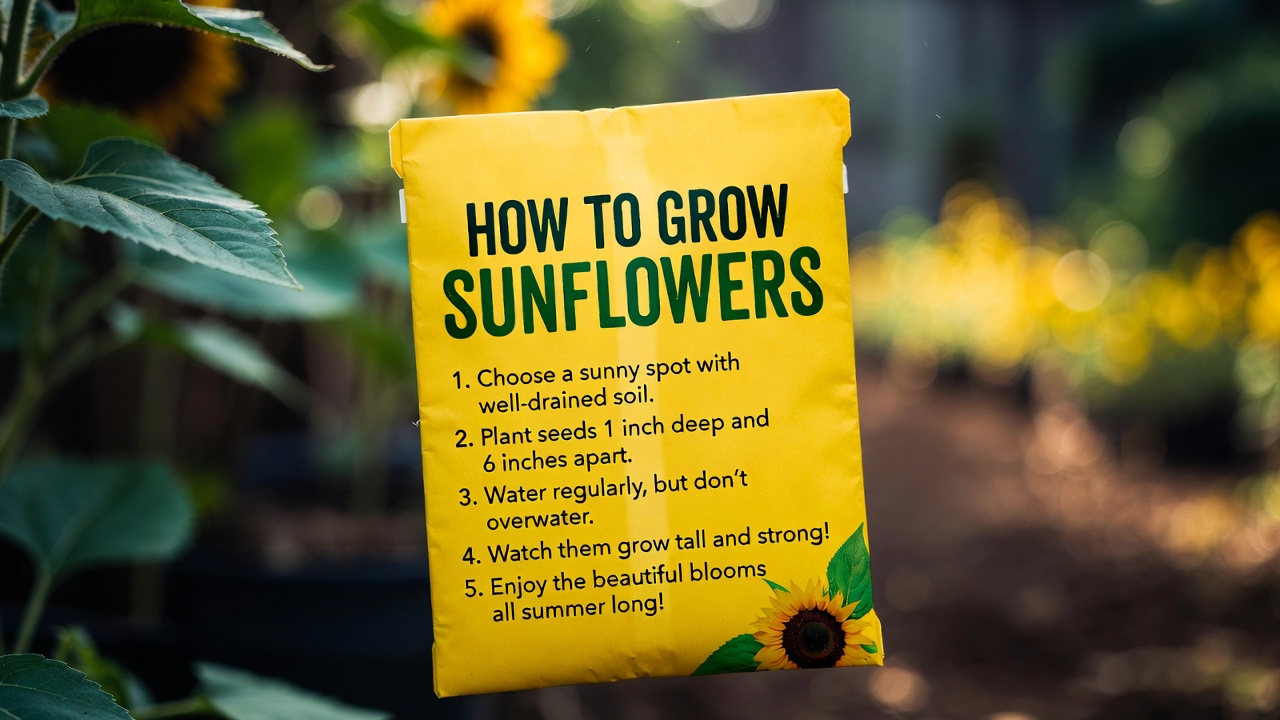
Sunflowers grow best in soil that drains well. They don’t like wet feet. If your soil stays soggy, add compost or peat moss to improve drainage. You want soil that feels crumbly and dark, not hard and compacted.
Soil pH matters too. Sunflowers prefer slightly acidic to neutral soil. This means a pH between 6.0 and 7.5 is ideal. You can test your soil with an inexpensive kit from any garden store. Most garden soils fall in this range anyway, so don’t stress too much about it.
Location is everything for sunflowers. These plants are called sunflowers for a reason—they need lots of sunlight. Aim for at least six to eight hours of direct sun each day. More sun is even better. A spot that gets morning sun is ideal because it helps dry any dew on the leaves.
Wind matters too. Tall sunflower varieties might need protection from strong winds. Plant them where they’re somewhat sheltered, or plan to stake them later. Dwarf varieties are more wind-resistant.
Preparing Your Garden Space
Start by clearing your planting area of weeds and debris. Break up hard soil with a garden fork or spade. Mix in some compost or aged manure if your soil is poor. Sunflowers aren’t too picky about soil quality, but they’ll grow better with some organic matter mixed in.
Create rows or planting spots about an inch deep. Sunflower seeds need space to stretch their roots. If you’re planting in a garden bed, space the seeds out properly. Tall varieties need to be about a foot or two apart. Dwarf varieties can be closer, around six to eight inches apart.
Direct seeding is the easiest method. Just poke the seeds into the prepared soil and cover them lightly. Press the soil gently so it makes contact with the seeds. Water the area gently but thoroughly.
The Right Time to Plant
Timing matters when you’re growing sunflowers from seeds. These plants don’t like frost. Wait until the danger of frost has passed and the soil has warmed up. Sunflower seeds germinate best when soil temperature is between 50 and 85 degrees Fahrenheit. Warmer soil means faster germination.
In most climates, this means planting sometime in spring. Your local garden center can tell you the average last frost date in your area. Plant after that date. If you plant too early, your seeds might rot in cold, wet soil.
You can also do successive plantings. Plant a batch of seeds every two weeks during the growing season. This creates waves of sunflowers blooming at different times. It’s a clever trick to have flowers throughout the summer.
Watering Your Seedlings
Water is critical when you’re growing sunflowers from seeds. The soil must stay moist until the seeds sprout. This usually takes seven to ten days, but can take up to three weeks in cooler conditions.
Check the soil daily. Stick your finger about an inch into the soil. If it feels dry, water it. Use a gentle spray so you don’t wash away the seeds. A spray bottle works well for this.
Once seedlings pop up, you can relax a little. Sunflowers are fairly drought-tolerant once established. However, young plants still need consistent moisture. Water deeply but less frequently. This encourages deep root growth.
As plants grow taller, they need even more water. A mature sunflower in hot weather might need water every couple of days. During rain, you can skip watering. Stick to the one-inch rule—plants need about one inch of water per week from rain or irrigation.
Thinning Out Your Plants
If you planted several seeds close together, you’ll need to thin them out. Wait until seedlings have two or three true leaves. True leaves are the second set of leaves that appear—they look more like actual plant leaves.
Gently pull out the weakest-looking seedlings, leaving the strongest ones. For tall varieties, keep plants about a foot to two feet apart. Dwarf types can be six to eight inches apart. This gives each plant room to grow without competing for water and nutrients.
This sounds harsh, but it’s necessary. Crowded plants grow weak and struggle. They also attract more pests and diseases. Thinning out creates stronger, healthier plants that flower better.
Feeding Your Growing Plants
Sunflowers aren’t heavy feeders, but they benefit from some nutrients. If you mixed compost into your soil at planting, you’ve already given them a boost. That might be all they need.
If your soil is poor or you want faster growth, use a balanced fertilizer. Something like 5-10-10 works well. A slow-release fertilizer is ideal because it feeds plants gradually over time. Follow the package directions carefully.
Avoid overfertilizing with nitrogen. Too much nitrogen makes plants grow leaves instead of flowers. You’ll end up with a tall green plant that doesn’t bloom well. A little fertilizer goes a long way.
Organic options include compost tea, fish emulsion, or seaweed extract. These give plants nutrients without the harsh chemicals. Many gardeners swear by them for healthier, stronger plants.
Dealing with Common Problems
Pests sometimes bother sunflower plants. Birds love sunflower seeds, so they might peck at seedlings. Use bird netting or row covers to protect young plants. Once plants are taller, they’re usually safe.
Slugs and snails can damage seedlings. These slimy pests come out at night and chew leaves. Handpick them in the evening, or use organic slug baits. Beer traps also work—bury a shallow container filled with beer where slugs congregate.
Powdery mildew is a fungal disease that leaves a white powder on leaves. It’s more common in humid conditions. Space plants further apart for better air flow. Remove affected leaves if the problem spreads.
Root rot happens when soil stays too wet. Good drainage prevents this problem. If you notice wilting despite wet soil, root rot might be the culprit. There’s no cure, so prevention is key.
Deer and rabbits sometimes eat young sunflowers. A simple fence around your garden keeps them out. Tall varieties are less appealing to deer than dwarf ones.
Supporting Tall Sunflowers
As your sunflowers grow taller, they might need support. Tall varieties can reach six feet or higher. Strong winds can snap stems. Staking prevents this damage.
Use bamboo stakes or sturdy branches. Insert them into the soil near the plant base. Loosely tie the stem to the stake using soft twine or cloth strips. The tie should be snug but not tight—allow some movement.
Some gardeners plant tall sunflowers in groups for natural support. The plants lean against each other and stay upright. This works well in sheltered spots.
Watching for Flowering
Sunflowers usually start blooming about 70 to 100 days after planting, depending on the variety. Before flowers open, you’ll notice the large flower bud forming at the top of the stem. It’s exciting to watch!
The flower bud will swell and gradually begin to open. The process takes days or even a week. Once the petals fully open, you have a gorgeous sunflower in your garden.
Some varieties have multiple smaller flowers on the same plant. Others have one large central bloom. Both are beautiful. The flowers face east and track the sun across the sky during the day. It’s fun to notice this natural behavior.
Flowers stay open for about two weeks. During this time, bees visit constantly. You might see hummingbirds too. It’s wonderful to watch the garden activity around your blooming sunflowers.
Caring for Blooming Plants
Once sunflowers are blooming, they still need water. Consistent moisture keeps flowers fresh longer. However, reduce watering slightly to avoid root rot.
Don’t fertilize blooming plants. This encourages leaf growth instead of strong blooms. The plant has already set its flowers.
Enjoy the blooms by cutting some for arrangements. Cut stems in the morning when they’re fresh and turgid. They last longer in a vase than many flowers—sometimes two weeks or more.
Saving Seeds for Next Time
One of the best parts of growing sunflowers is saving seeds. Let some flowers stay on the plant and dry completely. The back of the flower head will turn brown, and seeds will be plump and mature.
Cut the entire flower head off the plant. Hang it upside down in a dry place. A garage or shed works well. As it dries, the seeds will loosen from the flower head.
Once completely dry, gently rub the seeds off the head. Some seeds have empty shells, but that’s normal. Save the full, plump ones. Spread them on a tray to finish drying. Store them in an envelope in a cool, dry place.
You can eat sunflower seeds too! Roast them in the oven at 275 degrees for about 30 minutes. Add a little salt if you like. They’re delicious and nutritious.
Sunflower Varieties Worth Growing
There are hundreds of sunflower varieties. Choosing the right ones makes gardening more fun.
Mammoth Russian sunflowers are classic tall types that can reach 12 feet. They’re dramatic and impressive. Giant Russian is similar but slightly smaller.
Teddy Bear sunflowers are dwarf varieties with fluffy, pompom-like flowers. They stay short and bushy, perfect for containers and small spaces. They’re adorable and great for kids.
Moulin Rouge produces deep burgundy flowers on medium-height plants. They’re stunning in arrangements and add color variety to gardens.
Autumn Beauty grows to about five feet and produces flowers in shades of yellow, red, and burgundy. Each flower is unique. It’s a real show-stopper.
Littleback Dwarf varieties grow only one to three feet tall. They’re perfect for balconies and containers. They pack all the sunflower charm into a compact package.
Growing Sunflowers in Containers
Don’t have a garden? Grow sunflowers in pots! Dwarf varieties work best in containers. Tall varieties can work too, but they’ll need larger containers and staking.
Use a large pot with drainage holes. At least a 12-inch pot works for dwarf varieties. Tall types need 16 to 20 inches. Fill with quality potting mix, not garden soil.
Plant seeds the same way as in the ground. Keep soil consistently moist. Container plants dry out faster than ground plants, so check daily. Feed every two weeks with a diluted liquid fertilizer.
Place containers in full sun. A sunny balcony or patio works perfectly. Bring containers inside if temperatures drop near freezing.
Starting Seeds Indoors
Some gardeners start sunflower seeds indoors before the last frost. This works well in cool climates or if you want to extend the growing season.
Start seeds about four to six weeks before the last frost date. Use seed starting mix in small pots. Plant seeds about half an inch deep. Keep soil moist and warm. A heating mat helps but isn’t necessary.
Once seedlings have true leaves, thin to the strongest one per pot. Provide bright light, or they’ll get leggy and weak. A grow light works well.
Harden off seedlings before moving them outside. Do this by gradually exposing them to outdoor conditions. Start with just an hour in shade. Increase time and light over a week or two. Then transplant to the garden.
Companion Planting with Sunflowers
Sunflowers grow well with many other plants. Beans and cucumbers do great nearby. These plants help each other and create a more diverse garden.
Avoid planting sunflowers near potatoes or beans that are already established. Sunflower roots release chemicals that can interfere with these plants.
Marigolds and zinnias look beautiful planted near sunflowers. They attract the same beneficial insects and create a vibrant garden display.
Harvesting and Using Your Sunflowers
Cut sunflowers in the morning when stems are full of water. Use a sharp knife or pruners. Cut at least six inches below the flower. Remove leaves that would sit in the vase water—they promote bacterial growth.
In a vase, sunflowers last 12 to 14 days on average. Change water every few days. Use flower food if you have it. Keep the vase out of direct sunlight and away from fruit, which releases ethylene gas that speeds aging.
Dry sunflowers are beautiful too. Hang them upside down in a cool, dark place. Once completely dry, use them in arrangements or crafts.
Enjoying Success and Planning Next Time
Growing sunflowers from seeds teaches valuable gardening lessons. You learn about soil, water, sunlight, and plant growth. You experience the satisfaction of nurturing something from a tiny seed to a beautiful flower.
Don’t be discouraged if your first try isn’t perfect. Gardening is a learning process. Each season brings new insights. Note what worked well and what you’d do differently next time.
Share your sunflowers with friends and family. These happy flowers bring smiles to everyone’s faces. Give bouquets to neighbors. Offer seeds to other gardeners. Growing sunflowers creates connections and spreads joy.
Troubleshooting Your Sunflower Growing Experience
If seedlings fail to sprout, the soil might have been too cold or too wet. Sunflower seed germination requires patience. Try again later when conditions are warmer and drier.
If plants grow tall but don’t bloom, they might not have enough sunlight. Some varieties also take longer to flower. Be patient—they might still bloom later.
If flowers are small or pale, fertilizer might help next time. Or ensure plants get plenty of sunshine and water. Some varieties naturally have smaller blooms, which is perfectly fine.
If leaves turn yellow, check for pests or overwatering. Nitrogen deficiency can cause yellowing too. Pick off affected leaves and improve care conditions.
Advanced Tips for Better Blooms
Deadheading spent flowers encourages some sunflower varieties to produce more blooms. Remove flowers as they fade. This signals the plant to make more.
Pinching out the main growing tip when plants are young encourages bushier growth with multiple flowers. This works best on dwarf varieties.
Mulching around plants keeps soil moist and cool. A two-inch layer of compost or straw is ideal. Keep mulch a few inches away from the stem to prevent rot.
Sunflowers and Garden Design
Tall sunflowers create a beautiful backdrop in gardens. Plant them on the north side of beds so they don’t shade other plants. Or use them as screens to hide unsightly areas.
Dwarf varieties work well in mixed flower borders. They add height without overwhelming the space. Plant them in groups of three or five for impact.
Sunflowers in containers brighten patios and entryways. Even a single pot makes a statement. Group several pots together for extra visual interest.
The Joy of Growing Sunflowers
There’s something special about growing sunflowers from seeds. You start with a tiny, hard seed. You prepare the soil. You plant and water. You watch and wait. Then one day, a green shoot emerges. Leaves unfurl. The stem grows tall. A bud forms. And finally, a glorious flower opens to the sun.
This process connects you to nature. It reminds you that patience and care create beauty. Kids especially find it magical. Watching a sunflower grow from seed to bloom teaches life lessons that stick with them.
Sunflowers are resilient plants. They forgive mistakes. They bounce back from neglect better than many flowers. This makes them perfect for beginners and busy gardeners.
The flowers themselves are stunning. Their size and color command attention. Sunflowers brighten any garden or room. Cut arrangements last for weeks. Dried arrangements last for months or years.
Plus, you get the bonus of sunflower seeds. Eat them fresh, roasted, or save them for planting next time. You’ll never buy sunflower seeds again.
Final Thoughts on Growing Sunflowers
Growing sunflowers from seeds is straightforward and rewarding. Start with fresh seeds. Prepare your soil. Plant in a sunny spot. Water consistently. Watch for blooms. Enjoy the flowers. Save seeds. Repeat.
Don’t overcomplicate the process. Sunflowers thrive on basic care and sunlight. They don’t demand special tools or expertise. Anyone can do this.
Your garden will be better for having sunflowers. Your home will brighten when you cut bouquets. Your heart will lift when you see bees visiting the flowers. Your garden will grow more vibrant and alive.
So get some seeds. Find a sunny spot. Dig into the soil. Plant those seeds. Water them. Wait. And soon you’ll have gorgeous sunflowers growing in your garden. The experience will inspire you to plant more. Next thing you know, you’re a sunflower gardener.
Welcome to the wonderful world of sunflower growing. It’s easier than you think, and the rewards are beautiful.
Hi, I’m Mary, the founder of GardenCure.com. I’m passionate about creating healthy, beautiful gardens and well-kept lawns. I share practical experience and trusted advice on garden and lawn gear that truly works. With the support of my dedicated research team, our writers produce honest, in-depth reviews using reliable, authentic sources—helping you choose the right tools with confidence for your outdoor space.