
5 Best Succulent Soil Mix In 2026
If you’ve ever watched a succulent turn to mush a few weeks after you brought it home, there’s a good chance the soil is to blame. Succulents and cacti don’t die from too little water nearly as often as they die from soil that stays wet for too long. Regular potting soil holds moisture like a sponge, and that’s exactly what these desert-loving plants hate.
In this article
A good succulent soil mix works differently. It drains fast, lets air reach the roots, and dries out within a few days instead of a few weeks. That one difference can be the line between a thriving little jade plant and a soggy, rotting stem.
In this roundup, I’m breaking down five of the most popular succulent and cactus soil mixes on the market right now. I’ll walk through what each one is made of, who it’s best for, how it performs in real pots, and where it falls short. By the end, you’ll know exactly which bag to toss in your cart based on your plants, your budget, and how much extra work you’re willing to put in.
Let’s dig in.
Why Regular Potting Soil Doesn’t Work for Succulents
Before we get to the reviews, it helps to know what makes a soil mix good for succulents in the first place. Regular potting soil is built for plants like tomatoes, ferns, and herbs — plants that want their roots to stay moist most of the time. That soil is full of fine organic matter that soaks up water and holds onto it.
Succulents and cacti evolved in rocky, sandy places where rain is rare and drains away fast. Their roots are used to short bursts of water followed by long dry spells. When you plant them in heavy, water-retentive soil, the roots sit in moisture for days, and that’s when root rot sets in.
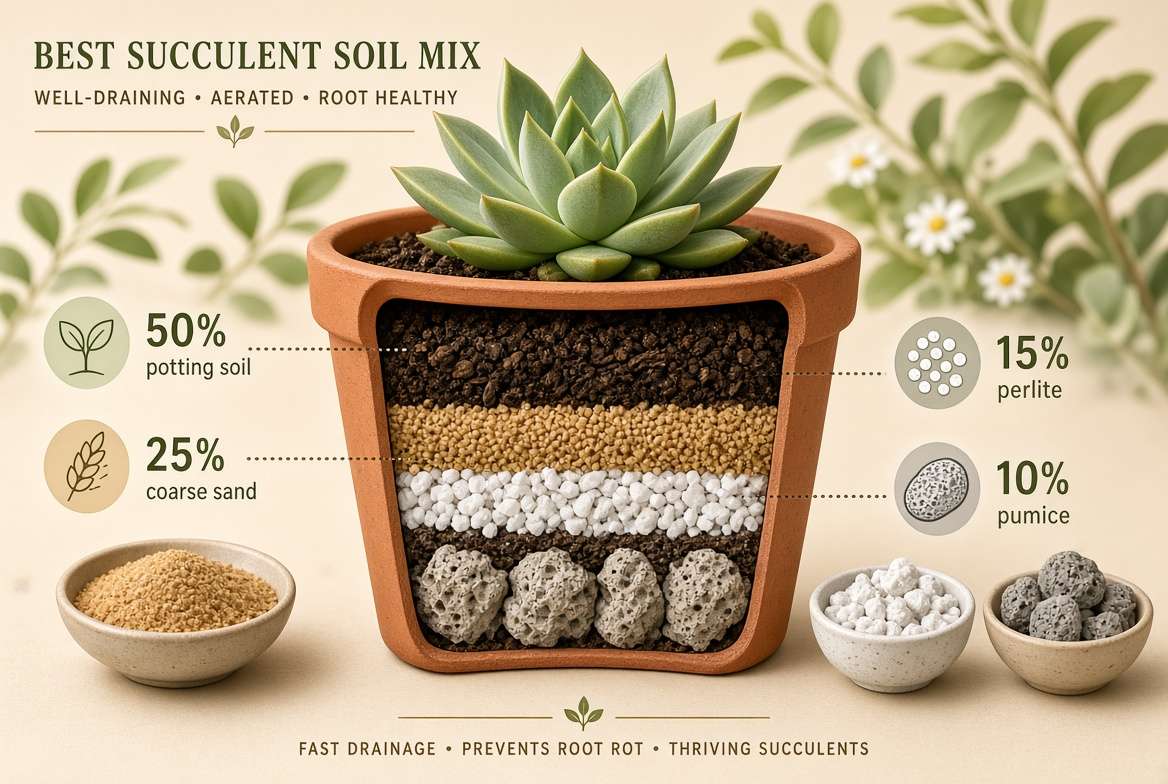
A proper succulent mix solves this by blending in gritty materials like perlite, pumice, sand, or small bark chips. These create air pockets and let excess water run straight through the pot instead of pooling around the roots. That’s the whole secret, really: air and drainage matter more than nutrients for this plant family.
With that in mind, here’s how each product on this list handles the job.
Quick Comparison at a Glance
| Product | Size | Type | Best For | Price Range |
|---|---|---|---|---|
| Back to the Roots Organic Succulent & Cacti Mix | 6 qt | Organic, bark-based | Beginners, indoor pots | Mid-range |
| Miracle-Gro Succulent Potting Mix | 4 qt | Fast-draining, fertilized | Casual growers, quick fixes | Budget-friendly |
| Hoffman Organic Cactus and Succulent Soil Mix | 4 qt | Sand and perlite based | True cacti, desert plants | Budget-friendly |
| Rosy Soil Cactus & Succulent Potting Mix | 4 qt | Peat-free, eco-conscious | Indoor plant lovers, sustainability fans | Premium |
| Succulent Cactus Potting Soil Mix (resealable bag) | 2 qt | All-purpose, ready-to-use | Small collections, gifting, orchids too | Mid-range |
Now let’s look at each one closely.
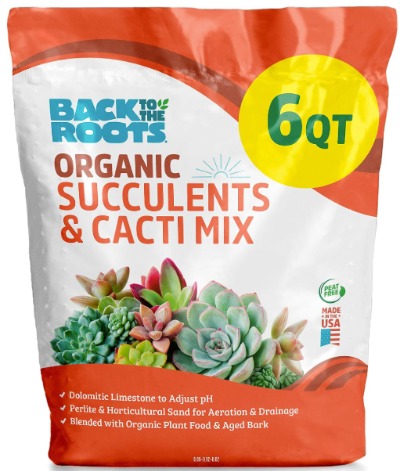
1. Back to the Roots 100% Organic Succulent & Cacti Mix (6 Quart)
Product Description
Back to the Roots built its name on organic, USA-made garden products, and this succulent mix follows that same approach. It’s a 6-quart bag made from a blend of compost, coconut coir, perlite, and pumice, with no synthetic fertilizers or chemical additives mixed in. Everything in the bag is meant to feed your plants naturally while still draining fast enough to keep roots healthy.
Best Use Cases
This mix shines in indoor pots where you want a soil that looks clean, smells earthy, and doesn’t rely on chemical fertilizer to keep plants fed. It works well for jade plants, echeverias, haworthias, and small potted cacti sitting on a windowsill or shelf. Because the bag is a full 6 quarts, it’s also a smart pick if you’re repotting several plants at once or setting up a small succulent garden.
Key Features Explained Simply
- 100% organic ingredients: no synthetic chemicals, which matters if you keep pets or kids near your plants.
- Coconut coir base: coir holds a little more moisture than pure sand but still drains far better than standard potting soil.
- Pumice and perlite blend: these lightweight volcanic materials create air pockets so roots can breathe.
- Made in the USA: sourced and packaged domestically, which some buyers prefer for quality control reasons.
Real-Life Usage Insight
Right out of the bag, this mix feels loose and slightly chunky, with visible bits of bark and pumice mixed through the dark, rich-looking base. It doesn’t compact easily, so watering doesn’t turn it into a dense clump the way cheaper soils sometimes do. Plants potted in it tend to settle in within a couple weeks, with new growth showing that the roots are taking hold.
Pros
- Fully organic, so it’s gentle and safe around pets and children
- Drains well without being overly sandy
- Smells fresh and earthy, not like typical bagged compost
- Good texture for both potting and top-dressing
- Generous 6-quart size means fewer repurchases
Cons
- Coconut coir holds a bit more water than pure grit, so it’s not ideal for extremely arid cacti species
- Slightly pricier per quart than basic mixes
- Some bags arrive a touch more compact than expected and need a quick fluff before use
Performance Discussion
In terms of drainage speed, this mix lands in the middle of the pack — faster than any all-purpose potting soil, but not as fast-draining as a pure mineral mix like Hoffman’s. That makes it a great all-rounder for succulents that like a small buffer of moisture, such as haworthias and gasterias, but growers with true desert cacti may want to cut in extra perlite or sand.
Ease of Use
Straight out of the bag, it’s ready to use for most succulents without any extra amending. Just fluff it up with your hands before potting since it can settle during shipping.
Value for Money
At 6 quarts, you’re getting more product per bag than most competitors on this list, and the organic label adds real value if that matters to you. It’s a solid buy for anyone who wants a natural mix without doing their own DIY blending.
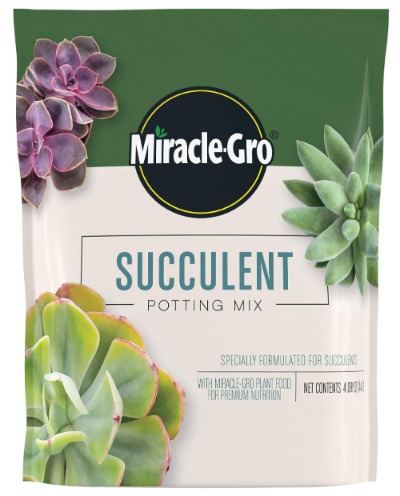
2. Miracle-Gro Succulent Potting Mix (4 qt.)
Product Description
Miracle-Gro is a name most gardeners already know, and their succulent mix brings that same mass-market reliability to a smaller niche. This 4-quart bag is formulated specifically for cacti and succulents, with a lighter, sandier texture than their standard potting soils, plus a small dose of plant food mixed in to support the first few months of growth.
Best Use Cases
This is a solid pick for anyone growing a mix of common succulents like echeveria, sedum, aloe, or small cacti in containers, especially if you like the convenience of a fertilizer already blended into the soil. It’s also a practical option for beginners who just want to grab one bag and go without researching soil ratios.
Key Features Explained Simply
- Fast-draining formula: built with sand and other gritty materials so water moves through quickly.
- Built-in plant food: feeds plants for up to a few months after potting, cutting down on separate fertilizing.
- Lightweight texture: easier to work with than dense garden soil, especially for smaller pots.
- Wide availability: sold in most garden centers and big-box stores, so restocking is easy.
Real-Life Usage Insight
This mix pours out lighter and sandier than the Back to the Roots blend, with a texture that feels close to potting sand mixed with small organic bits. It settles fast around root balls, which is handy when potting up small cuttings or offsets. New growers often like how “normal” it looks compared to gritty, rock-heavy mixes, since it still resembles regular potting soil at a glance.
Pros
- Reasonably priced and easy to find almost anywhere
- Built-in fertilizer saves a step for new plant owners
- Fine, workable texture that’s easy to pack around small pots
- Trusted, well-known brand with consistent quality control
Cons
- Drainage is decent but not as sharp as mixes built around pumice or coarse perlite
- The added fertilizer can be too much for slow-growing cacti that prefer lean soil
- Not certified organic, so it’s not the right pick if you’re avoiding synthetic inputs
Performance Discussion
In pots with good drainage holes, this mix performs reliably for common succulents. Where it struggles a bit is in larger containers or with plants that need bone-dry conditions between waterings, since the finer particle size can hold moisture a little longer than a coarser cactus-specific blend. Adding extra perlite is an easy fix if you’re growing more sensitive species.
Ease of Use
This is about as low-effort as succulent soil gets. Open the bag, pot your plant, water lightly, and the built-in fertilizer takes care of feeding for a while. It’s a great choice if you don’t want to think too hard about soil amendments.
Value for Money
Priced competitively and sold in smaller, budget-friendly bags, this is a smart option if you’re just starting out or only have a handful of plants to pot. You’re paying for convenience and brand trust more than premium ingredients, and for most casual growers, that trade-off works out fine.
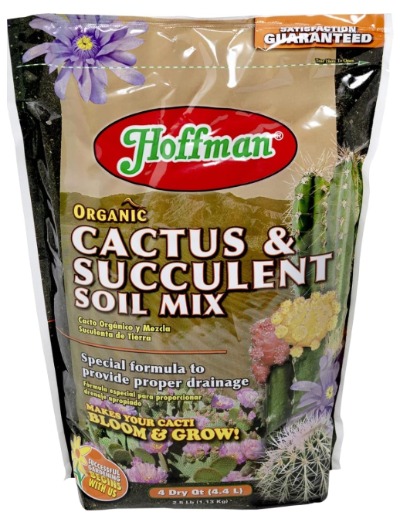
3. Hoffman 10404 Organic Cactus and Succulent Soil Mix (4 Quarts)
Product Description
Hoffman has been making specialty soil blends for decades, and this cactus and succulent mix is one of their most established products. It’s built around a base of sphagnum peat moss combined with sand and perlite, creating a texture that leans more mineral and gritty than the other mixes on this list. It’s labeled organic and designed specifically with cacti in mind, though it works well for many succulent types too.
Best Use Cases
This mix is a great match for true desert cacti — think barrel cacti, opuntia, and other spiny varieties that need soil to dry out almost completely between waterings. It’s also a good budget option for anyone building a large collection who needs several bags without spending a fortune.
Key Features Explained Simply
- Sand and perlite base: creates a gritty, fast-draining texture close to natural desert soil.
- Peat moss component: adds a small amount of organic structure without turning the mix dense.
- Organic labeling: free from synthetic fertilizers, making it safe for organic gardening setups.
- Consistent, budget-friendly bag size: 4 quarts is enough for several small to medium pots.
Real-Life Usage Insight
Out of the bag, this mix feels noticeably sandier and grainier than either the Back to the Roots or Miracle-Gro options. It drains almost instantly when watered, with water running through the pot within seconds rather than slowly soaking in. That quick drainage is exactly what spiny desert cacti want, though softer-leaved succulents may need watering slightly more often since the mix holds so little moisture.
Pros
- Excellent drainage, ideal for true cacti and other arid-loving plants
- Budget-friendly price point compared to specialty organic blends
- Organic formula with no synthetic chemical fillers
- Gritty texture helps prevent compacting over time
Cons
- Peat moss base raises some sustainability concerns for eco-conscious buyers, since peat harvesting isn’t a renewable process
- Can dry out fast enough that softer succulents need more frequent watering
- Texture is dusty when dry, so it helps to dampen it slightly before handling
Performance Discussion
Where this mix really performs is with cacti species that are prone to rot in richer soils. The fast drainage keeps roots dry between waterings, which lines up with how these plants grow in nature. For leafier, moisture-loving succulents like haworthia or gasteria, it’s still workable, but you’ll want to water a bit more often or blend in some coconut coir to hold slightly more moisture.
Ease of Use
It’s ready to use straight from the bag with no extra prep needed for most cacti. If you’re potting up succulents that like a touch more moisture retention, mixing in a scoop of coir or compost takes just a couple of minutes.
Value for Money
This is one of the most affordable mixes on this list, and the performance for true cacti is hard to beat at this price. If your collection leans heavily toward spiny desert varieties, this bag delivers strong results without a big spend.
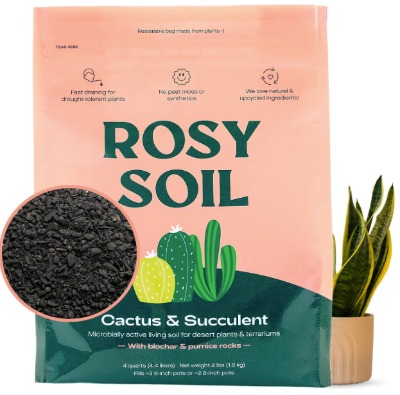
4. Rosy Soil Cactus & Succulent Potting Mix (4 Quarts)
Product Description
Rosy Soil takes a different approach from the other brands here, building their mix around sustainability as much as plant performance. This blend skips peat moss entirely and instead uses ingredients like coconut coir, rice hulls, and volcanic pumice to create a peat-free, renewable soil that still drains fast and supports healthy root growth.
Best Use Cases
This mix is a strong fit for indoor plant lovers who care about where their soil comes from and want to avoid peat-based products. It works well across a wide range of succulents, from echeveria and sedum to smaller cacti, and it’s especially popular with houseplant collectors who keep several pots on shelves or windowsills.
Key Features Explained Simply
- Peat-free formula: uses coconut coir and rice hulls instead of peat moss, which is a more renewable resource.
- Pumice for drainage: lightweight volcanic rock keeps the mix airy and prevents compacting.
- Beneficial microbes: some batches include added microbial elements meant to support long-term soil and root health.
- Attractive, clean packaging: designed with home decor and gifting in mind, not just function.
Real-Life Usage Insight
This mix has a noticeably lighter, fluffier feel than the others on this list, almost like a coarse potting soil crossed with aquarium gravel. It holds its structure well over time and doesn’t compact the way cheaper mixes sometimes do after a few months of watering. Plants potted in it tend to root in smoothly, and the soil keeps its loose texture even after repeated watering cycles.
Pros
- Peat-free and more sustainable than traditional cactus soils
- Great texture that resists compacting long-term
- Performs well across a wide range of succulent types, not just cacti
- Nice presentation if you care about how your gardening supplies look
Cons
- Higher price point than the other mixes on this list
- Smaller bag size compared to the price, so it may not be the most economical for large collections
- Rice hulls can float to the surface when watering heavily, which is mostly a cosmetic issue
Performance Discussion
Drainage is strong and consistent, sitting somewhere between the Back to the Roots mix and the grittier Hoffman blend. It holds just enough moisture to keep softer succulents happy without turning soggy, which makes it one of the more versatile options here. Growers focused on long-term soil health, rather than just short-term drainage, tend to appreciate this one the most.
Ease of Use
No amending needed for most common succulents. The lightweight texture also makes it easy to work with when repotting delicate root systems that can be damaged by heavier, denser soils.
Value for Money
This is the priciest mix in the lineup, and the smaller bag size means the cost per quart is noticeably higher than the budget options. That said, if sustainability and long-term soil quality matter to you, the price reflects real differences in sourcing and ingredients, not just marketing.
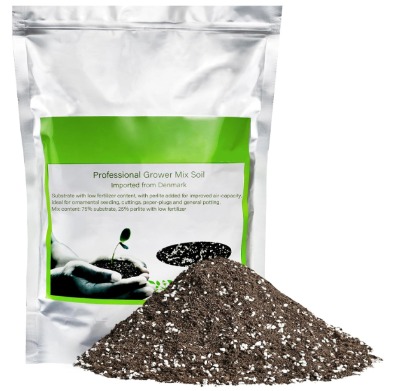
5. Succulent Cactus Potting Soil Mix (2 qt), All-Purpose, Ready-to-Use, Resealable Bag
Product Description
This smaller-format mix is designed as an easy, ready-to-use option for a wide range of plants beyond just succulents and cacti, including orchids and bonsai. Packaged in a resealable bag, it’s built for convenience as much as performance, making it a popular pick for people with smaller plant collections or those just testing the waters with succulent care.
Best Use Cases
This mix works well for small indoor collections, gifting a potted succulent to a friend, or topping off a few pots without committing to a large bag. Because it’s marketed as all-purpose for indoor and outdoor plants, it’s also handy if you keep a mixed collection that includes orchids or small bonsai alongside your succulents.
Key Features Explained Simply
- Resealable bag design: keeps the rest of the soil fresh and free of bugs between uses, which larger paper bags don’t always manage.
- Quick-draining blend: formulated with materials meant to move water through fast, similar to the other specialty mixes here.
- Ready-to-use: no need to sift, dampen, or amend before potting.
- Smaller 2-quart size: easier to store and manage if you don’t have a large garden setup or storage space.
Real-Life Usage Insight
This mix pours out with a texture similar to a standard cactus blend, slightly coarser than potting soil but not as heavily mineral as the Hoffman bag. The resealable closure is genuinely useful in practice, keeping the leftover soil from drying out or attracting gnats the way an open bag left in a garage sometimes does. For small-batch potting jobs, like repotting one or two plants, the 2-quart size is just about right without a lot of leftover waste.
Pros
- Handy resealable packaging that actually keeps soil fresh between uses
- Versatile enough for succulents, cacti, orchids, and bonsai
- Good option for gifting a fully potted plant
- Convenient small size for apartment growers or beginners with just a few pots
Cons
- Smaller quantity means it runs out fast if you have more than a few plants
- Cost per quart is higher than buying a larger bag
- Being marketed as all-purpose, it’s slightly less specialized than mixes built only for cacti
Performance Discussion
For general succulent care, this mix performs reliably, draining well enough to prevent standing water in most standard pots. It’s not the fastest-draining option on this list, since it’s formulated to work across several plant types rather than being optimized purely for arid cacti, but for everyday succulents like echeveria or sedum, it holds up fine.
Ease of Use
This is one of the easiest mixes to store and use in small amounts, thanks to the resealable bag. It’s a great grab-and-go option when you just need to top off a pot or repot a single plant without opening a large, awkward bag.
Value for Money
The smaller size and higher per-quart cost make this less economical for bigger collections, but for casual growers or anyone who just needs a small amount on hand, the convenience more than makes up for the price difference.
Comparison Insights: How These Mixes Stack Up
Looking at all five side by side, a few clear patterns show up.
Drainage speed ranks the Hoffman mix at the top, thanks to its sand and perlite base, followed closely by Rosy Soil and Back to the Roots. Miracle-Gro and the resealable all-purpose mix drain well but hold slightly more moisture, making them better suited to softer succulents rather than true desert cacti.
Sustainability is where Rosy Soil pulls ahead clearly, since it skips peat moss entirely. Back to the Roots also scores well here thanks to its organic, coir-based formula. Hoffman and Miracle-Gro rely more on traditional ingredients like peat and standard fertilizers, which work fine but aren’t marketed around eco-friendly sourcing.
Price per quart favors Hoffman and Miracle-Gro, both of which deliver solid performance at a lower cost. Rosy Soil sits at the premium end, and the 2-quart resealable option lands in the middle once you account for its smaller size.
Beginner-friendliness goes to Miracle-Gro and the resealable all-purpose mix, both of which are ready to use with minimal thought and forgiving enough for a few watering mistakes early on.
Best for true cacti is Hoffman, hands down, thanks to its gritty, fast-draining texture that mimics natural desert soil.
Buying Guide: What to Look for in a Succulent Soil Mix
If none of the five above feel like a perfect match, here’s what to keep in mind when comparing other bags on the shelf.
Drainage Comes First
Look at the ingredient list before anything else. Perlite, pumice, coarse sand, and small bark chips are all good signs. If a bag lists mostly peat moss or compost with little else, it’s probably going to hold too much water for most succulents.
Organic Doesn’t Always Mean Better Drainage
An organic label tells you the mix avoids synthetic chemicals, but it doesn’t guarantee fast drainage on its own. Always check the texture and ingredients together rather than relying on the word “organic” alone.
Bag Size Should Match Your Collection
A small 2-quart bag is fine for one or two pots, but it adds up fast in cost per quart if you have a bigger collection. Larger 4 to 6-quart bags usually offer better value if you’re potting several plants or repotting seasonally.
Consider Your Specific Plants
True desert cacti with spines want gritty, mineral-heavy soil that dries out fast. Softer, leafier succulents like haworthia or gasteria tolerate a bit more moisture retention. Matching the mix to your actual plants, rather than grabbing whatever says “succulent” on the front, makes a real difference in how well they grow.
Check for Added Fertilizer
Some mixes, like Miracle-Gro’s, come with built-in plant food. That’s convenient for beginners but can be too rich for slow-growing cacti that naturally prefer lean, nutrient-poor soil in the wild. If your plants are more delicate or slow-growing, a mix without added fertilizer gives you more control.
Packaging Matters More Than People Expect
A resealable bag keeps leftover soil fresh and free from pests, while an open paper bag left in storage can attract gnats or dry out unevenly. If you’re not using the whole bag in one sitting, this small detail saves you hassle later.
Who Should Buy These Products
New plant parents with just a handful of pots will likely do best with the Miracle-Gro mix or the small resealable bag, since both are easy to use straight out of the packaging with little guesswork.
Cactus specialists growing spiny desert varieties should lean toward the Hoffman mix, since its gritty texture closely matches what these plants need to thrive.
Eco-conscious growers who want to avoid peat-based products and support renewable ingredients will get the most out of Rosy Soil, even with the higher price tag.
Organic gardening fans who keep pets or kids around their plants, or who just prefer natural inputs, should look at Back to the Roots for its fully organic, chemical-free formula.
Mixed plant collectors growing succulents alongside orchids, bonsai, or other houseplants will appreciate the flexibility of the all-purpose resealable mix, since it works across several plant types without needing separate bags for each.
Common Mistakes to Avoid When Using Succulent Soil
Using regular potting soil “just this once.” Even a single repotting in the wrong soil can set up root rot that takes weeks to show up and even longer to fix.
Skipping drainage holes. No soil mix, no matter how well it drains, can make up for a pot with no way for water to escape. Always pot succulents in containers with drainage holes, or use them as liners inside decorative pots without holes.
Watering on a fixed schedule instead of checking the soil. Succulent soil dries out at different rates depending on humidity, pot size, and plant type. Sticking your finger an inch into the soil before watering is a more reliable method than watering every Sunday no matter what.
Overpacking the soil around roots. Pressing soil down too firmly removes the air pockets that make these mixes work in the first place. A light, loose fill around the roots is all you need.
Assuming all succulents want the exact same mix. Spiny desert cacti and soft-leaved succulents don’t always want identical drainage levels. A slightly richer mix for haworthia or a grittier one for opuntia can make a noticeable difference in growth.
Forgetting to fluff compacted soil before use. Bagged mixes can settle and compact during shipping and storage. A quick mix with your hands before potting helps restore the airy texture that makes these blends effective.
Final Verdict: Which Succulent Soil Mix Should You Buy
There’s no single “best” answer here, since the right pick really depends on what you’re growing and what matters most to you.
If you want the best all-around organic mix for a wide range of succulents, Back to the Roots is the strongest pick, offering solid drainage, chemical-free ingredients, and a generous bag size.
If you’re growing true, spiny desert cacti and want the sharpest drainage for the lowest price, Hoffman’s Organic Cactus and Succulent Soil Mix is hard to beat.
If sustainability and long-term soil quality top your list, and you don’t mind paying a bit more, Rosy Soil delivers a peat-free formula that performs well across almost any succulent type.
If you’re new to succulent care and want something simple, affordable, and easy to find, Miracle-Gro’s Succulent Potting Mix takes the stress out of getting started.
And if you only need a small amount, want the convenience of resealable packaging, or keep a mixed collection that includes orchids or bonsai, the all-purpose 2-quart resealable mix rounds things out nicely.
Whatever you land on, the biggest takeaway is simple: fast drainage matters more than almost anything else for keeping succulents alive and healthy. Get that right, water only when the soil is actually dry, and your plants will reward you with steady, low-maintenance growth for a long time to come.

Hi, I’m Mary, the founder of GardenCure.com. I’m passionate about creating healthy, beautiful gardens and well-kept lawns. I share practical experience and trusted advice on garden and lawn gear that truly works. With the support of my dedicated research team, our writers produce honest, in-depth reviews using reliable, authentic sources—helping you choose the right tools with confidence for your outdoor space.



One Comment