5 Best Weed and Feed for Bermuda Grass 2026
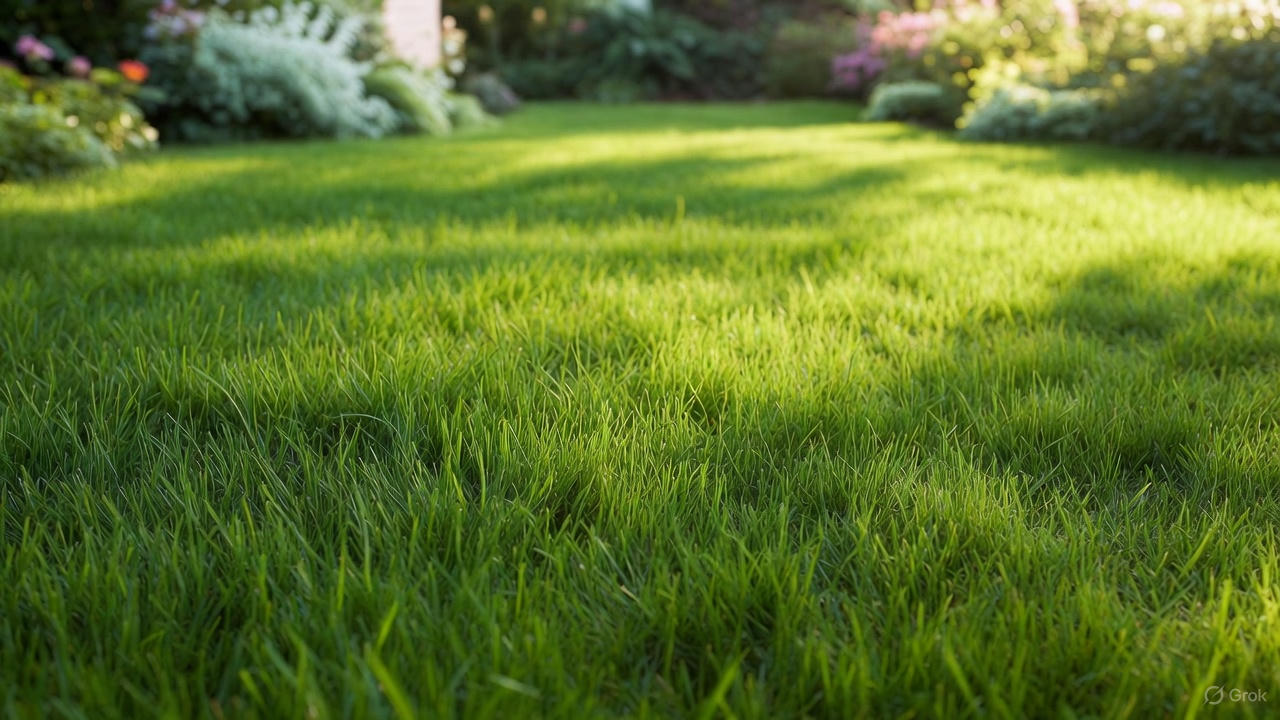
Bermuda grass creates one of the most beautiful lawns when properly maintained. This warm-season turf thrives in hot climates and stands up well to foot traffic. However, keeping your bermuda lawn lush and weed-free requires the right products and care routine.
In this article
Weed and feed products offer a convenient solution for bermuda grass maintenance. These combination treatments deliver nutrients while eliminating unwanted plants. Finding the right formula makes all the difference between a struggling lawn and a thriving green carpet.
This guide examines five top-rated weed and feed options specifically suited for bermuda grass. Each product brings unique benefits to help you achieve the lawn you desire.
Understanding Bermuda Grass Needs
Bermuda grass demands specific care compared to other lawn types. This aggressive grower spreads through both stolons and rhizomes, creating dense turf coverage. The grass performs best in full sunlight and warm temperatures between 75-90°F.
Your bermuda lawn needs regular feeding during its active growing season. The grass responds well to nitrogen-rich fertilizers that promote thick, green growth. At the same time, broadleaf weeds like dandelions, clover, and chickweed often invade bermuda lawns.
Combination products save time and effort by addressing both needs simultaneously. The fertilizer component feeds your grass while herbicides target common lawn weeds. This dual-action approach keeps your bermuda grass healthy and competitive against unwanted plants.
Timing matters when applying weed and feed to bermuda grass. The ideal application window opens when soil temperatures reach 55°F consistently. This typically happens in mid to late spring for most regions. Your grass should be actively growing and green before treatment.
Top 5 Weed and Feed Products for Bermuda Grass
1. Scotts Turf Builder Weed & Feed3
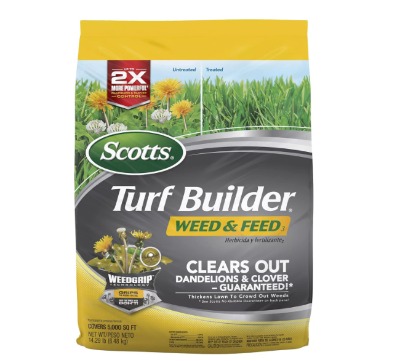
This flagship product from Scotts delivers reliable results for bermuda grass lawns. The formula combines a balanced fertilizer with three-way weed control technology.
Product Description:
Scotts Turf Builder Weed & Feed3 covers up to 5,000 square feet per bag. The 14.29-pound container holds enough product for medium-sized lawns. The granular formula spreads easily with broadcast or drop spreaders.
The fertilizer analysis provides essential nutrients that bermuda grass craves. Nitrogen promotes blade growth and deep green color. The weed control ingredients target over 50 common lawn weeds including dandelions, clover, plantain, and chickweed.
This product works best when applied to actively growing bermuda grass. The granules need to stick to weed leaves, so application to wet grass improves effectiveness. You should avoid mowing for at least two days after treatment.
Results appear within hours as weeds begin to wilt. Complete elimination takes 1-2 weeks depending on weed types. The fertilizer continues feeding your grass for up to 6 weeks after application.
Pros:
- Covers large areas with one bag
- Controls numerous broadleaf weed varieties
- Fast-acting herbicide shows quick results
- Long-lasting fertilizer feeds grass for weeks
- Established brand with proven track record
- Easy application with standard spreaders
- Safe for established bermuda grass
Cons:
- Cannot use on newly seeded areas
- Requires careful calibration of spreader settings
- Not effective on grassy weeds like crabgrass
- May damage sensitive ornamental plants nearby
- Works best with specific moisture conditions
- Multiple applications needed for stubborn weeds
2. Scotts Turf Builder WinterGuard Fall Weed & Feed3
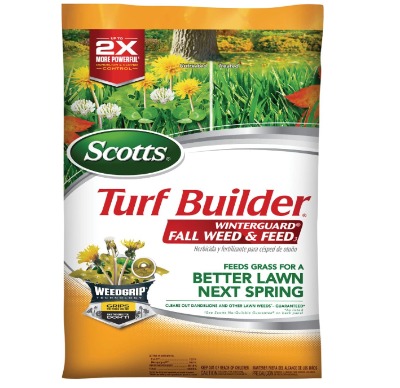
Fall applications prepare bermuda grass for dormancy while eliminating persistent weeds. This seasonal formula focuses on root development and weed control before winter.
Product Description:
WinterGuard comes in an 11.43-pound bag covering 4,000 square feet. The formula differs from spring/summer versions with a nutrient blend optimized for fall conditions. This product strengthens roots and builds carbohydrate reserves.
The weed killer component targets fall-active weeds that compete with grass during this critical period. Many perennial weeds absorb nutrients down to roots during fall, making them vulnerable to herbicides. This timing improves control of tough weeds like dandelions.
Application works best on damp grass when temperatures stay between 60-80°F. The formula needs 2-4 hours of dry weather after spreading. Rain or irrigation within this window washes away the product before it can work.
Your bermuda grass benefits from fall feeding even as growth slows. The nutrients help grass recover from summer stress and prepare for winter dormancy. Stronger root systems lead to faster green-up when warm weather returns.
Pros:
- Specially formulated for fall lawn care
- Builds root strength before dormancy
- Targets fall-active weed species effectively
- Helps grass recover from summer stress
- Improves spring green-up performance
- Controls perennial weeds at optimal time
- Gentle formula suitable for transitioning grass
Cons:
- Smaller coverage area per bag
- Limited application window in fall
- Not suitable for spring or summer use
- May not work well in warm southern climates
- Requires dry weather after application
- Less nitrogen than spring formulas
- Not ideal if grass already entering dormancy
3. Scotts Turf Builder Triple Action Built for Seeding
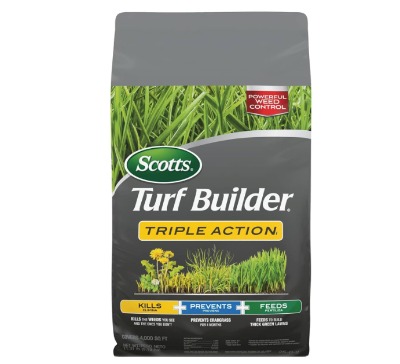
This versatile product combines fertilization, weed control, and pre-emergent prevention. The triple-action formula addresses current weeds while blocking new weed seeds from germinating.
Product Description:
Triple Action arrives in an 11.31-pound bag treating 4,000 square feet. The formula stands out with its pre-emergent herbicide that prevents crabgrass and other grassy weeds. This makes it valuable for bermuda lawns prone to summer annual weeds.
The fertilizer blend feeds existing grass while the post-emergent herbicide kills visible broadleaf weeds. The pre-emergent creates a barrier in the soil that stops weed seeds from sprouting. This three-way approach provides comprehensive lawn care in one application.
Timing becomes crucial with pre-emergent products. You must apply before weed seeds germinate, typically when soil temperatures reach 55°F. For crabgrass prevention, this means early spring application. However, the product remains effective for fertilization and weed control throughout the growing season.
One bag handles moderate-sized bermuda lawns efficiently. The granules distribute evenly through broadcast spreaders. Light watering after application activates the pre-emergent barrier.
Pros:
- Three different actions in single product
- Prevents crabgrass and other grassy weeds
- Controls existing broadleaf weeds
- Feeds grass for thicker growth
- Reduces total number of lawn treatments needed
- Convenient all-in-one approach
- Long-lasting weed prevention
Cons:
- Cannot overseed for 4 months after application
- Strict timing requirements for best results
- More expensive than basic weed and feed
- Pre-emergent may wash away without proper watering
- Not suitable if you plan to seed bare spots
- Less post-emergent herbicide than dedicated products
- Requires precise spreader calibration
4. Spectracide Weed & Feed 20-0-0 Ready-to-Spray
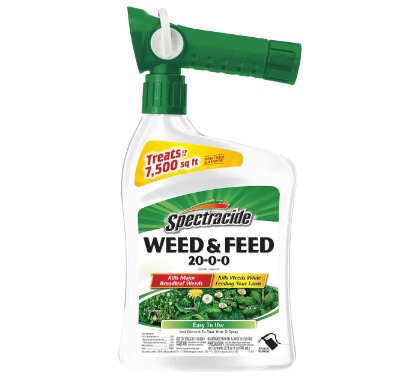
Liquid formulas offer different advantages compared to granular products. This ready-to-spray option connects directly to your garden hose for fast application.
Product Description:
The 32-fluid-ounce bottle treats up to 5,000 square feet when properly diluted. The attached sprayer automatically mixes concentrate with water from your hose. This eliminates measuring and mixing steps.
The 20-0-0 fertilizer analysis delivers pure nitrogen without phosphorus or potassium. This high nitrogen content pushes rapid green growth in bermuda grass. The formula works well for lawns with adequate phosphorus and potassium levels.
Liquid application provides even coverage and quick absorption. The herbicide contacts weed leaves directly through spray application. This method often shows faster results than granular products that need time to dissolve.
The ready-to-spray design makes application simple. You attach the bottle to your hose, adjust the spray pattern, and walk your lawn. The entire process takes less time than loading and pushing a spreader.
Pros:
- No spreader equipment needed
- Quick and easy hose-end application
- Even liquid coverage across lawn
- Fast-acting formula shows rapid results
- High nitrogen for quick greening
- Treats large areas with small bottle
- Less product storage space required
Cons:
- Requires garden hose access to entire lawn
- Less precise than spreader application
- Can drift onto nearby plants in wind
- Uses only nitrogen without other nutrients
- Visible spray pattern needs care to avoid stripes
- May need multiple bottles for large lawns
- Difficult to apply evenly on slopes
5. BioAdvanced 3-in-1 Weed and Feed for Southern Lawns
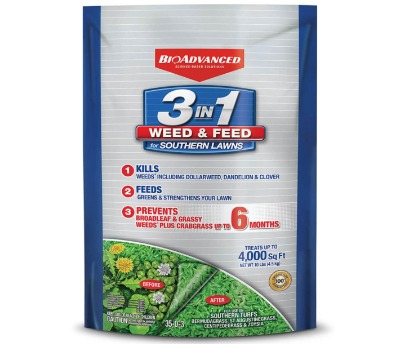
Southern lawns face unique challenges that require specialized products. This formula targets the specific weeds and conditions common in warm climates.
Product Description:
The 10-pound bag covers approximately 5,000 square feet of southern grass varieties. BioAdvanced designed this product specifically for warm-season grasses including bermuda, zoysia, centipede, and St. Augustine.
The three-in-one formula feeds grass, kills broadleaf weeds, and prevents fire ants. Fire ant control sets this product apart from standard weed and feed options. Southern homeowners often battle these aggressive insects in their lawns.
The weed control targets dollarweed, clover, dandelions, and other broadleaf weeds common in southern regions. The herbicide works systemically, moving through the plant to kill roots. This prevents weeds from returning quickly after treatment.
Fertilizer nutrients suit the needs of warm-season grasses. The balanced blend promotes healthy growth without excessive top growth. This encourages the dense, spreading growth pattern that makes bermuda grass attractive.
Pros:
- Formulated specifically for southern grass types
- Includes fire ant control feature
- Targets weeds common in warm climates
- Suitable for multiple warm-season grass varieties
- One product handles three lawn problems
- Regional formula better than generic options
- Granules work well in humid conditions
Cons:
- Only available in smaller bag size
- May not suit northern bermuda lawns
- Fire ant control unnecessary in some regions
- More expensive per square foot
- Limited availability in some areas
- Slower acting on some weed types
- May require reapplication for heavy infestations
Application Tips for Best Results
Proper application makes the difference between success and disappointment with weed and feed products. Start by calibrating your spreader according to product label instructions. Each formula has specific settings for different spreader models.
Water your lawn 1-2 days before application. This ensures grass and weeds are actively growing. Damp grass blades help granular products stick to leaves. Avoid applying to completely dry lawns.
Check weather forecasts before treating your bermuda grass. You need calm conditions without wind to prevent drift. Rain within 24 hours washes away products before they work. Plan for 2-3 dry days after application.
Mow your lawn 2-3 days before treatment. Taller grass and weeds have more leaf surface for herbicide contact. Skip mowing for at least 2 days after application to allow products time to work.
Apply products evenly in two perpendicular passes. Walk at a steady pace to maintain consistent coverage. Overlap slightly on each pass to avoid missed strips. Fill spreader on driveway or sidewalk to prevent concentrated spots.
Water lightly 1-2 days after application if the label recommends. This activates granular products and moves nutrients into the soil. Some formulas work better without immediate watering, so follow specific product instructions.
Safety Considerations
Weed and feed products contain chemicals that require careful handling. Always read and follow label directions completely. Labels provide critical safety information and legal application requirements.
Keep children and pets off treated lawns for the specified time period. Most products require 24-48 hours of restricted access. Some formulas allow reentry once grass dries after application.
Wear appropriate protective equipment during application. Long pants, long sleeves, and closed-toe shoes protect skin. Gloves prevent hand contact with products. Wash hands and exposed skin thoroughly after handling.
Store products in original containers in cool, dry locations. Keep away from food, pet supplies, and children. Secure storage prevents accidental exposure.
Avoid applying near wells, ponds, streams, or drainage areas. Runoff can contaminate water sources. Never apply before heavy rain or when ground is saturated.
Maintenance Schedule for Bermuda Grass
Weed and feed products work best as part of a complete lawn care program. Create a seasonal schedule that addresses all bermuda grass needs throughout the active growing period.
Early spring marks the start of your bermuda grass season. Apply pre-emergent herbicides before soil temperatures reach 55°F consistently. This prevents summer annual weeds from germinating.
Late spring brings the ideal time for your first weed and feed application. Bermuda grass actively grows and weeds emerge rapidly. The combination treatment jumpstarts your lawn for summer.
Early summer requires continued feeding as bermuda grass hits peak growth. Apply nitrogen-rich fertilizer every 4-6 weeks during active growth. Spot-treat any weeds that escaped earlier applications.
Late summer applications maintain color and density. Your grass continues growing vigorously through hot weather. Address any weed problems before fall arrives.
Early fall represents your last chance for weed control. Apply fall formulas that strengthen roots. Target perennial weeds while they move nutrients to roots.
Common Problems and Solutions
Even with proper care, bermuda lawns sometimes face challenges. Recognizing problems early allows quick corrective action.
Yellow or pale grass indicates nitrogen deficiency. Increase feeding frequency during peak growth. Ensure products contain adequate nitrogen for bermuda grass needs.
Persistent weeds after treatment suggest timing or application issues. Reapply according to label instructions. Some tough weeds require multiple treatments for complete control.
Burned or damaged grass results from over-application or poor timing. Follow label rates exactly. Never apply when grass shows drought stress. Water deeply before treatment.
Uneven results point to application problems. Recalibrate spreader settings. Walk at consistent speeds. Overlap passes slightly to ensure complete coverage.
Poor weed control often relates to weed size or weather. Treat weeds when small and actively growing. Ensure proper temperature and moisture conditions exist.
Cost Comparison and Value
Weed and feed products vary significantly in price per square foot. Compare coverage areas and treatment counts needed per season. Initial cost doesn’t always reflect the best value.
Granular products typically offer better value for large lawns. One bag treats several thousand square feet. Most lawns need 2-4 applications per season depending on weed pressure.
Liquid formulas cost more per treatment but offer convenience. Ready-to-spray options eliminate equipment needs. Consider time savings when comparing costs.
Premium products with multiple actions cost more upfront. However, combining fertilization, weed control, and prevention reduces total seasonal spending. Fewer applications save time and money.
Generic or store brands provide budget-friendly options. These products often work well for maintenance once you establish initial control. Name brands may perform better for severe weed problems.
Calculate seasonal costs by multiplying applications by product price. Include spreader depreciation or spray equipment for liquid formulas. Factor in water costs for activation and cleanup.
Environmental Impact Considerations
Modern weed and feed products undergo extensive testing for environmental safety. Manufacturers must prove products break down naturally and don’t accumulate in soil or water.
Proper application minimizes environmental effects. Following label rates prevents excess chemicals from entering ecosystems. Treating only when necessary reduces total chemical use.
Healthy, thick bermuda grass naturally resists weed invasion. Strong lawns need fewer chemical treatments over time. Focus on building grass health through proper care practices.
Alternative approaches exist for environmentally conscious homeowners. Organic products use natural ingredients for similar results. Manual weed removal works for small areas. Dense grass crowds out most weeds without chemicals.
Consider your specific situation when evaluating products. Severe weed problems may justify chemical intervention initially. Transition to organic or reduced-chemical methods as lawn health improves.
Making Your Final Decision
Your ideal weed and feed product depends on several factors specific to your lawn. Consider lawn size, current condition, weed types, and your maintenance preferences.
For large bermuda lawns with moderate weed pressure, Scotts Turf Builder Weed & Feed3 offers excellent all-around performance. The balanced formula handles most common situations effectively. Wide availability and proven results make this product a reliable choice.
Southern homeowners battling fire ants alongside weeds benefit from BioAdvanced 3-in-1. The regional formula addresses specific warm-climate challenges. Three-way action simplifies lawn care routines.
Those wanting comprehensive season-long control should consider Scotts Triple Action. The pre-emergent component prevents summer weeds while handling current problems. This approach reduces total applications needed.
Fall lawn care demands specialized formulas like Scotts WinterGuard. Root strengthening prepares bermuda grass for dormancy. Fall weed control eliminates perennial problems effectively.
Quick results and easy application make Spectracide Ready-to-Spray appealing. The liquid formula works fast and requires minimal equipment. This option suits smaller lawns or spot treatments.
Conclusion
Maintaining beautiful bermuda grass requires ongoing attention to both feeding and weed control. The right weed and feed product simplifies this process by combining essential treatments.
Each product reviewed offers distinct advantages for different situations. Scotts Turf Builder Weed & Feed3 provides versatile, reliable performance for most lawns. BioAdvanced 3-in-1 addresses southern-specific challenges including fire ants. Triple Action prevents future weed problems while handling current issues.
Seasonal formulas like WinterGuard optimize bermuda grass health during transitional periods. Liquid options such as Spectracide Ready-to-Spray offer convenience and speed.
Success depends on proper product selection, correct application, and consistent lawn care. Match products to your specific needs and conditions. Follow label directions carefully. Maintain a regular maintenance schedule throughout the growing season.
Your bermuda grass will reward proper care with dense, green growth that resists weeds naturally. Start with the right weed and feed product and build from there. A healthy lawn requires less intervention over time as grass outcompetes unwanted plants.
Take action now to address your lawn needs. Select the product that best matches your situation. Apply at the right time with proper techniques. Watch your bermuda grass transform into the lush, weed-free lawn you envision.
Remember that lawn care is an ongoing process requiring patience and consistency. No single application solves all problems permanently. Commit to regular maintenance and your bermuda grass will thrive season after season.

Hi, I’m Mary, the founder of GardenCure.com. I’m passionate about creating healthy, beautiful gardens and well-kept lawns. I share practical experience and trusted advice on garden and lawn gear that truly works. With the support of my dedicated research team, our writers produce honest, in-depth reviews using reliable, authentic sources—helping you choose the right tools with confidence for your outdoor space.