
5 Best Compost for Raised Beds In 2026
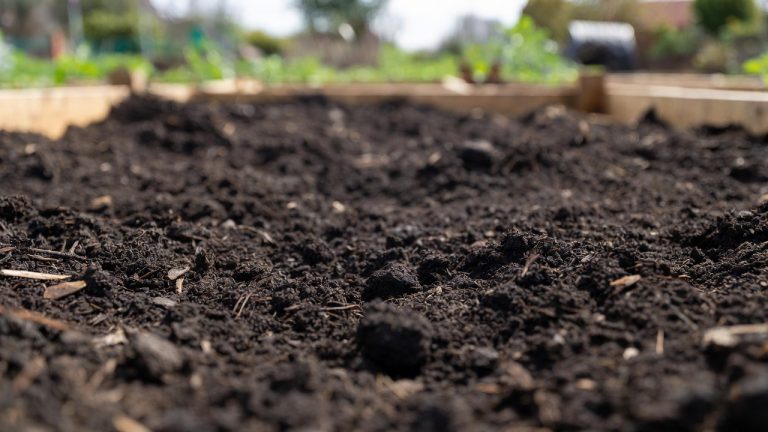
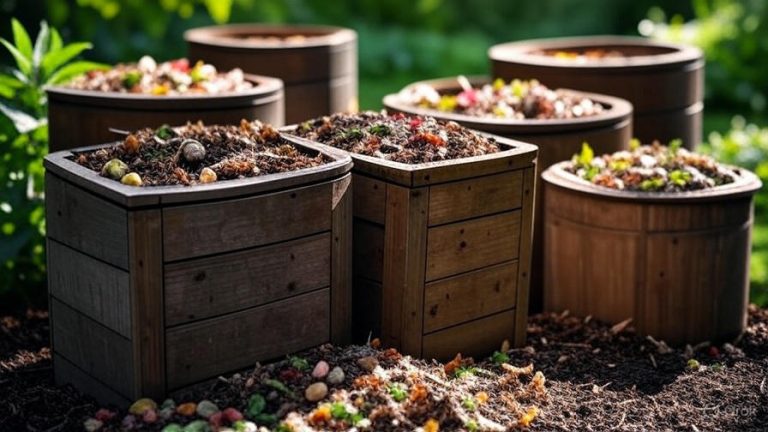
Raised bed gardening has transformed how people grow vegetables, herbs, and flowers at home. The success of your raised bed garden depends heavily on the quality of compost you use. Good compost feeds your plants, improves soil structure, and creates the perfect environment for roots to thrive.
In this article
Many gardeners struggle to find the right compost blend for their raised beds. Some products smell terrible, others don’t provide enough nutrients, and certain options simply don’t deliver the results they promise. This comprehensive review covers five top-performing compost products that actually work for raised bed gardening.
Why Your Raised Bed Needs Quality Compost
Raised beds offer excellent drainage and better control over your growing environment. However, they also require more attention to soil quality compared to traditional in-ground gardens. The contained space means nutrients get depleted faster, and the soil structure needs regular enhancement.
Quality compost serves multiple purposes in raised bed gardening. It adds essential nutrients that plants need to grow strong and produce abundant harvests. The organic matter improves soil texture, making it easier for roots to spread and water to penetrate evenly. Beneficial microorganisms in good compost help break down nutrients into forms plants can absorb easily.
The right compost also helps your raised bed retain moisture without becoming waterlogged. This balance is critical during hot summer months when raised beds tend to dry out quickly. Well-composted material creates air pockets in the soil, allowing oxygen to reach plant roots while still holding onto water and nutrients.
Key Factors to Consider When Buying Compost
Before diving into specific product reviews, you need to understand what makes compost suitable for raised beds. The first factor is nutrient content. Look for compost that contains a balanced mix of nitrogen, phosphorus, and potassium. These three primary nutrients support different aspects of plant growth.
Texture matters tremendously in raised bed applications. You want compost that breaks down into fine particles that mix well with existing soil. Chunky compost with large pieces of uncomposted material won’t integrate properly and can create drainage issues.
Odor control is another practical consideration. You’ll be working closely with your raised beds, and nobody wants their backyard smelling like a barn. Quality compost products use proper composting techniques that eliminate offensive odors while preserving beneficial properties.
The source of materials in your compost affects its quality and safety. Plant-based composts are ideal for organic gardening. Some products blend composted manure with plant material, offering a richer nutrient profile. Make sure any manure-based compost has been properly aged to eliminate pathogens and weed seeds.
Water retention capabilities vary among compost types. Raised beds lose moisture faster than ground-level gardens, so compost that helps retain water gives you a significant advantage. At the same time, the material shouldn’t compact or become dense when wet.
Detailed Product Reviews
1. Michigan Peat Compost and Manure Blend, Garden Magic Mix – 40 Lbs
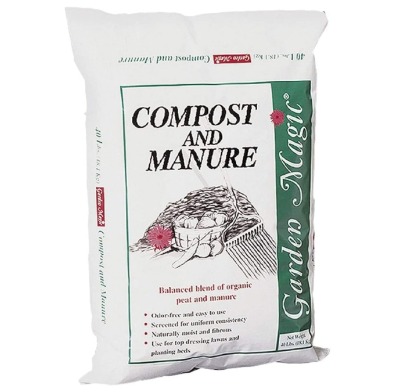
This compost and manure blend from Michigan Peat brings together plant-based compost with aged manure to create a nutrient-rich mix for raised beds. The 40-pound bag provides enough material to significantly improve your garden soil without breaking the bank.
Product Overview
Michigan Peat has formulated this blend specifically for outdoor gardening applications. The mixture combines Canadian sphagnum peat moss with composted cow manure and humus. This combination creates a product that adds both structure and nutrients to your raised bed soil.
The company processes all materials through proper composting techniques. This ensures the final product is safe to use and free from harmful pathogens. The blend contains natural minerals that plants need for healthy growth, including trace elements often missing from synthetic fertilizers.
One standout feature is the odor-free formulation. Despite containing manure, this product doesn’t assault your senses when you open the bag. The composting process has neutralized the typical barnyard smell while preserving all the beneficial properties.
Performance in Raised Beds
This blend works exceptionally well in raised bed applications. The texture is fine enough to mix thoroughly with existing soil, yet substantial enough to improve soil structure. When you dig it into your raised bed, it distributes evenly without clumping.
The moisture retention is impressive. Raised beds amended with this compost stay hydrated longer between waterings. The peat moss component acts like a sponge, holding water and releasing it gradually to plant roots. This feature is particularly valuable during hot summer days.
Plants respond quickly to this compost blend. Vegetable crops show improved vigor and productivity when grown in soil enhanced with this product. The balanced nutrient profile supports strong root development and robust foliage growth.
Pros
The odor-free formulation makes this compost pleasant to work with. You can spread it in your raised beds without worrying about complaints from neighbors or family members. The lack of smell also means you can work with it anytime without holding your breath.
The 40-pound bag offers excellent value. This amount is substantial enough to make a real difference in your raised beds without costing a fortune. You get professional-quality compost at a reasonable price point.
The blend integrates easily with existing raised bed soil. You don’t need special equipment or extensive mixing. A simple garden fork or trowel is enough to work it into your beds effectively.
The nutrient content supports plant growth throughout the entire growing season. You’ll notice that vegetables produce more abundantly and flowers bloom more vigorously when you use this compost regularly.
Cons
The peat moss content may concern environmentally conscious gardeners. Peat harvesting has environmental impacts that some people prefer to avoid. If sustainability is your top priority, you might want to consider peat-free alternatives.
The 40-pound bag can be heavy and awkward to handle. If you have mobility issues or a large garden requiring multiple bags, the weight becomes a consideration.
Some users report the product can arrive compressed in the bag. You’ll need to fluff it up before use, which adds an extra step to your gardening routine.
2. Brut Organic Worm Castings for Plants – 30 LB
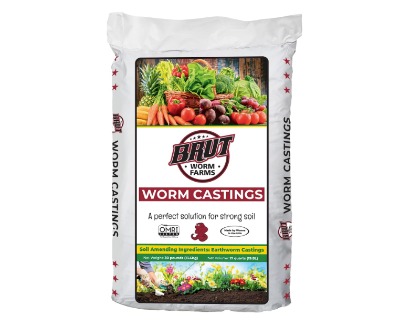
Worm castings represent the gold standard of organic soil amendments. This 30-pound bag from Brut delivers pure, organic worm castings that can transform your raised bed soil into a plant paradise.
Product Overview
Worm castings are the end product of worms digesting organic matter. As material passes through the worm’s digestive system, it becomes enriched with beneficial microorganisms and plant-available nutrients. Brut sources their castings from carefully managed worm farms that produce consistent, high-quality material.
This product contains no synthetic additives, chemicals, or fillers. What you get is 100% pure worm castings, also known as vermicompost. The natural fertility of this material comes from the biological processes that create it.
The castings are finely textured and dark brown in color. They smell earthy and pleasant, with none of the offensive odors associated with some organic fertilizers. The material is dry enough to store easily but retains enough moisture to stay biologically active.
Performance in Raised Beds
Worm castings work differently than traditional compost. While regular compost adds bulk and organic matter, worm castings act more like a concentrated plant food. The nutrients are immediately available to plants without requiring further breakdown.
Plants grown with worm castings show remarkable improvements in health and productivity. The beneficial microorganisms colonize the soil around plant roots, creating a protective zone that helps resist disease. Your vegetables will develop stronger stems, greener leaves, and more abundant harvests.
The water-holding capacity of worm castings is exceptional. They can hold several times their weight in water, then release it slowly as plants need it. In raised beds, this means less frequent watering and more consistent moisture levels.
Root development explodes when you add worm castings to raised beds. The structure of the castings creates perfect conditions for fine root hairs to explore and absorb nutrients. Stronger root systems mean healthier plants above ground.
Pros
The nutrient density of worm castings is unmatched by conventional compost. A little goes a long way, making this 30-pound bag more economical than it first appears. You can use smaller amounts and still see dramatic results.
The biology in worm castings remains active for a long time. The beneficial microorganisms continue working in your soil, breaking down organic matter and making nutrients available to plants.
This product is completely safe for all plants, even delicate seedlings. You cannot burn plants with worm castings because the nutrients are in such gentle, natural forms. This makes it perfect for seed starting in raised beds.
The organic certification ensures you’re getting a clean product free from pesticides, herbicides, or other chemical residues. This matters if you’re growing food crops in your raised beds.
Cons
The price per pound is higher than conventional compost products. While the quality justifies the cost, budget-conscious gardeners might find it expensive for large raised bed installations.
The 30-pound bag might not provide enough material for very large raised bed gardens. You may need multiple bags, which increases the total cost significantly.
Worm castings alone don’t add much bulk to soil. While they improve fertility dramatically, you’ll still need other materials to build up soil volume in new raised beds.
3. Charlie’s Compost – Odor Free Organic Fertilizer – 10lb

Charlie’s Compost has built a reputation for producing high-quality, odor-free compost that home gardeners love. This 10-pound bag includes biochar, a relatively new addition to the organic gardening world that offers unique benefits.
Product Overview
This compost product combines traditional composted organic materials with biochar. Biochar is charcoal produced from plant matter and processed in a way that makes it beneficial for soil. The addition of biochar sets this product apart from standard compost blends.
The organic materials in Charlie’s Compost come from carefully selected plant sources. The company uses a hot composting process that kills weed seeds and pathogens while preserving beneficial organisms. The result is a safe, effective product ready to use straight from the bag.
The biochar component adds long-term benefits to your raised beds. This material persists in soil for years, continuously improving soil structure and nutrient retention. It also provides habitat for beneficial microorganisms.
Performance in Raised Beds
Charlie’s Compost excels in raised bed applications. The texture is perfect for mixing with existing soil, and the dark color indicates high organic matter content. When you work it into your beds, you’ll notice the soil becomes more friable and easier to work.
The biochar inclusion makes a noticeable difference in water retention. Raised beds amended with this compost stay moist longer between waterings. The porous structure of biochar acts like a sponge, holding water and nutrients until plants need them.
Seed germination rates improve when you use this compost in raised beds. The consistent moisture and rich nutrient profile create ideal conditions for seeds to sprout. Seedlings emerge faster and grow more vigorously than in untreated soil.
Root vegetables particularly benefit from this compost blend. Carrots, beets, and radishes develop better shape and size when grown in soil improved with Charlie’s Compost. The loose, friable texture allows roots to expand easily.
Pros
The odor-free guarantee holds true. Even when you’re working the compost into your raised beds on a hot day, there’s no unpleasant smell. This makes it ideal for urban gardens and small spaces.
The biochar addition provides long-lasting benefits. Unlike nutrients that plants use up quickly, biochar remains in your soil for years. Each application builds on previous ones, gradually transforming your raised bed soil.
The 10-pound bag is easy to handle and store. If you have a small raised bed garden, this size is perfect. You can keep an extra bag on hand without dedicating too much storage space.
The organic certification and natural ingredients make this safe for growing vegetables and herbs. You don’t need to worry about chemical residues on your food crops.
Pros (continued)
The fine texture of this compost makes it excellent for seed starting directly in raised beds. You can sprinkle it on top of seeded areas to help retain moisture and provide nutrients for emerging seedlings.
Cons
The 10-pound bag might be insufficient for larger raised bed gardens. You’ll need multiple bags to adequately amend several beds, which can become expensive.
The inclusion of biochar, while beneficial, increases the cost compared to standard compost products. Budget-focused gardeners might find more economical options.
Some users report the product can be quite dry in the bag. You may need to moisten it before mixing into your raised beds to prevent it from blowing around.
4. Wakefield Biochar Blend with CarbonBoost™ Technology – 4qt
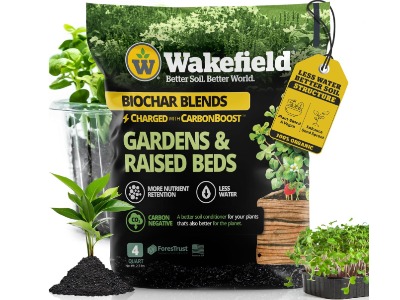
Wakefield brings innovative technology to traditional composting with their biochar blend. This 4-quart product is designed specifically for raised bed applications, with a focus on water and nutrient retention.
Product Overview
The CarbonBoost™ Technology sets this product apart from conventional compost. This proprietary process enhances the biochar’s ability to hold water and nutrients. The result is a potting soil mix that performs exceptionally well in the challenging raised bed environment.
This blend combines premium biochar with organic compost and other soil amendments. The formulation targets the specific needs of raised bed gardening, where moisture management and nutrient retention are critical. Each component works together to create optimal growing conditions.
The product is certified organic and contains no synthetic chemicals or additives. You get a clean, natural soil amendment that supports healthy plant growth without risking chemical contamination of your food crops.
Performance in Raised Beds
The water retention capabilities of this biochar blend are impressive. Raised beds treated with this product maintain consistent moisture levels even during hot, dry weather. You’ll water less frequently while your plants enjoy steady hydration.
Nutrient retention gets a major boost from this product. The enhanced biochar captures and holds fertilizer nutrients that would otherwise wash through the soil. Plants can access these nutrients over an extended period, leading to stronger growth and better yields.
The texture of this mix is ideal for raised bed applications. It’s light enough to improve drainage in heavy soils but substantial enough to add structure to sandy raised bed fills. The balance works well with most soil types.
Vegetable crops show remarkable improvement when grown in soil amended with this biochar blend. Tomatoes develop more extensive root systems and produce heavier fruit loads. Leafy greens grow more vigorously and maintain better color.
Pros
The CarbonBoost™ Technology delivers measurable improvements in plant performance. This isn’t just marketing hype – the enhanced water and nutrient retention make a real difference in raised bed gardens.
The product works equally well for vegetables, flowers, and houseplants. If you’re growing a variety of crops in your raised beds, you don’t need different soil amendments for each type.
The 4-quart size is perfect for gardeners who want to try the product before committing to larger quantities. You can test it in one raised bed and see the results before treating your entire garden.
The biochar component provides benefits that last for multiple growing seasons. Each application builds on previous ones, continuously improving your raised bed soil quality.
Cons
The 4-quart size limits how much area you can treat. For large raised bed gardens, you’ll need multiple containers, which significantly increases the total cost.
The price point is higher than basic compost products. While the technology and benefits justify the cost, budget-conscious gardeners might hesitate.
The product is primarily a soil amendment rather than a complete growing medium. You’ll still need base soil in your raised beds – this works best when mixed with existing soil.
5. Old Potters Organic Compost – Plant Based Potting Soil – 25 lbs (24 Quarts)
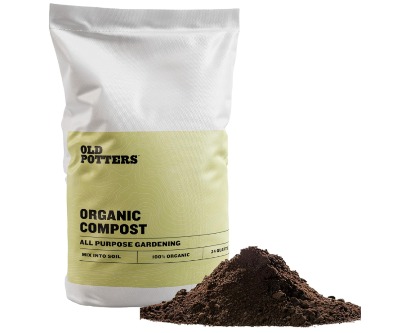
Old Potters delivers a purely plant-based compost that appeals to veganic gardeners and anyone wanting to avoid animal products. This 25-pound bag provides substantial volume for raised bed applications.
Product Overview
This compost is made entirely from plant materials with no manure or animal byproducts. The company sources organic plant matter and composts it using traditional techniques that ensure complete breakdown and maturity. The result is a rich, dark compost ready to use.
The plant-based composition makes this product suitable for veganic gardening practices. If you’re growing food crops and want to avoid any animal products in your soil amendments, this compost fits perfectly into your gardening philosophy.
The 24-quart volume in a 25-pound bag offers good value. You get substantial material for your money, enough to make a real impact in multiple raised beds. The packaging is sturdy and easy to handle.
Performance in Raised Beds
This plant-based compost integrates beautifully with raised bed soil. The texture is fine and consistent, making it easy to mix thoroughly. Once incorporated, it improves soil structure immediately.
Plants respond enthusiastically to this compost. The nutrient profile supports healthy growth across a wide range of crops. Vegetables develop strong stems and abundant foliage. Flowering plants produce more blooms over a longer period.
The moisture retention is solid without being excessive. Raised beds amended with this compost hold water well but don’t become soggy. The balance supports healthy root development and prevents both drought stress and waterlogging.
Soil life thrives in this compost-enriched environment. Earthworms and beneficial insects are attracted to beds treated with this product. The biological activity helps break down organic matter and release nutrients continuously.
Pros
The plant-based formulation is ideal for veganic gardening. You can grow organic vegetables knowing that no animal products were used in your soil amendments.
The 25-pound bag provides generous volume for the price. You get enough material to treat multiple raised beds without spending a fortune.
The product works well both as a soil amendment and as a component in homemade potting mixes. This versatility makes it useful for various gardening projects beyond just raised beds.
The organic certification ensures you’re getting clean, chemical-free compost. This matters when you’re growing food crops that will feed your family.
Cons
The plant-based composition means the nutrient levels are lower than manure-enriched composts. You may need to supplement with additional organic fertilizers during the growing season.
Some users report the product can be quite moist in the bag. This isn’t necessarily bad, but it does add weight and can make the compost slightly messy to handle.
The lack of animal products might be seen as a limitation by some gardeners who prefer the richer nutrient profile that manure-based composts provide.
How to Use Compost in Raised Beds
Getting the most from your compost requires proper application techniques. Start by calculating how much compost your raised beds need. A good rule of thumb is to add 2-4 inches of compost to the top of your beds each season.
For new raised beds, mix compost thoroughly with your base soil. Use a ratio of about 1 part compost to 2-3 parts soil. This creates a rich growing medium that balances drainage with water retention.
Timing matters when applying compost. The best time is before planting, giving the compost time to integrate with the soil. Work it in thoroughly using a garden fork or spade. Break up any clumps and ensure even distribution.
Top-dressing is another effective technique. Spread a layer of compost around established plants during the growing season. This feeds plants gradually and helps suppress weeds. The compost will work its way into the soil naturally through watering and soil life activity.
Don’t bury compost too deeply in raised beds. Most beneficial microbial activity happens in the top 6-8 inches of soil. Concentrate your compost in this zone where plant roots actively feed.
Maintaining Raised Bed Soil Quality
Compost isn’t a one-time fix. Raised beds need regular additions of organic matter to maintain soil quality. Plan to add compost at least once per season, preferably at the beginning of spring and fall.
Monitor your soil structure over time. Good raised bed soil should be loose and crumbly, not compacted or dusty. If the texture deteriorates, increase your compost applications.
Rotate crops in your raised beds to prevent nutrient depletion. Different plants use nutrients at different rates. Rotation spreads the demand more evenly across your soil.
Test your soil periodically to track nutrient levels. While compost provides many nutrients, you might need to supplement with specific amendments depending on what you’re growing. A simple soil test reveals any deficiencies.
Watch for signs that your soil needs more compost. If plants grow slowly despite adequate water and sunlight, soil quality may be declining. Yellowing leaves and poor fruit production also signal nutrient depletion.
Combining Compost with Other Amendments
Compost works well alongside other organic amendments. Bone meal adds phosphorus for strong root development and flowering. Rock dust provides trace minerals that compost might lack.
Kelp meal brings micronutrients and growth hormones that benefit plants. Mix it with compost before adding to raised beds for a more complete soil amendment.
Green sand is an excellent addition for raised beds with sandy soil. It provides potassium and helps improve moisture retention. Combine it with compost for balanced benefits.
Mycorrhizal fungi form beneficial relationships with plant roots. These fungi can be mixed with compost before application to establish colonies in your raised beds.
Avoid over-amending your soil. More isn’t always better. Excessive nutrients can harm plants and waste money. Follow recommended application rates for each product.
Seasonal Compost Application Guide
Spring brings renewed growth and the perfect time for heavy compost applications. Add 3-4 inches of compost to raised beds before planting warm-season crops. Work it in thoroughly to prepare beds for the growing season.
Summer calls for lighter applications. Top-dress around plants with 1-2 inches of compost to feed them through peak production periods. The compost also acts as mulch, helping retain moisture during hot weather.
Fall is another prime time for compost additions. After harvesting, spread 2-3 inches of compost over beds. You can leave it on the surface or work it in lightly. Winter weather will help break it down further.
Winter allows for passive composting in mild climates. Layer compost on beds and let natural processes incorporate it. By spring, the material will have integrated beautifully with your soil.
Troubleshooting Common Issues
Sometimes compost doesn’t perform as expected in raised beds. If plants show nutrient deficiencies despite compost additions, your compost might be immature. Immature compost can temporarily tie up nitrogen as it continues decomposing.
Compacted soil happens when compost lacks structure. Add coarser materials like shredded leaves or bark to improve texture. The variety of particle sizes prevents compaction.
Excessive moisture retention occurs with some compost types. If raised beds stay waterlogged, improve drainage by mixing in perlite or coarse sand along with your compost.
Poor plant growth despite compost additions might indicate pH problems. Test your soil pH and adjust if necessary. Most vegetables prefer slightly acidic to neutral pH.
Weed growth from compost happens when the material wasn’t composted hot enough to kill seeds. Switch to better-quality compost or spread a thick layer of mulch to suppress weeds.
Storage and Handling Tips
Store unused compost in a dry, covered area. Moisture causes compost to clump and can promote mold growth. Keep bags sealed and elevated off the ground.
Handle bags carefully to prevent tearing. The weight of compost can strain packaging. Support bags from the bottom when lifting.
Use compost within one season of purchase for best results. While compost doesn’t expire, its biological activity decreases over time. Fresh compost provides maximum benefits.
Wear gloves when handling compost to protect your hands. Some people develop skin irritation from extended contact with organic materials.
Keep compost away from direct sunlight during storage. UV rays can degrade the packaging and dry out the material excessively.
Making Your Decision
The best compost for your raised beds depends on your specific situation. Consider your budget, garden size, and gardening philosophy when making your choice.
For maximum versatility and good value, Michigan Peat Compost and Manure Blend offers solid performance across various applications. The balanced formula works well for most vegetables and flowers.
If you want the highest quality and don’t mind paying more, Brut Organic Worm Castings deliver unmatched fertility and plant health benefits. The concentrated nature means a little provides impressive results.
Environmentally conscious gardeners who want cutting-edge technology will appreciate Wakefield Biochar Blend. The enhanced water retention helps conserve water while supporting healthy plants.
Veganic gardeners should choose Old Potters Plant-Based Compost. You get effective soil improvement without any animal products, fitting perfectly into plant-only growing systems.
Small gardens and experimental applications work well with Charlie’s Compost. The biochar inclusion and compact size make it perfect for testing or treating limited space.
Final Thoughts
Quality compost transforms raised bed gardens from mediocre to magnificent. The products reviewed here represent some of the best options available for home gardeners. Each brings unique strengths to your raised beds.
Success in raised bed gardening comes from consistent soil care. Regular compost additions keep your beds productive season after season. Plants grown in well-composted soil resist pests better, produce heavier yields, and taste better.
Start with one product that fits your needs and budget. Observe how your plants respond over a full growing season. You’ll quickly see why serious gardeners never skip compost in their raised bed maintenance routine.
The investment in good compost pays dividends in the form of abundant harvests, beautiful flowers, and healthy plants. Your raised beds will reward your care with years of productive growth. The key is getting started with quality compost and maintaining consistent applications.

Hi, I’m Mary, the founder of GardenCure.com. I’m passionate about creating healthy, beautiful gardens and well-kept lawns. I share practical experience and trusted advice on garden and lawn gear that truly works. With the support of my dedicated research team, our writers produce honest, in-depth reviews using reliable, authentic sources—helping you choose the right tools with confidence for your outdoor space.