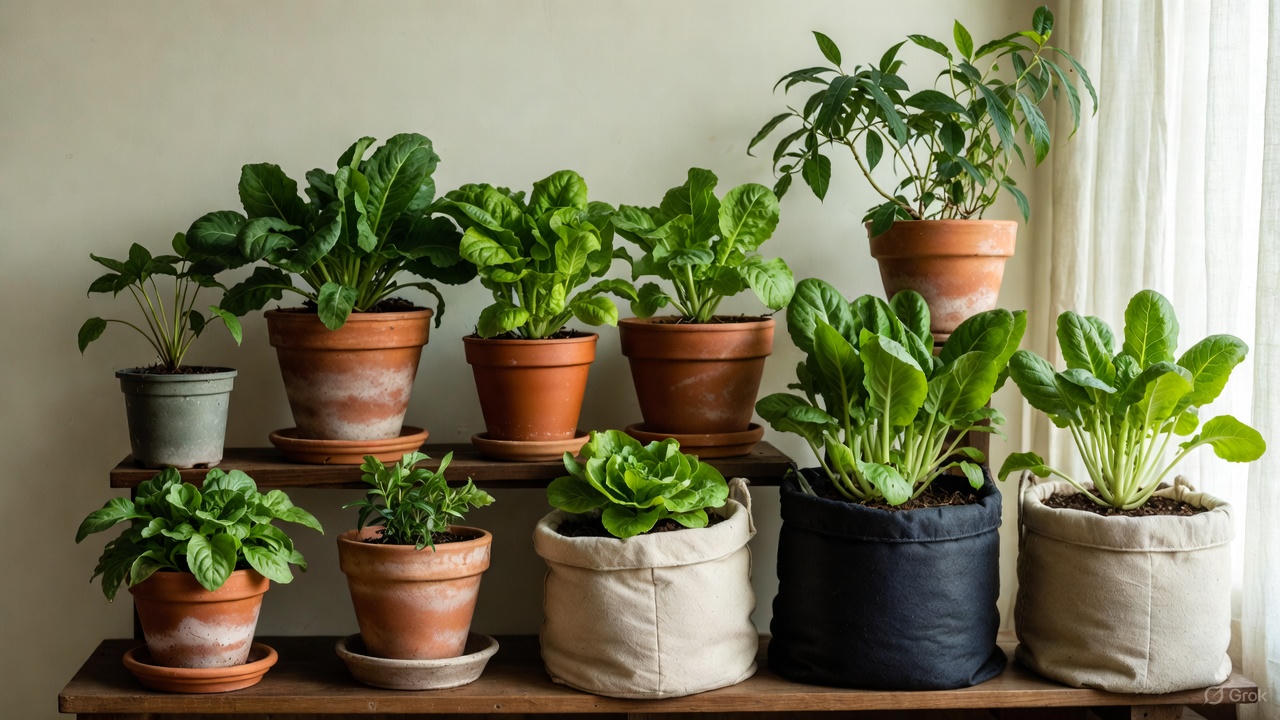
5 Best Containers for Growing Lettuce Indoors 2026
Growing fresh, crisp lettuce right in your home has become incredibly popular among gardening enthusiasts and health-conscious individuals. The key to success lies in finding the right container that provides proper drainage, adequate space, and the perfect growing environment for your leafy greens. This comprehensive guide explores the top containers that make indoor lettuce cultivation simple and rewarding.
In this article
Indoor lettuce farming offers numerous benefits beyond just having fresh salad ingredients at your fingertips. You gain complete control over growing conditions, eliminate concerns about pesticides, and enjoy harvesting year-round regardless of outdoor weather conditions. The right container transforms your kitchen windowsill or countertop into a productive mini-garden.
Why Container Selection Matters for Indoor Lettuce
Lettuce thrives when its roots have proper aeration, consistent moisture, and sufficient space to develop. Unlike many vegetables that require deep root systems, lettuce plants develop shallow roots that spread horizontally. This unique growth pattern makes container gardening ideal for these leafy greens.
The perfect lettuce container must balance several crucial factors. Water retention prevents the soil from drying out too quickly, yet proper drainage stops roots from becoming waterlogged and developing rot. Container size directly impacts how many lettuce plants you can grow and how healthy they become. Material choice affects temperature regulation, weight, and durability.
Many beginners struggle with indoor lettuce cultivation because they underestimate the importance of container features. Some containers dry out too quickly, forcing you to water multiple times daily. Others lack drainage holes, leading to soggy soil and failed crops. The containers reviewed here address these common challenges with smart design features.
Top 5 Containers for Growing Lettuce Indoors
1. OurWarm Windowsill Herb Planter Box Indoor Set of 3
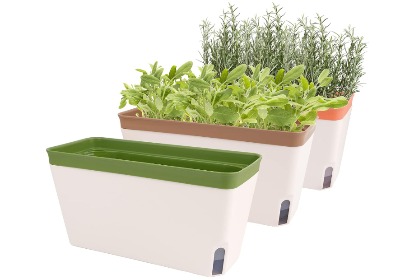
The OurWarm planter set brings innovation to indoor gardening with its visual water level indicator. Each 10.5-inch container features a transparent window that shows exactly how much water remains in the reservoir. This eliminates guesswork and prevents both overwatering and underwatering situations.
Product Description
This three-piece planter system uses self-watering technology that draws moisture up to plant roots through a wicking system. The modern plastic construction comes in neutral colors that complement any interior décor. Each pot includes a removable inner basket, making transplanting and cleaning remarkably simple. The compact size fits perfectly on standard windowsills, taking advantage of natural sunlight without occupying excessive space.
The water reservoir holds enough moisture to sustain plants for several days, making this ideal for busy households. You simply fill the reservoir through a convenient opening, and the wicking system handles the rest. The visual indicator changes color as water levels drop, giving you a clear signal when refilling becomes necessary.
Pros
Self-watering design reduces maintenance time dramatically. You can leave home for a weekend without worrying about wilted lettuce plants. The visual water level indicator takes all uncertainty out of watering schedules, proving especially helpful for new gardeners who struggle with knowing when plants need water.
The three-container set allows you to grow different lettuce varieties simultaneously. You might plant romaine in one, butterhead in another, and leaf lettuce in the third. This variety adds interest to your salads and helps you discover which types grow best in your specific conditions.
Modern aesthetics make these planters attractive enough to display prominently in your kitchen or dining area. Unlike traditional clay pots that can look rustic or outdated, these sleek containers blend seamlessly with contemporary home designs. The lightweight plastic construction makes moving them easy when you need to adjust their position for optimal light exposure.
Cleaning becomes effortless thanks to the removable inner basket. You can lift out the entire growing section to refresh soil or harvest mature plants without disturbing the outer container. This modular design extends the lifespan of your planters since you can clean and maintain each component separately.
Cons
The 10.5-inch size, while perfect for windowsills, limits how many mature lettuce heads you can grow simultaneously. Each container realistically accommodates two to three full-sized lettuce plants at maturity. If you want to harvest lettuce daily, you might need multiple sets to maintain continuous production.
Plastic construction, though lightweight and practical, lacks the temperature-regulating properties of ceramic or terracotta. During hot summer days, the soil in plastic containers can warm up quickly if placed in direct afternoon sun. You may need to move them to shadier locations during peak sunlight hours.
The self-watering system works best with certain growing mediums. Heavy clay soils don’t wick moisture effectively, while extremely light potting mixes may dry out despite the reservoir. Finding the right soil balance takes some experimentation initially.
Best For
These planters excel for apartment dwellers with limited space who want to grow fresh lettuce without dedicating an entire room to gardening. The windowsill placement maximizes natural light without requiring grow lights. Busy professionals appreciate the low-maintenance self-watering feature that fits their hectic schedules.
New gardeners benefit tremendously from the visual water indicator that builds their confidence and skills. Instead of worrying whether plants need water, they can simply glance at the window and know instantly. This feedback mechanism helps develop better plant care instincts over time.
2. Misting Hydroponic Growing System Kit 15-Pods
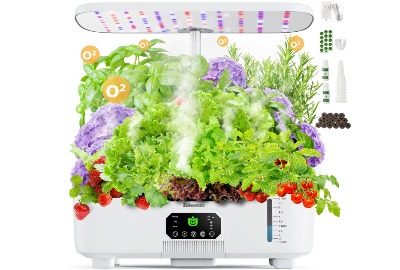
This sophisticated hydroponic system represents a significant leap forward in home food production. The 15-pod capacity allows you to cultivate a substantial lettuce crop without any soil, using a nutrient-rich water solution instead. The LCD touch panel puts complete control at your fingertips.
Product Description
The system operates using misting technology that delivers water and nutrients directly to plant roots in fine droplets. This method promotes faster growth rates compared to traditional soil cultivation. The 6-liter water tank provides ample capacity for multiple plants, reducing how often you need to add water and nutrients.
Built-in LED grow lights automatically cycle on and off according to optimal growing schedules. You can adjust light intensity and duration through the intuitive touch panel. The system monitors water levels and alerts you when the reservoir needs refilling. Some models include automated nutrient dispensers that maintain perfect feeding schedules.
The sleek design resembles a modern kitchen appliance rather than traditional gardening equipment. Your lettuce garden becomes a conversation piece that demonstrates your commitment to fresh, sustainable food. The quiet operation ensures it won’t disrupt your household with loud pumps or fans.
Pros
Hydroponic cultivation produces lettuce significantly faster than soil-based methods. Plants grow up to 30% quicker because roots receive nutrients more efficiently through the misting system. You can harvest baby lettuce leaves in as little as three weeks, compared to five or six weeks in soil.
The 15-pod capacity makes this system suitable for feeding a family with fresh lettuce regularly. You can stagger planting times so new seedlings continuously replace harvested plants. This succession planting approach ensures you never run out of fresh greens.
Built-in lighting eliminates the need for sunny windowsills or expensive separate grow lights. The LED system provides the exact light spectrum lettuce needs for optimal photosynthesis and growth. You can place this system anywhere in your home, even in basement spaces or rooms without windows.
The LCD control panel simplifies system management dramatically. You can monitor all vital parameters at a glance without guessing about plant needs. Automated features handle most daily tasks, making this surprisingly simple despite its sophisticated technology.
Touch panel controls let you customize growing conditions for different lettuce varieties. Some types prefer more light while others thrive with slightly less. Having precise control helps you optimize yields and quality. The digital interface also tracks planting dates so you know exactly when harvest time approaches.
Cons
The initial investment substantially exceeds basic container costs. You pay premium prices for the hydroponic technology, lighting system, and automated controls. However, the faster growth rates and higher yields can offset this cost over time through grocery savings.
Learning hydroponic techniques requires studying new concepts beyond traditional gardening. You need to understand nutrient solutions, pH levels, and electrical conductivity. The learning curve might frustrate gardeners who prefer simple, straightforward growing methods. Many resources and support communities exist online to help with troubleshooting.
Electrical requirements mean this system can’t function during power outages. If your area experiences frequent blackouts, your plants could suffer stress. The system consumes electricity continuously for pumps, lights, and controls, adding to your monthly utility bills.
Maintenance involves cleaning the reservoir regularly to prevent algae growth and mineral buildup. The misting nozzles require periodic inspection and cleaning to ensure proper function. While not excessively demanding, these tasks require more attention than simply watering soil containers.
Best For
Serious indoor gardeners who want maximum production from minimal space find this system perfect. The technology suits tech-savvy individuals who enjoy optimizing systems and tracking performance data. Families committed to eating fresh, pesticide-free produce appreciate the continuous supply this system delivers.
This setup works wonderfully for homes without suitable window space for traditional containers. Basement apartments, interior rooms, or spaces with poor natural light become viable growing locations. The self-contained nature makes it ideal for renters who can take the entire system with them when moving.
3. Fasmov 7 Pack 17 Inches Flower Window Box
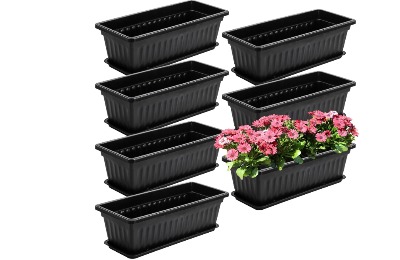
These traditional-style window boxes bring classic gardening charm to modern indoor cultivation. The 17-inch length provides generous growing space for multiple lettuce plants while maintaining a profile that fits standard windowsills. The seven-pack offers excellent value for gardeners wanting to maximize production.
Product Description
Each rectangular planter measures 17 inches long, providing significantly more growing space than typical round pots. The plastic construction combines durability with lightweight portability. Drainage holes along the bottom prevent water accumulation that could harm lettuce roots. Matching trays catch excess water, protecting your windowsills and furniture from damage.
The classic black finish maintains a neutral appearance that works with any décor style. The set includes seven plant labels that help you track different lettuce varieties or planting dates. The rectangular shape uses space more efficiently than round containers, allowing you to fit more growing area along a windowsill.
Built-in drainage combined with removable trays creates the perfect moisture balance for lettuce cultivation. Water drains freely during watering sessions but the trays prevent messes and allow roots to absorb any remaining moisture. This design mimics natural rainfall patterns that lettuce experiences in outdoor gardens.
Pros
The seven-container quantity lets you establish a substantial lettuce operation across multiple windowsills. You could dedicate different containers to various growth stages, ensuring continuous harvests. Some containers could hold newly germinated seedlings while others support mature plants ready for picking.
The 17-inch length accommodates four to six lettuce plants comfortably, depending on variety and spacing preferences. This capacity makes each container highly productive compared to smaller options. A full set could potentially provide lettuce for daily salads for a family of four.
Traditional drainage holes give you complete control over watering frequency and volume. Unlike self-watering systems that can sometimes overwater in humid conditions, these containers require active watering decisions. Experienced gardeners often prefer this hands-on approach.
The matching trays protect surfaces while allowing drainage. You can water generously without worrying about damaging wooden windowsills or countertops. The trays also create a humidity reservoir as excess water evaporates, benefiting lettuce plants that appreciate moist air.
Durable plastic construction withstands regular handling and outdoor use if you want to move plants outside during favorable weather. The material resists cracking from temperature changes and won’t break if accidentally dropped. This durability ensures these containers serve you for many growing seasons.
Plant labels included with the set help organize multiple varieties and track planting schedules. You can note when each container was seeded, making harvest timing much easier. Labels also prevent confusion when growing similar-looking lettuce types simultaneously.
Cons
Traditional drainage requires more frequent watering compared to self-watering designs. During hot, dry periods, you might need to water daily or even twice daily. This increased maintenance might not suit everyone’s lifestyle or schedule.
Plastic materials lack the breathability of terracotta or fabric containers. Soil can become compacted over time without the air exchange that porous materials provide. You may need to amend your soil with extra perlite or vermiculite to maintain good structure.
The rectangular shape, while space-efficient, can be awkward to move once filled with moist soil. Each container becomes quite heavy, making repositioning challenging. You should plan their permanent locations carefully before filling and planting.
Standard drainage holes can clog over time with soil particles and root growth. Periodic cleaning becomes necessary to maintain proper water flow. Clogged holes lead to waterlogged soil that damages lettuce roots quickly.
Best For
Budget-conscious gardeners appreciate the excellent value proposition of seven quality containers at an affordable price point. The quantity allows for ambitious growing plans without breaking the bank. You can start a serious indoor lettuce operation with a single purchase.
Traditional gardeners who prefer hands-on plant care enjoy the straightforward design without complicated features. These containers appeal to people who learned gardening from parents or grandparents using similar simple pots. The familiarity breeds confidence and success.
Windowsill gardeners with ample south-facing or west-facing exposure find these containers perfect for capturing natural sunlight. The long, narrow profile maximizes coverage along window ledges. Multiple windows in your home can each hold several containers for extensive production.
4. Plant Grow Bags, 2 Pack Fabric Raised Planting Beds
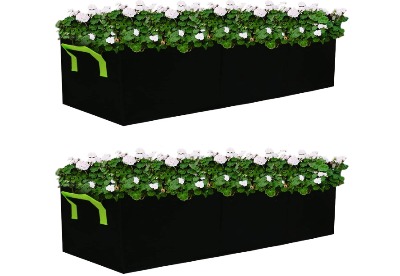
Fabric grow bags revolutionize container gardening with breathable construction that promotes exceptional root health. This two-pack features rectangular beds with three planting holes each, creating a unique growing environment that lettuce absolutely loves. The 15-gallon capacity provides massive volume for developing strong, productive plants.
Product Description
These bags use heavy-duty fabric that allows air to penetrate the growing medium from all sides. This air pruning effect prevents roots from circling around container walls, which often happens in rigid pots. Instead, roots develop fibrous, healthy structures that absorb water and nutrients more effectively.
Each rectangular bag measures large enough to function as a true raised bed despite its portable nature. The three pre-cut planting holes guide spacing and simplify transplanting. You can grow three substantial lettuce plants per bag, or use the holes for other vegetables alongside your greens.
Built-in handles make moving these large containers surprisingly manageable. Despite the 15-gallon soil capacity, two people can easily relocate a full bag when needed. This portability allows you to move lettuce plants to follow the sun across your home throughout the day or bring them inside from patios.
The bags fold flat when not in use, solving storage challenges that plague gardeners with limited space. Between growing seasons, you can store multiple bags in a small closet or drawer. This collapsibility also makes them perfect for seasonal gardens or experimental growing projects.
Pros
Fabric construction provides superior aeration compared to any rigid container material. Lettuce roots access oxygen from all directions, promoting vigorous growth and healthy plants. Better root development translates directly to larger, tastier lettuce heads at harvest time.
The air pruning effect creates bushier, more productive root systems naturally. When roots reach the fabric walls, air exposure causes the tips to naturally prune themselves. Plants respond by developing more branching roots deeper in the container rather than circling the perimeter pointlessly.
Excellent drainage prevents waterlogging issues that plague many container gardeners. Excess water drains through the fabric quickly while the material retains enough moisture to keep soil appropriately damp. This balance proves ideal for lettuce, which dislikes both drought and soggy conditions.
Large 15-gallon capacity supports bigger lettuce plants or multiple smaller ones with room to spread. The generous volume provides thermal mass that buffers against rapid temperature swings. Soil in larger containers maintains more consistent conditions than smaller pots that heat and cool quickly.
Handles attached to the bags make repositioning simple despite the significant weight of moist soil. You can rotate containers to ensure even light exposure or move them seasonally between indoor and outdoor locations. This flexibility helps optimize growing conditions throughout the cultivation cycle.
Durable fabric withstands multiple growing seasons when properly maintained. Unlike plastic that becomes brittle or terracotta that chips and cracks, quality fabric bags remain functional for many uses. The material resists UV damage and handles freezing temperatures without deteriorating.
Cons
The fabric material requires placement on waterproof surfaces or trays since water drains through the bottom. You can’t place these directly on wooden floors or carpeting without risking damage from moisture. Planning appropriate locations becomes necessary before filling bags with soil.
Fabric bags dry out faster than rigid containers due to superior aeration and drainage. This characteristic, while beneficial for preventing overwatering, means you must water more frequently. During hot weather, daily watering might be necessary to keep lettuce thriving.
The informal appearance might not suit everyone’s aesthetic preferences. These bags clearly look like gardening equipment rather than decorative planters. If visual appeal matters significantly in your space, these might not blend as seamlessly as designed containers.
Filling large bags with quality potting soil represents a substantial investment beyond the container cost. A 15-gallon bag requires approximately two cubic feet of growing medium. Multiple bags demand significant soil quantities that add up quickly.
Best For
Serious indoor gardeners willing to commit to larger-scale production appreciate the capacity and performance of fabric grow bags. The investment in soil pays dividends through abundant harvests and superior plant health. These containers suit people who consume lettuce daily and want reliable, continuous supply.
Balcony and patio gardeners benefit from the portability and excellent root environment. You can start lettuce indoors during early spring, then move containers outside once weather stabilizes. The handles make this seasonal transition simple and safe.
Gardeners interested in companion planting find the three-hole design perfect for mixing lettuce with compatible vegetables. You might plant lettuce in two holes and radishes or herbs in the third. This diversity maximizes productivity while creating a more interesting mini-garden.
5. ANGELIOX 3-Pack Grow Bags, 10 Gallon
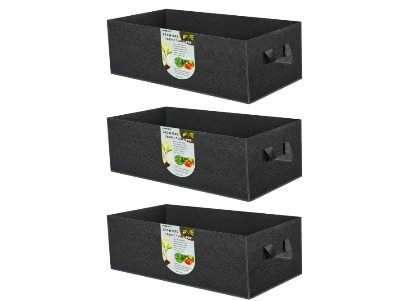
These substantial fabric containers strike an excellent balance between capacity and manageability. The 10-gallon size provides generous growing space without the bulk of larger bags. Heavy-duty 300G thickened nonwoven fabric ensures durability season after season. The three-pack gives you flexibility to experiment with different lettuce varieties or growing techniques.
Product Description
Each bag measures 60x30x20cm, creating a rectangular growing space that uses floor or table area efficiently. The square design provides more surface area than round containers of similar volume, allowing you to plant more lettuce heads per bag. The 10-gallon capacity supports substantial soil depth for robust root development.
The 300G fabric thickness significantly exceeds standard grow bags, offering enhanced durability and better moisture retention. Thicker material withstands rough handling and maintains structural integrity even when filled with heavy, wet soil. The investment in quality fabric pays off through extended useful life.
Reinforced handles attach securely to the bag body, supporting the full weight of soil and plants. The stitching uses heavy-thread that resists tearing even with frequent moves. These handles make repositioning practical rather than just theoretically possible.
The neutral color choices blend into most environments without drawing excessive attention. You can place these in visible locations without feeling like your home resembles a greenhouse. The professional appearance suits modern living spaces while providing serious growing capacity.
Pros
The 10-gallon capacity offers the sweet spot for indoor lettuce cultivation. It provides enough soil volume for healthy root development without becoming unwieldy or excessively heavy. Most people can comfortably move a single filled bag without assistance.
Heavy-duty 300G fabric construction delivers premium quality that you can feel immediately. The material feels substantial and well-made compared to flimsy alternatives. This thickness provides better insulation against temperature swings while maintaining excellent drainage and aeration properties.
Three bags in the pack create flexibility for diverse growing approaches. You might use one for continuous harvesting, one for baby greens, and one for growing lettuce to full maturity. This variety keeps your indoor garden interesting and productive.
Rectangular shape maximizes growing area compared to round containers. You can fit more plants in the same footprint, increasing your yield per square foot of floor space. The efficient use of space matters tremendously in apartments and smaller homes.
Handles riveted or sewn with reinforced stitching support the full weight of wet soil without tearing. Many cheaper grow bags fail at the handles first, but quality construction here prevents this common frustration. You can confidently lift and move bags without worrying about catastrophic failures.
Breathable fabric promotes exceptional root health through air pruning and superior drainage. Lettuce plants develop extensive, fibrous root systems that support vigorous top growth. Better roots translate directly to better harvests and healthier, tastier lettuce.
Cons
Like all fabric containers, these require waterproof surfaces or large trays underneath. Water will seep through the bottom during watering sessions, potentially damaging floors or furniture. You must plan placement carefully and possibly invest in appropriate trays or stands.
The increased fabric thickness, while improving durability, also increases cost compared to thinner alternatives. You pay a premium for the 300G material quality. However, the extended lifespan justifies the higher initial investment for serious gardeners.
Bags require emptying and cleaning between growing seasons for best results. The fabric can harbor disease organisms or pest eggs if not properly sanitized. This maintenance step adds work compared to simply dumping and refilling rigid containers.
Finding replacement soil for 10-gallon containers requires significant investment each season. While you can amend and reuse soil to some extent, periodically replacing it entirely ensures optimal plant nutrition and disease prevention. The volume adds up quickly across three bags.
Best For
Committed indoor gardeners who want professional-quality containers without excessive bulk benefit most from these bags. The balanced size works well for kitchens, spare rooms, or dedicated growing spaces. You get serious capacity without overwhelming your living areas.
Quality-conscious buyers willing to invest in durable equipment that lasts appreciate the heavy-duty construction. These bags suit people who prefer buying once and using for many seasons rather than replacing cheap containers regularly. The premium materials justify the cost through performance and longevity.
Gardeners planning diverse lettuce cultivation strategies value having three separate containers. You can experiment with different varieties, growing media, or feeding schedules. This flexibility helps you develop expertise and discover what works best in your specific situation.
How to Use These Containers for Maximum Lettuce Production
Success with indoor lettuce cultivation extends beyond simply choosing the right container. Understanding proper techniques ensures you harvest crisp, flavorful greens consistently. These practical tips work with all the containers reviewed above.
Soil Selection and Preparation
Lettuce thrives in loose, well-draining growing media rich in organic matter. Standard potting soil designed for vegetables works well, but you can improve it with amendments. Mix in perlite or vermiculite to enhance drainage and aeration. These minerals prevent compaction while retaining appropriate moisture levels.
Avoid using garden soil in containers, regardless of how rich it appears. Outdoor soil compacts severely in containers, creating drainage problems and suffocating roots. It may also harbor disease organisms, insect eggs, or weed seeds that cause problems in the confined container environment.
Consider mixing your own growing medium for optimal results. Combine equal parts quality potting soil, compost, and coconut coir or peat moss. Add about 10% perlite by volume for drainage. This custom blend provides excellent nutrition, moisture retention, and aeration that lettuce roots love.
Fill containers to within an inch of the rim to allow room for watering without overflow. Gently firm the soil to eliminate large air pockets but avoid compacting it excessively. Properly prepared growing medium feels light and fluffy, not dense or heavy.
Planting Techniques
Start lettuce from seeds or transplants depending on your preference and timeline. Seeds planted directly in containers germinate quickly, usually within a week under proper conditions. Transplanting seedlings started elsewhere gives you a head start on harvesting.
For seed starting, scatter seeds lightly across the soil surface and cover with a thin layer of growing medium. Lettuce seeds need light to germinate, so don’t bury them deeply. Keep the soil consistently moist until seedlings emerge and develop their first true leaves.
Thin seedlings once they reach about two inches tall. Crowded plants compete for light, water, and nutrients, resulting in weak, spindly growth. For head lettuce varieties, maintain six to eight inches between plants. Leaf lettuce can tolerate closer spacing since you harvest leaves continuously rather than waiting for full heads.
Succession planting ensures continuous harvests rather than feast-or-famine cycles. Start new containers every two weeks so lettuce reaches maturity at staggered intervals. This strategy provides fresh salads consistently rather than overwhelming you with production all at once.
Watering and Feeding Strategies
Lettuce requires consistent moisture to develop tender, flavorful leaves. Allow the top inch of soil to dry between waterings, then water thoroughly until excess drains from the bottom. This wet-dry cycle encourages deeper root growth while preventing waterlogged conditions.
Self-watering containers simplify irrigation by maintaining consistent moisture automatically. Monitor the water level indicator and refill the reservoir before it completely empties. This approach prevents stress from drying out while avoiding overwatering problems.
Traditional containers require more attention to watering schedules. Check soil moisture daily by inserting your finger into the growing medium. If it feels dry at knuckle depth, watering becomes necessary. Consistent checking prevents both drought stress and overwatering.
Feed lettuce every two weeks with a balanced, water-soluble fertilizer diluted to half strength. Excessive feeding produces rapid growth but compromises flavor and increases susceptibility to pests. Lettuce grown for leaves rather than roots or fruits needs moderate nutrition rather than heavy feeding.
Hydroponic systems require specialized nutrient solutions formulated for vegetative growth. Follow manufacturer instructions carefully regarding concentration and feeding schedules. Monitor pH levels weekly, adjusting to maintain the optimal range between 6.0 and 6.5 for lettuce cultivation.
Light Requirements
Lettuce needs substantial light to produce compact, flavorful growth. South-facing windows provide the best natural light for most locations. East or west windows work adequately, though plants may stretch slightly toward the light source. Rotate containers weekly to ensure even exposure and balanced development.
Supplement natural light with grow lights if your windows don’t provide at least six hours of direct sunlight daily. LED grow lights offer energy efficiency and appropriate spectrum for lettuce cultivation. Position lights about 12 inches above plants, adjusting as they grow to maintain consistent distance.
Watch for signs of inadequate lighting such as elongated stems, pale leaves, or plants leaning dramatically toward windows. These symptoms indicate your lettuce needs more light intensity or longer exposure. Adding supplemental lighting or relocating containers usually resolves these issues quickly.
Excessive light rarely causes problems for lettuce, though very intense afternoon sun during summer can stress plants. If leaves show browning edges or wilting during peak sunlight hours, move containers to slightly shadier locations or use sheer curtains to filter light.
Temperature and Humidity Control
Lettuce grows best in cool to moderate temperatures between 60-70°F. Warmer conditions above 75°F cause plants to bolt, sending up flower stalks and making leaves bitter. Indoor growing allows you to control temperature more effectively than outdoor gardens subject to weather fluctuations.
Place containers away from heating vents and radiators that create hot, dry conditions. Similarly, avoid locations near air conditioning units that produce cold drafts. Consistent, moderate temperatures produce the highest quality lettuce with optimal flavor and texture.
Maintain moderate humidity levels between 40-60% for best results. Excessively dry air causes leaf edges to brown and crisp. Group multiple containers together to create a microclimate with higher humidity. Placing a small humidifier nearby helps in particularly dry homes, especially during winter heating seasons.
Monitor your growing area with a simple thermometer and humidity gauge. These inexpensive tools provide valuable feedback about conditions your plants experience. Adjust container placement or room settings based on readings to optimize your growing environment.
Pest and Disease Management
Indoor lettuce cultivation generally experiences fewer pest problems than outdoor gardens. However, occasional issues can develop, especially if you move containers between indoor and outdoor locations. Early detection and prompt treatment prevent minor problems from becoming crop failures.
Aphids sometimes appear on tender new growth, sucking plant juices and weakening lettuce. Inspect plants weekly, checking undersides of leaves where these tiny insects congregate. Remove them with a strong spray of water or apply insecticidal soap according to label directions.
Fungal diseases occasionally develop in excessively humid conditions or with poor air circulation. Powdery white coating on leaves indicates powdery mildew, while brown spots suggest other fungal infections. Improve air movement around plants and avoid watering foliage to prevent these issues.
Damping off fungus attacks seedlings at soil level, causing them to topple and die. Prevent this disease by using sterile growing medium, avoiding overwatering, and ensuring good air circulation. Remove affected seedlings immediately to prevent spread to healthy plants.
Regular monitoring catches problems early when they’re easiest to address. Spend a few minutes examining your lettuce plants during regular watering sessions. Look for discolored leaves, unusual spots, or tiny insects that indicate developing issues requiring attention.
Comparing Container Types for Different Situations
Each container style offers unique advantages suited to specific growing situations and personal preferences. Understanding these differences helps you select the perfect option for your circumstances rather than simply choosing the highest-rated or most expensive container.
Apartment Living Considerations
Space limitations in apartments require containers that maximize production from minimal square footage. Windowsill planters like the OurWarm set work perfectly when floor space doesn’t exist for larger containers. The compact profile captures window light without encroaching on living areas.
Self-watering features become especially valuable for busy city dwellers who work long hours or travel regularly for business. These systems prevent plants from suffering during brief absences. You can leave for a long weekend without arranging plant care or returning to wilted lettuce.
Aesthetic concerns often matter more in small living spaces where everything remains visible. Choose containers that complement your décor rather than clashing with carefully chosen furnishings. Modern designs blend into contemporary apartments while classic styles suit traditional décor schemes.
Family-Scale Production
Feeding a family with fresh lettuce daily requires substantial production capacity. The hydroponic system or multiple fabric grow bags provide the volume needed for regular harvests. Calculate your consumption patterns to determine how many containers you need for continuous supply.
Succession planting becomes crucial when growing for multiple people. Start new plantings every week or two so lettuce matures continuously rather than all at once. This approach prevents waste from overwhelming harvests that exceed consumption rates before spoiling.
Involving children in container gardening teaches valuable lessons about food production and healthy eating. Let them select containers, start seeds, and monitor growth progress. Kids who grow lettuce often develop enthusiasm for eating vegetables they previously avoided.
Limited Budget Approaches
Starting indoor lettuce cultivation doesn’t require expensive equipment or sophisticated systems. Basic window boxes like the Fasmov set provide excellent value for budget-conscious gardeners. The seven-pack offers enough containers to establish serious production at minimal cost.
Focus initial investments on quality growing medium rather than fancy containers. Lettuce performs better in excellent soil within basic containers than in premium planters filled with poor-quality media. Prioritize what touches plant roots over what visitors see.
Build your container collection gradually as budget allows. Start with two or three basic planters to develop skills and confidence. Add more containers each season as you harvest savings from homegrown lettuce. This incremental approach prevents overwhelming upfront costs.
Consider making your own containers from recycled materials to minimize expenses further. Food-grade buckets with drainage holes drilled in the bottom function perfectly well for lettuce cultivation. Imagination and resourcefulness often matter more than purchasing power in successful gardening.
Maximizing Your Indoor Lettuce Harvest
Beyond choosing appropriate containers, certain practices dramatically increase productivity and harvest quality. These advanced techniques help experienced gardeners push performance limits while remaining accessible to motivated beginners.
Variety Selection
Not all lettuce varieties perform equally well in containers or indoor environments. Leaf lettuce types like oak leaf, lollo rosso, and green leaf varieties grow quickly and tolerate cutting for continuous harvest. You can pick outer leaves while allowing centers to continue producing.
Butterhead lettuces such as Bibb and Boston form loose heads perfect for container growing. These varieties mature in six to eight weeks and offer exceptional flavor and tender texture. The compact growth habit suits limited container space better than sprawling varieties.
Romaine lettuce requires slightly more space and time to reach maturity but delivers substantial harvests. The upright growth pattern works well in deeper containers. Romaine tolerates heat better than other types, making it suitable for warmer indoor environments.
Avoid iceberg lettuce for container cultivation despite its grocery store popularity. This variety demands extensive space, grows slowly, and proves finicky about growing conditions. Save your container space for more productive, easier types that deliver better flavors anyway.
Micro-Greens Approach
Growing lettuce as micro-greens dramatically accelerates harvests while maximizing space utilization. These tender seedlings, harvested at two to three weeks old, provide intense flavor and nutrition in compact form. A single container produces multiple micro-green crops while one traditional lettuce head matures.
Sow seeds densely for micro-green production, using 8 to 10 times more seeds than normal spacing. The tiny plants don’t need individual space since you harvest them before competition becomes a factor. This intensive approach yields impressive production from small containers.
Harvest micro-greens by cutting with sharp scissors just above soil level. The stems and leaves provide gourmet additions to salads, sandwiches, and garnishes. Some varieties produce a second flush of growth after cutting, effectively doubling yields from a single seeding.
Experiment with mixing lettuce micro-greens with other species like arugula, mustard, or kale for flavor complexity. The different colors and textures create visually stunning harvests that elevate ordinary meals into restaurant-quality presentations. Container gardening makes this diversity practical and affordable.
Cut-and-Come-Again Method
The cut-and-come-again harvesting technique extends production from individual plants dramatically. Rather than pulling entire heads, you harvest outer leaves regularly while allowing centers to continue growing. This approach provides continuous supply from fewer containers.
Begin harvesting when plants reach about six inches tall. Remove three to four outer leaves from each plant, cutting cleanly just above the base. Leave the inner leaves and growing point intact to produce additional foliage. Properly managed plants continue producing for eight to twelve weeks.
Maintain moderate fertilizer applications to support continuous leaf production. Plants harvested repeatedly require more nutrition than those grown for single harvests. Apply dilute liquid fertilizer weekly rather than stronger solutions less frequently. This steady feeding matches the plant’s sustained production demands.
Monitor plants for signs of exhaustion such as yellowing lower leaves or dramatically reduced growth rates. When production slows significantly, harvest remaining leaves and start fresh plants. The extended harvests usually provide excellent value before requiring replacement.
Troubleshooting Common Container Lettuce Problems
Even experienced gardeners occasionally encounter challenges with indoor lettuce cultivation. Recognizing symptoms quickly and understanding underlying causes prevents minor issues from destroying your crops.
Bitter or Tough Leaves
Lettuce develops bitter flavors and tough textures when exposed to excessive heat or allowed to mature too long before harvesting. Temperatures consistently above 75°F trigger stress responses that compromise eating quality. Move containers to cooler locations if bitterness becomes problematic.
Delayed harvesting allows plants to begin bolting, the process of producing flower stalks. Once this starts, leaves turn bitter and tough regardless of growing conditions. Harvest lettuce promptly when it reaches appropriate size for the variety to maintain tender, sweet flavor.
Insufficient water causes similar quality problems as heat stress. Lettuce becomes bitter and tough when roots cannot access adequate moisture. Maintain consistent soil moisture through regular watering or self-watering systems to preserve desirable eating qualities.
Leggy, Pale Growth
Stretched stems and pale, yellowish leaves indicate insufficient light exposure. Lettuce grows tall and weak while searching for brighter conditions. This etiolated growth produces inferior harvests with poor flavor and texture.
Relocate containers to brighter windows or add supplemental grow lights to address light deficiency. Plants respond quickly to improved conditions, producing darker green, more compact growth within days. The dramatic improvement demonstrates how critical adequate lighting proves for quality lettuce production.
Wilting Despite Moist Soil
Plants that wilt even though soil feels wet likely suffer from root problems rather than drought. Overwatering suffocates roots, preventing them from absorbing water and nutrients. The damage mimics drought symptoms despite excess moisture presence.
Improve drainage by adding perlite to the growing medium or switching to containers with better drainage characteristics. Allow soil to dry partially between waterings to restore root health. Severely damaged plants may require replacement, making prevention through proper watering practices essential.
Slow Growth Rates
Lettuce that develops very slowly despite adequate light and water often lacks sufficient nutrition. Container-grown plants depend entirely on nutrients present in the growing medium since they cannot access surrounding soil like garden plants.
Begin regular feeding schedules with balanced fertilizers to address nutrient deficiencies. Plants usually respond within a week with accelerated growth and darker foliage. Consistent feeding maintains vigorous growth throughout the cultivation cycle.
Conclusion
Growing fresh lettuce indoors transforms your kitchen into a productive garden regardless of outdoor space limitations or weather conditions. The right container makes the difference between disappointing failures and abundant harvests that supply your table with crisp, flavorful greens.
Each container reviewed here offers distinct advantages suited to different growing situations. The OurWarm windowsill planters deliver compact convenience with self-watering technology perfect for busy households. The Misting Hydroponic System provides cutting-edge automation for tech-savvy gardeners seeking maximum production. Fasmov window boxes offer traditional reliability at budget-friendly prices. Fabric grow bags from both brands create superior root environments that produce exceptional plant health and yields.
Your ideal container depends on available space, budget constraints, time commitment, and personal preferences. Apartment dwellers with limited square footage benefit from windowsill planters or hydroponic systems. Families wanting substantial harvests should consider larger fabric grow bags or multiple window boxes. Budget-conscious gardeners find excellent value in basic containers paired with quality growing medium.
Start your indoor lettuce journey with containers that match your current situation and skill level. Success builds confidence that encourages expanding your operation over time. The containers reviewed here provide reliable foundations for both beginners taking first steps and experienced gardeners optimizing their systems.
Fresh lettuce harvested steps from your kitchen offers flavors and nutrition that grocery store produce simply cannot match. The satisfaction of growing your own food combines with practical benefits of convenience, cost savings, and pesticide-free peace of mind. Take the first step today by selecting containers that fit your needs and starting your indoor lettuce garden. Your future salads will thank you.
Hi, I’m Mary, the founder of GardenCure.com. I’m passionate about creating healthy, beautiful gardens and well-kept lawns. I share practical experience and trusted advice on garden and lawn gear that truly works. With the support of my dedicated research team, our writers produce honest, in-depth reviews using reliable, authentic sources—helping you choose the right tools with confidence for your outdoor space.