5 Best Watering Can for Indoor Plants In 2026
If you own even a few houseplants, you already know that a watering can is not just some random tool sitting in the corner. It is the thing that keeps your leafy friends alive. A good one makes watering feel calm and easy. A bad one makes you spill water on your windowsill, soak your rug, or dump way too much water on a poor little succulent that did not ask for a swimming pool.
In this article
I spent a good chunk of time digging into the top watering cans made for indoor plants, comparing their spouts, materials, sizes, and how they actually perform in daily use. This roundup covers five solid options that keep popping up as favorites among plant lovers, from beginners with three pots on a shelf to folks with a small indoor jungle.
We will walk through each product one by one, talk about what works, what does not, and who each can is really built for. By the end, you should have a clear idea of the best watering can for indoor plants that fits your space, your budget, and your plant collection.
Let’s get into it.
Why the Right Watering Can Actually Matters
A lot of new plant parents think any old jug or cup will do the job. Technically, yes, you can water a plant with a coffee mug. But that is not the point here. The right watering can gives you control. It lets you direct water straight to the soil instead of splashing leaves, stems, or nearby furniture. It also helps you measure how much water you are giving each pot, which matters a ton because overwatering is one of the top reasons houseplants die.
A can with a long, narrow spout lets you reach deep into crowded plant shelves or hanging pots without knocking anything over. A can with a wide opening is easier to fill at the sink. Some cans come with a shower-style head for gentle misting on seedlings, while others are built purely for direct, targeted watering. Material matters too. Metal cans tend to look sleek and last a long time, while plastic ones are usually lighter and cheaper.
So this is not just about looks. It is about function, comfort, and honestly, keeping your plants happier and your floors drier.
How I Compared These Watering Cans
Before jumping into each review, here is a quick rundown of what I looked at for every product:
- Spout design – long, short, curved, straight, and how precise the pour is
- Capacity – how much water it holds and how often you will need refills
- Material – plastic versus metal, and how each affects weight and durability
- Comfort and grip – handle shape, balance, and how it feels during a full watering session
- Drip control – does it dribble everywhere or pour clean
- Design and looks – since a lot of people keep these on display, not hidden in a closet
- Price versus what you get – the real value for money
With that out of the way, let’s look at each product closely.
1. Fiskars Indoor Watering Can (40 oz, Long Reach Spout)
Product Description
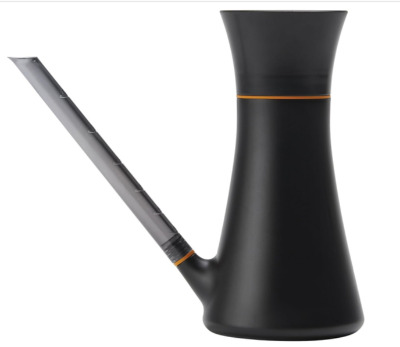
The Fiskars Indoor Watering Can is built with a long reach spout that is meant for precise, controlled pouring. It holds 40 ounces, which is a solid middle-ground size for someone with a handful of medium to large houseplants. The body is made from recycled plastic, giving it a slightly eco-friendly edge over standard plastic cans, and it comes with translucent volume markings on the side so you can actually see how much water is left or how much you just poured.
Best Use Cases
This can shines in homes with several potted plants spread across shelves, windowsills, or plant stands. The long spout makes it simple to water plants that sit behind other pots or tucked into tight corners without knocking leaves around. It also works nicely for larger floor plants like a fiddle leaf fig or a rubber plant that need a steady, generous pour.
Key Features Explained Simply
- Long reach spout: lets you get water right at the base of the plant, even if it is sitting deep on a shelf
- Anti-drip nozzle: stops that annoying trail of water drops after you tip the can back up
- Translucent markings: shows the water level clearly so you are not guessing
- Recycled plastic body: lighter than metal and a bit kinder to the environment
- Ergonomic handle: shaped to sit comfortably in your hand during longer watering rounds
Real-Life Usage Insight
For someone managing ten or more plants scattered around a living room, this can turns watering into a quick, low-stress task rather than a juggling act. The narrow spout tip means you can slide it between leaves without snapping stems, and the anti-drip design really does cut down on those little puddles that usually form on wooden furniture.
Pros
- Long spout reaches tricky, tucked-away pots with ease
- Anti-drip nozzle keeps pours clean
- Volume markings help avoid overwatering
- Lightweight and comfortable during extended use
- Made from recycled material, which is a nice bonus for eco-conscious buyers
Cons
- 40 oz can feel heavy once fully filled, especially for smaller hands
- Plastic build, while sturdy, does not have the same premium feel as metal
- Bigger size may be awkward for very small apartments with limited storage
Performance Discussion
In terms of raw performance, the anti-drip spout is the real star here. A lot of watering cans claim to be drip-free and then betray you the moment you tilt them back. This one holds up fairly well on that front. The flow rate is steady, not too fast, so you get more control over how much water hits the soil at once.
Ease of Use
The handle placement makes it easy to tip and pour at different angles, which helps a ton with plants at different heights. Filling it up is simple thanks to a decently wide opening at the top.
Value for Money
Given the volume, build quality, and drip control, this can offers strong value for anyone managing a mid-size to larger plant collection. It sits in the mid-price range, which feels fair for what you get.
2. GUKJOB Plant Watering Can (35 oz, Stainless Steel, Long Curved Spout)
Product Description
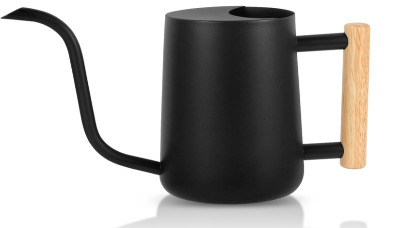
The GUKJOB watering can brings a modern, decorative look to the table. Made from stainless steel with a black finish, it holds 35 ounces and features a long curved spout designed for precision. It is marketed toward indoor plants, bonsai trees, and small outdoor gardens, and honestly, it looks more like a piece of home decor than a basic gardening tool.
Best Use Cases
This one is a great match for bonsai owners and anyone who keeps a small, curated set of indoor plants that need careful, gentle watering. The curved spout is ideal for slow, targeted pours, which bonsai trees and delicate plants really appreciate. It also fits well in modern or minimalist home styles where the can might stay out on a shelf instead of hidden away.
Key Features Explained Simply
- Stainless steel body: sturdy, rust-resistant, and built to last for years
- Long curved spout: gives you a slow, gentle stream perfect for delicate roots
- Compact 35 oz size: light enough to carry around the house without strain
- Sleek black finish: doubles as a decorative piece on a table or shelf
- Balanced handle: keeps the can steady even when it is full
Real-Life Usage Insight
For bonsai lovers or people with a small cluster of succulents and herbs on a kitchen windowsill, this can is a joy to use. The curved spout lets you control the water flow down to a slow trickle, which is exactly what tiny pots need to avoid soil runoff or soggy roots.
Pros
- Stainless steel build feels premium and durable
- Curved spout gives excellent control for slow, careful watering
- Attractive design that works as a decor piece
- Rust-resistant, so it holds up well over time
- Comfortable size for one-handed use
Cons
- 35 oz capacity means more frequent refills for larger plant collections
- Metal body adds a bit of weight compared to plastic cans
- Not the best choice if you need to water many large plants quickly
Performance Discussion
The curved spout performs really well for slow, deliberate pours. Water comes out in a thin, steady stream rather than a rush, which gives you way more control over exactly where the water lands. This is especially useful for plants with sensitive root systems or shallow bonsai trays.
Ease of Use
The handle is well balanced, so even when the can is full, it does not feel awkward to tilt and pour. The opening at the top is a touch narrower than plastic cans, so filling it at the sink takes a little extra care.
Value for Money
Given the stainless steel construction and elegant design, this can offers good value for people who care about both function and style, though it is priced a bit higher than basic plastic options.
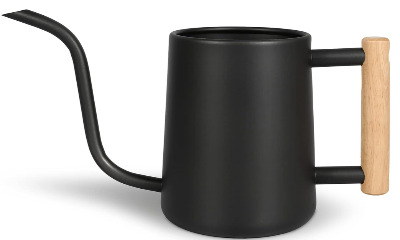
3. Watering Can for Indoor Plants (35 oz / 1000 ml, Metal Stainless Steel, Long Spout)
Product Description
This one is very similar in spirit to the GUKJOB can, also made from stainless steel with a 35 oz or 1000 ml capacity and a long spout built for precision. It is designed with indoor plants, bonsai, outdoor gardens, and flower pots in mind, and it comes in a clean black finish that fits most home styles.
Best Use Cases
This can works well for anyone who wants a reliable, no-fuss metal watering can without paying extra for fancy extras. It suits small to medium indoor plant collections, along with bonsai trays and small flower pots that need a controlled pour rather than a heavy splash.
Key Features Explained Simply
- Metal stainless steel body: solid, long-lasting, and resistant to rust
- Long spout: helps you reach into narrow gaps between pots
- 1000 ml capacity: enough for a handful of medium plants before a refill
- Decorative black design: simple and clean, fits nearly any room
- Sturdy handle: gives a firm, comfortable grip
Real-Life Usage Insight
For someone with a plant shelf holding six to eight small to medium pots, this can handles the job smoothly without needing constant refills. The long spout tip makes it easy to water plants at the back of a shelf without disturbing the ones in front.
Pros
- Durable stainless steel construction
- Long spout offers precise, controlled pouring
- Attractive, simple design that suits most home decor
- Solid weight gives it a sturdy, quality feel
- Great for both indoor and light outdoor use
Cons
- Similar capacity limits to other 35 oz options, meaning more frequent refills for bigger collections
- Slightly heavier than plastic cans when full
- Narrow opening can make refilling from a tap a bit slower
Performance Discussion
The spout delivers a smooth, steady flow with minimal splashing, and the metal build keeps its shape and finish well over repeated use. It performs almost identically to the GUKJOB can in terms of pour control, though the overall shape is a touch more traditional.
Ease of Use
The handle sits comfortably in the hand, and the can tips smoothly without feeling top-heavy, even close to full capacity.
Value for Money
For the price, you get a well-built metal can that should last years, making it a smart pick for anyone who wants durability over the cheapest possible option.
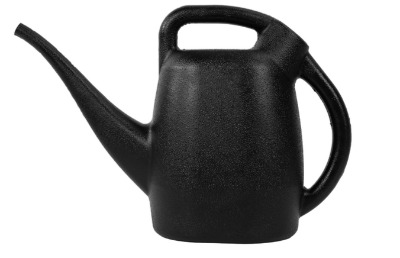
4. Chapin 1/2-Gallon Watering Can (Lightweight Design)
Product Description
The Chapin 1/2-Gallon Watering Can takes a simpler, more practical approach. It is built to be lightweight and easy to carry, with a large opening at the top that makes refilling quick and mess-free. This one leans more toward function over decoration, aimed at people who just want an easy, no-fuss watering experience indoors.
Best Use Cases
This can is a strong pick for larger plant collections or bigger pots that need more water per session. The half-gallon capacity means fewer trips back to the sink, and the wide opening makes it simple to fill up fast between rounds. It also suits people who are watering both indoor and patio plants, since the size and weight work well for both settings.
Key Features Explained Simply
- 1/2-gallon capacity: more water per fill compared to smaller cans
- Lightweight build: easy to lift and pour, even when full
- Large top opening: quick refills straight from the sink or tub
- Controlled pour spout: aims to reduce splashing during use
- Simple, sturdy design: no extra frills, just solid function
Real-Life Usage Insight
If you are watering a mix of larger floor plants like a monstera or a snake plant along with a few smaller pots, this can cuts down on the number of refill trips you need to make. The wide opening also makes it easy to add a splash of liquid fertilizer directly into the can before pouring.
Pros
- Larger capacity means fewer refills
- Lightweight, even at half a gallon
- Wide opening makes filling and mixing plant food simple
- Solid, practical build that holds up well over time
- Great for people who water many plants in one go
Cons
- Spout is not as precise or narrow as the metal long-spout options
- Basic look, so it does not double as a decor piece
- Might pour a bit too fast for very small or delicate plants without careful hand control
Performance Discussion
Where this can really performs well is in sheer efficiency. The bigger capacity paired with the lightweight body means you can water more plants faster without your arm getting tired. The trade-off is precision, since the spout is wider and better suited for a steady pour rather than a slow, careful trickle.
Ease of Use
Filling is fast and mess-free thanks to the wide top opening. The lightweight design also makes it comfortable for people who might struggle with heavier metal cans, including older adults or anyone with wrist or grip issues.
Value for Money
This is one of the more affordable options on this list, and given the larger capacity, it offers strong value for anyone who wants practicality over style.
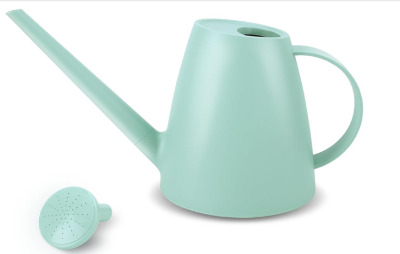
5. 1.8L Watering Can with Detachable Shower Head (Small Plastic, Long Spout)
Product Description
This 1.8 liter (about half a gallon) plastic watering can stands out because of its detachable shower head attachment. It comes with a long spout for direct watering, plus the option to switch to a gentle shower-style spray for seedlings or more delicate greenery. It is designed for indoor plants, houseplants, and small garden flowers.
Best Use Cases
This can is perfect for people who grow a mix of plant types, especially if some of them are young seedlings, herbs, or plants that prefer a light misting rather than a direct pour. It also suits anyone who wants one tool that can handle both precise watering and gentle overhead watering without buying two separate cans.
Key Features Explained Simply
- Detachable shower head: switch between direct pour and gentle shower spray
- Long spout: reaches into tight spaces between pots
- 1.8L capacity: a solid in-between size, not too small, not too bulky
- Lightweight plastic build: easy to carry and maneuver
- Compact design: fits nicely on a small counter or shelf
Real-Life Usage Insight
For someone growing a small herb garden alongside a few houseplants, the shower head attachment is genuinely handy. You can give delicate seedlings a soft overhead rain-like watering, then pop the head off and switch to direct spout watering for bigger pots that need water straight at the soil line.
Pros
- Two watering styles in one tool, which adds real versatility
- Lightweight and easy to handle
- Long spout gives good reach for tucked-away plants
- Compact size fits well in smaller living spaces
- Great for beginners experimenting with different plant types
Cons
- Plastic build is not as durable long term as metal options
- Detachable head can be an extra part to misplace or lose
- Smaller capacity means more frequent refills for larger collections
Performance Discussion
The shower head does a nice job spreading water evenly without blasting the soil, which is great for seedlings and small pots that can be easily disturbed by a strong direct pour. The direct spout mode performs solidly too, though it is not quite as precise as the metal curved-spout cans mentioned earlier.
Ease of Use
Switching between the shower head and direct spout is simple and does not require any tools. The overall lightweight design makes it a comfortable option for daily use, especially for anyone newer to indoor gardening.
Value for Money
Given the added versatility of the two watering modes, this can offers solid value, particularly for people who grow a variety of plant types and want one tool that adapts to different needs.
Comparison Insights
Here is a quick side-by-side look to help things click faster:
| Product | Capacity | Material | Spout Type | Best For |
|---|---|---|---|---|
| Fiskars Indoor Watering Can | 40 oz | Recycled Plastic | Long, anti-drip | Larger plant collections, mixed shelf setups |
| GUKJOB Plant Watering Can | 35 oz | Stainless Steel | Long, curved | Bonsai, delicate small plants, decor lovers |
| Metal Watering Can (35 oz/1000ml) | 35 oz | Stainless Steel | Long | Small to medium collections, durability seekers |
| Chapin 1/2-Gallon Can | 64 oz | Plastic | Wide, controlled | Larger plants, frequent watering sessions |
| 1.8L Can with Shower Head | 1.8L (~60 oz) | Plastic | Long + shower head | Mixed plant types, seedlings, beginners |
A few patterns stand out here. If precision and a slow, gentle pour matter most to you, the two stainless steel options with curved or long spouts are your best bet. If you care more about speed and covering a lot of plants in one go, the Chapin can and the Fiskars can both offer bigger capacities that cut down on refill trips. And if versatility is your top priority, especially if you are growing seedlings alongside mature plants, the 1.8L can with the shower head attachment gives you options the others simply do not.
Material also plays a role in the overall feel and long-term durability. Stainless steel cans tend to last longer and resist wear, but they come with added weight and usually a smaller opening for refills. Plastic cans stay lighter and often have wider openings, making them easier to fill quickly, though they may not hold up quite as well after years of daily use.
Buying Guide: How to Pick the Right One for Your Home
Think About Your Plant Collection Size
If you only have a few plants, a smaller can in the 30 to 40 oz range is plenty. If your collection is growing fast or you already have a dozen or more plants, a bigger can like the Chapin half-gallon option saves you a ton of back-and-forth trips.
Consider the Spout Shape
A long, narrow spout gives you precision and helps water reach the soil directly, especially in crowded plant setups. A wider spout pours faster but with less control, which works fine for bigger pots that are not as fussy about water placement.
Material Preferences
Metal cans generally last longer and have a more polished look, great if you want something that doubles as a decor piece. Plastic cans are lighter, often cheaper, and easier to handle for people with limited hand strength or wrist mobility.
Look at the Opening Size
A wide top opening makes refilling from the sink fast and mess-free. A narrower opening can slow down refills but usually pairs with a more balanced, controlled spout.
Extra Features Worth Considering
Some cans, like the 1.8L option here, come with a detachable shower head for gentle watering on seedlings or delicate leaves. If you grow a mix of plant types, this kind of added flexibility can genuinely make your routine easier.
Who Should Buy These Products
- Beginners with a small plant collection will likely be happiest with the 1.8L can with the shower head, since it offers flexibility while you are still learning what each plant needs.
- Bonsai and delicate plant owners should lean toward the GUKJOB or the similar stainless steel metal can, thanks to their slow, controlled curved spouts.
- People with larger or growing plant collections will get the most out of the Chapin half-gallon can or the Fiskars 40 oz can, both of which reduce how often you need to refill.
- Anyone who wants a can that also looks nice on display should go with one of the stainless steel options, since they double nicely as home decor.
- Those on a tighter budget may find the plastic options, like the Chapin can or the 1.8L shower head can, offer strong value without a big price tag.
Common Mistakes to Avoid When Watering Indoor Plants
- Using a can that pours too fast for small pots. A strong, quick pour can wash soil out of small containers and disturb roots. Slower spouts work better here.
- Overfilling the can and struggling with the weight. A heavier can is harder to control, which often leads to spills. Fill it based on your actual watering needs, not the max capacity every time.
- Watering straight onto leaves instead of soil. This can lead to fungal issues on certain plants. A long, narrow spout helps you aim directly at the base.
- Ignoring drip control. A can that drips after every pour leaves water stains on furniture and shelves over time. Anti-drip designs really do make a difference.
- Sticking with one can for every plant type. Seedlings, bonsai, and large floor plants all have different watering needs. A can with adjustable features, like a detachable shower head, can solve this without buying multiple tools.
- Skipping the volume markings. Guessing how much water you are giving each plant is a common cause of overwatering. Cans with clear markings help you stay consistent.
Final Verdict
All five of these watering cans do a solid job, but each one leans toward a different kind of plant parent.
If you want an all-around reliable option with strong drip control and a good size for a growing collection, the Fiskars Indoor Watering Can stands out as a smart pick. For anyone focused on bonsai trees or delicate small plants that need a slow, careful pour, the GUKJOB Stainless Steel Can and the similar 35 oz Metal Watering Can both perform beautifully, with the metal build adding long-term durability and a decorative touch. If your priority is efficiency and watering a large number of plants without constant refills, the Chapin 1/2-Gallon Can is hard to beat thanks to its lightweight, practical design. And for beginners or anyone growing a mix of seedlings and mature plants, the 1.8L Can with Detachable Shower Head offers the kind of flexibility that makes daily care simpler.
There is no single best watering can for indoor plants that works for absolutely everyone, since it really comes down to your plant collection, your space, and how hands-on you like to be with your watering routine. But based on everything covered here, you now have a clear, honest breakdown to match the right can with your own indoor garden setup.
Take a moment to think about how many plants you have, how much control you want over each pour, and whether style matters to you as much as function. Once you settle on those answers, picking the right can from this list should feel simple and stress-free.
Hi, I’m Mary, the founder of GardenCure.com. I’m passionate about creating healthy, beautiful gardens and well-kept lawns. I share practical experience and trusted advice on garden and lawn gear that truly works. With the support of my dedicated research team, our writers produce honest, in-depth reviews using reliable, authentic sources—helping you choose the right tools with confidence for your outdoor space.