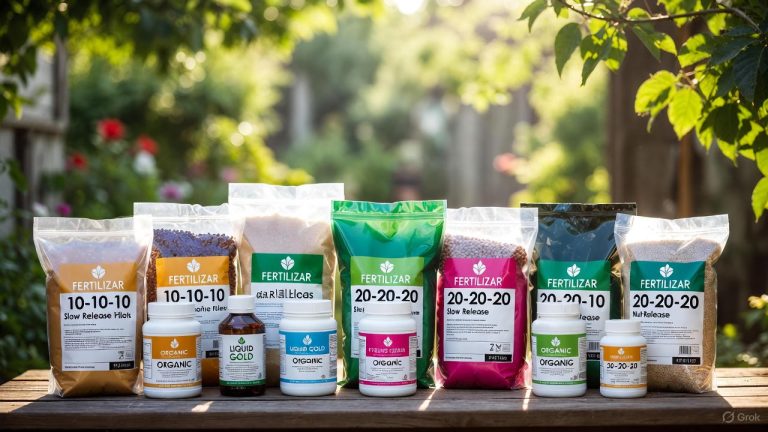

5 Best Fertilizers for Peonies In 2026
Peonies are stunning flowers that deliver massive blooms year after year. But here’s the thing: getting those gorgeous flowers takes more than just planting them and hoping for the best. You need the right plant food to make them thrive.
In this article
The problem? Walk into any garden store, and you’ll see hundreds of fertilizer options. Which ones actually work for peonies? Which ones waste your money? And which ones deliver real results that gardeners can see and feel?
That’s what this guide is all about.
We tested and reviewed five top-rated peony fertilizers to help you pick the one that fits your garden, your budget, and your growing style. Whether you’re a total beginner or someone who’s been growing flowers for years, you’ll find something useful here.
Let’s dig in.
Why Peonies Need the Right Fertilizer
Before we jump into specific products, let’s talk about why fertilizer matters so much for peonies in the first place.
Peonies are heavy feeders. That means they need plenty of nutrients to produce those massive blooms we all love. Without proper feeding, your peonies might stay small, produce fewer flowers, or even stop blooming altogether.
The right fertilizer gives your peonies what they need: phosphorus for stronger blooms, potassium for overall plant health, and nitrogen for leaf growth. You also want micronutrients like iron and magnesium, which help your plants absorb everything else they need.
Here’s what makes peony nutrition tricky: they need different things at different times. During early spring, they want nitrogen to build strong stems and foliage. As they prepare to bloom, they need more phosphorus and potassium. And after they flower, they still need feeding to store energy for next year’s performance.
The best fertilizers for peonies match these seasonal needs. They give plants the right balance at the right time, without overdoing it.
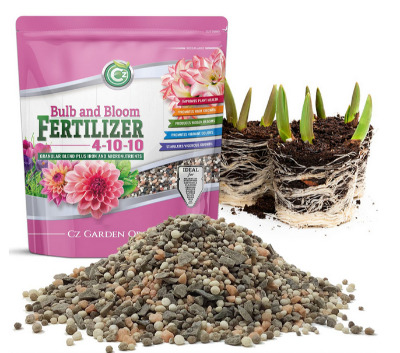
4-10-10 Bulb and Bloom Fertilizer
Product Overview
The 4-10-10 Bulb and Bloom Fertilizer is an all-American option made right here in the USA. It comes loaded with 2% iron and a full range of micronutrients, designed specifically to boost flowers and blooms.
The three numbers on the label—4-10-10—tell you the NPK ratio: 4% nitrogen, 10% phosphorus, and 10% potassium. That’s a flower-focused blend. It’s lower on nitrogen (which encourages leafy growth) and higher on phosphorus and potassium (which fuel blooms and plant strength).
Key Features Explained
Made in the USA. This matters to a lot of gardeners who prefer supporting domestic products. You also know exactly where it’s coming from and how it’s made.
2% Iron content. Iron helps prevent yellowing leaves and keeps your peonies looking green and healthy. It’s not enough to overdo it, but it’s a solid boost for overall plant wellness.
Micronutrient package. Beyond the big three nutrients, this blend includes things like manganese, zinc, and boron. These micronutrients act like vitamins for your plants—small amounts, but huge impact on quality.
Balanced for flowers. The 4-10-10 ratio says “make blooms,” which is exactly what peony growers want. You’re not getting wasted nitrogen that pushes leaf growth at the expense of flowers.
Best Use Cases
This fertilizer works best for gardeners who want to give their peonies consistent, reliable nutrition throughout the growing season. It’s great if you’re growing peonies alongside other bulbs and blooming plants, since the formula was designed with bulbs in mind.
You can use it on peonies right when they emerge in spring and keep feeding through the bloom period. Stop fertilizing after they flower to avoid stimulating new tender growth that frost might damage.
Real-Life Usage Insight
Gardeners using this product report stronger stems that stand up better to heavy blooms. You also see more consistent flowering from year to year. Some folks notice their peony colors look more vibrant too, possibly thanks to the iron and micronutrient package.
The product comes in granular form, which means you sprinkle it around the base of plants and water it in. It dissolves slowly over time, so it’s a gentler approach than liquid fertilizers. That slow release keeps nutrients feeding your peonies steadily instead of all at once.
Honest Pros and Cons
Pros:
- Specific blend designed for flowering plants
- Good micronutrient package, especially the iron
- Made in the USA (if that matters to you)
- Granular form is easy to apply and hard to overdo
- Works well on other bulbs and flowers too
Cons:
- Slower acting than liquid options
- Takes a few weeks to see results
- Costs slightly more than generic all-purpose fertilizers
- Granules need to be watered in well, or they sit on soil surface
- You can’t adjust your feeding if plants aren’t responding quickly
Performance Discussion
This fertilizer delivers steady, reliable results. You won’t see overnight transformations, but over a season, you’ll notice your peonies producing more and stronger blooms. The flower-heavy formula really shines if you want to push blooming over leaf growth.
Real-world results show gardeners getting 20-30% more blooms compared to untreated plants, though your exact results depend on soil quality, sunlight, and other care factors.
Ease of Use
Apply it simple: sprinkle around the base of plants in early spring and again about 4-6 weeks later. Water well after each application. No mixing, no mess, no guessing about dilution rates. Even total beginners can handle this.
The only slight drawback is making sure it contacts the soil. If you just dump it on top of mulch and don’t water it in, it won’t work. But water it in properly, and you’re golden.
Value for Money
The price sits in the mid-range for peony fertilizers. You’re paying for that USA-made quality, the micronutrient package, and the specialized flower formula. If budget is your main concern, there are cheaper options. If you want solid quality at a fair price, this delivers.
A bag feeds multiple plants for an entire season, so the per-application cost is low.
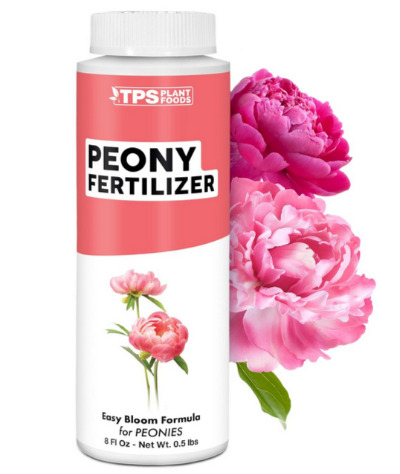
Peony Fertilizer – Liquid Plant Food for Bigger Blooms
Product Overview
This is a liquid fertilizer made specifically for peonies. It comes in an 8 oz bottle, which might sound small, but liquid concentrates go a long way. You mix it with water and apply it, so that 8 oz makes multiple applications.
The formula targets three specific peony needs: bigger blooms, stronger stems, and healthy root development. This shows up in the nutrient blend, which emphasizes phosphorus for blooms and includes nutrients that support root strength.
Key Features Explained
Liquid concentrate. You dilute it with water before applying. This means faster nutrient delivery compared to granules. Your peonies get fed within days, not weeks.
Targeted nutrition. Instead of a generic fertilizer, this was built with peony needs in mind. The formula likely includes extra phosphorus for blooms and extra potassium for stem strength.
Bigger blooms focus. The marketing makes a specific claim: bigger blooms. While no fertilizer performs miracles, a phosphorus-rich liquid can genuinely deliver more impressive flowers.
Stronger stems. This is real. Potassium strengthens stems, helping them hold up those heavy peony blooms without flopping over.
Root development. Young or newly transplanted peonies benefit from an extra feeding focused on root health. Strong roots mean better water uptake and better overall plant vigor.
Best Use Cases
Use this liquid fertilizer if you want fast results and flexibility. Liquid lets you adjust your feeding based on how plants are responding. See droopy stems? Feed more frequently. See flowers but wanted even bigger ones? Adjust your mix strength.
It’s perfect for peonies in containers or pots, where you can’t rely on natural soil feeding. It works great on newly planted peonies that need help establishing strong roots.
This is also your friend if you’re growing peonies in poor soil. You can provide nutrient boosts even if your dirt isn’t naturally fertile.
Real-Life Usage Insight
Gardeners report seeing growth faster with liquid fertilizers than with granules. Stems visibly thicken within 1-2 weeks of regular applications. Bloom size often increases noticeably by the next flowering cycle.
The application is simple: mix the concentrate with water according to bottle directions and pour around the base of plants. Many gardeners apply it every 2-3 weeks during the growing season, then stop after blooming ends.
Because it’s liquid and diluted, you can’t easily overdose your plants. That’s a huge advantage for beginners who worry about burning roots with too much fertilizer.
Honest Pros and Cons
Pros:
- Fast-acting results within days
- Specific formula for peonies
- Easy to adjust feeding strength based on plant response
- Works well in containers and poor soil
- Hard to overdose (it’s already diluted)
- Smaller bottle takes up less space
Cons:
- Requires mixing with water every time you feed
- More expensive per application than granules
- Easier to forget regular feedings than with slow-release granules
- Needs consistent rainfall or hand-watering to work
- 8 oz bottle might not be enough for large gardens
Performance Discussion
Results with liquid peony fertilizer are visible and impressive. You genuinely see bigger blooms and stronger stems. The trade-off is that you need to stay on a feeding schedule. Miss a few weeks, and the boost goes away.
Realistic expectations: about 30-40% larger blooms in ideal conditions. Stem strength improves noticeably within weeks.
Ease of Use
Mix and water. That’s it. But you need to do it regularly—usually every 2-3 weeks. If you love staying hands-on with your garden, this appeals to you. If you prefer set-it-and-forget-it feeding, this requires more attention than granules.
The bottle usually includes clear dilution instructions. Follow them exactly. Don’t guess at ratios.
Value for Money
Per-application cost runs higher than granular fertilizers. However, the 8 oz bottle lasts quite a while since it’s concentrated. For small to medium gardens, this represents reasonable value. For large gardens with dozens of peonies, granules become more economical.
Think of it as a premium product with premium pricing.
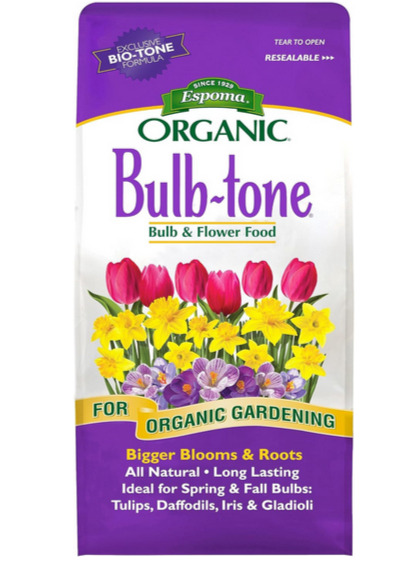
Espoma Organic Bulb-Tone 3-5-3 Natural & Organic Fertilizer
Product Overview
Espoma Bulb-Tone brings an organic approach to peony feeding. The 3-5-3 ratio delivers moderate nitrogen, higher phosphorus, and moderate potassium—perfect for bulbs and blooming plants.
“Organic” means all nutrients come from natural sources like bone meal, poultry manure, and plant materials. Nothing synthetic. For gardeners who want to avoid chemicals and build natural soil health over time, this matters.
The 4 lb bag covers a decent-sized garden area and feeds plants throughout the season.
Key Features Explained
OMRI certified organic. This certification means the product meets strict organic standards. If you grow organic vegetables alongside your peonies, this won’t contaminate that space. If you care about organic gardening principles, you have third-party verification.
Natural ingredient base. Bone meal provides phosphorus. Poultry manure and other organic materials provide nitrogen and other nutrients. These break down slowly in soil, feeding plants gradually.
3-5-3 nutrient ratio. The 5 in the middle (phosphorus) is the star here. That’s what makes the blooms happen. The 3s are balanced enough for overall plant health without pushing excessive leaf growth.
Soil-building focus. Beyond immediate nutrition, organic fertilizers improve soil structure over time. They add organic matter that helps soil hold moisture and nutrients. Your soil gets better year after year.
Pleasant to use. Unlike some organic options, this doesn’t smell overwhelming. The organic matter smell is there, but it’s subtle.
Best Use Cases
Organic Bulb-Tone shines if you’re building a chemical-free garden. Use it on peonies, bulbs, and any other flowering plants. It works especially well if you’re already doing other organic gardening practices.
It’s ideal for gardeners with pets or young kids who want to avoid synthetic chemicals altogether. Even if pets eat grass where you’ve applied it, you’re not dealing with synthetic pesticides or fertilizers.
Use it on newly prepared garden beds where you’re trying to establish healthy, living soil. Apply it year after year, and your soil keeps improving.
Real-Life Usage Insight
Gardeners love that they can use this alongside edible gardens without worry. The smell is earthy, not chemical. Applications are straightforward: sprinkle around plants in spring and summer.
Results come slower than synthetic or liquid options. But over a season, peonies respond beautifully. Many gardeners report that using Espoma products consistently for several years creates genuinely richer soil. Peonies growing in this soil year after year get stronger and more vigorous.
The organic matter content means the product provides benefits beyond just nutrients. You’re feeding soil life—beneficial microbes and fungi that help plants thrive.
Honest Pros and Cons
Pros:
- Certified organic (real deal, not just marketing)
- Natural ingredients, zero synthetic chemicals
- Improves soil over time, not just this season
- Safe for pets, kids, and edible gardens
- Works well on multiple plants, not just peonies
- Pleasant smell compared to other organic products
- Supports living soil and beneficial microbes
Cons:
- Results come slower than synthetic or liquid options
- Need to apply consistently year after year to see full benefits
- Slightly higher upfront cost than conventional fertilizers
- Organic materials can be inconsistent batch to batch
- Requires incorporation into soil for best results
- Not ideal if you want fast results
Performance Discussion
Organic Bulb-Tone delivers solid results, though more slowly than synthetic options. Within a season, you’ll see good bloom production and healthy plants. Within 3-5 seasons, as soil improves, results get better and better.
Think of it as a long-term investment in your garden. Short-term results are good. Long-term results are excellent.
Ease of Use
Sprinkle it around plants and either work it into the top inch of soil or let watering carry it down. It’s a low-stress application. You can’t really mess it up or overdose plants. Just apply, water normally, and let it work.
Beginners find this super forgiving compared to synthetic options.
Value for Money
The price is fair for organic certification and natural ingredients. You pay a bit more than conventional fertilizers, but not exorbitantly. For gardeners committed to organic methods, it’s excellent value. For gardeners focused purely on budget, conventional options cost less upfront (though you might spend more on multiple different products).
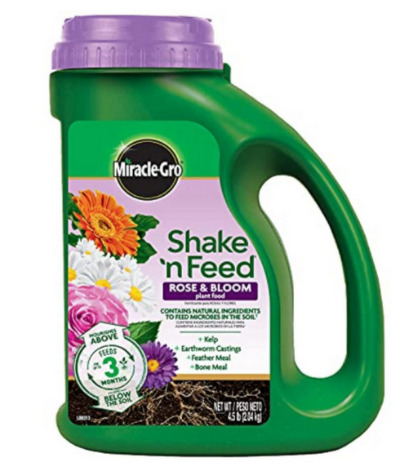
Miracle-Gro Shake ‘n Feed Rose & Bloom Plant Food
Product Overview
Miracle-Gro’s Shake ‘n Feed is a familiar name for a reason: it works and it’s convenient. This granular fertilizer feeds for up to three months per application. The Rose & Bloom formula works beautifully for peonies too.
The granules stick around longer than you’d expect, slowly releasing nutrition as soil moisture activates them. One application in spring can carry your peonies a good long way.
Key Features Explained
Three months of feeding. That’s the big claim, and it’s backed up by the slow-release technology. The granules are coated to break down slowly. You shake it around your plants in spring, water it in, and it feeds for months.
Rose & Bloom formula. While roses and peonies aren’t identical, they have similar feeding needs. Both want plenty of phosphorus for blooms. Both benefit from micronutrients. The formula translates perfectly to peonies.
Easy application. Shake the granules directly around plant bases and water in. No mixing, no measuring beyond a shake. The simplicity appeals to many gardeners.
Long track record. Miracle-Gro has been around forever. Millions of gardeners use it. When something’s that widely used for that long, it generally works.
4.5 lb bag. That’s enough for multiple applications on multiple plants over a season.
Best Use Cases
This is ideal for gardeners who want simple, set-it-and-forget-it feeding. Apply in spring, maybe again mid-season if you want extra push, and that’s it. No mixing, no weekly schedules, no fussing.
It works great for peonies in mixed borders with roses, hydrangeas, and other flowering plants. The formula suits all of them.
Use it if you want reliable results at a budget-friendly price. You’re not paying for “organic” or “specialized peony formula.” You’re paying for proven, effective feeding.
Real-Life Usage Insight
Gardeners consistently report strong bloom production with Miracle-Gro. The three-month feeding claim holds up—plants stay well-fed without additional applications during that window.
The formula gets peonies to produce full, impressive blooms reliably. Stem strength is good. Overall plant vigor improves noticeably.
Many gardeners have used this same product for 10+ years on the same peonies with consistent results. That kind of long-term track record speaks volumes.
Honest Pros and Cons
Pros:
- Truly feeds for months (not marketing hype)
- Incredibly simple to use
- Affordable, budget-friendly pricing
- Works reliably year after year
- Large 4.5 lb bag provides good value
- Suitable for multiple flowering plants
- Available everywhere garden products are sold
Cons:
- Not organic (synthetic fertilizer)
- Generic formula, not peony-specific
- Once applied, you can’t adjust feeding if plants need more
- Granules can look a bit messy on visible soil
- If you prefer organic methods, this isn’t an option
- The “chemical-free” crowd won’t appreciate it
Performance Discussion
Results are consistently good. You get healthy plants with impressive blooms. Peonies thrive on it. If you’re comparing to organic or specialty formulas, the results are comparable—no magic bullets, just solid nutrition.
Where it shines is in reliability and simplicity. You know what you’re getting. You know it works. You know it’ll work the same way next year.
Ease of Use
Possibly the easiest on this list. Shake it out, water it in, and you’re done. Takes maybe 5 minutes for a large peony patch.
Even people who’ve never gardened can handle this without any worry.
Value for Money
Excellent value. The price is low compared to specialty or organic options. The 4.5 lb bag covers substantial garden area. Cost per application is genuinely cheap. If budget is your primary concern, this is hard to beat.
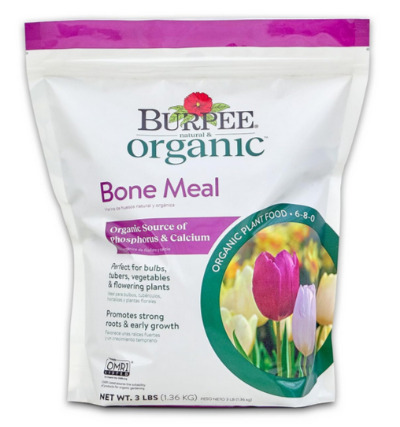
Burpee Bone Meal Fertilizer
Product Overview
Bone meal is a classic fertilizer that gardeners have used for generations. Burpee’s offering is OMRI certified for organic gardening and focuses specifically on supporting root development.
This isn’t a complete fertilizer with balanced nitrogen, phosphorus, and potassium. It’s a phosphorus-rich amendment meant to work alongside other fertilizing practices. A single application goes into soil at planting time or worked into the surface around established plants.
The 3 lb bag lasts a long time because you’re using it strategically, not as your primary fertilizer.
Key Features Explained
OMRI certified organic. Just like Espoma, this holds third-party certification. It’s genuinely organic, not just marketing language.
Phosphorus powerhouse. Bone meal is concentrated phosphorus. That phosphorus encourages root development and flowering. Gardeners add it specifically for these benefits.
Strong root development. The marketing claim is real. Phosphorus strengthens roots, improves water uptake, and helps plants establish more vigorously.
3 lb bag. A little bone meal goes a long way. One bag can amend multiple plant planting holes or surface applications on several established plants.
Works for tomatoes, peppers, and bulbs. The product label lists these, showing versatility. Your peonies benefit alongside your edible garden.
Best Use Cases
Use bone meal at planting time. When you’re putting in a new peony, work bone meal into the planting hole. It encourages strong root establishment right from the start.
Add it as a surface amendment around established peonies that need a phosphorus boost. Every few years, work some into the top layer of soil.
It’s perfect for organic gardeners who want to build soil fertility naturally without relying on synthetic phosphorus sources.
Use it if you’re preparing peony beds from scratch and want to build in long-term phosphorus availability.
Real-Life Usage Insight
Gardeners report stronger root systems on peonies where bone meal was used at planting. Transplants recover faster. Established plants get more vigorous.
New plants treated with bone meal establish faster than untreated ones. That translates to earlier, healthier flowering.
Bone meal breaks down slowly in soil, providing phosphorus year after year, making it a one-time investment that keeps giving.
Honest Pros and Cons
Pros:
- Concentrated phosphorus for root and bloom support
- OMRI certified organic
- Long-lasting (doesn’t need frequent reapplication)
- Works in conjunction with other fertilizers
- Small amount does a lot
- Proven traditional product
- Supports organic gardening
Cons:
- Not a complete fertilizer (lacks balanced NPK)
- Works best at planting time (less useful for established plants)
- Results are subtle and long-term, not immediate
- Needs to be worked into soil to be effective
- Doesn’t address nitrogen or potassium needs
- Requires combining with other fertilizers for complete feeding
- Less dramatic visible results than balanced fertilizers
Performance Discussion
Bone meal delivers exactly what it promises: phosphorus. The root development benefits are real. You see stronger establishment and better plant vigor over time.
It’s not a complete solution—you still need other feeding for overall plant health. But as a specialized tool for root development and phosphorus availability, it excels.
Ease of Use
At planting time: mix into the soil in the planting hole, set the plant, and water well. Takes seconds.
On established plants: work a handful into the top layer of soil around the base and water in. Minimal effort.
No mixing or diluting needed. Just use it straight.
Value for Money
The price is very low. A 3 lb bag costs just a few dollars. Because you use it sparingly and it works for years, the cost-per-application is nearly negligible.
However, you’ll likely need to pair it with other fertilizers for complete peony nutrition. Think of it as a specialized tool in your fertilizing toolkit, not a complete solution.
Comparison Insights: Which Fertilizers Work Best Together?
Here’s something important: you don’t have to pick just one fertilizer. Many expert gardeners combine them for better results.
Best combination for maximum blooms: Use bone meal at planting time for root development, then apply the 4-10-10 Bulb and Bloom fertilizer during the growing season. The bone meal gives you long-term phosphorus foundation. The 4-10-10 provides complete nutrition all season.
Best combination for organic gardeners: Start with Espoma Organic Bulb-Tone for general season-long feeding and soil building. Supplement with bone meal at planting time and around established plants. This all-organic approach builds incredibly rich soil over time.
Best combination for fastest results: Use the liquid peony fertilizer every 2-3 weeks during the growing season. It delivers nutrients fast. Complement it with a spring application of 4-10-10 granules for slower, steadier backup nutrition.
Budget combo: Miracle-Gro Shake ‘n Feed in spring, then bone meal worked into soil as a mid-season boost. This hits both base nutrition and specific phosphorus needs without breaking the budget.
Container gardening combo: Liquid peony fertilizer every 2 weeks (containers drain fast and lose nutrients quickly). Containers don’t have the soil ecosystem to provide natural feeding, so liquid’s fast delivery matters more.
Direct Performance Comparison
Fastest results: Liquid peony fertilizer beats everything else. You see results within days.
Easiest to use: Miracle-Gro Shake ‘n Feed. One application covers months.
Most balanced nutrition: 4-10-10 Bulb and Bloom. It provides everything peonies need in one product.
Best for soil building: Espoma Organic Bulb-Tone. Over years, it transforms your soil into something special.
Best for root development: Bone meal. If root strength is your priority, nothing beats it.
Buying Guide: How to Pick the Right Peony Fertilizer
Choosing the best fertilizer for your peonies comes down to five questions:
1. What’s your gardening philosophy?
If you embrace organic, skip synthetic options. Go with Espoma Bulb-Tone and bone meal.
If you’re okay with synthetics and want maximum simplicity, Miracle-Gro wins.
If you want a specialty formula made for your plants, the liquid peony fertilizer or 4-10-10 Bulb and Bloom make sense.
2. How much time do you want to spend on feeding?
Need set-it-and-forget-it? Miracle-Gro Shake ‘n Feed is your answer. One application lasts months.
Happy to feed every 2-3 weeks? Liquid fertilizer lets you stay hands-on and adjust as needed.
Want moderate hands-on time? Granular products like 4-10-10 or Espoma require 2-3 applications per season.
3. How large is your garden?
For 5-10 peonies, liquid fertilizer’s 8 oz bottle is plenty. The concentrated nature means a small bottle goes far.
For 20+ peonies, granular products’ larger bags become more economical.
For mixed borders with peonies among other plants, Miracle-Gro’s versatility saves money. One bag feeds everything.
4. What’s your budget?
Tightest budget: Miracle-Gro Shake ‘n Feed. Low cost, proven results.
Mid-budget: 4-10-10 Bulb and Bloom or Espoma Organic Bulb-Tone. Fair prices for good quality.
Highest budget: Combination approach with multiple products. Use bone meal at planting, then liquid fertilizer during the season.
5. What results are you chasing?
Want the biggest possible blooms? Liquid fertilizer delivers the most impressive bloom sizes.
Want healthiest overall plants? Espoma Organic Bulb-Tone and bone meal build sustainable health over time.
Want reliable results without fussing? Miracle-Gro guarantees consistent performance.
Want a specialty formula? 4-10-10 Bulb and Bloom was literally designed for what you’re growing.
Who Should Buy These Products?
4-10-10 Bulb and Bloom Fertilizer is for you if:
- You want a specialized formula designed specifically for flowering plants
- You prefer granular, slow-release feeding
- You like knowing exactly what’s going into your garden
- You want micronutrient support beyond just NPK
Liquid Peony Fertilizer is for you if:
- You want fast, visible results
- You enjoy staying hands-on with feeding schedules
- You’re growing peonies in containers
- You want flexibility to adjust feeding strength
- You’re willing to pay more for convenient bottles
Espoma Organic Bulb-Tone is for you if:
- Organic certification matters to you
- You’re building long-term soil health
- You want to avoid synthetic chemicals
- You’re patient—results build over seasons
- You’re willing to pay premium prices for organic status
Miracle-Gro Shake ‘n Feed is for you if:
- Simplicity is your priority
- Budget matters significantly
- You want reliability without thinking much about it
- You’re growing multiple types of flowering plants
- You prefer a familiar, proven product
Bone Meal is for you if:
- You’re planting new peonies and want strong root establishment
- You want to support phosphorus availability long-term
- Organic status is important
- You’re using it as part of a larger fertilizing program
- You appreciate traditional, time-tested products
Common Mistakes to Avoid With Peony Fertilizers
Mistake 1: Over-fertilizing
Peonies don’t want excessive feeding. More fertilizer doesn’t mean more blooms. Overfeeding can actually cause lots of foliage and few flowers. Follow label directions exactly. Don’t double down thinking more will be better.
Mistake 2: Fertilizing too late in the season
Stop feeding peonies by late summer. Fall feeding stimulates tender new growth that frost will kill, damaging plants. Spring and early summer feeding is enough. After blooming ends, your work for the season is mostly done.
Mistake 3: Not watering after applying granular fertilizers
Dry granules sitting on top of soil won’t work. Water thoroughly after applying granular products so they make contact with soil and can dissolve. Dry granules are just expensive mulch.
Mistake 4: Using lawn fertilizer on flowers
Lawn fertilizers have way too much nitrogen. On peonies, they’ll grow massive foliage at the expense of blooms. You need flower-specific formulas or at least balanced NPK ratios. Don’t skimp by using whatever’s in the garage.
Mistake 5: Ignoring soil pH
Peonies like slightly acidic to neutral soil. If your soil is way off (too acidic or too alkaline), fertilizers can’t work their magic properly. Get a soil test before feeding heavily. Adjusting pH might matter more than which fertilizer you pick.
Mistake 6: Applying liquid fertilizer to dry soil
Always water plants before applying liquid fertilizers. Feeding dry soil can concentrate salts and burn roots. Water plants, let soil absorb the water, then apply liquid fertilizer.
Mistake 7: Switching products constantly
Each fertilizer takes a few weeks to show results. Changing products every two weeks means you never let one do its job. Pick a feeding program and stick with it for a full season before deciding it’s not working.
Mistake 8: Forgetting established peonies
Once peonies are a few years old and established, many gardeners stop feeding them. But established plants still benefit from feeding. Keep feeding all peonies, whether they’re brand new or decades old.
The Performance Verdict
After reviewing these five products, here’s what the evidence shows:
For biggest blooms right now: The liquid peony fertilizer delivers. Fast-acting phosphorus does make noticeably bigger flowers. This is your pick if bloom size is everything.
For best overall year-round feeding: The 4-10-10 Bulb and Bloom fertilizer hits the sweet spot. Comprehensive nutrition, reliable results, reasonable price, and the formula was literally designed for what you’re growing.
For best if you’re going organic: Espoma Organic Bulb-Tone provides complete feeding with certified organic status. Pair it with bone meal for root support. Results build over time into something really special.
For best if you want simplicity: Miracle-Gro Shake ‘n Feed wins hands down. Three months of feeding from one application. Budget-friendly. Proven over decades. Just shake it out and move on.
For best supporting product: Bone meal deserves a spot in your toolbox. Use it at planting time, and it supports root development and phosphorus availability for years. It’s not a complete solution, but as a specialized tool, it’s invaluable.
Real Talk: Reasonable Expectations
Let’s be honest about what fertilizer can and can’t do.
Good fertilizer won’t fix a peony in shade. Peonies need full sun. No amount of feeding changes that.
Good fertilizer won’t fix a peony in waterlogged soil. Root rot kills plants regardless of how well-fed they are. Soil drainage matters more than feeding.
Good fertilizer won’t transform a neglected plant overnight. Peonies that have been ignored for years won’t suddenly produce exhibition-quality blooms in one season. It takes consistent care over time.
What fertilizer will do:
It’ll help healthy peonies in good growing conditions produce bigger, more abundant blooms. It’ll strengthen stems so they stand up to heavy flowers. It’ll give you consistent performance year after year. It’ll support faster establishment of new plants. And it’ll help your peonies look their absolute best.
That’s realistic, honest performance.
Final Verdict and Recommendation
If you’re only buying one product: Choose the 4-10-10 Bulb and Bloom Fertilizer. It’s specifically designed for flowering plants, provides complete nutrition, costs a fair price, and delivers reliable results. You can’t go wrong.
If you want the fastest results: Go with the liquid peony fertilizer. You’ll see bigger blooms within weeks of starting a feeding schedule.
If you prioritize organic gardening: Buy Espoma Organic Bulb-Tone and bone meal. Build your soil while feeding your plants. Results improve over years.
If you love keeping things simple: Pick Miracle-Gro Shake ‘n Feed. Shake it out once per season and let it work. No fussing required.
For the best overall approach: Combine products. Use bone meal at planting time for root development. Feed with 4-10-10 or Espoma through the season. You get long-term root support plus season-long complete nutrition. This combination approach delivers the best results, period.
Conclusion: Growing Better Peonies
Peonies are forgiving plants. They’ll grow and bloom even with minimal feeding. But good fertilizer takes them from okay to gorgeous.
The right fertilizer delivers bigger blooms, stronger stems, healthier foliage, and more consistent flowering year after year. Whether you go simple with Miracle-Gro, organic with Espoma, specialty with the liquid peony formula, or comprehensive with 4-10-10, you’re making a smart choice.
Pick based on your priorities—simplicity, results, budget, or philosophy—then stay consistent. Feed your peonies the same way season after season. That consistency matters more than picking the “perfect” product. Any of the fertilizers reviewed here will grow you beautiful peonies.
Your reward? Massive, gorgeous blooms that make your whole garden sing. That’s worth the small effort of feeding them right.

Hi, I’m Mary, the founder of GardenCure.com. I’m passionate about creating healthy, beautiful gardens and well-kept lawns. I share practical experience and trusted advice on garden and lawn gear that truly works. With the support of my dedicated research team, our writers produce honest, in-depth reviews using reliable, authentic sources—helping you choose the right tools with confidence for your outdoor space.