How to Fertilize Azaleas?
Azaleas are some of the most beautiful flowering shrubs you can grow. Their bright blooms light up any garden. But getting those gorgeous flowers takes more than just planting and watering. Feeding your azaleas the right nutrients is essential. The good news? It’s not hard at all. This guide will walk you through everything you need to know about azalea fertilization.
In this article
Why Your Azaleas Need Food
Plants need food just like we do. Without proper nutrition, your azaleas won’t bloom as well. They might look weak or pale. Fertilizing gives your plants the energy they need to produce those stunning flowers you love.
Azaleas are hungry plants. They grow fast and flower heavily. This takes a lot of energy. When you fertilize regularly, your plants stay healthy and strong. Your blooms will be bigger, brighter, and last longer.
Think of fertilizer as a multi-vitamin for your garden. It keeps everything running smoothly.
Understanding What Azaleas Really Need
Azaleas have specific tastes. They like acidic soil. The pH should be between 4.5 and 6.0. This is pretty acidic compared to most plants. Your soil probably isn’t naturally this acidic unless you live in an area with lots of rain.
Here’s what makes azaleas different. They don’t like too much nitrogen. Too much nitrogen pushes green growth but stops flowering. You want blooms, not just leaves. That’s why choosing the right fertilizer matters so much.
The three numbers on any fertilizer bag tell you a lot. They show nitrogen, phosphorus, and potassium. For azaleas, you want low nitrogen. Look for something like 10-8-6 or similar ratios. The first number should be the lowest.
Azaleas also need micronutrients. Iron, manganese, and zinc are important. These help with color and plant vigor. Many general fertilizers don’t have enough of these. That’s why azalea-specific products work so well.
The Best Time to Feed Your Azaleas
Timing is everything with azalea fertilization. Feed your plants at the right time, and they’ll reward you with tons of flowers.
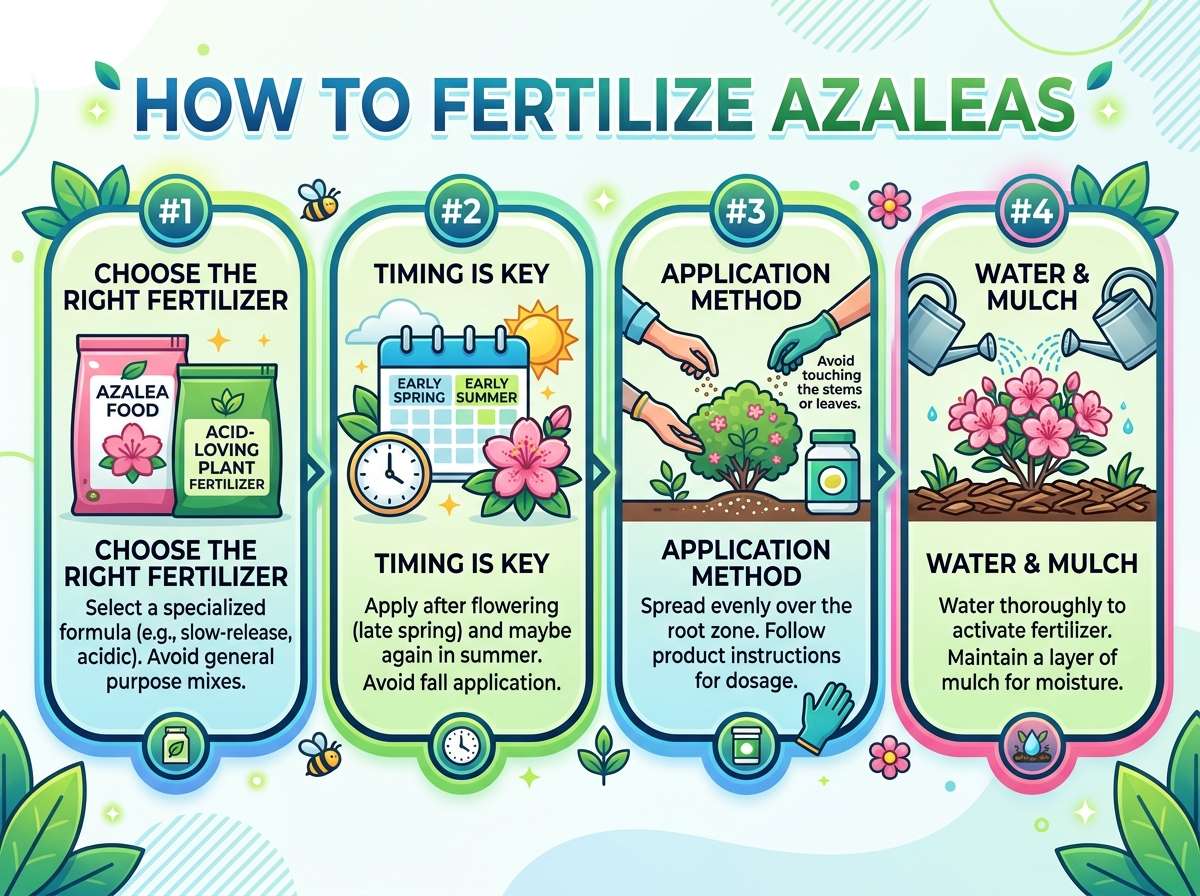
Start feeding in early spring. That’s when new growth starts. This spring feeding gets plants ready for blooming. It gives them the fuel they need to produce all those flower buds.
Stop fertilizing after blooming is done. Once flowers fade, cut back on feeding. Your plant is done with its main effort for the season. Extra fertilizer now just encourages green growth that won’t harden off before winter.
The worst thing you can do is fertilize in late summer or fall. This pushes tender new growth that freezes when cold weather arrives. Your plant could die from frost damage.
A good rule of thumb: feed in spring, stop by early summer. This timing works everywhere. It matches how azaleas naturally want to grow.
Choosing the Right Fertilizer Type
You have several options when it comes to feeding your azaleas. Each type works differently.
Granular Fertilizers
Granular products come as small pellets. You sprinkle them on the soil around your plant. They release slowly over time. Water triggers the release. This steady feeding works great for azaleas.
The benefits are real. One application lasts weeks. You don’t have to remember to feed as often. Granular products are affordable. You get good results without breaking the bank.
Apply granular fertilizer in early spring. Follow package directions for amounts. Usually, you’ll use about a cup per mature plant. Spread it evenly around the base. Keep it a few inches away from the stem. Water it in well.
Liquid Fertilizers
Liquid products mix with water. You can use a watering can or a hose attachment. The nutrients get to the roots fast. Your plant responds quickly. This is great if your azalea looks hungry and weak.
Liquid fertilizers work faster than granular types. But they don’t last as long. You need to apply them more often. Usually every two to four weeks during the growing season.
The downside? You can’t just set it and forget it. You have to remember to apply it regularly. Some gardeners love this because they can adjust feeding based on plant response.
Water-Soluble Powders
These powders mix completely with water. They’re similar to liquids but come dry. They’re great for azaleas because you control exactly how strong the solution is.
Mix according to directions. Usually, one teaspoon per gallon of water works. Water your plant thoroughly. The nutrients soak right to the roots. It’s simple and effective.
Water-soluble products last only a week or two. You’ll need to reapply regularly. But this lets you be precise with feeding.
Slow-Release Pellets
These special pellets dissolve over months. A single application feeds your plant all season. They’re becoming very popular with home gardeners.
The coating on these pellets breaks down slowly. This matches how your plant actually needs food. You get consistent feeding without guesswork. Apply once in spring and you’re mostly done.
The only downside is cost. Slow-release products cost more upfront. But they save time and often save money overall.
Organic Options
If you want to go natural, organic fertilizers work great for azaleas. Fish emulsion is fantastic. It smells strong, but plants love it. Seaweed-based products provide trace minerals. Bone meal gives phosphorus for flowers. Composted chicken manure adds nitrogen slowly.
Many gardeners mix organic products. Combine fish emulsion for quick feeding with slow-release pellets for steady nutrition. You get the best of both worlds.
Organic products work more gently. They take longer to show results. But your soil improves over time. Organic fertilizers feed the soil life, which feeds your plants. It’s a natural cycle that builds healthy earth.
The Right Amount Matters
Too much fertilizer is a problem. Many beginning gardeners think more is better. It’s not. Overfertilizing burns roots and stops blooming.
The rule is simple: follow package directions exactly. Don’t guess. Don’t assume that doubling the amount will get double results. That’s how you kill plants.
For a healthy mature azalea, you typically need about one pound of 10-8-6 fertilizer per year. But this depends on your product. Always read the label.
If you’re using liquid or water-soluble products, apply less frequently if your plant looks great. If it looks weak, you can feed more often. It’s easier to adjust than with granular products.
For slow-release products, one application in spring is usually enough. That single dose feeds your plant all season. It’s hard to overdo it with slow-release options.
Special Situations Need Adjustments
Some gardens require tweaking the basic plan.
Azaleas in Containers
Container plants need more food. Soil in pots drains quickly. Water carries nutrients away. Feed container azaleas every two weeks during growing season. Use a half-strength solution of liquid fertilizer. This prevents burning roots while providing steady nutrition.
Repot container plants yearly. Fresh soil provides some nutrients. This helps reduce how much fertilizer you need to add.
Established Azaleas vs. New Plants
New azaleas shouldn’t get heavy feeding the first year. They’re still establishing roots. Light feeding every four weeks works fine. Too much fertilizer stresses young plants.
Mature azaleas that have been in the ground for several years can handle more regular feeding. They have stronger root systems. They’ve adapted to your soil. Regular feeding keeps them blooming heavily.
Azaleas in Poor Soil
If your soil is very poor, start with a soil test. You might need amendments beyond fertilizer. Poor soil often means poor drainage. Azaleas hate wet feet. Fix drainage first.
For poor soil, increase feeding slightly. Your plant can’t pull as many nutrients from the earth. Boost feeding by about 25 percent. But still follow package directions as your base.
Acid vs. Alkaline Soils
Azaleas need acid soil. If your soil is alkaline, fertilizer won’t help much. Your plant can’t access the nutrients. Test your soil pH first.
If soil is too alkaline, add sulfur to lower pH. This takes time. A better solution is adding peat moss or composted pine bark. These amendments make soil more acidic over time.
Once you’ve fixed soil pH, regular fertilizing works perfectly. Your plant will respond well.
Step-by-Step: How to Fertilize Your Azaleas
Let’s walk through the actual process. It’s simpler than you think.
For Granular Fertilizers
Step one. Wait until early spring. Your azalea should be starting new growth.
Step two. Read your product label. Check how much to use per plant.
Step three. Measure out the right amount.
Step four. Sprinkle the granules around the base of your plant. Stay four inches away from the stem.
Step five. Spread the granules evenly. Don’t pile them up in one spot.
Step six. Water thoroughly. This activates the fertilizer and moves nutrients into the soil.
Step seven. That’s it. One application lasts about six to eight weeks.
For Liquid or Water-Soluble Fertilizers
Step one. Mix fertilizer according to package directions.
Step two. Fill your watering can or sprayer with the solution.
Step three. Water the soil around your plant. Don’t spray the leaves.
Step four. Use enough solution to wet the soil deeply. This pushes nutrients down to the roots.
Step five. Repeat every two to four weeks during growing season.
Step six. Stop feeding once blooming stops.
For Slow-Release Pellets
Step one. Choose a slow-release product made for azaleas or acid-loving plants.
Step two. Follow package directions for quantity.
Step three. Spread pellets around the base in early spring.
Step four. Water in well.
Step five. Ignore it for months. The pellets dissolve slowly and feed your plant all season.
Common Fertilizing Mistakes to Avoid
Even good gardeners make mistakes. Learn from them before you do.
Feeding Too Late in the Season
This is the biggest mistake. Late summer or fall feeding pushes tender growth. Cold weather kills it. Your plant weakens or dies. Always stop feeding by early summer.
Using the Wrong Type of Fertilizer
General-purpose plant fertilizer doesn’t work well for azaleas. It usually has too much nitrogen. Use azalea-specific products or acid-plant fertilizers. Your results will be much better.
Not Watering After Fertilizing
Dry fertilizer won’t work if you don’t water. Granules need water to activate and dissolve. Always water well after applying dry fertilizer. This is non-negotiable.
Fertilizing Stressed Plants
If your plant is sick, stressed, or showing damage, don’t fertilize. Wait until it recovers. Fertilizing a sick plant can make problems worse. Fix water, drainage, or pest issues first.
Using Too Much
This is so common. More fertilizer doesn’t mean more flowers. It usually means fewer flowers. Excess nitrogen stops blooming. It can burn roots too. Follow package directions. Stick to the amounts recommended.
Ignoring Soil pH
Azaleas won’t use fertilizer if the soil pH is wrong. Test your soil first. Adjust pH before starting a feeding program. The best fertilizer can’t work if the soil chemistry is off.
Fertilizing Different Azalea Types
Most azaleas have similar needs. But some types have special requirements.
Evergreen Azaleas
These varieties keep their leaves all year. They’re tough plants. Standard feeding schedules work fine. Feed once in early spring with slow-release product, or feed every three weeks with liquid fertilizer during growing season.
Deciduous Azaleas
These drop their leaves in fall. They’re often called Exbury or Knap Hill varieties. They need similar feeding to evergreens. Spring feeding works perfectly.
Japanese Azaleas
These smaller plants are delicate. Use half-strength fertilizer solutions. Feed every three weeks during growing season. They appreciate gentle, consistent nutrition.
Southern Indica Azaleas
These warm-climate types are heavy bloomers. They benefit from regular feeding. Feed every two weeks during growing season. They produce so many flowers that they need lots of nutrition.
Signs Your Azalea Needs Feeding
Sometimes your plant tells you it’s hungry. Learn to read these signs.
Pale or yellowing leaves mean your plant needs nitrogen or iron. Feed with a balanced product or an iron supplement.
Few or small flowers often means lack of phosphorus. Switch to a product with higher phosphorus number. Something like 5-10-5 works well.
Weak growth or small leaves mean inadequate feeding. Increase feeding frequency slightly.
Purple-tinged leaves usually mean cold, not hunger. Don’t fertilize. Wait for warmer weather.
Stunted growth could mean root problems. Check drainage before fertilizing. Poor drainage kills azaleas.
Natural and Organic Feeding Methods
You don’t have to use chemical fertilizers. Natural options work great.
Coffee Grounds
Used coffee grounds are acidic. They’re perfect for azaleas. Sprinkle them around your plants. Water them in. They’re free and they improve soil over time. Just don’t use too much. One to two inches per year is plenty.
Composted Pine Bark
This brown gold is fantastic for azaleas. It’s acidic, improves drainage, and adds organic matter. Layer it around your plant each spring. Use three to four inches. As it breaks down, it feeds your soil.
Rotted Manure
Well-aged manure from horses or chickens adds nitrogen and organic matter. It’s not as acidic as other options, but it works well combined with coffee grounds or pine bark. Use sparingly. A two-inch layer once a year is enough.
Peat Moss
This ancient plant material is acidic. Mix it into your soil when planting. You can also top-dress with it. As it breaks down, it releases nutrients slowly. It also improves soil structure and water retention.
Bone Meal and Fish Emulsion
Combine these two organic products for fantastic results. Fish emulsion provides quick nitrogen and trace minerals. Bone meal adds phosphorus for flowers. Use them together every four weeks during growing season.
Compost
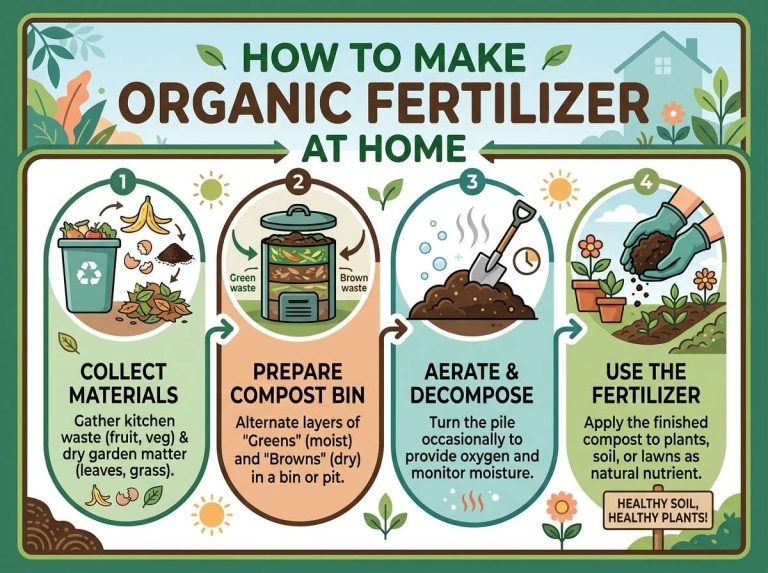
Good homemade compost feeds everything. Layer two to three inches around your azalea each spring. Over time, it improves soil structure and adds nutrients. It doesn’t supply as much nutrition as other options, but the soil improvement is valuable.
Feeding Azaleas Through the Seasons
Your feeding schedule should change with the seasons.
Spring Feeding
This is your most important feeding. Start as soon as new growth appears. Use a balanced azalea fertilizer or slow-release product. This feeding fuels blooming and new growth. If using liquid, feed every three weeks.
Summer Feeding
Once blooms fade, reduce feeding. Your plant is slowing down. If using liquid fertilizer, cut back to every four weeks. If using slow-release, you’re done. The spring application is still feeding your plant.
Fall Feeding
Don’t feed. Your plant is preparing for dormancy. Extra nutrition now is wasted. It can even cause problems by pushing tender growth that freezes.
Winter
No feeding. Your plant is dormant. It doesn’t need nutrition. Wait for spring to resume your program.
Fertilizing Newly Planted Azaleas
New plants need gentle care. Don’t rush into heavy feeding.
First spring. Feed lightly every four weeks with half-strength liquid fertilizer. This gives your plant nutrition without stressing young roots.
Second spring and beyond. Use full-strength fertilizer on the normal schedule. Your plant is established enough to handle regular feeding.
Container-grown azaleas. These usually have good soil to start. You can feed on a normal schedule from day one.
Bare-root azaleas. These need extra gentle care. Wait a month before feeding. Then use half-strength solutions for the first few weeks.
Fixing Over-Fertilized Azaleas
Oops. You fed too much. Don’t panic. Your plant can recover.
Stop feeding immediately. Don’t add more. Flush the soil with lots of water. This washes excess fertilizer down through the soil and away from roots.
Water every few days for a week or two. This dilutes any concentrated fertilizer. Your plant should recover within weeks.
In the future, always follow package directions. When in doubt, use less. You can always feed again in a few weeks. You can’t undo over-fertilizing easily.
Tools and Products You’ll Need
You don’t need much to fertilize properly.
Measuring cup or scale. Be precise with amounts.
Watering can or hose. For watering fertilizer in.
Gloves. Protects your hands. Good hygiene when handling any product.
Azalea-specific fertilizer. Use products labeled for azaleas or acid-loving plants.
Soil pH test kit. Optional but helpful. Knowing your soil pH ensures success.
Spreader. For applying granular products evenly. Not necessary but makes the job easier.
That’s honestly all you need. You don’t need fancy equipment.
Final Thoughts on Azalea Fertilization
Fertilizing azaleas is straightforward. Start in spring with the right product. Feed regularly through the growing season. Stop in summer. That’s the basic plan. Your azaleas will bloom like crazy.
Remember the basics: low nitrogen, acidic conditions, and good timing. Do those three things and you’ll succeed. Your garden will fill with color.
The best part? You’ll get better at it each year. You’ll learn what your plants need. You’ll develop a feel for feeding. Soon you won’t need to think about it. Your azaleas will be gorgeous every spring.
Garden fertilizing is not complicated. It’s just giving your plants what they need to thrive. Your azaleas will reward you with more blooms. You’ll have a more beautiful garden. That makes all the effort worthwhile.
Happy gardening and happy blooming!

Hi, I’m Mary, the founder of GardenCure.com. I’m passionate about creating healthy, beautiful gardens and well-kept lawns. I share practical experience and trusted advice on garden and lawn gear that truly works. With the support of my dedicated research team, our writers produce honest, in-depth reviews using reliable, authentic sources—helping you choose the right tools with confidence for your outdoor space.